

CBC (Complete Blood Count) Test in Pregnancy: Importance, Normal Ranges and Results
Find out what a CBC test in pregnancy checks, what normal ranges look like and how to read your blood count results each trimester.





Medically Reviewed By
Dr. Sabiha Anjum
(Gynecologist/Obstetrician)

In this Article
- What Is the CBC Test?
- Is the Complete Blood Count Test Necessary?
- Benefits of CBC Test in Pregnancy
- Risks of CBC Test While Pregnant
- What Does This Blood Test Measure?
- How to Prepare for the CBC Test?
- How Is the CBC Test Done?
- What Do the CBC Test Results Really Mean?
- What Is the Cost of a CBC Test?
- When to Consult a Doctor?
- FAQs
View More
This health content has been medically reviewed by qualified experts and follows the FirstCry Parenting editorial policy to ensure accuracy and reliability.
A CBC (Complete Blood Count) test is one of the first routine blood tests recommended during pregnancy because it helps doctors monitor your health and identify potential concerns early. As your body adapts to support your growing baby, changes in blood volume and blood cell counts are expected. However, some changes may indicate conditions such as anaemia, infection, or other blood-related disorders. According to the World Health Organization (WHO), 35.5% of pregnant women worldwide are affected by anaemia, making regular blood monitoring an important part of prenatal care (1).
A CBC for pregnancy provides valuable information about your red blood cells, white blood cells, and platelets. This article covers everything you need to know about CBC and pregnancy, including its benefits, preparation, and how to understand the results.
What Is the CBC Test?
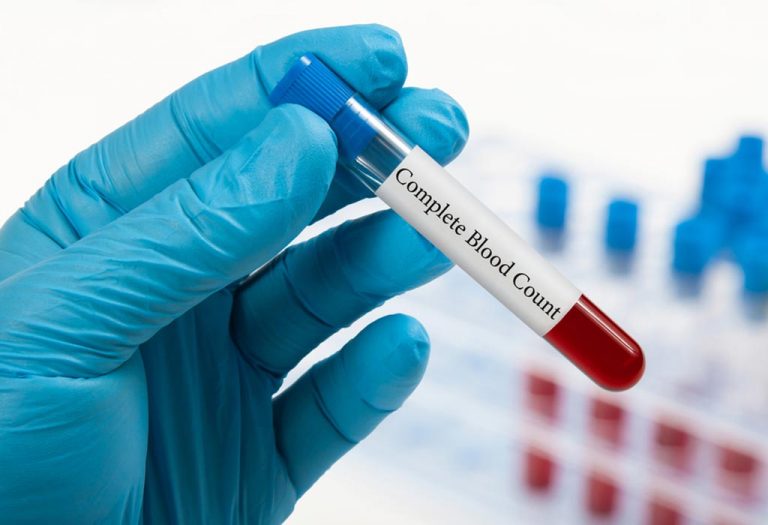
Complete Blood Count Test (CBC) test is done in the early stages of pregnancy to determine any health issues the expecting mom may have developed. This test monitors the red blood cells that carry oxygen throughout the body. If the levels of iron in your blood are low, you may be prescribed iron supplements. The CBC also determines the count of red blood cells, white blood cells and platelets (2).
Is the Complete Blood Count Test Necessary?
The CBC test conducted during the early months of pregnancy counts the three types of blood cells and gives a general idea about the expecting mom’s health.
1. Anaemia
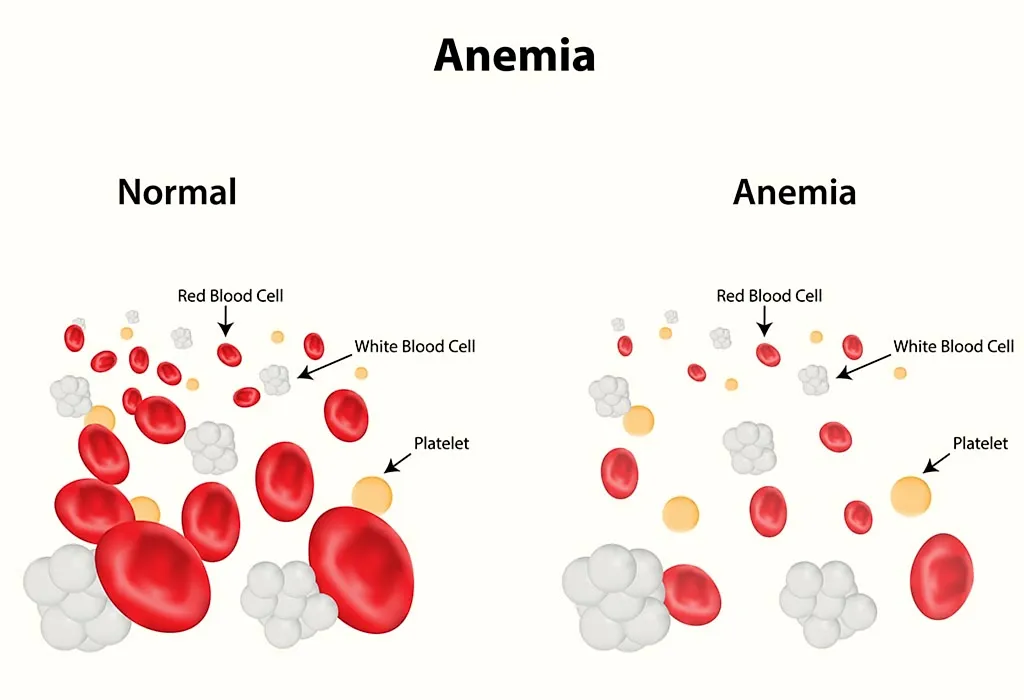
Ensuring optimal oxygen supply for cellular growth, tissue function, and fetal development relies on monitoring red blood cells and haemoglobin levels. Lower values might suggest anaemia, a serious condition addressable with iron supplements or alternative therapies (3).
2. Infection
White blood cells play a vital role in combating infections that could impact fetal development or pose health risks for both you and your baby. Abnormally high or low levels might indicate an ongoing infection or potential challenges in immune response during pregnancy (4).
3. Clotting Disorders
Platelets, essential for blood clotting, are crucial post-injury. Insufficient platelets may lead to excessive bleeding during childbirth. Conversely, elevated platelet levels may elevate blood clot risk, affecting maternal and fetal well-being (5).
Benefits of CBC Test in Pregnancy
A CBC (Complete Blood Count) test is an important part of prenatal care because it helps doctors assess your overall health and monitor changes in your blood during pregnancy. Some of the key benefits of a CBC blood test for pregnancy include (6):
- Early detection of anaemia, which can help prevent complications such as fatigue, preterm birth, and low birth weight.
- Identification of infections through changes in white blood cell counts, allowing timely medical intervention when needed.
- Monitoring of platelet levels to assess the risk of excessive bleeding during pregnancy, labour, or delivery.
- Detection of certain blood disorders or underlying health conditions that may affect maternal or fetal well-being.
- Support for treatment planning, including the need for iron supplements, medications, or additional diagnostic tests.
Risks of CBC Test While Pregnant
Since the test only requires a small blood sample, it poses very little risk to either the mother or the baby. While complications are rare, some women may experience minor side effects associated with the blood draw, including:
- Mild pain or discomfort at the site where the needle is inserted.
- Slight bruising or tenderness around the puncture area.
- Minor bleeding that usually stops within a few minutes.
- Temporary dizziness or lightheadedness, especially in individuals who are sensitive to blood draws.
- Rarely, swelling or infection at the needle insertion site.
What Does This Blood Test Measure?
Wondering what CBC blood test measures? Let’s take a look the at the points given below to learn more about this topic:
1. Red Blood Cells (RBCs)
The levels of red blood cells and haemoglobin can indicate her capability to carry oxygen via blood to the fetus. Low haemoglobin levels make pregnant women prone to fatigue and sickness. Iron supplements are prescribed to correct this situation (7).
2. White Blood Cells (WBCs)
White blood cells play an important role in the human body, especially during pregnancy. There are five types of WBCs- basophils, neutrophils, eosinophils, lymphocytes and monocytes. All of these are important parts of the immune system, which is greatly responsible for keeping the mother and the child free from any type of infection. This also finds out if the mother has any blood-related diseases, like sickle cell anaemia or leukaemia (4).
3. Platelets
Platelets make up the trio of the types of blood cells and are the smallest of the three types; however, their importance is huge. Platelets are responsible for clotting of the blood. If the count of platelets is too low, it means that the blood will not clot soon enough, while the number being high means that the mother is susceptible to sudden internal blood clots and haemorrhages (5).
4. Haemoglobin (Hb/Hgb)
Haemoglobin is the protein in your blood that holds oxygen.
5. Hematocrit (Hct)
This calculates the percentage of red blood cells in your blood (8).
6. Mean Corpuscular Volume (MCV)
MCV measures the average size of your red blood cells.
How to Prepare for the CBC Test?
If your blood will be tested only for the complete blood count, you can eat and drink normally before the test. If it’ll be used to conduct other tests, too, your doctor may ask you to fast for a specific number of hours.
How Is the CBC Test Done?
Getting the complete blood count during pregnancy requires just a few minutes. A nurse will insert a needle into your arm and take a blood sample. This sample will be sent to a pathology lab for testing. You can leave the clinic after giving your blood sample.
What Do the CBC Test Results Really Mean?
The CBC pregnancy test results help to detect the onset of illnesses in a pregnant woman (9).
- If WBC count is low, you are more prone to infections. The normal range is 4,500 to 10,000 cells per microliter (cells/mcL).
- If your RBCs are low in count, you may have anaemia. The normal range for men is 4.5 million to 5.9 million cells/mcL; for women, it’s 4.1 million to 5.1 million cells/mcL.
- The normal range of haemoglobin for men is 14 to 17.5 grams per deciliter (gm/dL); for women, it’s 12.3 to 15.3 gm/dL.
- A low score on the Hct range scale may be a sign of iron deficiency. A high score could mean you’re dehydrated. The normal range for men is between 41.5% and 50.4%. For women, the range is between 36.9% and 44.6%.
- If your RBCs are bigger than normal, your MCV goes up. That could happen if you have low vitamin B12 or folate levels. If your red blood cells are smaller, you could have a type of anaemia. A normal-range MCV score is 80 to 96.
- The normal range of platelets is 150,000 to 450,000 platelets/mcL.
Here are the normal CBC values from pregnancy first to third trimesters.
First Trimester:
| Unit | Count | |
| HB | g/dl | 11.0-14.3 |
| RBC | 10^6/ul | 3.52-4.52 |
| HCT | % | 31-41 |
| MCV | fl | 81-96 |
| MCH | pg | 27-32 |
| MCHC | g/dl | 33-37 |
| RETICS | % of RBCs | 0.2-2.0 |
| PLT | *10^3/ul | 150-400 |
| WBC | *10^3/ul | 5000-13000 |
| Differential leucocytic count: | Absolute values/ul | Percentage % |
| BASO | less than 110 | 0-1 |
| EOSINO | less than 500 | 1-6 |
| NEUTR | 1800-7500 | 40-70 |
| STAFF | NA | 0-5 |
| SEGM | NA | 40-70 |
| LYMPH | 1000-3500 | 20-45 |
| MONO | 80-880 | 2-8 |
Second Trimester:
| Unit | Count | |
| HB | g/dl | 10.0-13.7 |
| RBC | 10^6/ul | 3.2-4.41 |
| HCT | % | 30-38 |
| MCV | fl | 82-97 |
| MCH | pg | 27-32 |
| MCHC | g/dl | 33-37 |
| RETICS | % of RBCs | 0.2-2.0 |
| PLT | *10^3/ul | 150-400 |
| WBC | *10^3/ul | 6200-14800 |
| Differential leucocytic count: | Absolute values/ul | Percentage % |
| BASO | less than 110 | 0-1 |
| EOSINO | less than 600 | 1-6 |
| NEUTR | 2000-8000 | 40-70 |
| STAFF | NA | 0-5 |
| SEGM | NA | 40-70 |
| LYMPH | 1500-4000 | 20-45 |
| MONO | 80-880 | 2-8 |
Third Trimester:
| Unit | Count | |
| HB | g/dl | 9.8-13.7 |
| RBC | 10^6/ul | 3.1-4.44 |
| HCT | % | 28-39 |
| MCV | fl | 91-99 |
| MCH | pg | 27-32 |
| MCHC | g/dl | 33-37 |
| RETICS | % of RBCs | 0.2-2.0 |
| PLT | *10^3/ul | 150-450 |
| WBC | *10^3/ul | 5000-13000 |
| Differential leucocytic count: | Absolute values/ul | Percentage % |
| BASO | less than 110 | 0-1 |
| EOSINO | less than 600 | 1-6 |
| NEUTR | 2000-8000 | 40-70 |
| STAFF | NA | 0-5 |
| SEGM | NA | 40-70 |
| LYMPH | 1500-4000 | 20-45 |
| MONO | 80-880 | 2-8 |
What Is the Cost of a CBC Test?
In India, the CBC test costs between INR 300-800.
In the USA, the CBC test costs between $10.00 to $2,700.
When to Consult a Doctor?
You should consult your doctor if:
- Your CBC results show low haemoglobin levels or signs of anaemia.
- Your white blood cell count is unusually high or low, which may indicate an infection or other health concern.
- Your platelet count is outside the normal range, increasing the risk of bleeding or clotting complications.
- You experience persistent fatigue, weakness, dizziness, or shortness of breath.
- You develop symptoms such as fever, chills, or signs of an infection.
- You notice unusual bruising, prolonged bleeding, or bleeding gums.
FAQs
1. Can a complete blood count (CBC) test determine pregnancy?
No, a CBC test is not designed to detect pregnancy. Its purpose is to analyse blood cell components. It does not measure the presence of the hormone human chorionic gonadotropin (hCG), which is produced by the placenta after a fertilised egg attaches to the uterine wall.
2. Do I need to fast before a CBC test?
In most cases, fasting is not required for a CBC test. However, if the CBC is being performed alongside other blood tests that require fasting, your healthcare provider will give you specific instructions.
As we mentioned above, the CBC test is extremely important to gauge the overall health of the mother and detect the presence of viruses in her body. Thus, it becomes possible to safeguard the health of both the mother and the baby.
Also Read:
Blood Tests during Pregnancy
Rh Factor and Antibody Screening
Common Trimester-wise Tests during Pregnancy
Was This Article Helpful?
Parenting is a huge responsibility, for you as a caregiver, but also for us as a parenting content platform. We understand that and take our responsibility of creating credible content seriously. FirstCry Parenting articles are written and published only after extensive research using factually sound references to deliver quality content that is accurate, validated by experts, and completely reliable. To understand how we go about creating content that is credible, read our editorial policy here.
1. World Health Organization – Anaemia in women and children
2. Cleveland Clinic – Complete Blood Count (CBC)
4. Cleveland Clinic – White Blood Cells
5. Cleveland Clinic – Platelets
6. HUSAINI – Why a CBC Test Matters in Pregnancy?
7. Cleveland Clinic – Function of Red Blood Cells
8. Cleveland Clinic – Hematocrit Test
9. National Library of Medicine – Normal and Abnormal Complete Blood Count With Differential
- Author
- Expert Reviewer


Related Articles
-

Cute Rubber Ducky Baby Shower Ideas to Plan and Party!
-

Can You Drink Wine While Pregnant? Risks and Facts
-

Genetic Counselling – A Quick Guide For Parents To Be
-

Fascinating Birthday Celebration Ideas While Pregnant
-

First Trimester Tests for Pregnant Women
-

Taking Steroids During Pregnancy - Is It Safe?