
Biotin During Pregnancy – Benefits, Deficiency and Safe Dosage
Biotin in pregnancy supports metabolism and fetal health. Know its benefits, deficiency risks, safe dosage and best food sources.





Medically Reviewed By
Dr. Sabiha Anjum
(Gynecologist/Obstetrician)

This health content has been medically reviewed by qualified experts and follows the FirstCry Parenting editorial policy to ensure accuracy and reliability.
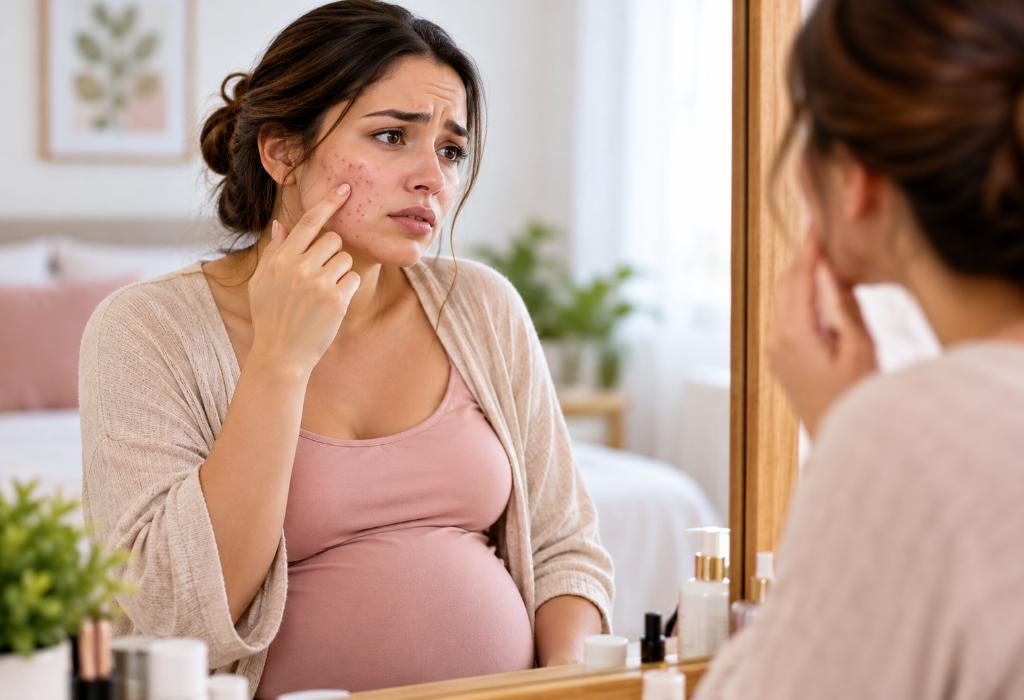
While it doesn’t make headlines in pregnancy nutrition, biotin in pregnancy is a commonly prescribed supplement by health experts worldwide. We have a question: Is biotin during pregnancy that important? Yes, mamas. Biotin is a water-soluble B-complex vitamin, which is critical in the conversion of food to energy, fatty acid synthesis, and gene regulation—all of which are essential for a mother’s health and her fetus’s development. According to the American Pregnancy Association, the need for this vitamin increases significantly during pregnancy because the body breaks biotin down faster during pregnancy (1). This is why doctors advise pregnant women to take essential supplements like biotin and folic acid tablets during pregnancy. Stay tuned as we discuss why biotin matters during pregnancy, its recommended dose, what biotin deficiency does to maternal health, and so much more.
Can You Take Biotin During Pregnancy?
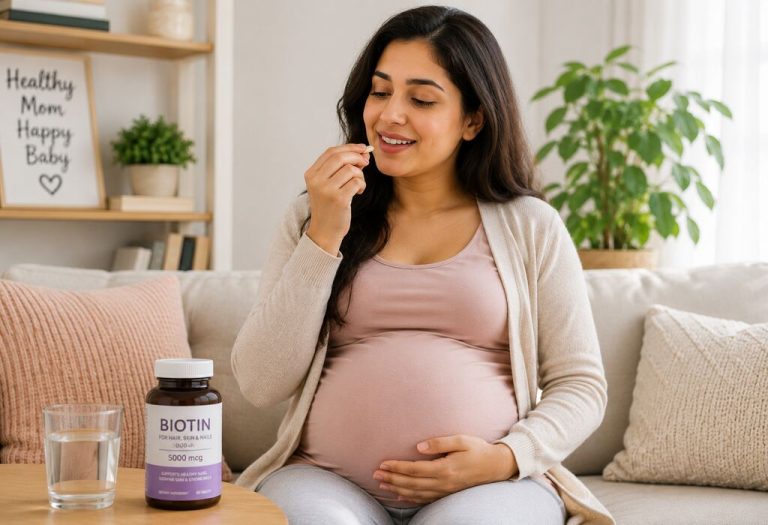
Biotin, also known as vitamin H or B-7, plays a crucial role in maintaining healthy skin, hair, and nails, as well as supporting the body’s metabolism. While biotin is commonly taken, many pregnant women wonder, ‘Is biotin safe during pregnancy?’ Yes, the intake of prescribed biotin is safe during pregnancy.
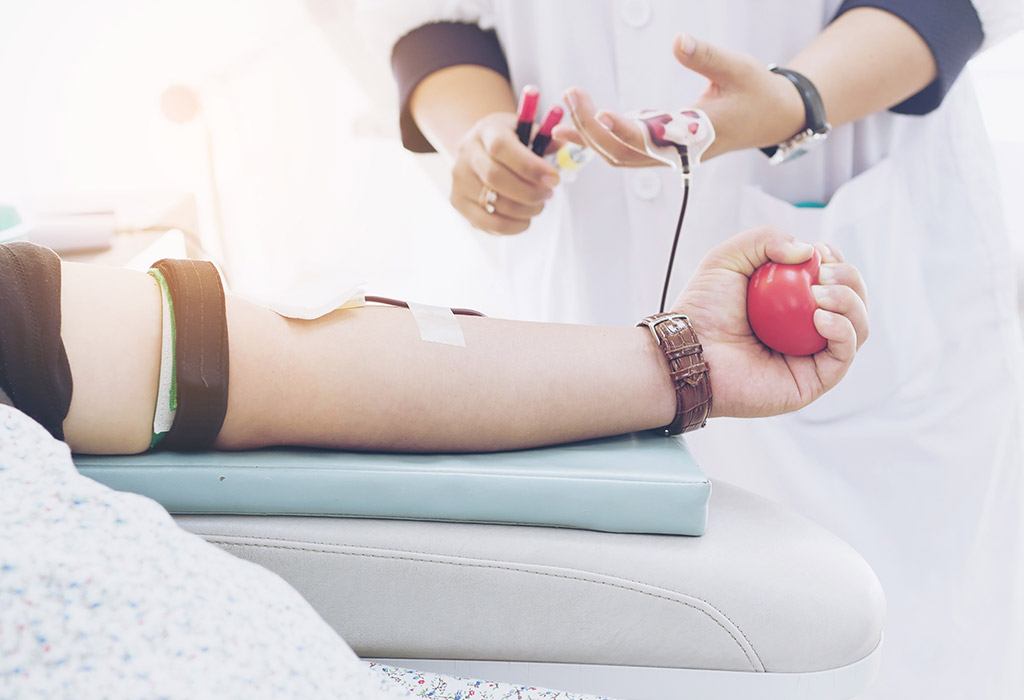
Supplemental biotin for a pregnant woman can help correct the deficiency of biotin, but too much of it might increase the chances of a miscarriage. Studies conducted on animals show that high levels of biotin in an individual’s urine or blood can result in considerably inaccurate laboratory test outcomes. This may result in misdiagnoses and inadequate treatment for conditions like ectopic pregnancy, miscarriage, or heart and thyroid disorders (2). Therefore, you must consult your doctor before you start taking any supplemental biotin.
Why Do You Need Biotin During Pregnancy?
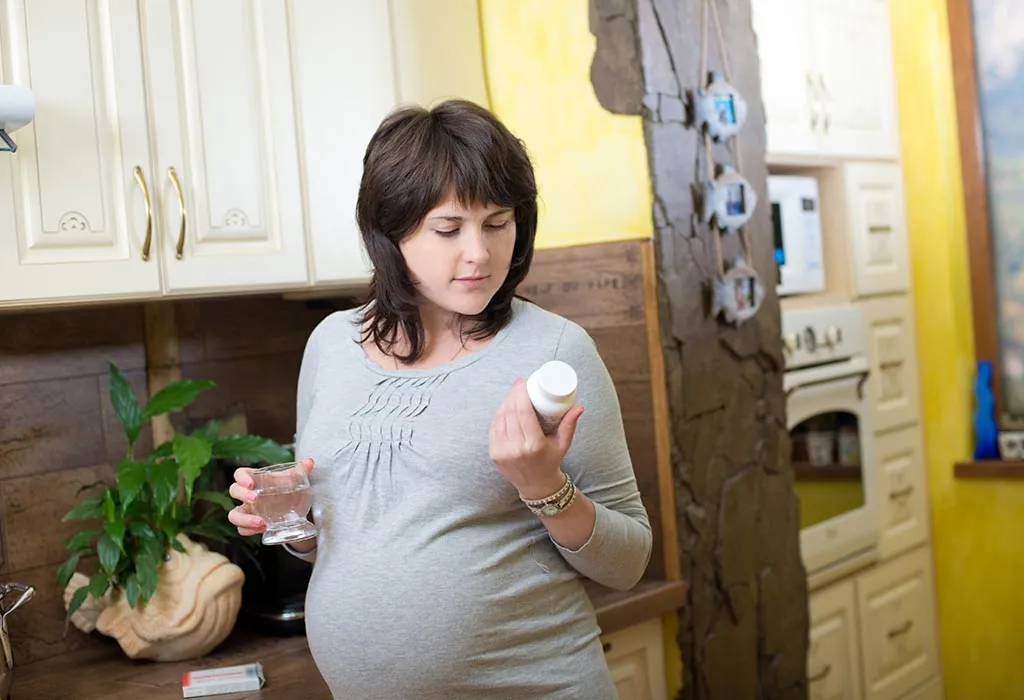
The advantages of biotin for pregnant women are manifold. Biotin helps in the conversion of food to energy. It is a coenzyme which is required for the metabolism of glucose and amino acids. But since it is soluble in water, the extra biotin simply passes through the urine. It helps keep nails and bones strong and also aids in hair growth. It also helps in keeping the liver, skin, and nervous system healthy and regulating blood sugar levels. Most importantly, maternal biotin deficiency is associated with fetal malformations (3). However, the consumption of biotin while pregnant should not be excessive.
Causes of Biotin Deficiency During Pregnancy
Many expectant women suffer from a biotin deficiency because their body breaks down biotin more rapidly during pregnancy. According to the Harvard Chan Home, about a third of expectant women are mildly deficient in biotin, despite eating adequate intakes, with the exact reason unknown (4). In a 2020 study, it was found that low levels of serum biotin in pregnancy have been associated with preterm labour or babies born small for their gestational age (SGA) (5).
Biotin deficiency can be caused by several health issues, including:
- Increased risk of seborrheic dermatitis
- Poor nail and hair health
- Peripheral neuropathy
- Diabetes
- Reduced appetite
- Fatigue
- Insomnia
- Depression
What Is the Recommended Dosage for Pregnant Women?
Per the National Institutes of Health (NIH), pregnant women should have an intake of at least 30 mcg of biotin per day (6). The symptoms of toxicity do not occur at this dosage. Biotin supplements of this dosage might help an expectant woman prevent the issues caused due to biotin deficiency.
What Are the Food Sources of Biotin?
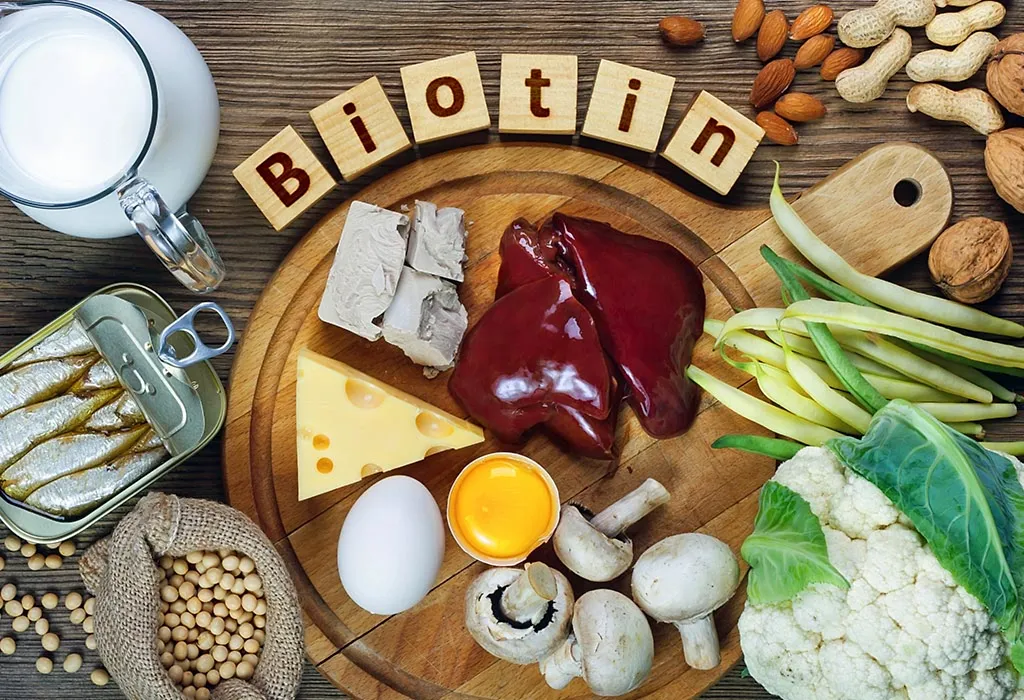
Some biotin-rich food sources are as follows:
1. Dairy Products and Eggs
Egg yolk is said to be rich in biotin. Dairy products like milk, cheese, etc., also have good amounts of biotin. These food sources can be easily incorporated into your regular diet.
2. Nuts and Grains
Nuts and whole grain products like pecans, walnuts, peanuts and almonds are considered to be rich in this vitamin.
3. Fish and Meat
Sardines, organ meats, and salmon are considered to be rich in the concentration of biotin.
4. Legumes
Black-eyed peas, soybeans, and other legumes are also rich sources of biotin.
5. Fruits and Veggies
Many fresh fruits and vegetables are excellent sources of this vitamin. Avocadoes, cauliflower, raspberries, mushrooms, Swiss chard, carrots, cucumbers, and onions have a good concentration of biotin.
Can Biotin Cause Birth Defects?
In some cases, a deficiency of biotin in pregnant women may also lead to birth defects. In a study conducted on animals, it was proven that the deficiency of biotin might result in birth defects in animals, particularly issues like cleft palate, skeletal deformities, cleft lip, etc. It is possible for these effects to show up in humans as well.
Biotin Food vs. Supplement Comparison
Understanding biotin levels in different foods can help us make informed choices whether we have supplementation needs or just dietary adjustments to meet the increased requirements during pregnancy. Here’s a quick table to understand the concentration in foods versus supplements.
| Source | Biotin Content | Additional Pregnancy Benefits |
|
Cooked egg yolk (1 large) |
10 mcg |
High-quality protein, choline for brain development |
|
Almonds (Around 30 grams) |
1.5 mcg |
Almonds are full of healthy fats, vitamin E, and magnesium. |
|
Sweet potato (1 medium) |
2.4 mcg |
Beta-carotene, fibre, potassium |
|
Prenatal vitamin (typical) |
30 mcg |
Available as part of prenatal multivitamins. They are a complete nutrient profile designed for pregnancy. |
|
High-dose biotin supplement |
1,000-10,000 mcg |
Available as standalone biotin tablets or as part of prenatal multivitamins. |
FAQs
1. Which source of biotin is richest?
Cooked eggs and well-cooked beef liver are one of the richest sources of biotin, ideal for pregnant women.
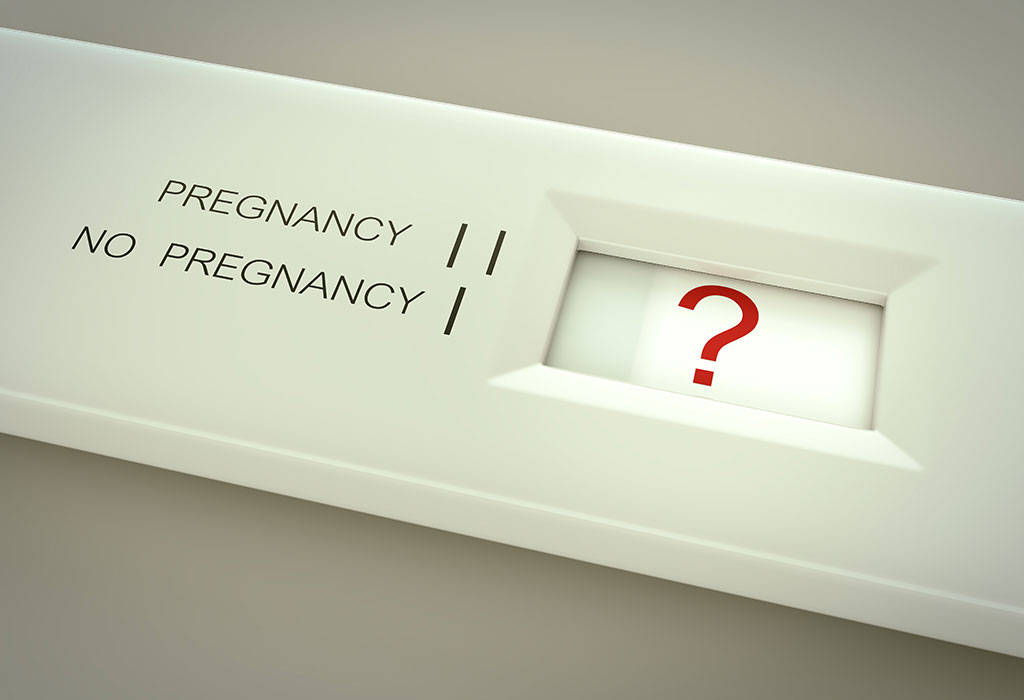
2. Can biotin cause a false-negative pregnancy test?
Biotin has the potential to impact hCG levels in laboratory analyses. Specifically, women who are taking biotin supplements might experience inaccurately low levels of hCG in blood tests. This can lead to incorrect outcomes on both at-home urine pregnancy tests and clinical assessments. Although elevated hCG levels serve as an early sign of pregnancy, they also play a role in detecting conditions like miscarriage and ectopic pregnancy. Always make sure to discuss any supplements or medications you’re taking with your healthcare provider, especially during pregnancy, to ensure the most reliable and valid outcomes.
3. Can biotin improve fertility?
While we do know through limited and uncontrolled studies that biotin deficiency can decrease fertility in animals, it is little to nothing known about the effect of biotin deficiency in humans. The intake of biotin in pregnancy. If you are planning pregnancy, your doctor may suggest the intake of biotin in pregnancy through prenatal vitamins with biotin to compensate for the deficiency.
Taking biotin supplements is considered safe during pregnancy, but only if taken in recommended amounts. You should take a doctor’s advice to find out if you need to take biotin supplements or not. Excess of biotin during pregnancy may cause several complications and might also lead to a miscarriage.
Also Read:
Prenatal Vitamins during Pregnancy
Safe and Unsafe Pregnancy Supplements
Taking Vitamin B5 (Pantothenic Acid) in Pregnancy
Was This Article Helpful?
Parenting is a huge responsibility, for you as a caregiver, but also for us as a parenting content platform. We understand that and take our responsibility of creating credible content seriously. FirstCry Parenting articles are written and published only after extensive research using factually sound references to deliver quality content that is accurate, validated by experts, and completely reliable. To understand how we go about creating content that is credible, read our editorial policy here.
- Author
- Expert Reviewer