
Anteverted Uterus & Pregnancy – Is It Normal?
Understand how an anteverted uterus affects pregnancy and fertility, whether it’s normal, and what it means for healthy conception.





Medically Reviewed By
Dr. Rima Sonpal
(Gynecologist/Obstetrician)

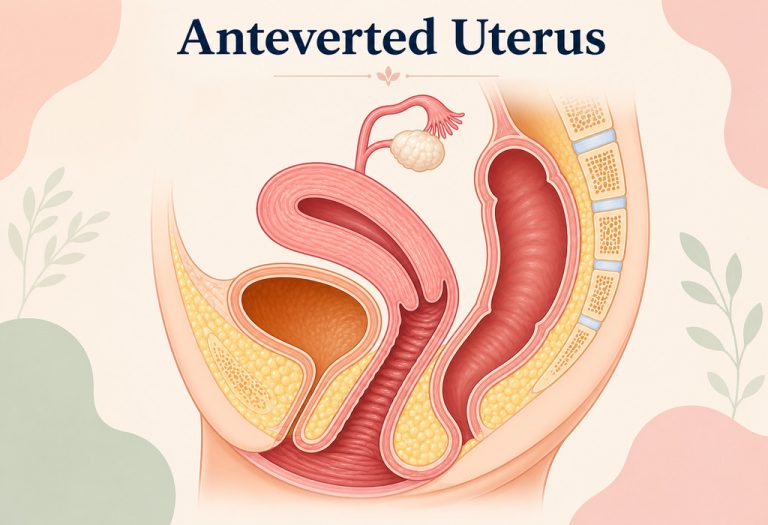
Image Credit : AI Generated Image
This health content has been medically reviewed by qualified experts and follows the FirstCry Parenting editorial policy to ensure accuracy and reliability.
The most important organ of the female reproductive system is the uterus. This organ plays a key role during menstruation and holds the baby when a woman is pregnant. In addition, this organ regulates the menstrual cycles, thus ensuring the normal functioning of the body. However, many women may have an anteverted uterus.
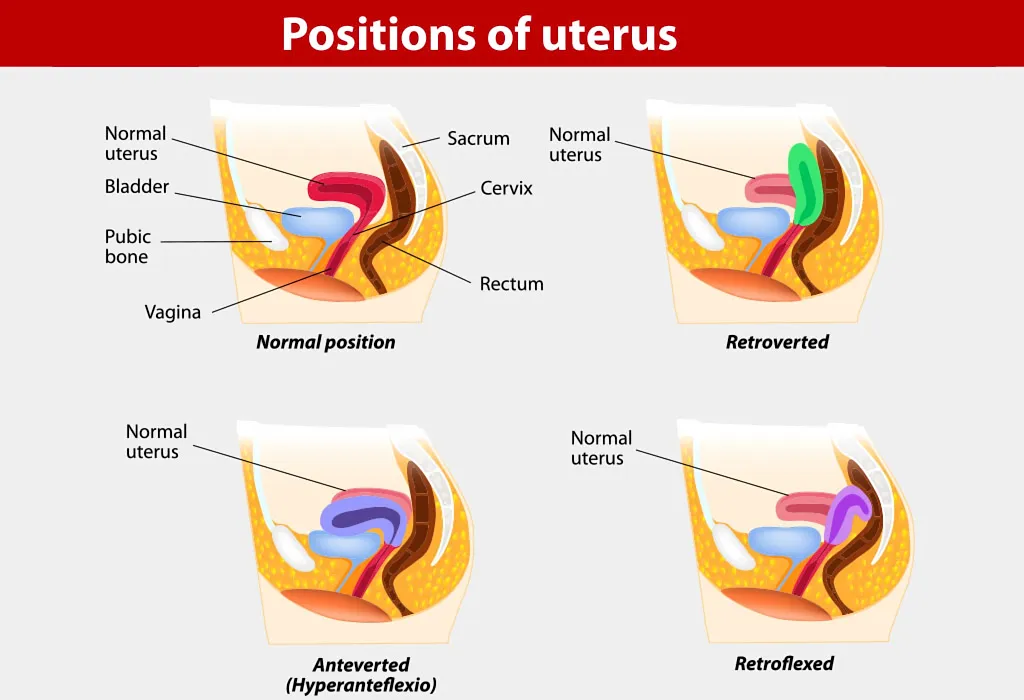
An anteverted uterus is normal, occurring in almost 75% of women. It denotes a forward tilt of the uterus toward the bladder. The amount that the uterus leans forward varies from person to person. It is neither an abnormality nor a medical condition and does not affect the uterus’s physical structure. A woman’s health or ability to reproduce is unaffected by an anteverted uterus. To understand its impact in detail, read on to learn all about anteverted uterus and pregnancy.
What Is an Anteverted Uterus?
When the uterus is tilted towards the front of the abdomen, it is known as an anteverted uterus (1). There are two abnormal positions of the uterus. One is anteverted, and the other is retroverted. The uterus is said to be retroverted when it is tilted backwards (2). Talking specifically about the anteverted uterus, a tilted forward uterus implies that the uterus gets dislocated towards the bladder. This is a common issue in women, making them think they would have complexities in their menstrual cycles and pregnancy. But having an anteverted uterus is perfectly normal and doesn’t affect a woman’s ability to get pregnant. You may not even know if you have an anteverted uterus.
Can You Get Pregnant With an Anteverted Uterus?
It was believed that a woman with an anteverted uterus could not get pregnant. However, recent advancements suggest otherwise. The tilting of the uterus is nowhere related to a woman’s fertility (1) (3). This is because the passage the sperm covers through the uterus and the further process of fertilisation has no connection with the orientation of the uterus.
If a woman is pregnant and the uterus tilt is beyond a specific limit, she may experience discomfort and pain while emptying her bladder. If a pregnant woman has an anteverted uterus, she must visit a gynaecologist to experience severe back pain or irritations in the abdominal region.
An interesting fact that may surprise you is that when a woman with an anteverted uterus is pregnant, her baby bump becomes visible sooner than expected. In some cases, an anteverted uterus pregnancy bump can occur even before 12 weeks of gestation.
How Is an Anteverted Uterus Diagnosed?
An anteverted uterus can be diagnosed using the following two methods (3):
-
Pelvic Exam: This method is used by experienced doctors to touch and feel the uterus, the pelvic region, the ovaries, and the abdomen, to get an idea of whether the uterus is tilted or not. Based on the doctor’s intuition, she may further ask the woman to go for an ultrasound.
-
Ultrasound: This technological invention involves using sound waves to create sonogram images of the abdomen on the screen. This way, the doctor analyses the images on the screen to know whether the uterus is tilted or not.
How Can You Get Pregnant Faster With Anteverted Uterus?
A woman with an anteverted uterus must always get a uterine examination or an early pregnancy check-up. These will give you an accurate view of the anteverted uterus’ condition and any problems it might cause.
You’ll learn how to get pregnant rapidly, understand the best position for the anteverted uterus to conceive and gain advantages from the process while pregnant.
Impact of an Anteverted Uterus on Pregnancy
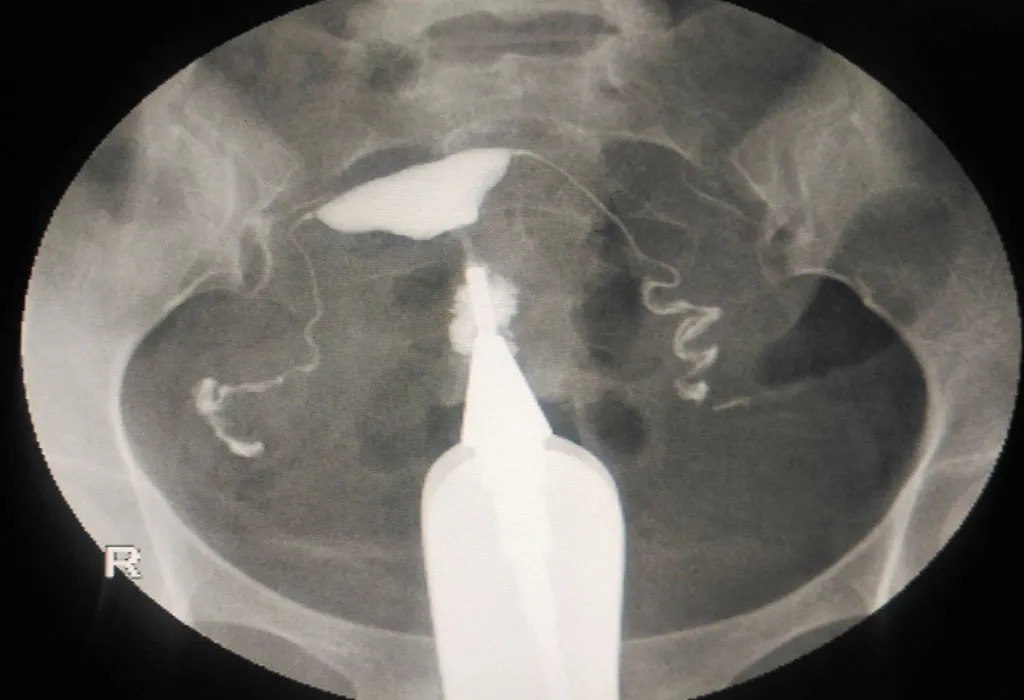
It is known that the forward tilt of the uterus neither affects a woman’s ability to get pregnant nor does it create any problems in delivery (though it has been found that some natural processes that ought to occur inside the uterus get affected). Therefore, it is highly recommended to consult a gynaecologist even if there are no severe complications.
Also, there are certain rare cases where a pregnant woman may develop problems such as uterine fibroids, uterus polyps, ovarian cysts or even fibroid tumours because of an anteverted uterus (4). And this is why expert consultation is required in the initial stages of pregnancy.
Can You Have Sex If You Have an Anteverted Uterus?
Having an anteverted uterus will not affect your sexual health or sexual life. So, yes, you can have sex with an anteverted uterus if you want to get pregnant or otherwise.
When to See Doctor?
Always seek medical attention if you have irregularities during your cycle or menstruation. For example, It’s probably time for a check-up if you suffer unusual bleeding in between periods, unusual discharge, itchiness, soreness, or the feeling that something could be “wrong” (4).
FAQs
1. Does an anteverted uterus cause complications in pregnancy?
Generally, no. It does not cause pregnancy complications. The uterus naturally expands and changes position as the pregnancy progresses.
2. Can an anteverted uterus cause infertility treatments like IVF to fail?
No, uterine position does not affect the success of IVF or other fertility treatments. Success depends on multiple factors like egg quality and embryo health (5).
3. Can an anteverted uterus cause miscarriage?
No, an anteverted uterus does not increase the risk of miscarriage. Miscarriages are usually related to chromosomal or hormonal factors, not uterine position.
Having an anteverted uterus is common and does not affect a woman’s fertility or ability to get pregnant. If you are trying to get pregnant for long, get your uterus examined. In case of any doubt or confusion, consulting a gynaecologist is the best bet. So please speak to your doctor about any problem you may have and follow her instructions. Stay informed, eat healthy, exercise, and lead a healthy life!
Also Read:
Uterus while Pregnant
Uterine Prolapse in Pregnancy
Uterus Pain during Early Pregnancy
Was This Article Helpful?
Parenting is a huge responsibility, for you as a caregiver, but also for us as a parenting content platform. We understand that and take our responsibility of creating credible content seriously. FirstCry Parenting articles are written and published only after extensive research using factually sound references to deliver quality content that is accurate, validated by experts, and completely reliable. To understand how we go about creating content that is credible, read our editorial policy here.
- Author
- Expert Reviewer