
Acupuncture in Pregnancy – Benefits and Side Effects
Learn whether acupuncture is safe during pregnancy, its potential benefits and what you should know before trying it.





Medically Reviewed By
Dr. Priyanka Kalra
(Gynecologist/Obstetrician)

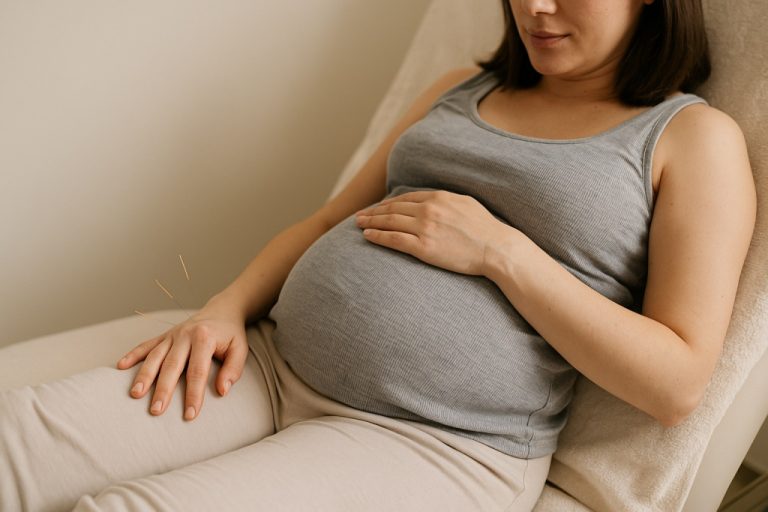
Image Credit : AI Generated Image
When a woman becomes pregnant, a deluge of tips and recommendations pours in from all sides—from well-meaning family and friends to countless online resources. This advice often extends beyond conventional medicine to include a wide array of herbal remedies and therapeutic techniques, many of which fall into the realm of experimental or alternative medical therapy. Acupuncture is also one of those things which could cause many mothers to raise their eyebrows since it involves poking needles into your body. Many prospective mothers cautiously explore the practice of acupuncture while pregnant, seeking relief from common discomforts like morning sickness and lower back pain. However, it is a lot more than that; it is a time-tested component of traditional Chinese medicine that focuses on restoring the body’s natural balance.
What Is Acupuncture?

Passed down from the traditional healing methods that emerged in China many centuries ago, acupuncture works on the principle of establishing the flow of energy back in the body. The therapy works on understanding what obstacles might be present that obstruct the flow of energy through the body, and aims to resolve those. This is conducted by making use of needles that are as thin as a hair. These are pierced into the skin in certain locations that are termed important in re-establishing the balance of energy and bringing immense relief (1).
Is Acupuncture Safe During Pregnancy?
Most pregnant women have attained a good result after undergoing acupuncture. A medical therapy that has been practised for thousands of years, it has time and again shown its benefits.
How Does Acupuncture Help When Pregnant?
Here are some of the benefits of acupuncture for pregnant women during different trimesters.
In the First Trimester
Acupuncture during the first trimester is primarily meant to focus on preparing your body for the pregnancy. It makes sure to emphasise an all-around healthiness that helps create a strong support system for you and the baby (2). The needles are pierced in those locations of the body that are known to strengthen the pregnancy, reduce the chances of miscarriage, and help mothers move beyond the tendencies of exhaustion and consistent nausea.
In the Second Trimester
Towards the second trimester of the pregnancy, acupuncture starts taking on an active role. It begins to help mitigate any problems that arise, such as pain in the lower region of the back and the pelvis, repeated headaches or even depression. Hormonal balance might also be essential, which can bring about a regulative action on digestion, set the mood right and bring about a healthy endocrine growth that benefits the baby, too.
In the Third Trimester
As the third trimester sets in, the acupuncture techniques are emphasised in ensuring that the labour sets in at the right time and the delivery is as easy as possible. Early labour using this technique is not initiated unless you have completed at least 39 to 40 weeks of pregnancy and there are no complications related to pregnancy. Many women find that acupuncture during pregnancy third trimester can be particularly effective for alleviating specific discomforts like pelvic pain and preparing the body for labour.
Common Acupuncture Points for Pregnant Women
Prenatal acupuncture can be a valuable complementary therapy during pregnancy, often used to address common discomforts and support overall well-being. However, it is crucial that treatment is always administered by a licensed practitioner who is experienced in prenatal care to ensure the safety of both mother and baby.
1. Hegu (LI4) – Large Intestine 4
Located on the back of the hand in the webbing between the thumb and index finger, Hegu is a powerful point for managing pain and inducing relaxation. However, its use during pregnancy is a subject of significant caution and debate. While some practitioners may use it with extreme care for pain relief, especially during labour, it is traditionally considered a forbidden point in early pregnancy due to its strong influence on the body’s Qi, as there are concerns it may stimulate uterine contractions.
2. Zusanli (ST36) – Stomach 36
Found on the leg, about four finger-widths below the kneecap and one finger-width to the outside of the shinbone, Zusanli is a fundamental point for boosting energy and supporting the digestive system. It is highly beneficial for pregnant women suffering from fatigue, nausea, heartburn, or indigestion. Strengthening the spleen and stomach helps improve nutrient absorption and overall vitality, which is essential for sustaining both the mother and the growing baby.
3. Sanyinjiao (SP6) – Spleen 6
This point is located on the inner side of the leg, about four finger-widths above the inner ankle bone, just behind the shin bone. Sanyinjiao is a major intersection point of the Liver, Spleen, and Kidney meridians, making it incredibly versatile for addressing issues like insomnia, oedema (swelling), and mild pain. Similar to LI4, it is a point that is typically avoided by acupuncturists after the first trimester unless specifically intended to encourage cervical ripening at full term, as it can strongly influence the pelvic region.
4. Weishu (BL21) – Bladder 21
Situated on the back, approximately one and a half finger-widths to either side of the spine at the level between the 12th thoracic vertebra, Weishu is the “Back-Shu” point of the Stomach. It is excellent for strengthening digestive function and can provide relief from common pregnancy-related issues like nausea, vomiting, and poor appetite. Supporting the stomach directly helps ensure the mother can properly digest food and absorb the necessary nutrients for a healthy pregnancy.
Benefits of Acupuncture in Pregnancy
Acupuncture can help relieve several pregnancy symptoms, like
1. Morning Sickness
Acupuncture for pregnant ladies can provide significant relief from the debilitating nausea and vomiting often experienced in the first trimester. By targeting specific points known to regulate the digestive system and settle the stomach, treatment helps to rebalance the body’s energy, reducing the frequency and intensity of symptoms (3). This natural intervention can make daily life more manageable, allowing for better nutrition and hydration during this critical early stage of pregnancy.
2. Headaches
The hormonal shifts and increased blood volume of pregnancy are common triggers for tension headaches and migraines. Acupuncture addresses this by promoting the release of endorphins, the body’s natural pain-relieving chemicals, and by working to relax tense muscles in the neck and shoulders. This dual action helps to diminish both the occurrence and severity of pregnancy-related headaches, offering a drug-free path to pain management.
3. Backaches
As the body adapts to a changing centre of gravity and loosening ligaments, lower back pain becomes a frequent complaint. Acupuncture treatments focus on strengthening the supporting muscles and improving local circulation to the affected area (4). This approach not only alleviates the immediate ache and pressure but also helps to address the underlying structural imbalances contributing to the discomfort.
4. Hormones
Acupuncture is believed to have a regulatory effect on the endocrine system, which is responsible for the dramatic hormonal fluctuations of pregnancy. By gently encouraging a more balanced production of hormones like progesterone and estrogen, treatment can help stabilise the physical and emotional rollercoaster. This normalisation can lead to improved energy levels and a greater sense of physical equilibrium throughout the gestational period.
5. Mood
The practice is highly effective at calming the nervous system, moving the body from a stressed “fight-or-flight” state to a relaxed “rest-and-digest” state. This shift can bring profound relief from anxiety and prenatal stress, fostering a deep sense of mental calm and emotional resilience. Many women report feeling a renewed sense of well-being and a more positive outlook after their sessions, which is crucial for mental health during pregnancy (5).
6. Acne
Pregnancy-related acne is primarily driven by hormonal changes that increase sebum production. By helping to rebalance these underlying hormonal triggers, acupuncture works to clear the skin from the inside out. Concurrently, its anti-inflammatory effects can reduce the redness and swelling of existing blemishes, promoting a healthier complexion without the use of harsh topical treatments that may be unsafe during pregnancy.
7. Insomnia
Acupuncture promotes restful sleep by addressing common pregnancy sleep disruptors like pain, anxiety, and restless legs. Treatment helps to quiet the mind, ease physical discomfort, and regulate the sleep-wake cycle, making it easier to fall and stay asleep (6). Furthermore, by improving circulation and reducing pelvic pressure, it can also alleviate other issues, such as haemorrhoids, which are a surprising but welcome side-effect of overall better bodily function.
Risks or Side Effects of Acupuncture While Pregnant
- Acupuncture tends to trigger certain functions in the body when specific points are stimulated. At times, these points could also result in contractions of the uterus, which could result in premature delivery or a miscarriage.
- Short acupuncture sessions that are roughly around 20 minutes or so are optimal. Resorting to extended sessions can put your body under undue stress (7).
- Acupuncture is also a known technique to help with delayed deliveries since it induces labour. Therefore, care must be taken not to accidentally stimulate those points.
- An untrained or amateur acupuncturist who does not have experience with pregnant women could stimulate the wrong points.
- If the acupuncturist is not a professional, the needles could cause injuries or infections.
Tips for Acupuncture During Pregnancy
If you are considering acupuncture during pregnancy, keep the following tips in mind.
1. Consult a Doctor Before Acupuncture
Before proceeding with any kind of remedy or therapy that doesn’t fall under usual medication procedures, get your doctor’s advice. The views of your doctor might differ based on their experiences of dealing with patients earlier. If so, he might even ask you to observe certain precautions before opting for the therapy, since you may or may not be on some medications or have complications related to pregnancy.
2. Carefully Choose the Acupuncturist
Acupuncture points for pregnancy are extremely sensitive and need to be stimulated the right way. Therefore, it is important to choose an acupuncturist who has the proper license for practice and is highly experienced, especially in dealing with therapy for pregnant women.
3. Consider the Cost
An acupuncture procedure may not be limited to a single session. It could span over a number of sessions, depending on what you intend to achieve from the therapy. Per session costs of the therapy could build up without you being aware. This is also a good time to check if your medical insurance covers the therapy so that you can opt for that as well.
4. Watch Out for Signs of Trouble
Acupuncture is known to help induce labour in cases of delayed pregnancies. If that is not the goal of your therapy, then be highly aware of how the therapy makes you feel. In case of the presence of any contraction-related feelings in the uterus, or any other feeling that makes you feel discomfort, stop the therapy immediately and contact your doctor. Always be alert of the warning signs in pregnancy!
FAQs
1. How often should I go for acupuncture when pregnant?
The number of sessions and the frequency of them vary from person to person, as well as the goal of the therapy, too. The usual safe way to begin the therapy, given that your pregnancy is healthy and free of any complications, would be around a couple of times in a month. As it starts working well for you, it could be further raised up to as much as once each week.
2. Can acupuncture prevent miscarriage?
No therapy or procedure, medical or alternative, can guarantee to prevent miscarriage, since the conditions that can cause miscarriage are quite varied. One of the effects that acupuncture causes in the body of the pregnant mother is regulating her hormones. Due to this, the uterus and other muscles are also affected, which can further keep the emotional balance and the strength in place. These, as a result, can reduce the chances of unfortunate miscarriages from taking place.
3. Can acupuncture turn breech babies?
A technique used along with acupuncture is known to work in this regard. It is termed as moxibustion. What it does is make use of the moxa herb that is put together in a stick, resembling a cigar. This is then allowed to gradually smoulder over the acupuncture point of the little toe. 80% results have revealed breech babies to attain an optimal position after this procedure. However, please involve your gynaecologist before and during the procedure.
4. Can acupuncture help to induce labour?
Yes, but this is only opted for when the delivery has been delayed, and the doctor recommends a go-ahead for inducing labour. At times, acupuncture might work rather quickly in inducing labour, or it might even take a few days. It also helps reduce the pain, which provides a boost of strength during delivery, or it can help restart contractions, should a mother get exhausted during labour.
5. Will acupuncture benefit me post-delivery?
Certain mothers do opt for acupuncture after they have delivered the baby, since it helps them keep their energy levels high and also combat post-partum depression.
This was all about acupuncture in pregnancy. Acupuncture is quite an alternative therapy that needs time to be embraced wholeheartedly. By knowing the right information and working with a professional who knows which acupuncture points to avoid during pregnancy, you can work your way to attaining immense relief during your pregnancy as well as have a successful and safe delivery.
Also Read:
Spa in Pregnancy
Foot Massage in Pregnancy
Perineal Massage During Pregnancy
Acupressure for Back Pain during Pregnancy
Was This Article Helpful?
Parenting is a huge responsibility, for you as a caregiver, but also for us as a parenting content platform. We understand that and take our responsibility of creating credible content seriously. FirstCry Parenting articles are written and published only after extensive research using factually sound references to deliver quality content that is accurate, validated by experts, and completely reliable. To understand how we go about creating content that is credible, read our editorial policy here.
- Author
- Expert Reviewer
 About the Author
Aliya Khan
Related Articles
-

5 Gadgets to Avoid During Pregnancy
-
Haemorrhoids (Piles) in Pregnancy: Causes, Risks and Treatments
-
10 Effective Home Remedies to Manage High Blood Pressure During Pregnancy
-
Collagen Powder During Pregnancy - Is It Safe?
-
Is it Safe to Practise Yoga Inversions During Pregnancy?
-
This Pregnancy Breathing Exercise Promises to Cut Down Labour Time by 70%