
Acrylic Nails During Pregnancy – Is It Safe?





Medically Reviewed By
Dr. Sabiha Anjum
(Gynecologist/Obstetrician)

This content has been reviewed by a qualified expert and follows the FirstCry Parenting editorial policy to ensure accuracy and reliability.
Acrylic nails during pregnancy can seem like an easy way to keep your hands looking polished and well-groomed, especially if you enjoy regular manicures. Beautiful nails can certainly boost your confidence, but pregnancy is a time to be extra cautious about the products and treatments you choose. Acrylic nail applications involve chemicals that may produce strong fumes, raising concerns for many expectant mothers. Although occasional use is generally considered safe when done in a well-ventilated salon and with proper hygiene, fake nails and pregnancy require extra caution. Before booking your next nail appointment, you should find out if it is safe to get acrylic nails while pregnant. Read on to find out the potential risks, safety measures, and expert recommendations on getting acrylic nails during pregnancy.
What Are Acrylic Nails?
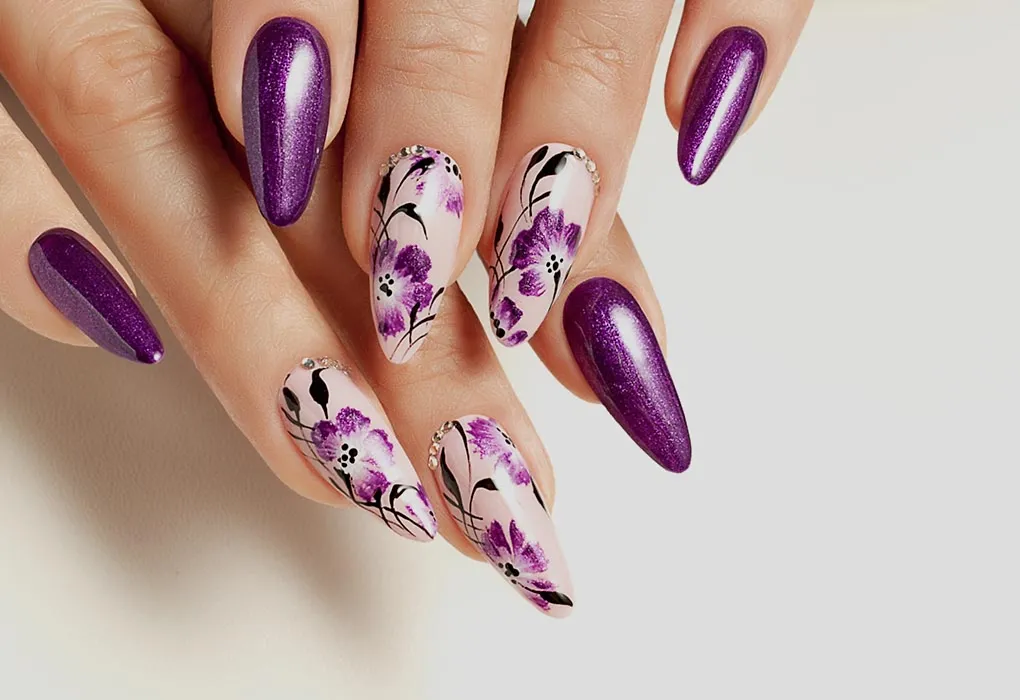
Acrylic nails are fake nails that you can easily stick on your original nails to enhance the length of your nails aesthetically. These nails are made using some powder and liquid. Many nail salons or your regular parlours can offer these at affordable rates.
Can You Get Acrylic Nails During Pregnancy?
When you are pregnant, your smallest decisions are also made with care and caution, and the same applies to the use of acrylic nails in pregnancy. While there is no direct harm in getting acrylic nails while you’re pregnant, it is recommended that you exercise caution when you stick these fake nails and get them when you feel necessary.
According to the U.S. FDA, there are some ingredients in nail products that raise safety concerns. The main component of artificial nails is acrylic polymers, which are created by reacting acrylic monomers, like ethyl methacrylate monomer, with acrylic polymers, like polymethylmethacrylate. There will probably be remnants of the monomer in the polymer when the reaction is finished. For instance, when artificial nails are created, residues of methacrylate monomers are still present. Now, the issue is that although the polymers themselves are usually safe, in individuals who have developed an allergy to methacrylates, remnants of the reactive monomers may cause an side effects, such as redness, swelling, and pain in the nail bed (1).
Complications and Side Effects of Using Acrylic Nails During Pregnancy
There has been no scientific research available that says using acrylic nails may result in complications during pregnancy. However, a few speculations are doing the rounds and here are some acrylic nail pregnancy risks that you should know of:
- Per the American Academy of Dermatology Association, your natural nails must be filed until they feel rough
- to put on acrylic nails. Your natural nails get weaker as a result of this thinning. The skin surrounding your nails and other areas may become irritated by chemicals in fake nail application solutions. As a result, artificial nails can make your natural nails thin, brittle, and parched (2).
- Nail services, including filing nails, produce dust that can cause wheezing and chest tightness. Since pregnancy is a time of high vulnerability of infections and allergies, it is imporant to keep this in mind (3).
- Acrylic nails are artificially attached to the surface of your original nails and thus may increase your chances of having fungal or bacterial infections.
- The ingredients that are used for making these nail extensions may pose a threat to your unborn baby. It may lead to a learning disability or developmental delays in your child.
- You may even get exposed to higher levels of acetone while getting these extensions, which is associated with an increased risk of abortions or miscarriages.
- Using coarse or worn-out tools can lead to itchy or irritated cuticles.
- If you have sensitive or thin nails, acrylic nails could also cause pain or splitting of the nail plate. As a result, it is advisable to get acrylic nail art only if your nails are thick and healthy.
Ways to Remove Acrylic Nails at Home While Pregnant
There are two safe ways of removing acrylic nails while pregnant. Read on to know these in case you decide to go ahead with acrylic nails.
1. Using Acetone
- Soak small cotton balls in a little acetone and place them on each of the fingernails. Wait for 20-30 minutes and watch as the acetone slowly dissolves the acrylic. Be careful while handling acetone especially if you have sensitive skin.
- Use pincers to carefully remove the cotton balls. If there’s still nail glue left on the nails, dip some toothpicks in acetone and scrape them off. Repeat this process till all the nail glue has come off.
- Wash your hands thoroughly with water and handwash or soap to remove any residue. Moisturise with a hand lotion, cream, or a cuticle oil.
2. Using Dental Floss
- Apply a cuticle remover on the nails.
- Using a cuticle pusher dipped in nail polish remover, gently massage the cuticle. This helps soften the nail plate for easy removal of the acrylic nail.
- Use a toothpick to gently pull off a corner of the acrylic nail from the base until you see a tiny glue strip sticking out.
- Move it back and forth while gently pulling upwards, until the glued area separates from under the acrylic nail.
- Finish the process by applying cuticle oil.
Essential Tips and Precautions
Whatever you eat or drink may directly or indirectly affect your unborn baby. Therefore, when you plan to get acrylic nail extensions during pregnancy, keep the following tips and precautions in mind to minimise the risk:
- Whenever you plan to get artificial nails, make sure that you sit in a well-ventilated room to avoid inhalation of any dangerous fumes.
- Opt for a good salon which uses high-quality, safe products rather than using any cheap imitations, which may prove harmful to you and your baby.
- You may check with your salon if they have EMA, or ethyl-methacrylate, as this may be a safer option in comparison to other solutions, like methyl methacrylate (MMA).
- Do not inhale the harmful fumes that usually form during the procedure. These fumes can be dangerous for your baby’s health (4).
- Sometimes the chemicals used in the salons may cause severe allergic reactions, and you certainly cannot afford that. You should call up and discuss their products to rule out any possibility of the products that can cause an allergic reaction and that you would like to avoid.
- If you are thinking of getting acrylic nails, it might be a good idea to avoid getting them in the first three months of your pregnancy.
- Maintain hygiene as far as cleaning these false nails is concerned. Failure to do so may lead to fungal or bacterial infection.
- After the procedure of nail fixing is done, make sure you wash your hands thoroughly to let go of any residual chemicals that may be present on your skin or nails.
- Refrain from getting fake nails while pregnant, as it may lead to excessive exposure to chemicals used in acrylic manicures in pregnancy.
- Wear a face mask to avoid harmful fumes or take frequent breaks to get some fresh air.
- Book a morning appointment as your nail parlour may have fewer harmful fumes compared to a session later in the day.
FAQs
1. Can acrylic nails lead to birth defects in your baby?
Although the process of acrylic nail application exposes pregnant women to chemicals, it does not affect the fetus. There is no evidence suggesting that acrylic nails may harm the developing baby.
2. Is It safe to use UV light for curing gel nails during pregnancy?
Radiation and UV rays are generally used to cure gel nails. According to the FDA, exposure to these rays is the least and isn’t of much concern to a pregnant woman. But, the significant chemical in UV-light-cured gel nails is methacrylate monomers (MMA). This particular chemical is not deemed safe for an expecting mother. So, it is recommended to avoid gel nails as far as possible during pregnancy.
3. How much do acrylic nails cost?
A full set of acrylic nails costs anywhere between $30 and $35.
4. Can the fumes from the acrylic nails harm me or my baby?
The vapours and scents released from acrylic nails originate from volatile organic compounds that readily convert into gases. Prolonged exposure to these chemicals can lead to several adverse health effects (5), such as irritation of the eyes, nose, and throat, as well as headaches, nausea, liver and kidney damage, and an increased risk of cancer. Additionally, the dust present in the fumes can trigger wheezing and a feeling of tightness in the chest. Many nail products contain preservatives that emit formaldehyde, which poses risks to both pregnant and non-pregnant women (3).
Looking pretty and dainty is what a lot of women want, and we totally understand it. However, now that you’ve read about acrylic nails and pregnancy, why do you want to undergo any kind of dubious process that may or may not have any type of ill effects on your unborn baby? We suggest that if you can wait, then postpone the process of applying acrylic nails when pregnant.
Also Read:
Hair Care in Pregnancy
Wearing Make up during Pregnancy
How Safe is Nail Polish during Pregnancy?
Was This Article Helpful?
Parenting is a huge responsibility, for you as a caregiver, but also for us as a parenting content platform. We understand that and take our responsibility of creating credible content seriously. FirstCry Parenting articles are written and published only after extensive research using factually sound references to deliver quality content that is accurate, validated by experts, and completely reliable. To understand how we go about creating content that is credible, read our editorial policy here.
- Author
- Expert Reviewer


Related Articles
-

Cleaning During Pregnancy- Safety, Do's and Don'ts
-
Travelling During Pregnancy - Safety Tips & When to Avoid
-
10 Pregnancy Hacks That Will Make Your Life Easier
-
Shoulder Pain in Pregnancy - Reasons, Signs & Treatments
-
Lightning Crotch in Pregnancy: Causes, Symptoms, & Treatments
-
10 Pregnancy Dos and Don’ts for a Healthy Journey