
Navratri 2026: Navratri Colours and Their Importance
Learn what the nine Navratri colours stand for and why each shade is worn on its special day.




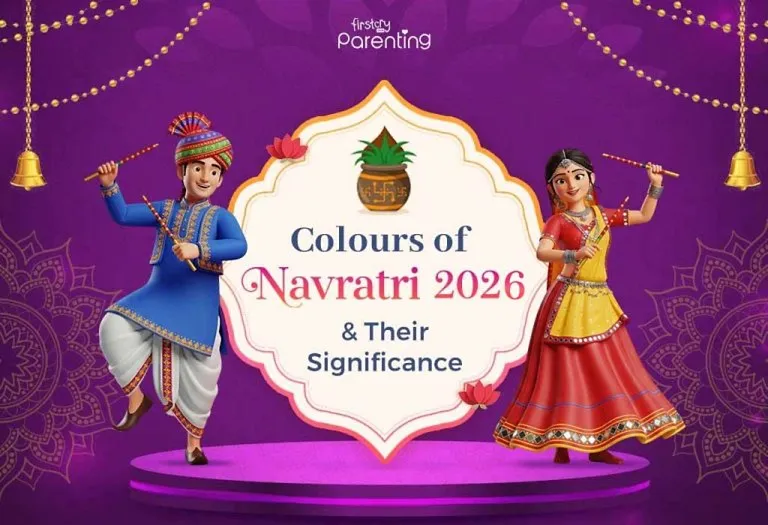
Navratri, the nine-day festival celebrating the victory of good over evil, has started! In the nine days from 11th October 2026 to 19th October 2026, dress up in the vibrant colours depicting the true spirit of the Goddess. Also, get your husband and the kids on board and enjoy a colourful festive season with our complete Navratri dress colours guide!
When the festive season arrives, we ponder the colours to wear in Navratri. How are Navratri colours decided? Why do they change each year? The colours are chosen according to the Drik Panchang, based on the day of the week when the festival begins. Each day’s colour is dedicated to a particular form of Goddess Durga.
From 11th October to 19th October, why not dress up in the Shardiya Navratri festival’s nine colours and celebrate the many virtues of the Goddess? After all, from protecting our children from harm to keeping the family happy to staying brave in all circumstances, women are true warriors!
History and Significance of Navratri
Navratri’s nine colours represent the vibrant and diverse facets of this beloved Hindu festival. Each hue holds a unique significance, collectively creating a visual spectacle that captivates hearts. Beyond its striking visual appeal, Navratri carries profound spiritual meaning, symbolising the eternal battle between good and evil, culminating in the triumph of righteousness. This cultural and spiritual significance of Navratri unites communities, fostering a sense of togetherness and shared faith as they celebrate these auspicious nine nights. Delving into the history of Navratri unveils its time-honoured traditions and customs, offering insights into its enduring importance in Hindu culture. Navratri is not merely a festival; it is a sacred time for invoking blessings and embracing a virtuous path, underlining the deep-rooted importance of Navratri in the hearts of millions.
Navratri Colours List for 2026
Here’s the Navratri colours list 2026 and the meaning behind each shade. Dress up for the festivities with our guide on “Navratri Colours 2026.”
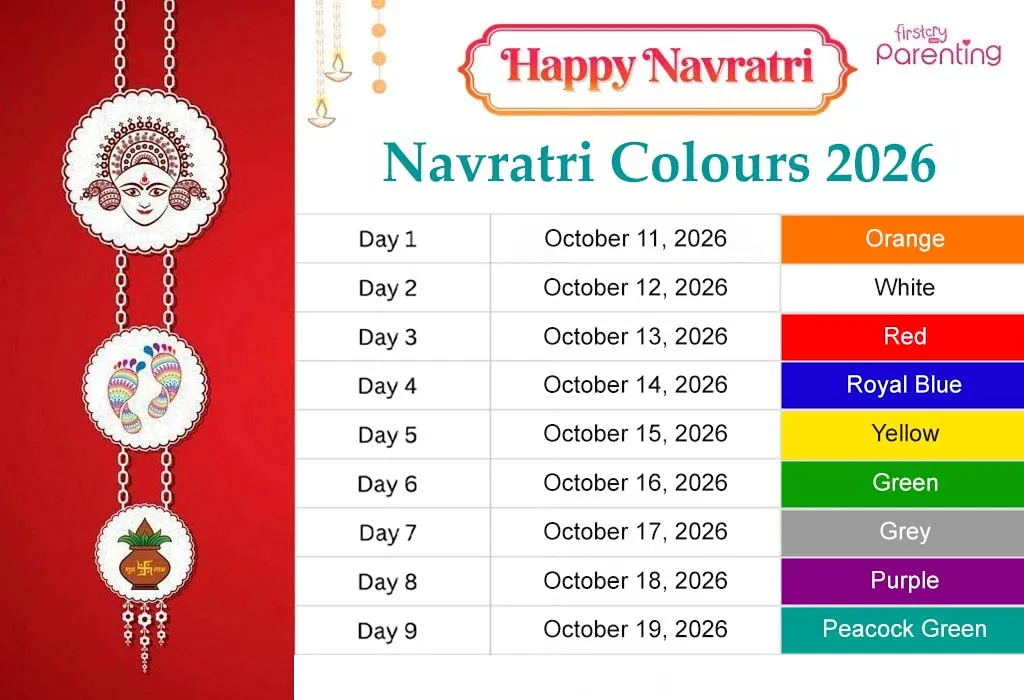
Day 1: 11 October – Orange
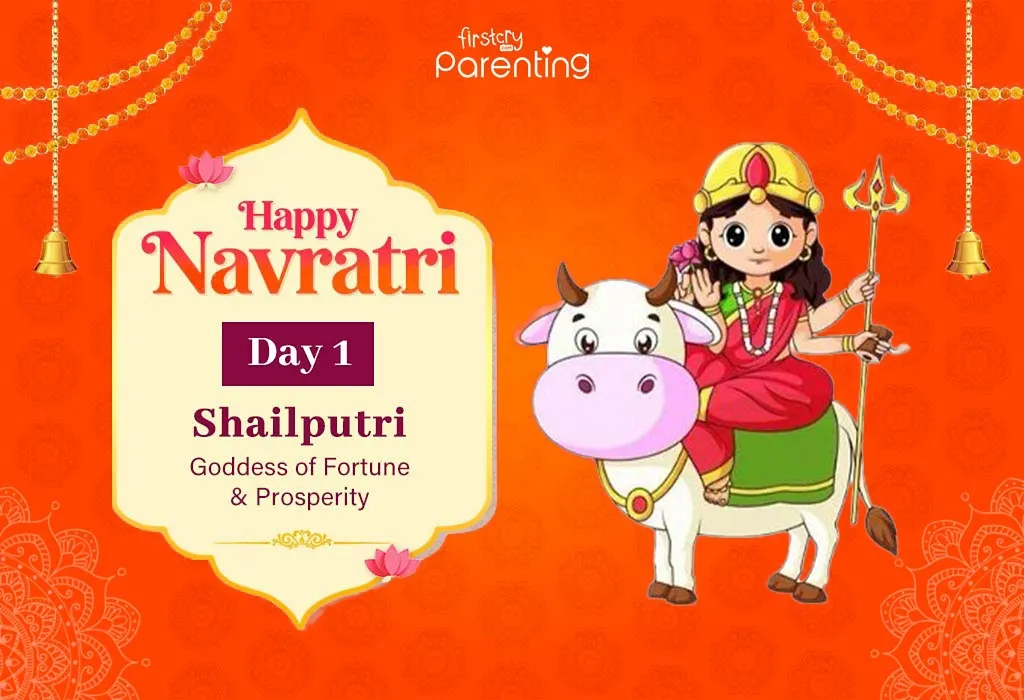
The festivities of Navratri begin with the worship of Mata Shailputri, one of the nine avatars of Maa Durga. She is the first form of Goddess Durga, the daughter of the mountains. With great enthusiasm, devotees install an earthen pot, called Ghatsthapana, on this day and offer a myriad of offerings to Goddess Durga for the welfare of the world.
Start the Navratri festivities with a bright mind and a bright colour—orange—which totally justifies the upbeat and exuberant energy devotees feel in their souls. Orange represents action, liveliness, and enthusiasm. Nothing lights up hearts like a bright shade of orange!
Day 2: 12 October – White
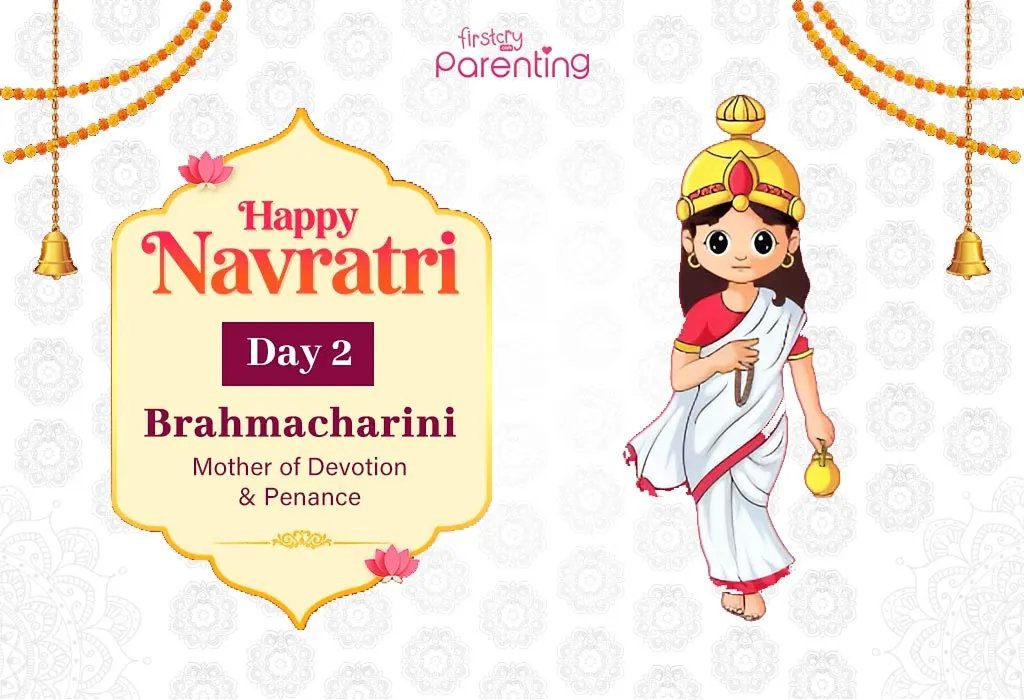
The second day of Navratri is celebrated with the same enthusiasm and full spirit. On this day, Maa Brahmacharini is worshipped as the unmarried form of Mata Parvati. With a rosary in her right hand and a kamandala in the left, Mata Brahmacharini is the epitome of love.
Dressed in a pure white saree, Maa Brahmacharini teaches us about peace, purity, and simplicity. The day’s colour is white, depicting peace, loyalty, and wisdom. Let’s wear white today and pray to Mata Brahmacharini for her immense blessings and inner peace!
Day 3: 13 October – Red
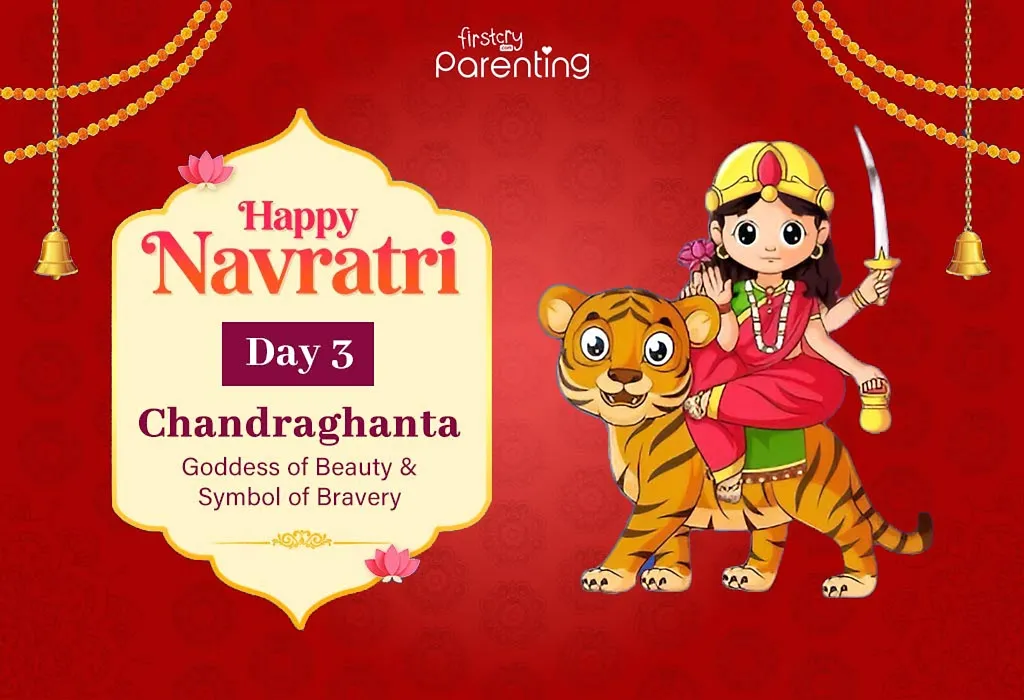
The third day of Navaratri continues with full vigour and enthusiasm. Mata Chandraghanta, who is worshipped on this day, fights against the evil forces in the universe. She adorns a beautiful half Chandra (moon) on her forehead and has eight hands that carry a rosary, pot, chakra, arrow, bow, lotus flower, kamandala, and mace.
Tritiya’s colour is red, symbolising boldness and passion. Red is the most preferred colour for Mata’s chunni. Become calm and radiant like Maa Chandraghanta by wearing a bold and beautiful red this day!
Day 4: 14 October – Royal Blue
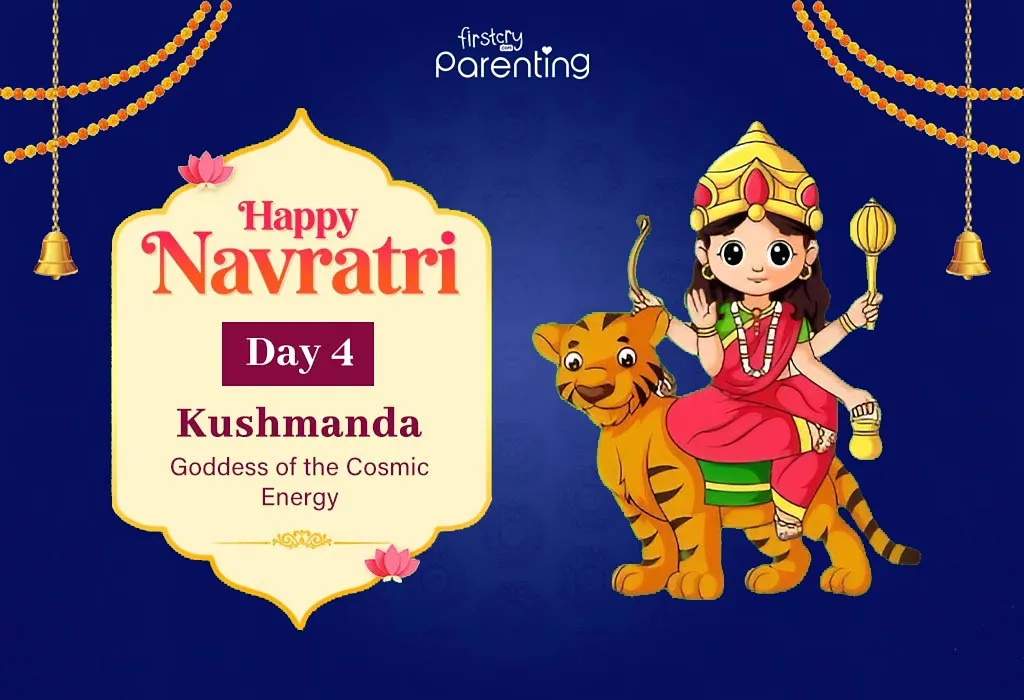
This day is dedicated to Mata Kushmanda, the fourth incarnation of Goddess Durga. According to mythology, she is believed to be the creator of the entire universe—and all through laughter! She blesses her children with glory, fame, and confidence. Devotees wear royal blue attire on this day to invoke blessings of harmony and prosperity.
Let’s all wear royal blue on this day and fill our hearts and each other’s hearts with a warm sense of unparalleled strength and optimism!
Day 5: 15 October – Yellow
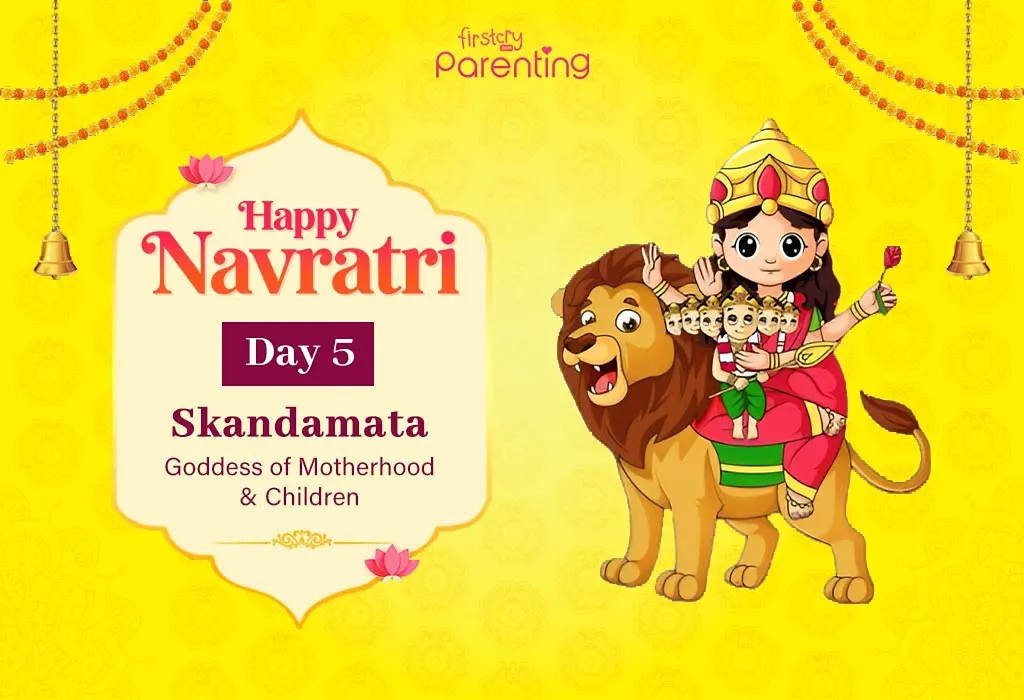
As bright as the glow of the cosmos, wear the colour yellow on this Panchami of Sharada Navratri!
On the Panchami of Navratri, Goddess Skandamata is worshipped. She is the symbol of elegance and richness. With little Karthik, her son, in her arms, Mata Skandamata is the epitome of strength and elegance, yet the vulnerability of a mother. She can become a mighty storm cloud to protect her children if need be.
Day 6: 16 October – Green
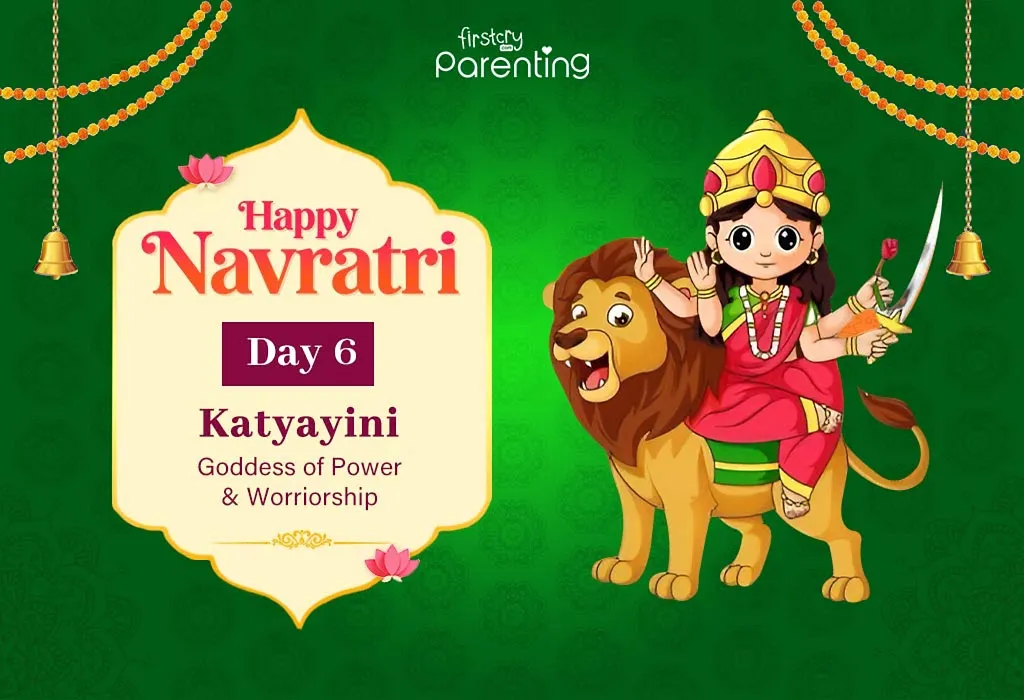
The Sasthi of Navratri is dedicated to Mata Katyayani, an avatar of Ma Durga. The story goes on to say that Maa Durga took the avatar of Mata Katyayani to destroy the tyrannical demon Mahishasura.
Become fearless yet composed like Maa Katyayani by wearing a strong green this day!
Green is the colour of fertility and new beginnings of life, which the Goddess always extends to worshippers. Traditional dresses in green add a subtle style statement that will look just wow on your kids and get them in the festive spirit!
Day 7: 17 October – Grey
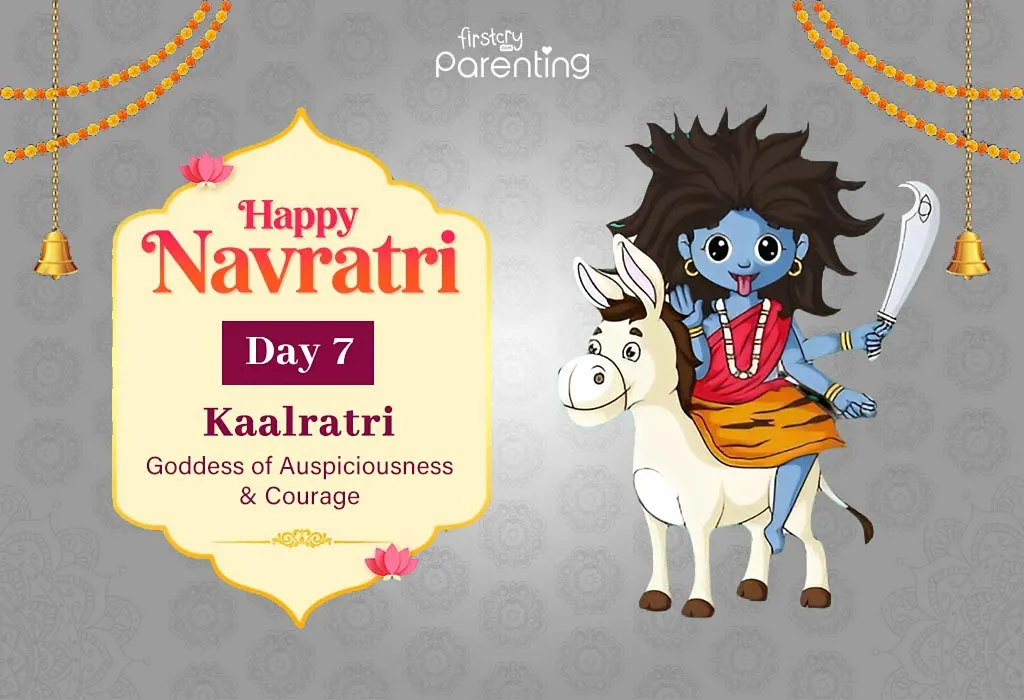
Devotees worship Mata Kalaratri on the seventh day of Navaratri. She is the most ferocious of all Durga avatars and protects against all sorts of trouble. Mata Kaalratri sacrificed her golden skin to slay demons. She is the destroyer of bad omens, spirits, and energies.
Saptami of Sharad Navratri is made colourful by wearing grey clothes. Grey symbolises balanced emotions and a down-to-earth approach to living. You can elevate your style by opting for fancy clothing or donning grey accessories like oxidised jewellery.
Day 8: 18 October – Purple
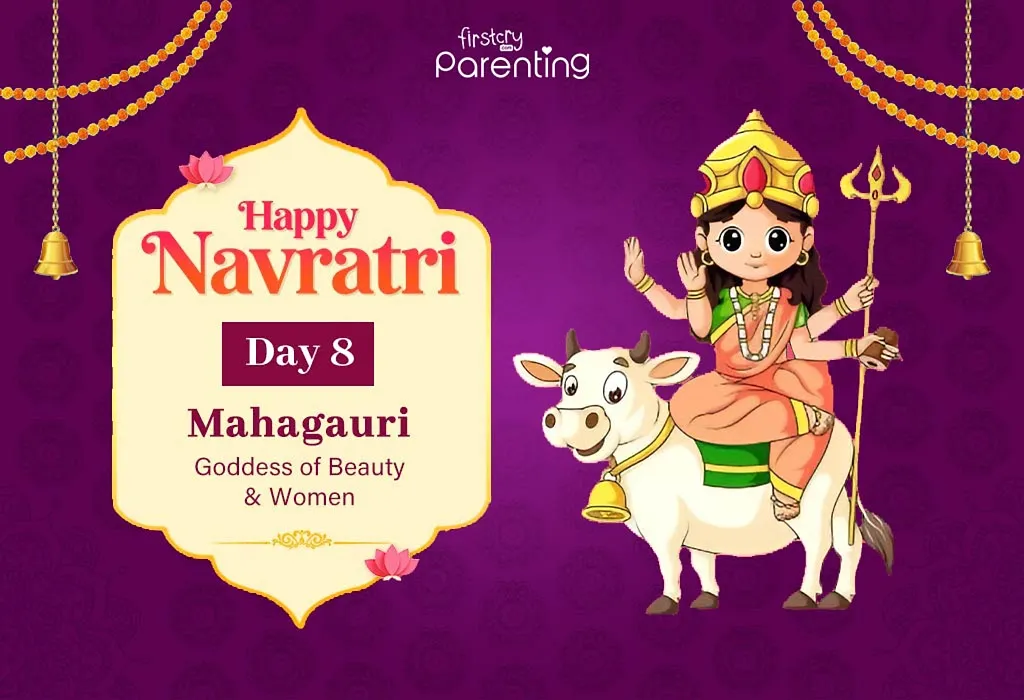
On the eighth day – Ashtami – Goddess Mahagauri is worshipped as the symbol of forgiveness and mercy. It is said that Mata Mahagauri destroys all the sins of time. Legends believe that she is like a shining bright light who brings harmony back into the family after chaos.
Ashtami of Sharad Navratri is made colourful by wearing purple-coloured clothes that is a symbol of luxury and grandeur! May Mata Durga bless you with great opulence, kindness, and forgiveness!
Day 9: 19 October – Peacock Green
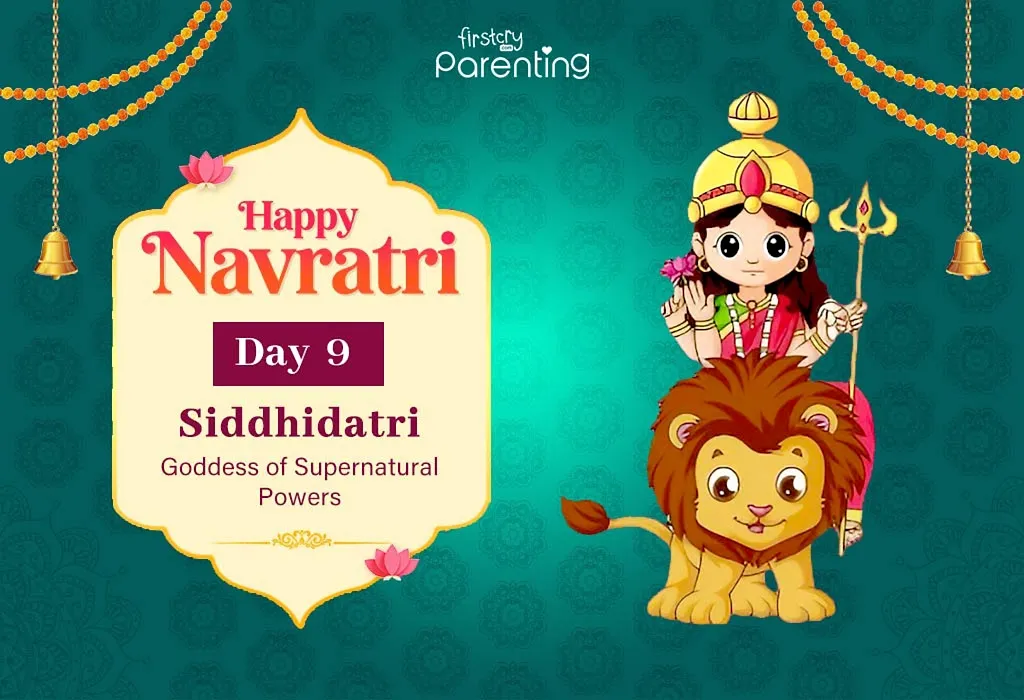
On Navami, Goddess Siddhidatri is worshipped. Hindus worship Goddess Siddhidatri to receive Siddhi (wisdom) and Nidhi (wealth). Maha Navami Puja and Kanya Puja are performed on this day., when devotees welcome little girls into their homes as the avatars of Maa Durga and offer them delicious treats. It is a happening day, and people celebrate the 9th day with great love and devotion towards Maa Ambey.
Colours evoke happy emotions in devotees. During Navratri, everyone comes forward to welcome Maa Durga into their homes and celebrate this auspicious occasion with one another. To elevate the spirit and enthusiasm of people, wear traditional and modern clothes in different colours that are designated to the days of Navratri. Wearing clothes of the same colour brings people together and lights up hearts with joy and divinity. Let us celebrate these ten auspicious days with purity and devotion and bless each other with positive hearts.
Disclaimer: The information for the article is sourced from the Hindu Panchang. We do not claim that the details provided in this article are entirely truthful and precise. Prior to adopting them, be sure to consult with a professional in the relevant field.
🪘🥁🪔🛕Happy Navratri 2026!🪘🥁🪔🛕
Also Read:
Goddess Durga Names
Goddess Kali Names for Baby Girls
Goddess Parvati Names for Baby Girl
Goddess Saraswati Names for Baby Girl
Navratri and Dussehra Facts for Kids
Tips to Dress Up Your Kids for Navratri Festival
Delicious Navratri Fasting Food Recipes You Must Try This Festive Season
Was This Article Helpful?
Parenting is a huge responsibility, for you as a caregiver, but also for us as a parenting content platform. We understand that and take our responsibility of creating credible content seriously. FirstCry Parenting articles are written and published only after extensive research using factually sound references to deliver quality content that is accurate, validated by experts, and completely reliable. To understand how we go about creating content that is credible, read our editorial policy here.
- Author


Related Articles
-

A Wake-Up Call for All Mums and Dads - Some Alarming Situations Your Child May be Facing!!!
-
Beautiful Pongal Wishes, Messages & Quotes for Your Family and Friends
-
Her Son Scored 60% in His Board Exams. Her Response Scores 100% in Parenting!
-
12 Tips to Ensure You are Breathing Fresh Air at Home during the Festive Season
-
We Asked 8 Mompreneurs How They Balance Work & Baby. Their Answers Will Win Your Heart!
-
7 Best Pregnancy Celebration Ideas