
2nd Months Pregnant – Symptoms, Baby Growth, Belly & More





Key Takeaways
- The second month of pregnancy covers weeks 5 to 8, when the embryo develops quickly and major organs begin to form.
- Nausea, fatigue, breast tenderness, frequent urination, food aversions, bloating, and mood changes are common during this stage.
- Your baby is still very small, but the brain, spinal cord, heart, arms, legs, and facial structures are developing at a remarkable pace.
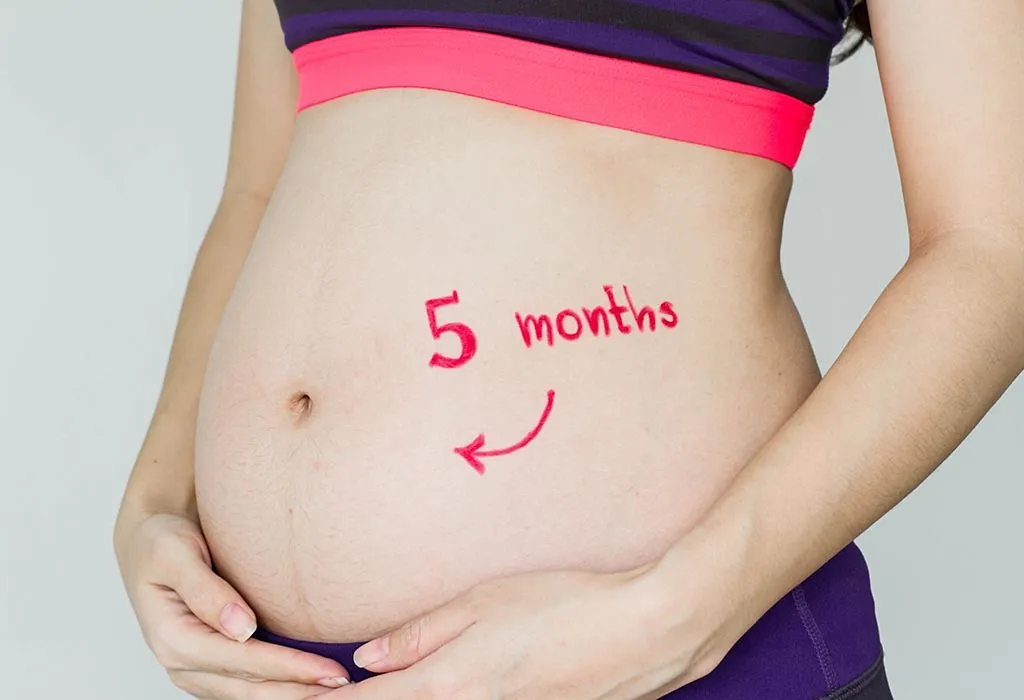
- Your belly may not look noticeably pregnant yet, especially during a first pregnancy.
- Start or continue prenatal care, take folic acid as advised, eat nutritious foods, avoid alcohol and smoking, and speak to your doctor about any medication you use.
The second month of pregnancy marks a crucial period in your baby’s development, as this is when several vital organs begin to form. From the brain, spinal cord, and heart to tiny arms, legs, and facial features, the embryo at two months of pregnancy is rapidly growing at this stage, and significant changes are happening Meanwhile, your body is adjusting to its own set of challenges, including morning sickness, hormonal changes, nausea, fatigue, breast tenderness, changes in appetite, and frequent urination. Yes, these symptoms sometimes make everyday activities challenging, but they are common at this stage.
Keep reading to know more about your baby’s development in the second month, what foods to eat, and helpful tips to smoothly sail this month.
Two Months of Pregnancy Symptoms
By the second month of pregnancy, most mothers start experiencing symptoms that are a giveaway sign of the onset of the new baby. Here are a few of the most common 2-month symptoms of pregnancy to expect during this stage (1):
1. Nausea or Morning Sickness
That typical term you have heard being thrown around by everyone, everywhere. However, nearly all women have discovered that the term is not exactly as it sounds. The nauseous feeling might be evident in the morning but continues to stay throughout the day in varying degrees of strength. It doesn’t have any negative effect on the baby or your health on a biological level. However, the constant feeling of wanting to throw up can cause constant distraction and failure to focus at work. You might also feel that your partner feels differently about you now. On the other hand, many mothers have also claimed that this feeling of nausea, at times, makes them happy to think about the baby and take more care of themselves.
2. Unusual Mood Swings
This, too, is true when it comes to the initial months of pregnancy. Crazy hormones start taking over your body, making you ecstatic and happy one minute and irritated and lethargic the next minute. You might start feeling like a kid yourself, stubborn and unreasonable, and begin to wonder if you could take care of your own baby. Other aspects of family and work might seem monstrous and stressful. Most mood swings are primarily due to progesterone and estrogen, which result in shifting the chemical composition of the brain (2).
3. Frequent Trips to the Loo
Most mothers start calling the bathroom their second home. The feeling to urinate starts dominating a lot and you constantly might feel like taking a leak. This, too, is a result of secreting hCG, a hormone called Human Chorionic Gonadotropin, and will sadly stay with you throughout the pregnancy. Therefore, hydration becomes the highest priority for any budding mother.
4. Increase in Breast Size and Shape
One fine morning, you might notice that your bra does not fit you as comfortably as it used to. And your breasts seem larger than they usually have been. Also, they are quite more sensitive than usual and very responsive to touch. This is because of progesterone and estrogen hormones that are produced during pregnancy to help your body cope with being a mother. They also increase the fat stores in the body, including the breasts (3).
5. Cravings for a Variety of Food Items
Pregnancy cravings have been known to be crazier than the mood swings. The variety of items that mothers have craved ranges from the usual flavoured ice creams or king-size burgers to absolutely weird items such as scented erasers and cigarette ash. A nutritional deficiency can further aggravate it. Succumbing to these cravings is fine as long as they are not harmful and a healthier alternative can be settled for (4).
What Other Unpleasant Sensations Can You Experience?
Here are some more pregnancy symptoms that you may experience (3):
- Salivating excessively
- Aggravated constipation
- Heartburn
- Indigestion and upset stomach
- Losing the usual intensity of appetite
- Headaches and dizziness
- Darkened areolas and nipples
- Anxiety, fear, susceptible to crying easily
- Varicose veins
- Swellings in various sections of the body and changes in skin texture
Two Months Pregnant Is How Many Weeks?
As you enter your second month of pregnancy, you are about 5 to 8 weeks pregnant. Tracking the journey week by week helps with monitoring milestones precisely.
What Happens Inside the Body?
Your body is also going through rapid changes. Some of them include.
1. Increased Salivation in the Mouth
Usually observed in the initial months of pregnancy, most women have more saliva than usual. It could be related to hormones or even the presence of morning nausea, but there isn’t any conclusive evidence for either. This, in any way, does not harm the baby or the mother.
2. Increased Thirst
With pregnancy comes frequent urination and also an increase in the blood fluid volume. This, consequently, requires more water to maintain the right levels within the body. Apart from you, the baby requires a good amount of fluid in the amniotic sac, which is developed using water from your body. This increased need for fluid manifests as increased thirst.
3. Change in Vaginal Secretions
With the number of changes a mother’s body undergoes, the vaginal secretions a woman usually has may change around the 2nd month of pregnancy. The colour might be different, the secretions might be thicker or thinner than usual, and they could be more as well. Unless they smell weird or have a bad odour, these changes are usually normal.
4. Painful Tension in Uterus
A baby is growing in your body, and the signs of two-month pregnant baby development are precisely where the uterus starts making space for the baby. This growth causes the area to be tensed, leading to pain.
Physical Changes at 2nd Month of Pregnancy
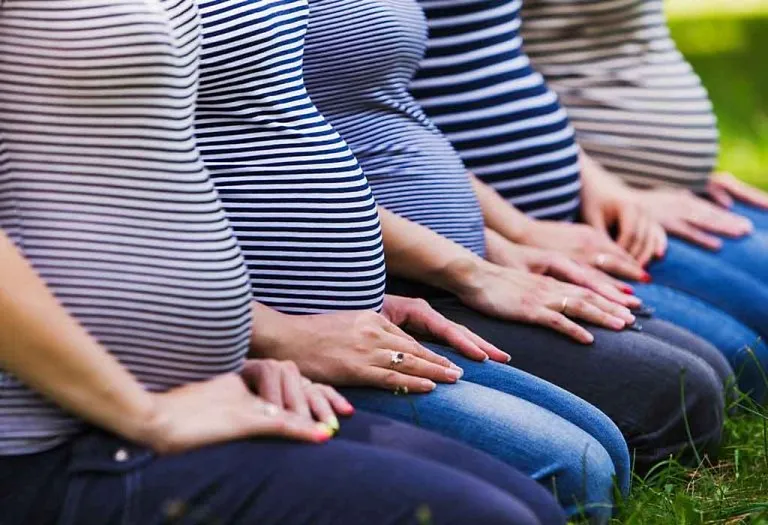
The physical changes are the first signs to indicate the onset of pregnancy. Towards the end of two pregnant months, the foetus grows to a length of roughly 3 cm, leading to your waist being larger than usual. The clothes that would fit you comfortably would be a tad tighter than before, but you should not expect your 2 month pregnant stomach to be very obvious. Breasts increase in size, causing you to ditch your earlier bras, and opt for new cotton ones. Feet might show signs of swelling, and your skin might be dry due to increased dehydration. These aren’t quickly noticeable and will be experienced intimately by you until you declare your pregnancy to the world.
Harmful Infections During Pregnancy
With numerous changes in your body, it becomes slightly susceptible to external infections. Typical viruses and influenza can reach your fetus through the placenta. These can cause critical damage to the developing baby. Hence, around winter, extra precautions are required. It’s best to avoid public transport to be away from crowds and random people. In case you are still working, use nasal ointment drops, such as oxolin and garlic-onion oil. These may give off a strong smell but are a huge defence against inhaling viruses. Make sure your workplace is hygienic and clean and free from sick colleagues.
Foetal Development in the Second Month of Pregnancy
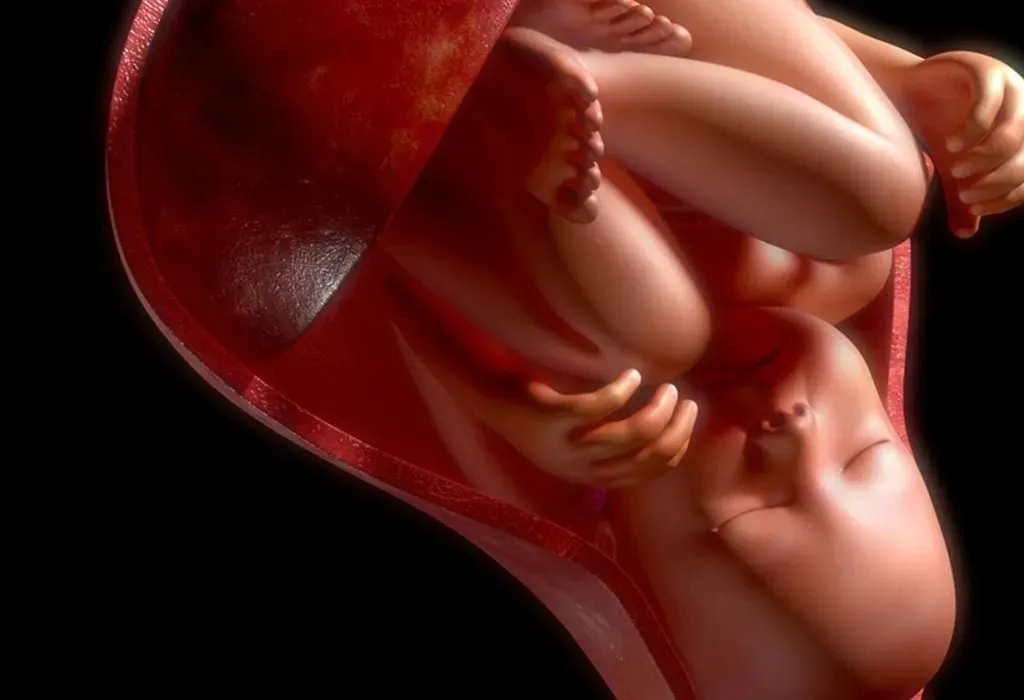
Your baby, at 2 months pregnant, is just in the very initial stages of taking a human form. A 2 months pregnant ultrasound at this stage will reveal your loved one to look no different from an extraterrestrial from a different planet. They usually resemble a curved tube, with a head at one end and buttocks at the other. This tube is where the spinal cord begins to develop, along with the placenta. As tiny as it might seem, the baby’s growth in the 2nd month of pregnancy is nearly ten thousand times the very first stage of its existence. The facial features, including the eyes, nose, and ears, begin to slowly appear on the head, while the forehead stays gigantic. Your doctor might make you listen to your baby’s heartbeat around the 6th week of pregnancy. In this period, genitals and limbs also form, although barely distinguishable. Most of the body organs have already commenced development by this stage (5).
Two Months Pregnancy Ultrasound
The OB-GYN may schedule your first ultrasound between 6 and 9 weeks to confirm the pregnancy, check for the chances of an ectopic pregnancy, or estimate your due date, or to learn how far along you are. In case of an early ultrasound at this stage, it is most likely to be transvaginal and not abdominal. The ultrasound will check the gestational sac, yolk sac, and heartbeat of the 2 months foetus, which is about the size of a raspberry.
Twins at Second Month of Pregnancy
Twins at 2nd month of pregnancy will measure the same size as a singleton baby at 2 months. Since twins are super small at this stage, it might be challenging to see both fetus. There’s a chance that during the ultrasound one fetus could be hiding behind the other, making it look like a singleton pregnancy. This scenario is quite common of the twins are identical or share the same gestational sac. In further ultrasounds, both your twins will be visible clearly.
Tests 2 Month Pregnant Women Should Perform
By the initial months of pregnancy, many budding mothers visit their doctors or a maternity clinic. Your weight and blood pressure are primarily checked for normalcy. These are followed up by collecting blood and urine samples for a general analysis. These include checking for sugar and protein and diseases such as AIDS and syphilis. A body checkup might also be conducted, and examinations by ENT doctors, dentists, etc., are also done. Your gynaecologist will ask you for a vaginal smear examination.
These tests and some others are required to check normal progress in pregnancy. A haemostasis check ensures the coagulation capability of your blood is normal. Physical checks for swelling and varicose veins will also be conducted. If you and your husband fall within a certain blood group combination, an additional analytical test for immunoglobulins might be required. If you suffer from thyroid problems, this is the type to meet your endocrinologist and get yourself checked (9).
Diet During 2nd Month Pregnancy
In your 2nd month of pregnancy, what to eat should always be answered with as much nutritional food as possible. The myth of eating for two humans should be discarded in favour of a healthy and balanced diet. Vegetables, fruits, a large number of fluids, cereals, and specific types of meat are all the constituents that can come together and form the perfect diet plan for you. Apart from food items, there are certain vital nutrients and vitamins such as calcium, folic acid, zinc, iron, iodine and vitamin D that have a bunch of advantages and benefits. Green vegetables and citrus fruits are prominent in folic acid, while dairy products are a great source of calcium. Apart from these, most doctors recommend consuming supplements for the same since these are essential in preventing any birth defects in the initial stages of growth (8).
Tips for To-Be-Dads
Carrying a pregnancy is not just a woman’s responsibility. Fathers, too, play an important role in helping new mothers cope with the changes and demands of the pregnancy. Here’s how fathers can be a solid foundation in the initial months and throughout pregnancy. Ensure that the expectant mother eats a diet is balanced and healthy, and tasty at the same time, Understand the vegetables and foods to be brought in, along with which ones provide the necessary nutrients, can be quite helpful in putting together a meal.
- Cravings and mood swings can pose another set of challenges, and mothers might have problems coming to terms with them.
- Soon-to-be fathers can ensure that they continue to make them feel loved and supported through this journey and keep stress levels at a minimum. An environment of safety and care is essential for the baby, even when it is growing inside the mother.
Tips for Mothers
Ease into your pregnancy with these suggestions.
1. New Comfortable Bras
With an increase in breast size, you will need a bra that makes their shape look good and provides the right support for them. A cotton bra works wonders since your breasts will be tender and sensitive at this stage.
2. Avoid Sickness
Nobody gets sick on purpose, but it’s great to take all the necessary precautions to avoid it from occurring at all. Washing hands properly with sanitiser and clean water before eating or preparing food goes a long way in keeping you healthy. Avoiding crowds and areas susceptible to various germs and organisms is also necessary. The use of nasal sprays or certain oils can help you set up the first line of defence.
3. Healthy Diet
Cravings will occur, but care must be taken to avoid heartburn or indigestions. Consuming chocolates, citrus juices, mustard, and fried foods is criminal in this regard. The baby already causes nausea, and consuming these will further aggravate it.
4. Regularity
Timely meals and routines are a necessity. These keep your body informed and help you time activities properly. The inclusion of water and fibrous foods reduces constipation, setting a cycle of bowel movements at the right times.
5. Skin Care
Pregnancy brings increased dehydration so it’s best to replace soaps with moisturising gels or bath oils. In case of using any chemical creams for treating skin conditions, it’s best to discuss with your doctor and look for natural alternatives.
6. A Lot of Rest
With so much happening inside your body, it needs a lot of rest than usual. A rested body and a relaxed mind are essential in keeping stress levels low and supporting the continued development of the baby.
When to Call the Doctor?
While many symptoms during the second month of pregnancy are normal, certain signs require immediate medical attention. Here are a few signs that indicate you should contact your doctor:
- Severe abdominal pain
- Heavy bleeding or passing large clots
- Dizziness
- High fever (above 100.4°F or 38°C)
- Persistent vomiting
- Unusual discharge, especially if it has a foul odour or is accompanied by itching
- Severe headaches
- Painful or frequent urination that may indicate a urinary tract infection (UTI)
FAQs
1. Can I continue exercising during the second month?
In most cases, moderate exercise is safe and even beneficial during early pregnancy. Low-impact activities like walking, swimming, and prenatal yoga can help you stay fit. However, consult your doctor before starting or continuing any exercise routine, especially if you have any complications or concerns (7).
2. Is it safe to travel during the second month of pregnancy?
Travel is safe during the second month as long as your pregnancy is progressing normally. However, it’s a good idea to avoid areas with limited medical facilities and consult your doctor before planning long trips (6).
3. Is the belly of 2 months pregnant very obvious?
No, the belly of 2 months pregnant is not very obvious as your pregnancy is in the beginning stage, but you will feel bloated as your clothes feel tight to you. It will progress as your baby develops.
4. Can you feel the baby move at two months?
No, you cannot feel any movement of your baby at two months of pregnancy as the fetus is quite small. It is not until 16-22 weeks that you’ll feel any movement. If you feel there’s some rumbling, it could be flatulence.
5. Can you sleep on the stomach during the second month of pregnancy?
Yes, you can sleep on your stomach in the second month of your pregnancy as your fetus is not that big. However, sleeping on the left side is always safe and advised.
6. Is sexual intercourse safe for the pregnancy in the second month?
If your pregnancy is healthy and progressing well, you can engage in sexual intercourse after consulting your doctor. It is safe and will not harm the fetus. The essential thing is to find the position you are comfortable in and not heat up the body too much.
The beauty of pregnancy has just begun, and it definitely comes with its own set of challenges. The initial months, primarily, are demanding as well as exciting for both the parents. By keeping the right tips in mind and taking precautions during the second month of pregnancy, the journey of the baby’s growth will begin on the right note and continue forward with no issues.
References/Resources:
1. University of Illinois Hospital – YOU AND YOUR BABY: MONTH-BY-MONTH
2. National Library of Medicine – First time pregnant women’s experiences in early pregnancy
3. Office on Women’s Health – Stages of pregnancy
4. NHS – Signs and symptoms of pregnancy
5. NHS – Week 6
6. Stanford Medicine Children’s Health – Work and Pregnancy
7. Tommy’s – How active should I be in pregnancy?
8. UNICEF Parenting -What to eat when pregnant
9. Nemours KidsHealth – Prenatal Tests: First Trimester
Also Read:
3 Months Pregnant
4 Months Pregnant
5th Month of Pregnancy
Diet for 2nd Month of Pregnancy (5-8 Weeks)
Was This Article Helpful?
Parenting is a huge responsibility, for you as a caregiver, but also for us as a parenting content platform. We understand that and take our responsibility of creating credible content seriously. FirstCry Parenting articles are written and published only after extensive research using factually sound references to deliver quality content that is accurate, validated by experts, and completely reliable. To understand how we go about creating content that is credible, read our editorial policy here.
- Author

Related Articles
-

7 Months Pregnant: Symptoms, Baby Growth, Body Changes, and Care
-
How Long is the 1st, 2nd & 3rd Trimester of Pregnancy?
-

3 Months Pregnant: Symptoms, Belly, Body Changes, & Diet
-

4 Months Pregnant - Symptoms, Belly, Baby Growth & Care
-

Third Trimester of Pregnancy - Symptoms, Body Changes & Diet
-

2nd Trimester Pregnancy - Symptoms, Baby Growth & Body Changes