

















.svg)
.svg)
.png)


Stages Of Pregnancy
Suggested articles for you

2nd Trimester Pregnancy – Symptoms, Baby Growth & Body Changes
The second trimester of pregnancy is often described as the “honeymoon period,” as it is more comfortable for many expectant mothers. With morning sickness and nausea troubling you in the first trimester, you may notice a welcome boost in energy and appetite as you enter your second trimester. At the same time, your growing baby and changing hormones can bring noticeable changes to your body, including a growing belly, breast changes, skin changes and occasional aches. This is also a period when many women begin preparing more actively for their baby’s arrival. Eating a balanced diet and moderate exercise is essential during this stage to support your health and your baby’s growth and development. This guide focuses on what to expect from your 2 trimester of pregnancy, from common symptoms and body changes to nutritional needs.
What Is the Second Trimester of Pregnancy?
With a total of nine months of pregnancy, the three trimesters involve three months each. By second trimester definition, we mean that the second trimester takes place from the fourth to sixth month of pregnancy, or in other words, the 2nd trimester weeks include week 13 to week 28 (1). This is when most women begin to look pregnant as their belly starts getting bigger, and those who have not yet made their pregnancy known to their friends and family do so at this time.
What Are the Second Trimester Pregnancy Symptoms?
Most women say goodbye to morning sickness in the second trimester of pregnancy, but expect the other symptoms from the first trimester to carry on in the second. Not only that, but there may be some new 2nd trimester symptoms
to look out for. Here are a few:
1. Breathlessness
Even mundane activities such as walking to the kitchen may make you feel quite breathless. This is normal because as the uterus grows, it pushes into the diaphragm, which in turn pushes against your lungs, making it harder for the air to go in and out. If your breathlessness seems to be severe, or if you feel faint after activities, you should consult with your doctor.
2. Abdominal Aches
Your uterus is growing and stretching the ligaments surrounding it. This is why you may experience some discomfort in your abdominal area during the second trimester.
3. Quickening
By around week twenty, you should be able to feel flutters of movement in your belly. This is something known as quickening and is the first delicate movements of your baby (2). Some women only experience this from their sixth month. If you begin to feel “blips” towards the end of your second trimester, don’t worry. Your baby just has the hiccups.
4. Emotional Changes
Your hormones are still in overdrive, but you are more likely to be used to them now as you have had three months of experience already. You may find that you have a bit more control over your emotions now. Feeling nervous or anxious is quite normal (3).
5. Back Pain
Your back is going to feel the pressure from all the weight you are carrying. It helps to use chairs that provide good back support. Wear comfortable shoes and do not try to carry anything heavy. When you sleep, lie down on your side and tuck a pillow between your legs (2).
6. Leukorrhea
The milky white discharge during pregnancy in the second trimester is called leukorrhea, and it is experienced by women during pregnancy. Use a pad or panty liner to help keep things clean, but do not use a tampon as this may carry germs into the vagina.
7. Frequent Urination
Your first trimester probably involved many trips to the loo, but because your uterus will rise away from your pelvic cavity during the second trimester, you will be relieved to know that frequent urination during the second trimester will not be so strong. Enjoy the break though because your third trimester will send you running right back.
8. Bleeding Gums
Hormonal changes cause at least 50% of pregnant women to experience sore and sensitive gums as more blood rushes to the area. This will stop after you have your baby. In the meantime, switch to a toothbrush with soft bristles and be gentle while cleaning your teeth (4). Pregnant women who have gum disease may be more prone to going into preterm labour and may even have a baby with low birth weight.
9. Congestion and Bleeding Nose
The mucous membranes that line your nose will start to swell and can lead to a stuffy nose. This may cause you to snore or your nose to bleed. Try steaming and other natural methods rather than using decongestants. If you experience nosebleeds, keep your head straight and apply a little pressure to the nostril until the bleeding stops (1).
10. Headaches
Almost every pregnant woman will experience headaches. It is one of the most common complaints. Get plenty of rest. You should not take any of the medications you usually take for headaches, such as aspirin, but instead, consult your doctor about the medication that is safe for you to take during your pregnancy.
11. Constipation and Heartburn
During pregnancy, your body produces more of a hormone called “progesterone, which relaxes some muscles such as the ones that move the food you have digested through the intestines and the ring muscle of your lower oesophagus, which is what keeps the food and acids down in your stomach. Try eating smaller meals a day and include more fibre in your diet.
12. Haemorrhoids
The swollen blue and purple veins around the anus are called varicose veins. These may enlarge during your pregnancy as there is increased pressure on them from your constantly growing uterus. To get relief from this, sit in a warm bath or ask your doctor to prescribe you some medication.
How Does the Foetus Develop During the Second Trimester?
Your baby is very busy growing this trimester. Once the second trimester ends, you will have a 1 kg baby in your tummy. Your baby may even begin to kick you. Here is how your baby grows during the second trimester of your pregnancy:
1. Hair, Skin, and Nails
Your baby’s first hair will begin to grow at around 15 weeks, and his eyelashes and eyebrows will begin to grow during week 22. Your baby’s skin will be covered in something resembling a fur coat called lanugo. By week 19, your baby will be covered in a greasy layer of oil and dead skin cells called vernix caseosa. This will protect your baby from the amniotic acids in your stomach. This will be shed before your baby is born (5).
2. Senses
By week 22, your baby will be starting to experience smell. His eyes and ears will also be moving into the correct places and opening, meaning he is beginning to see and hear.
3. Brain
Your baby’s brain is developing fast, enabling him to use all of the senses that are being developed. By week 23, his little brain will help him to blink.
4. Heart
Week 17 brings with it a more regulated heartbeat instead of a simple, spontaneous beating. At week 20, you should be able to hear it with a stethoscope. Capillaries begin to form to carry all that oxygenated blood throughout the body at 25 weeks.
5. Digestive System
At the beginning of your second trimester, your baby will have an already developed digestive system. During the second trimester, he will also learn to suck and swallow. He will even be able to taste the food that you eat through the amniotic fluid. This will determine his preferences later in life, so be sure to eat plenty of fruits and vegetables. Even though all the nutrition your baby gets is through your placenta, your baby’s waste system will be working well now too, and your baby will be peeing every 40 minutes.
What Body Changes Happen During the Second Trimester?
While the second trimester is comparatively more comfortable than the first and third, there are some changes in your body that you should be aware of.
1. Hormonal Changes
Sudden changes in oestrogen and progesterone, and the amount and function of many other hormones, will cause various changes in your body that not only affect your mood but also help in the development of your foetus and will also impact the amount of physical exercise you can manage.
2. Sensory Changes
Your sight, taste, and smell will all change during pregnancy. Some women experience nearsightedness, blurred vision or may have irritation when wearing contact lenses. Women also experience changes in their taste buds as they begin to prefer more salty or sweet foods and have a higher tolerance for sour foods as well. Some women claim to be more sensitive to different scents during pregnancy.
3. Breast Changes
While the soreness may reduce, the Mayo Clinic states that your breasts are going to get much bigger during your second trimester as they prepare themselves to breastfeed your baby. It is wise to invest in a good supportive bra (6). During the second trimester, most women will begin to leak a thick yellowish substance, called colostrum, and this is the first milk produced by mothers.
4. Cervical Changes
During pregnancy and labour, the cervix (entry to the uterus) undergoes a few changes. The tissue of the cervix becomes thicker and firmer. A few weeks before you are due, the cervix walls become soft and may dilate slightly.
5. Skin Changes
Hormonal changes result in a “pregnant glow” for most women. This is because the change in hormone levels makes your face look flushed. Some women may go through facial skin darkening, which is known as “the mask of pregnancy”. A dark line forms down the middle of the abdomen, and the expanding skin causes stretch marks (6). These should all go back to normal once your baby is born.
6. Hair and Nail Changes
Your hair and nails also change. Some women experience hair loss during their pregnancies. Others experience the complete opposite and instead have much thicker hair that sometimes also grows in unwanted places.
With nails is a similar story: while some experience faster nail growth, others find that their nails are more brittle.
7. Spider and Varicose Veins
Expect your blood circulation to increase as your body adjusts to send extra blood to your baby. All that extra blood flow causes small red veins, or spider veins, to show on your skin.
The pressure from your growing baby can cause the veins in your legs to become swollen, and they will appear to be purple or blue. These are called varicose veins. There is no real way of stopping these, but moving around more and avoiding being seated for long periods can make you more comfortable and can prevent them from becoming worse. These should all fade after you deliver.
How Much Weight Gain Is Normal in the Second Trimester?
With your morning sickness gone, your appetite should be growing, and while it is tempting to give in to all the cravings you have, try to stick to a balanced diet, as you should not gain too much weight. As per the American College of Obstetricians & Gynecologists, the desired weight gain during the second trimester is 1 pound or ½ kg per week (7).
What Tests and Scans Are Done in the Second Trimester?
The three most common pregnancy problems are preeclampsia, gestational diabetes, and hypertension. In order to rule out preeclampsia, the protein content in the urine will be checked. For gestational diabetes, glucose screening is usually performed at the end of the second trimester. You will need to go in for another blood test during weeks 15 and 20, during which time an ultrasound will be recommended in order to establish your baby’s due date.
What Exercises Are Safe During the Second Trimester?
Pregnancy can be extremely draining, but exercise in pregnancy 2nd trimester can help you a lot. Women who exercise during pregnancy will experience fewer backaches, a better body image and more energy. Here are a few exercises to try:
1. Pile
You will need to stand parallel to the back of a chair. Rest one arm on the back of the chair and place your feet hip-distance between them. Pull your belly in and bend your knees, lowering your body without bending your torso. Straighten your legs and repeat.
2. Plank
First, get on your knees, keep your wrists directly parallel to your shoulders, and then straighten your legs. Do not let your tummy hang or arch your back.
3. Curl and Lift
Sit on a chair and keep your back straight. You should have two weights with you, each about 5 to 7 pounds. Keep your arms bent and parallel to your thighs. Slowly lift your arms, keeping the elbows bent, until the weights are at shoulder height. Straighten and go back to the starting position.
What Should You Eat & Avoid During the Second Trimester?
As your baby grows, it is expected that you should feel hungrier. It is important to keep a balanced diet so that your baby gets all the right nutrients he needs to grow. Below we’ll see the foods to eat in the second trimester as well as second trimester foods to avoid.
Foods to Eat
Choose different vegetables each day. Make sure your plate is always colourful. In the second trimester, including fruits in your diet is a must (8).
Add starchy whole grain carbohydrates such as bread, rice, potatoes, pasta, and cereals.
Include low-fat dairy to ensure you are getting enough calcium.
Eat foods rich in protein, such as meat, fish, lentils, and eggs.
Have some oily fish once a week for omega-3, which will help in your baby’s brain development.
Instead of having snacks like chips and cookies, try having healthier snacks such as toast, fruits, sandwiches, etc.
Foods to Avoid
Liver and liver products, as they have toxic levels of vitamin A
Some fish like swordfish, shark, and marlin
Raw or undercooked meat, eggs, or fish (9)
Unpasteurized cheese
Coffee; you can always switch to decaf if you really crave coffee
Alcohol (10)
Second Trimester To-Do List: What Should You Do?
It is always best to make two to-do lists: one dedicated to medical and health issues and the other dedicated to other logistics. Here we have some suggestions to help you take care during the second trimester of pregnancy:
Medical and Health List
Schedule your doctor’s appointments and make sure to keep them.
Make sure to get all your dental work done to avoid any unnecessary problems.
Join a pregnancy exercise program or look into some exercises you can do at home.
Stick to a healthy diet.
Decide if you want the help of a doula at the time of labour.
Look for parentcraft or antenatal classes to help prepare for the later stages of pregnancy.
Keep track of your weight. Do not fall for the “eating for two” business and remember that you should only be consuming 300 extra calories each day.
Sleep on your left side as it increases the flow of blood to the placenta.
The NHS reminds to take necessary vaccinations during pregnancy to safeguard your baby and yourself. Your doctor may recommend the flu vaccine, whooping cough vaccine, respiratory syncytial virus (RSV) vaccine, and more at different stages of pregnancy (11).
Other Logistics List
Go shopping for maternity clothes. You will need to be comfortable for the rest of your pregnancy as you will be doing a lot of growing.
Sit with your partner and discuss baby names.
Make a budget, as you are now going to need to spend a lot of money before and after your baby arrives. It is good to plan for these things, so you do not run into any problems later.
Baby-proof your home and remove anything that may not be child-friendly. You can also take pleasure in decorating your baby’s room.
What Precautions Should You Take During the Second Trimester?
Here are some precautions that you need to take during the second trimester of your pregnancy:
Only take supplements that have been prescribed by your doctor.
Be sure never to sleep on your stomach, or you may suffocate your baby.
Avoid self-medicating at all costs and always consult your doctor if you feel ill.
Do not lift heavy objects or do anything too strenuous.
What Are the Warning Signs During the 2nd Trimester of Pregnancy?
Some warning signs that you should watch for are:
Bleeding, which can mean an ectopic pregnancy or a miscarriage.
Extreme dizziness.
Severe cramping or abdominal pain.
Rapid weight gain or rapid weight loss.
Foul-smelling discharge or if it is any other colour, like green, yellow, clear or bloody.
Persistent and severe headaches, abdominal pain and swelling typically occur when a mother is 20 weeks pregnant. These are the signs of preeclampsia.
Low activity levels in your baby after you are 6 months pregnant could mean trouble if your baby was very active.
FAQs
1. Is it normal for morning sickness to improve in the second trimester?
Yes. Nausea and vomiting often improve as you enter the second trimester. However, some women may continue experiencing them beyond the first trimester.
2. Why am I feeling hungrier during my second trimester?
Increased hunger can occur due to hormones and your body’s continuous functioning for the development of the fetus in the second trimester. Focus on balanced meals and nutritious snacks rather than simply increasing portion sizes.
3. Is it normal to experience back pain and body aches during the second trimester?
Mild back pain and other aches can occur as your body changes and your uterus grows. If you experience severe or persistent pain, it should be discussed with your doctor.
4. Do I need to eat extra food during the second trimester?
You generally do not need to “eat for two.” But it is important to consume a varied diet containing vegetables, fruits, whole grains or other starchy foods, protein and dairy or alternatives.
5. What should I eat during the second trimester to support my baby’s growth?
You can choose from a variety of nutrient-rich foods and balance them in your meals throughout your pregnancy, including vegetables and fruits, whole grains, protein-rich foods and dairy or suitable alternatives.
6. Should I be worried if my body changes differently from other pregnant women?
No. It is important to understand that pregnancy symptoms and physical changes vary considerably between women. If a woman experiences morning sickness in her first trimester and the other one doesn’t, then it doesn’t mean that there is something wrong with the latter one. If you notice any sudden, severe, or worrying change, discuss it with your doctor or midwife as a priority.
While all this preparation may sometimes make you anxious and nervous about what is to come, remember to relax and as long as you follow through with everything on your checklist – keeping a well-balanced diet, drinking lots of water, and getting plenty of rest, but also putting in some time to do some daily exercises- you will be just fine. Your doctor will be able to guide you through this and answer any questions you may have. In the end, you can hold your baby in your arms and all the discomfort during these months won’t seem so bad.
Also Read:
Second Trimester Diet Plan
Second Trimester Complications
Second Trimester Sleeping Positions
Things to Do and Avoid in Pregnancy Third Trimester
Read more





First Trimester of Pregnancy – Symptoms, Body Changes & Diet
The first trimester of pregnancy is the first 12 weeks after conception, during which your baby’s major organs begin developing and your body undergoes significant hormonal and physical changes. Common 1st trimester signs include missed periods, nausea, fatigue, breast tenderness, mood swings, and frequent urination. According to the World Health Organization (WHO), pregnant women should have their first antenatal care contact within the first 12 weeks of pregnancy (1), highlighting the importance of this early stage for maternal and fetal health.
In this article, you’ll learn about the most common symptoms experienced during the 1st trimester of pregnancy, the body changes that occur week by week, essential prenatal care, and the best diet and nutrition tips to support a healthy pregnancy for both mother and baby.
What Is First Trimester of Pregnancy?
The first trimester of pregnancy is the initial stage of pregnancy, lasting from week 1 to the end of week 12. During this period, your baby grows rapidly from a fertilised egg into a developing fetus, with major organs such as the brain, heart, spinal cord, and limbs beginning to form (2). Although your baby is still very small, the first trimester weeks are among the most crucial stages of pregnancy because they lay the foundation for healthy growth and development.
1st Trimester of Pregnancy Is How Many Weeks?
The 1st trimester of pregnancy lasts 12 weeks, beginning on the first day of your last menstrual period (LMP) and continuing through the end of week 12. Although conception usually occurs about two weeks after your last period, healthcare providers calculate pregnancy from the LMP because it provides a consistent way to estimate the due date (3).
How Long Does the First Trimester Last?
The moment you start planning to have a baby, or you get pregnant, you may come across various pregnancy terms and your first trimester is one of them. If you are wondering what is the first trimester and how long it may last? We have all the answers for you! Your first trimester is the first three months of your pregnancy that starts with your first week of pregnancy and transcends into the second trimester by week thirteenth. You can easily establish your first week of pregnancy if your periods are regular, however, for women with irregular periods, it may get little tricky.
First Trimester Symptoms
If you are pregnant, then you may be eagerly waiting for the pregnancy symptoms to show. Here we will discuss some very common pregnancy or your first-trimester pregnancy symptoms (4):
Your period stops: The first pregnancy symptom that you may notice is no menstrual period; this is because your body begins producing progesterone, which makes your period stop till you deliver your baby.
You may experience spotting: It is very common to experience spotting in your first month of pregnancy because the egg implants itself to the uterus. The implantation process may cause spotting and cramping, however first trimester bleeding is not common and should be reported to the doctor (5).
Breast tenderness: Your breasts may become sore and tender to touch. The areola or the dark area around the nipples become darker. You may even notice veins on your breasts (6).
Changing moods: You may find yourself battling with changing moods, which is a very common pregnancy symptom. This happens due to the changing pregnancy hormones.
More loo trips: The flow of the blood increases around your pelvic region to support your baby’s growth and development. The kidneys need to work harder to accommodate the increased fluid in the body. This leads to pressure on the bladder and thus more loo visits (7).
You may experience fatigue and tiredness: There are too many changes happening inside your body and your body needs to work hard to accommodate all that. This may make you tired and exhausted (6).
You may experience constipation: Your body starts working differently because of changing hormones and thus may impact how your muscles work too. Progesterone relaxes your muscles and starts preparing it for the upcoming childbirth, and this makes other things slower in your body too. The food passes slowly through the intestines leading to constipation.
You have food cravings and aversions: You may find yourself craving for certain food items that you may have despised in the past. On the contrary, your favourite food may no longer tempt you. Food craving and aversions are very common in pregnancy, and it is different for every woman (8).
Nausea and vomiting: This can happen within two to three weeks into pregnancy. This is also called morning sickness; however, you may feel it at any time of the day (9).
The feeling of heartburn: You may experience acid reflux or heartburns too. These are temporary symptoms that are present due to the hormonal disturbance in the body and may subside as you move ahead in your pregnancy journey.
Apart from the above-mentioned symptoms, it is very common to feel first-trimester cramping, dizziness, headache or backaches. These are all very common pregnancy symptoms that tell you that your body is undergoing changes.
First Trimester Foetal Development
You may be intrigued to know what is going inside your body or how your baby is developing. Your baby grows tremendously in the first three months that is from a single fertilised cell or zygote to a plum-sized bundle that begins growing arms, legs and various other organs. Here is a peek-a-boo on your first-trimester baby or the foetal development in the first trimester (10):
By 6 weeks your baby’s body starts developing with tiny limbs sprouting and at around 10 weeks, the fingers and toes start developing too.
Your little one’s skin starts forming between 5 to 8 weeks, and the nail beds and hair follicles start forming at around 8 weeks.
Your baby’s eyesight, which includes optic nerves and lenses start developing by week four, whereas the retina begins forming by week eight.
Your baby’s heart begins forming by week five, but it will become more structured around week 9 or 10 when you will be able to listen to your baby’s heartbeat for the first time.
The brain development begins around week eight.
The digestion system begins forming around week eight.
Your baby will develop the sense of touch at around week eight, with the formation of receptors on the lips and nose. The receptors will form on the genitals, sole of the feet and palms by week 12.
The formation of taste buds takes place at around week eight, which is connected to the baby’s brain. However, the taste pores are still not developed.
First Trimester Body Changes
Your body undergoes various changes internally and externally. Here are some of the changes that you may find in your body (2):
You may find an increase in your breast size, and this is due to the increased secretions.
You may feel bloated, and your jeans or pants may appear tighter around the waist.
Your areolas will become darker and bigger.
You may experience more vaginal secretions or discharge.
You may experience spotting.
You may feel giddy and dizzy.
Weight Gain in First Trimester
You may gain approximately 3 to 4 four pounds of weight in your first trimester. However, if you have severe nausea or you experience loss of appetite, you may not gain enough weight. There is not a problem as long as you can make up for it in your following trimesters. However, if you are losing excess weight in your first trimester or have gained tremendously, both the situations are a cause for concern. Get in touch with your doctor regarding your weight concerns during the first trimester of pregnancy.
First Trimester Exercises
Exercising is of vital importance to have a healthy body and mind, and its importance cannot be undermined in pregnancy too. It is very important that you exercise to have a healthy and hassle-free pregnancy. Here are some of the exercises that you may try to remain active and healthy during pregnancy:
Walking is the best and the safest form of exercise for pregnancy. If you are already into walking, and then you may easily walk for 30 minutes daily. However, if you are not regular with your exercising regime, then it is a good idea, to begin with, a moderate level by doing approximately 10-15 minutes of a walk for three to four times a week (11).
If you know swimming and love this form of workout, then you may engage in it for 30 minutes, 3 to 5 times a week. Swimming is a low-impact form of exercise and thus very safe for you during pregnancy (12).
Yoga is great for mental and physical health. There are numerous pregnancy asanas that you can do safely in pregnancy (13).
Weight training is an effective way to keep fit during pregnancy too. However, refrain from lifting heavyweights.
You can ride a bicycle or even try exercising bikes in the gym. However, make sure you keep your pace and intensity under check.
You may do Pilates too to remain energetic and healthy. Doing Pilates is beneficial in keeping off back troubles, and it also helps you in maintaining your balance.
All the above-mentioned exercises may help you remain fit and healthy during pregnancy. However, it is strictly recommended that as soon as you learn about your pregnancy, you should talk about your exercising regime with your doctor. Every pregnancy is different and thus may or may not have certain issues or complications. Before you begin any form of exercise, you should get your doctor’s consent.
To-Do List for First Three Months
As a pregnant woman, you must make the right choices and decisions for your health and also for the health and well-being of your baby. Here are some tips that may guide about what you should do in the first three months of your pregnancy or how you may engage in pregnancy care first trimester:
You can plan when you want to announce your pregnancy and tell your friends and family members about it. You may want to give the news out the moment you come to know about it. However, it will be a good idea to wait until your first trimester gets over because that is when the major risks associated with miscarriage subsides.
It is important that you plan for your pregnancy diet and nutrition because you are the sole source from where your baby gets nutrition to grow and develop. Make sure you include fresh fruits, vegetables, cereals, pulses, meat, poultry, and dairy products in your pregnancy diet.
You should start with your prenatal medicines which are important for optimal foetal growth and development and also saves your baby from various neural birth defects.
It is advisable that you choose your doctor soon after you come to know about your pregnancy.
You should get various tests and screenings done to rule out any possible complications and birth defects.
You should opt for a good insurance policy.
It will be a good idea that you plan and budget for the upcoming expenses.
You should follow a fitness regime to stay healthy and fit during your entire pregnancy.
You can think and plan for your baby’s name.
Pregnancy Diet for First Trimester
As discussed before, it is very important for you to pay heed to your pregnancy diet and nutrition. Remember you are also providing nutrition to your growing baby. You will have to jump up your calorie intake to accommodate your baby’s growth and developmental needs. Here’s what you should do and what you should not do in terms of your pregnancy food and diet.
Foods to Eat:
Following are some dietary choices that you should make to have a healthy pregnancy (14):
Pep up your nutrition quotient by including fresh fruits in your diet. You may add fruit juices also, but it is better to eat fruits. Fresh fruits give you ample amounts of dietary fibre and roughage, which is good for your pregnancy-related constipation as well. Refrain from eating canned fruits and opt for fresh fruits instead. You may take 3-4 servings a day.
Pumpkin, spinach, kale, sweet potatoes, carrots, tomatoes and many other fresh vegetables should be added to your pregnancy diet. You can take 3-4 servings of vegetables in a day.
Meats, poultry and eggs are a good source to spice up your protein intake in pregnancy and protein are very important for foetal development. However, if you are vegetarian, then you may add lentils, beans and nuts instead to take care of your protein intake.
Calcium is required not only for you, but it is very important for the formation of foetal bones and teeth. You should add three serving of dairy in your diet, and thus you should take milk, cheese, yoghurt or butter to cater for your calcium requirements.
You should have three to four serving of whole grains in a day. You can eat cereals, whole wheat bread or other such food items.
Foods to Avoid:
Following are some of the things that you should avoid during your pregnancy (15):
Stay away from processed and junk food as it is not only unhealthy, but it may cause unnecessary weight gain also.
Reduce your caffeine intake and thus stay away from tea, coffee or carbonated drinks.
Do not consume uncooked meat or poultry.
Avoid seafood which has high mercury content.
Do not consume unwashed fruits and vegetables.
Consuming alcohol and smoking should be strictly avoided.
Refrain from consuming unpasteurised food items.
Test and Screening
If you are pregnant for the first time, then you may get all confused about your pregnancy symptoms. However, home pregnancy kits may help you establish that you are pregnant, but most doctors will perform other tests and screening methods to establish and confirm your pregnancy. Here are some of the tests and screening methods that your doctor may adopt:
Physical examination and other medical information: Your doctor may ask you about your method of contraception and will also ask you about your last menstrual period. A thorough physical examination will also be performed to see if you have a healthy pregnancy and there are no complications or birth defects.
Urine and blood tests: Urine and blood tests will be conducted to check your general well-being and also to know about any probable signs of complications.
Ultrasound: An ultrasound scan may be done. It makes the detection of pregnancy and also the detection of any problems related to pregnancy very easy to establish.
With the above-mentioned ways, your doctor will not only be able to confirm your pregnancy but will also let you know about any complications that you may face during your pregnancy.
Precautions to Take During the First Trimester
Here are some of the precautions that you should exercise in your first trimester of pregnancy (16):
Take care of your diet in pregnancy. Undernourishment is neither good for you nor for your baby. Therefore, eat well and at regular intervals to stay away from any symptoms of indigestion. Include fibre in your diet so that your constipation is under control. Have small meals all through the day to feel energetic.
Drink adequate amounts of water and pep up your fluid intake too. Dehydration can cause complications in pregnancy, therefore have at least 8 to 10 glasses of water in a day.
Exercising is important for the proper functioning of the body and same applies to pregnancy as well. Exercise regularly to keep fit in pregnancy. Whatever form of exercise you plan to undertake, talk to your doctor about it.
It is essential that you have a positive frame of mind in pregnancy. The best way to keep your mind happy and positive is by practising meditation.
Resting is very important in pregnancy. Your body undergoes a lot of changes during pregnancy, hence proper rest and sleep are mandatory for your body to function properly. You should get 7 to 8 hours of uninterrupted sleep at night and should take two to three small naps during the day.
Pregnancy affects your immunity and thus makes you more susceptible to various infections and other ailments. Hence maintain hygiene and take good care of yourself.
Warning Signs to Watch Out For
Most women have a smooth sailing pregnancy; however, sometimes certain complications may crop up. It is very important to understand the signs and symptoms of any problem to take prompt action. We shall discuss some warning signs, which you should immediately report to your doctor:
If you notice any excessive vaginal bleeding or spotting.
If you are experiencing excessive nausea and vomiting.
If you have a high fever (more than 101 degrees).
If you are having any burning sensation or pain during urination.
If you are having excessive vaginal discharge and itching.
If your chronic illness flares up such as diabetes, asthma, lupus, etc.
If you experience any kind of calf or leg swelling (due to blood clotting) or a severe headache (due to blood clotting).
FAQs
1. Which prenatal vitamins are important in the first trimester?
Prenatal vitamins for first trimester should include folic acid, iron, iodine, vitamin D, calcium, and DHA (if recommended by your doctor). Folic acid is especially important because it helps reduce the risk of neural tube defects during your baby’s early development.
2. Can I travel during the first trimester?
Yes, most women can travel safely during the first trimester if the pregnancy is healthy. Stay hydrated, take regular breaks to walk around during long journeys, and consult your doctor if you have any pregnancy-related complications.
3. Can I drink coffee during the first trimester?
Yes, but caffeine intake should be limited. Experts recommend consuming no more than 200 mg of caffeine per day, which is roughly equivalent to one 12-ounce cup of coffee. Excessive caffeine intake may increase pregnancy risks.
These are all the things you will need to know for your first trimester. Now as you are aware of all things related to the first trimester of pregnancy, take good care of yourself and stay happy.
Also Read:
Third Trimester of Pregnancy
Foods to Eat & Avoid in First Trimester
Second Month of Pregnancy Diet (5-8 Weeks)
Precautions to take during the First Trimester
Read more

7 Months Pregnant: Symptoms, Baby Growth, Body Changes, and Care
If you’re 7 months pregnant, you’ve entered the third trimester, a crucial phase when your baby grows rapidly, becomes more active, and prepares for life outside the womb. Pregnancy during 7 months also brings noticeable changes for you, including a growing belly, stronger fetal movements, back pain, heartburn, swelling, and increased tiredness as your body supports your baby’s development. This stage is an ideal time to prioritise nutritious foods, regular prenatal check-ups, and adequate rest to promote a healthy pregnancy. In this article, you’ll learn what to expect in 7th month of pregnancy, including your baby’s growth, common pregnancy symptoms, body changes, and practical care tips for a healthy and comfortable third trimester.
Seven Month Pregnant Is How Many Weeks?
Seventh month of pregnancy usually means you’re between 28 and 31 weeks. This marks the beginning of the third trimester.
7 Month Pregnant Symptoms
The common 7 months pregnant symptoms that you are likely to experience include (1):
Difficulty in walking as your limbs and bladder are subjected to pressure induced by the growing belly.
Back pain due to weight gain.
Frequent mood swings. Don’t worry, as they are quite normal and happen to all pregnant women.
Discomfort or changes while walking as the ankles and feet may swell. You will walk slowly, and your legs will automatically part as you walk to support your belly.
Abdominal discomfort and frequent contractions will become a part of your routine, but you will feel more settled in the 7th month.
Shortness of breath and heartburn will be frequent.
Breasts will become very sensitive and may even leak pre-milk – colostrum.
Your belly button may look more protruding.
Changes That Occur in Your Body During the 7th Month of Pregnancy
As your body starts preparing for delivery, it undergoes several changes during the seventh month of pregnancy. We have listed some 7-month pregnancy changes in the body to help you manage your pregnancy better.
Due to the growing size of your belly, it will be difficult for you to bend.
You will experience swelling and feel bloated due to increased blood circulation in the body.
You will start feeling extremely hot in all weather conditions.
As the baby grows inside you, he will press your bladder even more, and you will experience the urge to urinate more frequently
You will start feeling more fatigued and tired.
Your nipples will become dark in colour, and your breasts will become heavy and dense.
Your weight will increase tremendously during the 7th month. This could lead to complications like high blood pressure, gestational diabetes, premature birth, or heavy birth weight of your baby. To avoid these medical complications, you need to eat nutritious food and be as active as possible. You may also speak to your doctor, or dietician for proper advice on your diet.
Some ladies develop varicose veins due to weight gain.
You won’t be able to walk fast due to your protruding belly.
Your haemoglobin levels could continue dropping since the second trimester. Keep them under check and consume iron-rich foods. Also, ensure the intake of vitamin C for better absorption.
Anxiety and mood swings will be constant. Please don’t blame yourself for all the emotional upheavals you will be going through.
You will also experience fake contractions, also known as Braxton Hicks contractions. You might be able to distinguish between those and the actual ones.
This is the time when you will feel a deep bond with the baby growing inside you.
Panting for breath will be experienced more often these days as the baby puts pressure on the lungs.
Some women start producing milk by this time, and they might also leak yellowish milk rich in vitamins and nutrients.
You might also feel breast tenderness. To avoid that, try wearing a well-fitting and comfortable bra. You can also wear it while sleeping as it helps to support the heaviness and tenderness.
Your back will hurt more due to the expansion of the uterus and increasing baby weight.
Be ready to experience more sleepless nights and try to manage stress by practising breathing exercises and relaxation therapies.
Vaginal discharge will increase and become heavy.
How Big Is Your Baby At 7 Month Pregnant?
A 7 month fetus is about the size of a head of cauliflower, measuring around 14.5-16 inches (37-41 cm) long and weighing approximately 2-4 pounds (900-1,800 grams).
Common Concerns During the 7th Month of Pregnancy
Other than the changes mentioned above, your body might also experience the following concerns:
Bleeding gums
Excess saliva secretion and mucus formation
Fatigue and headaches
Light-headedness and dizziness
Increased vaginal discharge
Constipation and gastric problems
You might even experience frequent forgetfulness. But don’t worry, it is temporary.
You might also experience heartburn and haemorrhoids.
Development of the Baby in the 7th Month of Pregnancy
One aspect of the 7th month of pregnancy that will delight you immensely is that your little one is growing day by day and getting stronger, too. Here’s some information about the 7-month pregnancy development your baby goes through (2) (3) (4).
Your baby is now approximately 46 centimetres in height, and his height and weight will be continuously monitored by your doctor during the appointments.
The baby’s brain development is at its peak at this point in time. Hence, you will notice that he is more sensitive to sound, music, and smell. Any loud noise can startle them, and they may pull in their arms and legs.
Your baby will move often in your tummy.
The baby’s hearing has developed more. This is the best time to connect with him through sounds. You can talk or sing to him.
The baby’s eyelids may open and close.
Your baby will move frequently, and even kick and punch.
The baby’s body is almost fully developed by now. The fat accumulation will start from the beginning of the 8th month.
The respiratory system is fully functional in the baby by now, so there is no cause for alarm in case he pops out after seven months. The lungs get in the action of preparing a surfactant that is required for breathing after birth.
The baby’s position will change in the tummy according to his physical and mental development, and he will sleep more during this phase. More probably, they will lie vertically with their head towards the cervical region. This position is considered the ideal position for birth (5).
In the 7th month of pregnancy, the baby’s weight is around 900-1000 grams or a little above a kilogram.
7 Month Pregnant With Twins
Being 7 month pregnant with twins can feel more physically demanding than a singleton pregnancy. Your belly is likely larger, and you may experience stronger baby movements, increased back and pelvic pain, shortness of breath, frequent urination, swelling in your feet and ankles, and fatigue. As your babies continue to grow, getting comfortable while sleeping or moving around may become more challenging.
Some Dos and Don’ts to Follow During the 7th Month of Pregnancy
As you approach your last trimester, you need to be extra cautious and vigilant about your diet and lifestyle. Here’s a list of 7-month pregnancy care tips and precautions that you need to follow during this time period:
Dos:
1. Go for frequent walks. Taking a break in between chores and going for short walks is good for your health. Avoid sitting in the same position for long hours. Keep your body active and flexible as much as possible.
2. Engage in a hobby. This will help you feel happy and relaxed and take your mind off unnecessary worries and thoughts. It can be anything like reading a book, watering plants, painting, or singing. It will help you stay calm and focused.
3. Practice meditation and breathing exercises. It will help your mind stay calm and relaxed. Invest 10-15 minutes every day practising different techniques of breathing, for example, controlled deep breathing, and shallow breathing, or breathing from the stomach, and breathing from the chest.
4. Regularly exercising throughout your pregnancy will keep you active and fit. It will also help you recover faster post-delivery. Practice basic stretches as recommended by your trainer, and doctor.
5. Consume iron-rich foods like eggs, fruits, cereals, leafy veggies, red meat, etc., along with vitamin C supplements. These foods are natural sources of iron, essential for your baby’s health and yours too. The vitamin C supplements assist in quick absorption of iron from the foods. You can contact your doctor for the supplements and get them prescribed.
6. Monitor your haemoglobin levels closely through regular blood tests. Women who have the rhesus-negative or Rh-negative blood type need to pay special attention to their blood reports to avoid complications during pregnancy and childbirth.
Don’ts:
1. The correct sleeping posture is extremely crucial for your body. Try to sleep on your left side, as it optimises blood circulation and the supply of oxygen, and nutrients for you and your baby. It will also help your kidneys to function smoothly, and reduce swelling.
2. Quit smoking and alcohol consumption completely (6). Also, ensure that you are not in the company of smokers, as passive smoking is harmful.
3. During the 7th month, you will not be able to bend; try not to slouch, and maintain a correct posture at all times.
4. Avoid lifting heavy objects. You need to delegate the responsibility of carrying heavy stuff to your family for a few months.
Foods to Eat During the 7th Month of Pregnancy
In the 7th month of pregnancy, diet is very important, and it is essential that you follow the instructions of your doctor carefully. This is the time when your baby develops his cognitive and visual functions, so it is important that you consume omega 3 fatty acids. These fatty acids will enhance the growth process in the baby. Fish, eggs, and seafood are a few rich sources of omega 3 fatty acids.
Nutritious foods for 7 months pregnant women include loads of fruits and veggies rich in vitamin C and iron. Iron intake is extremely important at this point in time. You can include spinach, meat, eggs, green leafy veggies, etc., that contain natural sources of iron.
Tips for Coping With the 7th Month of Pregnancy
Here are a few tips for coping with your pregnancy during 7 months:
Although hormonal changes induce mood swings, it is normal to be emotional and anxious at this time of your pregnancy. If you are carrying for the first time, it is definitely tougher to put your mind at ease. Just try to relax and be prepared for the surge of emotions during your last trimester.
Read about childbirth and labour to understand more about what is to happen. This will mentally prepare you for labour.
Take weekend breaks. Getting away to a nearby resort with your partner will make you feel special and relieve some anxiety.
Openly discuss your concerns and fears with your partner. It will lighten your stress, strengthen your bond and also help him understand you better.
Start preparing for the arrival of the baby. Start decorating the beautiful nursery you have most likely already built for the little one who is about to join your family. Look for names that are uncommon and unique. You and your partner can also visit smart parenting seminars.
If you are working, this is the time for maternity leave. Take a break from office pressures and relax at home, surrounded by the love and care of your beloved family.
Tips for To-Be-Dads
Here are some tips expecting dads can benefit from and prepare well for the third trimester and the welcome of the baby:
Prepare the nursery. Your partner can help you prepare the nursery well in advance, so there is no hurry and one less thing to worry about during delivery.
Buy the third-trimester pregnancy essentials like a waistband or maternity bras and baby essentials like diapers, a diaper pail, curtains, baby bath & skincare essentials, etc.
Accompany you to prenatal yoga and labour practice sessions so they don’t freak out on the actual day.
Learn about parenting and baby care through books and sessions.
What to Expect at the Doctor’s Clinic
Routine check-ups for a 7-month pregnant woman are highly important and not to be skipped. From now on, your visits to the doctor will be twice a month if you have no major issues or concerns. With every ante-natal check-up, the doctor will continuously monitor the baby’s weight and height. It is important that you follow all the instructions given by the doctor vigilantly. Mothers with Rh-negative blood type will need to be injected with Rh immune globulin in the seventh month to protect the baby from the antibodies produced in the mother’s body.
Expectant mothers would need to undergo an ultrasound this month to monitor the baby’s development in the womb.
In case you experience any of the following situations, you need to consult the doctor immediately:
Extreme pain in or pressure on your lower back.
Compressions in the pelvic area and extreme pain that also spreads to the lower back and thighs.
Reddish-brown coloured discharge.
FAQs
1. What is the ideal time to pack the hospital bag?
Preparing the hospital bag with labour and delivery essentials at least three weeks before the due date is ideal (7).
2. Do premature babies born in the seventh month have a high risk?
The survival rate of babies born at 28 weeks gestation or the seventh month is around 80-90 per cent and the chances of getting any long-term health problems is about 10 per cent only (8). Although babies born before 37-39 weeks of gestation may have a chance of low blood sugar, breathing issues, and other issues that may get them to a neonatal intensive care unit (NICU) (9).
3. What is the ideal week for babies to get delivered?
37 weeks of pregnancy is considered a full-term. This is when the baby weighs about 3-4 kg and is perfectly ready to be born in the next few weeks (10).
4. Do boys kick more during gestation, or are they girls?
According to a 2001 study, male foetuses tend to display more leg movements per minute during gestation than female foetuses (11).
Experience the onslaught of immense joy, excitement, and emotional pangs with your last trimester. Follow the tips mentioned above and try to relax and be happy. Positivity and happiness is the key to happy parenthood! Happy Parenting!
Previous Month :Sixth Month of Pregnancy
Next Month : Symptoms of 8th Month of Pregnancy
Read more
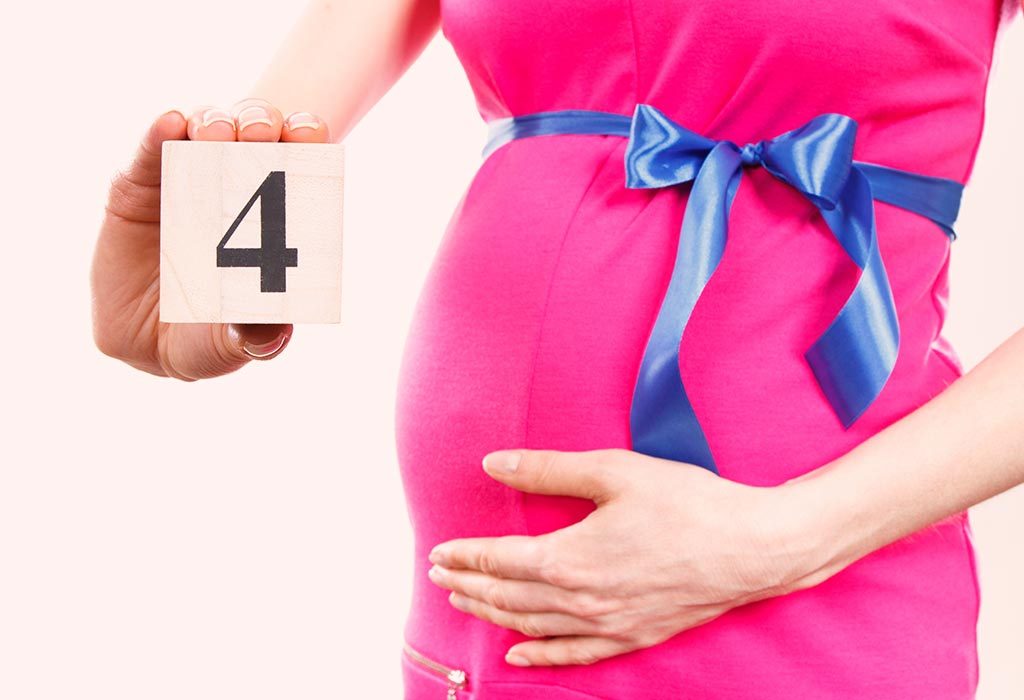
4 Months Pregnant – Symptoms, Belly, Baby Growth & Care
Being four month pregnant means you’ve entered the second trimester, a stage when your baby is growing rapidly, many early pregnancy symptoms begin to ease, and your growing belly may become more noticeable. By now, your baby’s major organs have formed and will continue to mature, while your body adapts to support this rapid development. Although you may start feeling more energetic than during the first trimester, new physical and emotional changes are still expected. This article covers everything you need to know about 4th month of pregnancy, including common symptoms, belly changes, baby growth and development, prenatal care, diet, and practical tips to help you stay healthy throughout this stage of pregnancy.
4th-Month-Pregnancy Symptoms
They say the first trimester is the hardest part of any pregnancy, and you have just completed the first three months of your journey into motherhood. At 4 months pregnant, symptoms like nausea, fatigue, and mood swings can be common experiences for many expectant mothers. Knowing about these symptoms can help moms feel more prepared for what to expect during this stage of pregnancy.
Some women experience haemorrhoids due to the pressure created by the growing baby on the rectal veins, which can be very painful (1).
Bleeding gums occur in many pregnant women due to the increase in pregnancy hormones, which makes the gums softer and more sensitive. This is why you may brush your teeth and see a little bleeding. This symptom usually disappears after pregnancy.
You can expect to run to the washroom quite often, as pressure on the bladder will lead to frequent urination.
Some women experience shortness of breath due to the 4-month-old fetus in the womb. The uterus expands to make space for the baby to grow, thereby putting pressure on the surrounding environment and organs.
Heartburn is a common symptom for many pregnant women. This is mainly because digestion slows down during pregnancy, leading to heartburn. The way to avoid this is to drink lots of water and not have too many heavy meals in a day, making it easier for the body to digest food.
Your skin also undergoes many changes during pregnancy. Some women may see blotchy skin due to the increase in pregnancy hormones. It is essential to take care of your skin at this point by using mild moisturisers and lotions.
During pregnancy, the nipples and areolas will acquire a darker shade, and the veins of the breasts will also be more pronounced (2).
At this stage, the foetus can cause many changes to the mother’s body, including nosebleeds. Bleeding is never a good sign, but some women experience mild nosebleeds during pregnancy. These mainly occur because the body pumps a high volume of blood to manage the pregnancy. If it persists, consult a doctor.
What to Expect During the 4th Month of Pregnancy?
Your emotional, physical, and psychological characteristics will significantly change once you finish your 3rd month. 4th-month-pregnancy care will vary greatly and involve many more medical assessments as you go along. A few things you can expect in the 4th month of pregnancy are
Your doctor will give an ultrasound recommendation to be conducted to know the growth of the baby.
Some women can notice thin, reddish lines on the thighs, which are superficial varicose veins. After birth, these lines will fade and ultimately vanish.
At 4 months of pregnancy, your belly will be the size of a cantaloupe.
Morning sickness will disappear, but you may still feel tired and irritable (3).
Your appetite will change, and it is essential to take nutritious, delicious food, as you are now eating for two.
Four Months Pregnant Is How Many Weeks?
Four months pregnant is typically between 14 and 17 weeks of pregnancy. This marks the beginning of the second trimester, a phase often considered more comfortable than the first.
Changes in Your Body When You’re 4 Months Pregnant
The biggest thing you may notice is the 4-month pregnant tummy. The 4 month pregnant belly size varies among women, but many may start to see a slight bump forming as the uterus expands to accommodate the growing baby. But more changes are happening inside your body as much as on the outside.
As the uterus expands, you will feel pain in your back, thighs, abdomen, and groin area. This ache will continue for the next 5 months.
The breasts increase in size and fullness during pregnancy. This is due to hormonal changes.
Constipation occurs in some women due to higher levels of hormones in the body, which slows down digestion.
Higher urination frequency and leakage are also reasonably common due to the pressure on the bladder and urethra as the baby grows.
Some women experience tingling hands or carpal tunnel syndrome, mainly due to tissue swelling around the wrists. This usually disappears after delivery (4).
Due to the increase in blood volume in the body, veins on the legs enlarge, causing varicose veins. This, too, will disappear after delivery (5).
Heartburn is another standard change, as digestion slows down during pregnancy.
You may also notice an increase in vaginal discharge due to the hormonal changes in the body.
Common Concerns During the Fourth Month of Pregnancy
When you are pregnant, you may have worries and concerns that bother you and your partner. When you visit your gynaecologist, make sure to discuss anything that worries you.
Here are a few common concerns:
Increased appetite and weight gain are very common during the fourth month of pregnancy. This is because the mother is eating for two and needs to nourish the baby and herself. The fourth-month pregnancy diet may also differ from your regular diet.
Heartburn and constipation are common during this time. If you need medical advice, consult a doctor.
Doctors also recommend tetanus vaccinations during pregnancy —the first within the first three months and the second a month before delivery.
It is safe to have sex during pregnancy unless the doctor advises otherwise, in cases where there is a medical history of miscarriage or if it’s a high-risk pregnancy. Couples should discuss this with their doctor before going ahead (6).
The Baby’s Development in the 4th Month of Pregnancy
While you experience changes in your body, the foetus is also developing and undergoing its own changes. The top things that happen are:
The foetus starts developing facial features (7).
Eyelids, eyebrows and lashes also develop in the baby (8).
At 17 weeks the baby is nearly 13.1 cm (5 inches) from crown to rump.
The baby also develops unique fingerprints.
The baby starts developing slight movement and will start kicking.
The baby’s skin is covered in fine hair called lanugo.
Ears are starting to develop, hence, the baby can now start hearing the sounds outside (9).
The tail has completely disappeared from the foetus at this stage.
4 Months Pregnant With Twins
If you’re 4 months pregnant with twins, you’re likely noticing that your body is changing a little faster than it would with a single baby. Your bump may be more noticeable, and it’s completely normal to feel hungrier, tire more easily, or experience extra back and pelvic discomfort.
Inside your womb, your twins have developed all their major organs and continue to strengthen their bones, muscles, and nervous system. Because twin pregnancies have a higher risk of complications, including preterm birth, your doctor will likely schedule more frequent prenatal checkups and ultrasounds to monitor both babies’ growth.
How to Take Care of Yourself in the 4th Month of Pregnancy?
As you move into the second trimester of your pregnancy, 4-month pregnancy care must be taken to see a happy and healthy baby by the end of the journey. Here are some do’s and don’ts.
Do’s
A growing baby needs a lot of nourishment, and so does the mother. So, it’s essential to ensure that you are taking enough vitamins. If you aren’t getting enough, ask for supplements from your doctor.
Exercise regularly. You must continue your routine and go for yoga and walks when pregnant, as mobility helps during delivery (10).
Get plenty of sleep. Your body works for two people, so an ample rest of 7-8 hours is a must.
Eat a lot of seafood. Fish is rich in omega-3 and other minerals. Hence, a portion of cooked fish is a must. Make sure it is fresh and thoroughly cleaned. Avoid eating raw fish and fish with a high mercury content (11).
Do have sex. Keeping the intimacy between you and your partner alive as your body prepares for the next adventure is essential. However, consult your doctor first.
Ensure you get a flu shot so you do not contract any diseases while pregnant.
Gaining weight is natural, but ensure you gain weight smartly by eating healthy.
Ensure you visit your dentist regularly to avoid bleeding gums or other dental complications.
Don’ts
Do not have too much caffeine, which can increase your baby’s heart rate.
If you have pets like cats, do not clean the cat litter, as you could contract a parasite.
Do not sit in a hot tub or a sauna, as the high-heat environment can cause complications in pregnancy.
Avoid eating meat cooked outside, as you do not know if it is cleaned and cooked correctly.
Don’t drink alcohol, as the foetus can develop fetal alcohol syndrome (FAS).
Do not smoke, as expectant mothers who smoke can deliver babies with low birth weight and are at a greater risk of disabilities.
4 Month Pregnancy Diet
Iron, calcium and folic acid are essential for pregnant women. Since the mother is eating for two, she shouldn’t worry about weight gain as long as the food is healthy and nutritious. It is also essential to talk to your gynaecologist and take any supplements necessary, such as Vitamin D, to keep your vitals up. Food should typically be home-cooked to keep it hygienic and can include grains, fruits and vegetables (12). Food rich in protein, like fish and chicken, can also be consumed (13). Every meal should consist of all the three things mentioned above to ensure optimal foetal development.
Tests and Check-Ups Recommended in the Fourth-Month of Pregnancy
You will see your doctor more frequently from the fourth month onwards to ensure you and your baby are healthy. As part of routine prenatal care, expectant mothers typically undergo a 4th-month pregnancy test to ensure the baby’s growth and development are on track. The top tests and check-ups that are necessary are:
A Physical Check-Up– Your gynaecologist will physically check parts such as the vagina, breasts and abdomen.
4th-Month Pregnancy Scan– At four months, an ultrasound is often performed to see the changes in foetal development (14).
Fetal Heartbeat– Your doctor will check if the baby’s heartbeat is too slow or fast using a Doppler Ultrasound.
Edema Test– Your doctor will check for swelling in the legs, ankles and feet. Abnormal swelling may indicate preeclampsia, gestational diabetes, or a blood clot (15).
Quadruple Marker Screening (Quad Screen): This blood test measures levels of certain proteins and hormones to assess the risk of chromosomal abnormalities such as Down syndrome and neural tube defects like spina bifida (16).
Dangerous Signs to Watch Out For
Some signs are unusual for pregnant women, and they need to stay alert and cautious to take the right action at the right time.
Look for the following signs, and consult a doctor if you see any.
If you experience bleeding after sex, contact the doctor immediately (17).
If you notice bleeding, and it is like menstrual blood, you could be in danger of a miscarriage or an ectopic pregnancy (18).
If you experience severe nausea and vomiting, especially if you cannot eat or drink without throwing up.
If you experience contractions.
If your water breaks.
If you have persistent abdominal pain and headache (19).
It doesn’t seem to go away if you have persistent flu, i.e., fever, cold, or cough.
Tips for To-Be-Dads
As the mother changes, even the father has several things to understand and cope with. Fatherhood is also an important journey, and here are a few tips to help along the way.
Right Balance
When it starts getting difficult to manage work and home and prepare for the newborn, take a break. It is okay to feel overwhelmed. What’s important is to channel that energy and give it a rest. You can find the right balance when you take a break.
Family Comes First
Family is always a top priority, no matter what happens at work. Make time to spend quality hours with your partner to avoid missing out. You don’t want to look back and regret everything you could have done.
Communication
A lot of things will change when the baby arrives. So, when your partner is pregnant, try to build open and honest communication so that you can be in sync once the baby arrives. Be extra patient and caring during these crucial months, and go on dates to keep the spark going.
Talk to Other Dads
Build a network of dads, either online or offline, and have a conversation to learn how to better care for your baby. Make sure to discuss your fears, worries, and feelings and get tips from other dads.
When to Consult a Doctor?
Regular prenatal checkups are an important part of a healthy pregnancy, but some symptoms shouldn’t wait until your next appointment. Contact your doctor right away if you experience:
Heavy vaginal bleeding or leaking of fluid.
Severe or persistent abdominal pain or cramping.
A severe headache that doesn’t improve, blurred vision, or sudden swelling of the face or hands.
A fever of 100.4°F (38°C) or higher.
Pain or burning while urinating.
Persistent vomiting that prevents you from eating or drinking.
Severe dizziness, fainting, or difficulty breathing.
FAQs
1. Are there any specific exercises recommended during the fourth month of pregnancy?
Gentle exercises such as prenatal yoga, swimming, walking, and low-impact aerobics are generally safe and beneficial during the fourth month of pregnancy (20). However, it’s crucial to consult a doctor before starting any new exercise regimen to ensure it suits individual circumstances.
2. Are there any specific precautions pregnant women should take regarding skincare products during the fourth month?
Some ingredients commonly found in skincare products, such as retinoids and salicylic acid, may not be safe during pregnancy. Opting for pregnancy-safe skincare products and consulting with a dermatologist can help ensure the safety of skincare routines during pregnancy.
3. How can pregnant women alleviate discomfort associated with growing abdominal size during the fourth month?
As the abdomen expands during the fourth month of pregnancy, discomfort, such as back pain and abdominal stretching, may occur. Wearing supportive maternity clothing, practising good posture, using pregnancy pillows for added comfort during sleep, and engaging in gentle stretching exercises can help alleviate discomfort and promote better comfort throughout the day (21).
It’s time to start preparing for a baby shower now. Many 4 month pregnant woman say that this is the happiest time in their pregnancy journey. Once the fourth month is over, you will be a step closer to the birth of your baby.
Previous Month : 3 Months Pregnant
Next Month : 5th Month of Pregnancy
Read more

8 Months Pregnant: Symptoms, Body Changes & Baby Growth
A quick hurray to you for reaching the eight-month mark of your pregnancy! Being 8 months pregnant means you are well into the third trimester and getting closer to meeting your baby. The feeling of being fully pregnant is most likely to hit you this month. Around the eighth month of pregnancy, your baby continues to gain weight rapidly while important organs and body systems mature in preparation for life outside the womb. You may also notice that your growing bump makes everyday activities more tiring, and symptoms such as backache, heartburn, swelling, and difficulty sleeping can become more noticeable. You must have started shopping for your baby already but it is around eight months of pregnancy that you will consider making your house ready for the arrival of your baby. If you are curious to find out what is going on with your body (and your baby) right now, read this article!
How Many Weeks Is Eight Months Pregnant?
Eight months pregnant is approximately 32-35 weeks along, as a full-term pregnancy typically lasts around 40 weeks. This is a general estimation, and individual pregnancies may vary.
8 Months Pregnant – Symptoms
The eighth month of pregnancy is not easy. There will be significant changes in a pregnant woman’s body during this time as well. Some typical 8 month pregnancy symptoms that mark the beginning phase of the third trimester are as follows.
1. Shortness of Breath
The growing baby and the consequently growing baby bump will add up a few extra kgs to your body. Internally, the expansion of the uterus starts putting pressure on the lungs and compresses it. These bodily changes can cause breathlessness. This condition improves when the baby positions himself in the cephalic position during this month.
2. False Contractions
False contractions are one of the most expected eight months pregnant symptoms. False contractions are also known as Braxton Hicks contractions, which resemble the real labour contractions. They usually last for a few seconds only. This is a natural step the body takes towards preparing the uterine muscles for delivery. However, less water intake during this time can trigger false contractions even more.
3. Constipation
Constipation is a common problem during pregnancy, and it can start as early as the first month of pregnancy. But constipation will trouble you even more in the third trimester of your pregnancy. As the growing uterus constricts the space available for the bowels and other internal organs in the pelvic region, you may likely experience difficulty with bowel movements during this month. If you put excess pressure while passing stools, you may also notice some blood in the stool. This condition is easily treatable with a laxative. So, consult your doctor if you experience constipation.
4. Leakage of Breast Milk
As a preparatory step for breastfeeding, the mother’s body prepares the colostrum much in advance. During this month, you may notice that small amounts of this colostrum or yellow milk leak from the breasts. Not all women will face this issue, though. If your breasts leak, you can wear breast pads to prevent your bra and other clothes from getting spoiled.
5. Back Pain
The increasing baby weight and tummy will put pressure on the lumbar region of the back. The hormones secreted for easy childbirth relax the joints, causing pain. It may also change the centre of gravity (8). Consequently, many women, during this phase, experience back pain, especially after long hours of sitting or standing. If you experience back pain, you can correct your posture by practising some simple pregnancy-safe exercises or by using a pregnancy pillow.
6. Fatigue
Increased weight and hormonal changes can lead to feeling tired and needing more rest during the day.
7. Swelling (Edema)
Increased bodily fluids and pressure on blood vessels can lead to swelling, particularly in the legs and feet.
8. Heartburn (Acid Reflux)
The growing uterus can push stomach acids into the esophagus, causing a burning sensation.
9. Frequent Urination
The expanding uterus puts pressure on the bladder, causing a need to urinate more often.
10. Pelvic Pressure
The baby’s head puts pressure on the pelvis, causing discomfort and a feeling of heaviness.
11. Stretch Marks
Skin stretches to accommodate the growing belly, resulting in pinkish or purplish streaks.
12. Leg Cramps
Increased pressure on blood vessels can lead to painful cramps in the legs.
13. Difficulty Sleeping
Discomfort, frequent urination, and anxiety about the impending labour can make it harder to get a good night’s rest.
14. Increased Appetite
The growing baby’s demands for nutrients may lead to a noticeable increase in appetite.
15. Blurry Vision
Fluid retention can affect the shape of the eyeball, leading to temporary changes in vision.
16. Itchy Skin
Stretching skin and hormonal changes can lead to itchiness, particularly around the belly area.
Physical Changes in the Eighth Month of Pregnancy
The eighth month of pregnancy is the time when your baby will gain significant weight and grow quite rapidly. This will directly bring about a number of changes in your body. You may start noticing some of the following changes during this time.
Your baby bump will obviously grow bigger.
Around this time, urinary incontinence may kick in. A small amount of urine leakage may happen every time you sneeze, cough, or even laugh. It can be quite embarrassing and annoying. Consult your doctor if it interferes too much with your day to day life. Also, practice Kegel exercise to tighten the bladder muscles (1).
Heartburn, especially during the night can give you sleepless nights. Try home remedies or consult your doctor for simple and safe medication for heartburn.
Water retention and swelling of extremities are common during the third trimester.
Leakage of the amniotic fluid may happen from the vagina for some women. It can be differentiated from urine based on the stronger smell and texture of the fluid. However, if the amniotic fluid leaks, you must consult with your doctor immediately.
Breathlessness and dizziness can occur due to the growing baby bump.
Watch out for false contractions, also called the Braxton-Hicks contractions that occur during the third trimester (2). These are not the real contractions that occur during the delivery but may feel similar. Braxton-Hicks contractions may last for about 30 seconds to a few minutes. However, you should consult your doctor if they last longer or you experience pain.
Your breasts may also start leaking around this time. The first breast milk which is called colostrum may leak from your breasts.
Hot flashes occur for some women during the third trimester.
You may get anxious, irritable, and impatient during the eighth month of your pregnancy as the due date would seem near yet it will be far.
Emotional Changes in 8th Month
The following are the emotional changes you may experience during the 8th month of pregnancy!
Mood swings: They arise from shifts in hormones.
Stress: Concerns about parenthood and pregnancy-induced anxiety can lead to heightened stress levels.
Pregnancy brain: Hormonal changes often cause forgetfulness during this period.
Common Problems That Arise in the Eighth Month of Pregnancy
Each trimester of pregnancy comes with its own set of challenges. Typically during the 8th month, these are some of the problems affecting the mother and the health of the baby.
1. Preeclampsia
Preeclampsia is a pregnancy complication characterised by high blood pressure and protein in the urine. Women tend to have high blood pressure during this time. It is termed as gestational hypertension and can occur due to stress or other health conditions. If this hypertension is coupled with high protein in the urine, it is termed as preeclampsia (3). Undetected or untreated preeclampsia can be quite harmful to the foetus as it decreases the blood flow to the baby. This concern should be addressed as early as possible.
2. Preterm birth
Preterm labour is a risk factor in the eighth month as some babies are in the cephalic position and get ready for birth sooner than the full term. Other health conditions like preeclampsia and placental abnormalities can result in the emergency birth of the baby. Babies born in the 8th month have a good chance of survival but require intensive care for many days.
How Will Your Baby Develop During the Eighth Month of Your Pregnancy?
As soon as the third trimester starts, the last leg of development in the foetus starts too. Your 8th month pregnant belly will feel heavy and very noticeable. Here are some of the important changes in the baby that happens at eight months.
Body Part
Development
Skin
The skin is shielded by vernix caseosa, a protective, oily substance.
Hair
Hair initiation begins on the head.
Lanugo
Fine body hair starts to cover the skin.
Eyes
Eyebrows, eyelashes, and eyelids begin to form.
Heart
Its rate follows circadian rhythms.
Vocal Cords
They undergo maturation.
Ears
The cochlea is fully developed, allowing the fetus to hear.
Genitals
In females, around 7 million oogonia develop, giving rise to primary oocytes.
Nerves
They are being enveloped by a protective tissue called myelin.
Fingers
Fingerprints begin to take shape.
Position and Movements of Baby in 8th Month of Pregnancy
Pregnancy at 8 months is accompanied by frequent baby movements that parents and doctors monitor. Here is some important information for you in detail.
1. Position of Baby
A baby’s position changes from breech to cephalic during the eighth month of pregnancy. It means that the baby moves around and fixes its head inside the cavity formed between the pelvic bones. This is a very important step in the preparation of the baby for vaginal delivery. Once the head is fixed, the baby stops moving around in the amniotic fluid and stays put in the cephalic position until delivery.
2. Movements of Baby
Around this time, fetal movements may be subtly felt, resembling a gentle fluttering in the abdomen, known as quickening. First-time mothers might mistake it for gas due to unfamiliarity.
Do’s and Don’ts
It’s your 8th month of pregnancy and you are almost there. You should be careful during this time. Here are some do’s and don’ts that you should follow as part of the 8th-month pregnancy care and precautions.
Do’s
Eat Healthy Food: You are in the eighth month of your pregnancy and you must be eating healthy foods already. But this is just a reminder to encourage you to keep going. Have a balanced diet and have small meals but frequently. Choose from a list of healthy snack options to satisfy your mid-meal hunger pangs.
Exercise: Practise Kegel exercises regularly to counter the problem of urinary incontinence. It will also help in strengthening your pelvic muscles after delivery (4). If you are not into exercises, you can simply walk or practise yoga. Walking or some kind of simple workout every day can increase the flexibility of your pelvic area (5).
Stay Hydrated: Remind yourself to drink lots of water regularly to keep your body hydrated. Drinking water will keep you energised. It will also prevent cramps during this time.
Get Enough Vitamin D: Vitamin D is very important for the bone health of your baby and for you as well. So bask in the sun in the morning hours or in the evening.
Learn About Breastfeeding: Equip yourself with the knowledge of breastfeeding and other baby care techniques. Join classes or online forums that will give you an idea of basic techniques. These techniques will come in handy once your baby is born.
Prepare Your Hospital Bag: Make a checklist of things that you will need to carry to the hospital. Also shop for things that you will require after the delivery like soft cotton sanitary pads, feeding gowns, breast pads, feeding pillows, etc. Plan your travel arrangements for reaching the hospital in case you get your labour pain. Also, purchase the basic gender-neutral essentials for your little one. You will be left with very less time once the baby arrives.
Don’ts
Don’t eat processed food or junk food. Eating junk food can lead to indigestion and even heartburn.
Don’t forget to take your vitamin and mineral supplements.
Avoid practising yoga poses or exercises without consulting a doctor or a trained instructor.
Don’t stress yourself with the thought of delivery and labour. You can cross the bridge once you reach there. Worrying much ahead of time will affect your health unnecessarily.
Don’t drink or smoke during this period and avoid aerated drinks and caffeine too.
Avoid stressing because it won’t make things better for you. Slowly take a back seat from any stressful works as it is likely to affect your baby’s health.
Diet
As with every month of pregnancy, even the 8th month of pregnancy diet needs to be balanced. Include fibrous foods in your diet to overcome the problem of constipation that is likely to hit you this month again. Eating foods rich in Omega-3 fatty acids or supplements at this stage is also necessary as it will aid your baby’s brain development. It is better to avoid raw, uncooked food, raw shellfish, processed food, coffee and unpasteurised milk at this stage to prevent food poisoning or allergic reaction.
Tests and Vaccination Recommended in the Eighth Month of Pregnancy
Here are some recommended vaccines for the 8th month of pregnancy (6):
1. Tetanus
It protects both the mother and the newborn from tetanus infection.
2. Diphtheria Vaccine
Receiving the diphtheria vaccine provides immunity and shields against this bacterial infection.
3. Pertussis (Tdap) Vaccine
Administering the Pertussis (Tdap) vaccine safeguards both mother and newborn from whooping cough (7).
4. B Vaccine
Safeguards against hepatitis B transmission to the newborn.
5. Influenza Vaccine
Receiving the influenza vaccine helps protect both the mother and baby from flu-related complications.
Tips for Father-to-be
As equal partners in the parenting journey, fathers also have a very important role to play both before and after the birth of the baby. Here are some things that soon to become dads have to keep in mind.
1. Reassurance is the Key
Through the entire journey of pregnancy, the mother goes through a lot of uncertainties about her health, her baby’s health, her looks, her future, etc. As a spouse, the best thing that you can do is to keep reassuring your wife. Catering to her emotional well-being is also very important at this stage.
2. Lend a Helping Hand
With the growing weight and physical challenges, household chores that require a lot of hard work can become very difficult for the expecting mother. Helping her around with tasks at home can give her some time to relax and pamper herself.
3. Pamper Her
Give your spouse’s legs a good massage or even better, book her a spa appointment and pamper her. Time and self-care are going to come to a screeching halt as soon as the baby comes out. Make sure you give her the well-deserved pampering before she takes on the daunting task of childcare.
4. Plan Your Finances
Childbirth and neonatal care can be expensive so plan your finances to support all the hospital bills. Talk to your insurance company and understand how the claim procedure works.
When to Consult the Doctor?
Seek doctors advice in the following cases:
Headache
Blurry vision or seeing spots
Decrease in fetal movements
Cramps or stomach pain
Dull backache
Bleeding from your vagina
Excessive fluid from your vagina
Stronger and more frequent contractions
FAQs
1. Is It Safe to Have Delivery at Eighth Month?
The eighth month of pregnancy is critical because the fetus is rapidly developing, gaining weight, and preparing for birth. Preterm birth risks decrease, but monitoring for complications like preeclampsia is crucial.
2. Why Is Eighth Month of Pregnancy Critical?
The eighth month of pregnancy is critical as the fetus undergoes rapid development, gaining crucial weight and lung maturity. Preterm birth risks decrease, but monitoring for complications like preeclampsia is crucial.
3. Is It Safe to Travel During the Eighth Month of Pregnancy?
Travel during the eighth month of pregnancy should be approached with caution. It’s generally safer to stay closer to home as the risk of preterm labour increases. Consult a healthcare provider for personalized advice based on your specific circumstances.
4. How Can You Deal With Anxiety and Stress in 8th Month of Pregnancy?
To manage anxiety and stress in the eighth month of pregnancy, practice deep breathing, exercise gently, seek support, use relaxation techniques, manage time, maintain proper nutrition and hydration, limit stimulants, prioritize sleep, educate yourself, and consider prenatal classes. Avoid triggers, explore relaxing therapies, connect with other expectant parents, and consult a professional if needed.
5. Is It Safe to Use the Stairs During the Eighth Month of Pregnancy?
Using stairs is generally safe, but caution is advised for 8 month pregnant woman. Take your time, hold onto railings, and be mindful of balance. If feeling unsteady, consider alternative routes or elevators when available. Always consult your healthcare provider for personalized advice.
Eight months is the perfect time to celebrate your pregnancy, so enjoy it as much as possible. As you inch towards your big day, your body will change to suit your growing baby. Take the time off to get pampered and feel special, as you are left with very few days to meet your bundle of joy!
Previous Month: 7th Month of Pregnancy
Next Month: Ninth Month of Pregnancy Diet
Read more

How Long is the 1st, 2nd & 3rd Trimester of Pregnancy?
A question that is frequently asked by expecting mothers is, how long is each trimester of pregnancy? If you, too, have searched for this question, then you might know that there are many answers in response. Different practitioners use different methods to calculate the start and end date of pregnancy, which causes a slight variation in each of the calculations.
How a Trimester Is Measured
Practically speaking, each trimester must contain three months – that’s why there are three trimesters in a pregnancy, which make up the nine months of gestation. While some practitioners break up the trimesters into 13 weeks each, others add on some extra weeks to make a grand total of 40 weeks.
Duration of Each Trimester, and Why It Is That Long
In medical terms, a human pregnancy lasts for a total of 40 weeks. A trimester is a way of measuring the progress of the pregnancy, making it easier to identify the segment in which the expecting mother is! While we know broadly that each trimester consists of 3 months, that’s not the exact calculation of each trimester. The difference between a certain month and the corresponding weeks may cause worry as to why a specific change is not happening in the pregnancy, or if some change is happening too early in the pregnancy. A simple answer to this question is that the changes in pregnancy happen week by week, and some events may occur over a range of weeks and months.
Another reason for the difference is that all women are not alike! Some women may feel the heartbeat of the baby in the 8th week, while others may feel it at the 6th week. To ease the worry of the expecting mothers, the ultrasound that is done during the routine check-up will give an almost accurate picture of the week of pregnancy the woman is in, and how the fetus is growing inside the womb!
How Long Is the First Trimester of Pregnancy?
Read on below to know exactly how long your 1st trimester will last.
Week 1 to 3
As we all know, pregnancy is calculated from the first day of your last menstruation date. So, in the first three weeks, you’re clearly unaware of this beautiful, life-changing surprise you’re about to receive! In the first week, although implantation has not happened, women who are trying to conceive are given folic acid. In the second week, ovulation occurs, when the egg is released from the ovary and is ready for fertilization. The sperms reach the egg, and one of the sperms successfully fertilizes the egg to form a zygote. By the third week, fertilization happens in the Fallopian tube.
Week 4 to 7
Implantation finally happens in the fourth week, and with that, all the fluctuations in the hormones start to take place. The zygote attaches itself to the wall of the uterus, and it can sometimes cause a bit of bleeding known as implantation bleeding. However, it’s not necessary that all women experience this; it only means that the hormones are not high enough to be detected. By the time you get a positive pregnancy test, you would have already crossed week four or five. By week five, the fetus is in the shape of a C, and can be detected in an ultrasound. By week six and seven, the human chorionic gonadotrophin (hCG) hormone is at its peak, and the woman is likely to experience all the early symptoms of pregnancy.
Week 8 to 10
As you enter week eight, the baby starts developing tiny fingers and toes. It also begins to move, but it’s too tiny to be felt at this point in time! By week nine, the heart is fully formed, and the baby is supplied with oxygen through the umbilical cord. The baby gets oxygen from the mother, so practicing deep and proper breathing will raise oxygen levels in the mother’s body and thus supply more oxygen to the baby. At this stage, the woman experiences a lot of fatigue, which will make it difficult to exercise or walk for a long period of time.
Week 11 to 12
One of the most interesting parts of the pregnancy is in this week – the first trimester scan! Did you know by the 11th week, your baby can suck its thumb and move its head? At this point, the head of the baby is bigger than most other parts of its body, with the head alone making up more than half the part of the entire body. Genitals begin to form during the 11th week, but won’t be clear in the ultrasound. By week 12, the baby comes into more of an upright position from the curled position. At this time, most women experience gastric trouble, nausea, vomiting, gas, constipation, and acidity.
How Long Is the Second Trimester?
Now that you know for how many days your first trimester lasts, let’s move on to the second trimester.
Week 13 to 15
Week 13 will mark the beginning of your second trimester! The second trimester is usually the most relaxing trimester of your entire pregnancy. Nausea and vomiting will subside by a great extent by week 14 or 15. The baby’s features are more distinct by now, with the nose and lips being fully developed. Important organs such as the pancreas, thyroid glands, and gall bladder are formed by this time. During the 14th week, the liver is also developed, and is able to produce bile. The pancreas produces insulin.
Week 16 to 18
The baby becomes quite active by week 16. It will now start kicking the amniotic sac, and also start playing with the umbilical cord. As the mommy, you will start feeling heavy due to the increase in blood volume, amniotic fluid, and expanding breast size. By week 17, fat begins to deposit in the baby’s body. Its skin is still thin. As the bones start to develop at this stage, your calcium intake is very important. The baby also starts developing its retinas by week 18. Accurate gender detection is now possible during this week.
Week 19 to 20
During the 19th and 20th weeks, the baby is fully exploring the womb, and is busy touching and kicking the amniotic sac. By now, sweat glands would have developed. Follicles will also start to develop in the ovaries of girl babies. As you reach week 20, you are considered to be halfway through your pregnancy, and the risk of miscarriage drops considerably at this point.
Week 21 to 23
By week 21, your baby can see, and eyelids and eyelashes would have appeared by now. Taste buds have also developed in the tongue. Efficient breathing movements begin at this point. The molars and canines of your baby develop by week 22, along with fingernails and other other functional organs of the body. The reproductive organs are also formed by now.
Week 24 to 26
Your baby now has soft, wrinkly skin. Sleep and wake patterns are developed during this time. You can now feel your baby kicking, and talking and touching your belly will give you a tiny kick, which will make your bond of communication grow stronger and better! Mommies can find it difficult to sleep due to the growing belly, so using a maternity pillow will be of great help.
How Long Is the Third Trimester?
Welcome to the third and last trimester of your pregnancy!
Week 27 to 28
The beginning of your third trimester is marked by week 27. In case your baby is born at this point, it has an 85% chance of survival with the help of incubators. The baby takes up more space in your womb now, so the amniotic fluid level is reduced by half. By now, most mothers can see the baby moving, by concentrating on the abdomen. The bones are completely formed by now, and the baby is gaining layers of fat. The weight of the baby should be more than 2.5 pounds, and it has now developed a sense of taste and smell.
Week 29 to 30
The 29th week is vital for hormone developments. Prolactin a necessary hormone for the production of milk and milk duct formation, and it is produced at this point in time. This makes breastfeeding successful and possible, even if the baby is born early. Some mothers may experience breast leak, as the body prepares the colostrum. The baby’s eyes are now able to detect light, so a flashlight on the bump may stimulate a fetal response.
Week 31 to 33
The baby is getting heavier and heavier with each passing day, but does not increase in height. By the end of the 32nd week, all the senses have developed. Some mothers may experience Braxton-Hicks contractions (which may feel scary, but are not a cause of concern). The baby weighs around 4.5 pounds at the end of 33 weeks.
Week 34 to 36
By week 34, the eyes of the baby synchronize with its sleep and wake pattern, meaning that the eyes are open when the baby is awake, and closed when the baby is asleep. The baby sleeps more often during this time, as a lot of brain development is taking place. The nervous and immune systems are almost developed. Babies born during these weeks have a 99% chance of survival without any medical assistance.
Week 37 to 38
At week 37, the baby is completely developed, and looks clearly like a newborn. It now has less space in which to move around in and kick. The intestines of the baby are completely formed, and begin building up the meconium, which is the first bowel movement of the baby once it is born. The relaxin hormone relaxes all the muscles in the mother’s body, preparing it for labor.
Week 39 to 41
Your baby is the size of a pumpkin by the end of week 39! This is the time when the mothers would feel the most tired, as the baby is fully grown by now, and starts kicking the other organs of the body. Normally, the baby settles down in a head-down position at this stage, known as an anterior presentation, in preparation for its birth. You can expect to go into labor anytime now. Typically, a pregnancy lasts for 40 weeks, but labor can begin sooner, or a little later. An intensive examination of dilatation and effacement of the cervix begins at week 40, to know how close labor is.
This basic guide to the week-by-week development of your pregnancy will help you keep calm, be ready for what’s coming, and patiently prepare for labor. Every woman’s experience is different, and your pregnancy journey will be unique to you. Cherish it while it lasts!
Also Read:
Pregnancy Complications During First Trimester
Pregnancy Complications During Second Trimester
Pregnancy Complications During Third Trimester
Read more

6th Month of Pregnancy – Symptoms, Baby Development & Precautions to Take
Entering the sixth month of pregnancy marks a significant milestone in motherhood. Expectant mothers often wonder, ‘6 months of pregnancy, how many weeks does it encompass?’ as they track the progression of their journey to motherhood. This wondering often happens because pregnancy is a long journey with many weekly changes. As you reach this stage, you might notice some familiar pregnancy symptoms while feeling the thrill of your baby’s growth and development. From the little kicks you’re starting to feel to the changes happening in your body, there’s much to discover and prepare for. So, let’s look closer at what you can expect during this special time and some necessary steps to keep you and your baby healthy and happy.
Common 6th Month Pregnancy Symptoms
A 6-month pregnant woman experiences a variety of symptoms as her body accommodates the growing baby. Here are some of the common symptoms at six months.
1. Constipation and Indigestion
Most women experience constipation along with heartburn throughout pregnancy. The cause for the same differs at different stages of pregnancy. Constipation experienced at the early stages of pregnancy is due to hormone changes, which slow digestion due to the muscles loosening around the bowel (1). As the months pass by, the enlargement of the uterus puts pressure on the bowels, leading to indigestion. Other reasons include taking multivitamin pills, which, again, tighten the stool, causing discomfort and bloating. To control the situation, exercise regularly, drink plenty of water, juices and other fluids and consume fibre-rich foods. Curd works wonderfully well in reducing constipation and indigestion. If you face extreme discomfort, speak to your doctor for laxatives.
2. Oedema
As you enter your last trimester, you will also experience swelling in your feet, ankles, and sometimes hands! As your body prepares for the baby, it retains fluid in the tissues to nourish you and the baby, which causes this swelling. A bit of swelling around the eyes and cheeks is also normal, but if high protein levels accompany the swelling, it might be a sign of preeclampsia. This serious medical condition causes blood pressure spikes (4). To avoid oedema, keep your legs up whenever possible and avoid wearing tight clothes. Try not to stand for long periods.
3. Hunger Cravings and Increased Appetite
At this stage, you are not just eating for yourself but also for your baby. The baby’s organs are developing, so your body needs to supply increased nutrients and vitamins. This is why you will feel sudden hunger pangs and increased appetite around this time. So, it’s better to satisfy your urge without feeling guilty, but simultaneously, eat wisely. Choose healthy food options like fruits, salads, and whole-grain foods over junk foods. Drink plenty of water and have six to seven small portions of meals a day instead of three large ones.
4. Snoring
Many ladies experience snoring at this stage of pregnancy. Again, blame it on the pregnancy hormones. The weight gain causes your neck and head tissues to swell, leading to snoring, and additionally, your mucous membrane also swells. It’s better to use nasal strips while sleeping for better breathing. Snoring might also be an indication of gestational diabetes, which can be monitored through blood and urine tests.
5. Backache
Experienced by most of the ladies, backache starts from your initial stages of pregnancy and goes on till delivery; many times continues even after delivery! The weight gain causes a backache, and also, as the uterus grows, it causes your lower back to curve. The relaxin hormone loosens your pelvic muscles to prepare the body for delivery, which again triggers a backache. Try to maintain a good posture while sitting and keep your legs up whenever possible.
Body Changes During the Sixth Month of Pregnancy
As mentioned earlier, you finally look pregnant. Your six-month-pregnant belly will start showing. A 6-month belly of a pregnant woman shows a distinctive roundness, indicating the development of her growing baby. By now, your body will also gain weight, and as the uterus pushes the abdomen, your belly button will protrude and remain this way until a few weeks post-delivery. Due to the weight of the baby and the growing uterus, you might experience dizziness and light-headedness at times.
What Are Some Common Concerns in the Sixth Month of Pregnancy?
The common concerns ladies face during the sixth month of pregnancy are backaches, leg pain, foot cramps, swelling along with indigestion, constipation, and haemorrhoids (5). You might witness swelling around your feet and ankles and some even go up a shoe size. This swelling should settle within 6 weeks of delivery.
Every pregnancy has its own share of not so pleasant concerns, which include:
1. Itchiness Around the Abdomen
Around the middle of the 6th month of your pregnancy, you will experience itchiness around the abdomen. This happens because your baby is almost developed and your skin starts stretching to accommodate the growing foetus and enlarged uterus. As a result, your skin becomes dry and starts itching. This is the perfect time to apply those creams and ointments for stretch marks to retain the moisture in your skin and reduce itchiness. Also, keep drinking lots of water to keep your skin hydrated.
2. Backache and Body Ache
Along with a backache, body ache will also start bugging you. You will feel more tired with each passing day. As the uterus grows, the ligaments from the pelvic area to the abdomen are stretched and put under extreme pressure, which causes lower tummy pain (8). The pain might continue for a few hours, but you must consult a doctor if it lasts for long and is followed by contractions.
3. Sleepless Nights
Most of the ladies experience insomnia around this time of the pregnancy, the reasons being hormonal changes, frequent visits to the washroom at night, and heartburn or indigestion (6). Moreover, when the baby kicks and flutters in the middle of the night, it’s obvious you might not be able to have a good night sleep. Some tips to avoid insomnia are to have your dinner 2-3 hours before bedtime and also be careful about what you eat. Secondly, follow a bedtime ritual like a relaxing breathing yoga, reading, listening to music, a warm water bath, etc. Sleep on a comfortable bed and correct room temperature.
4. Varicose Veins
Varicose veins are more or less hereditary and caused because the veins have to push extra blood to your uterus to meet the nutritional requirements of the growing baby. These veins, which look swollen and purple in colour around your thighs and under the knee area, are known as varicose veins. Exercise regularly and try to keep your feet up whenever possible. Also, wear comfortable innerwear and shoes.
Baby Development at the 6th Month of Pregnancy
A 6 months pregnant fetus is almost fully grown and getting stronger daily. His organs are still growing, and his lungs are not completely developed. As the baby’s skin and muscles mature, you can experience the baby’s movements as kicks and squirms. Along with his weight increase, he has grown in length and is about a foot long (7). He starts reacting to sound.
You can determine the fetus’ position with an ultrasound and see that the face of the baby is developed and the head is in proportion to the body. He can even sense light and darkness by this time, producing white blood cells to fight against diseases. The face of the baby would be complete by now, including his eyelashes, eyebrows, and hair (9). Hair growth depends upon genetics; some babies are born with a lot of hair, while some are bald.
Twins at 6th Month of Pregnancy
During the sixth month of pregnancy, twins experience significant development. By this stage, each twin typically weighs around 1 to 1.5 pounds and measures about 10 to 12 inches. Their facial features become more defined, including the formation of eyebrows and eyelashes. Additionally, their ears are fully developed, enabling them to hear sounds from the outside world, such as their mother’s heartbeat and voice. With two little ones sharing the limited space in the womb, expectant mothers may feel even more pronounced movements and kicks. Their nervous systems also advance, allowing coordinated movements and responses to external stimuli like light and touch.
6th-Month-Pregnancy Diet
It is better to avoid junk food and stick to cleanly cooked home-made stuff. Ensure that a continuous supply of folic acid, iron and calcium is being taken, as the baby needs nutrients to develop completely. 6th month of pregnancy food includes green leafy vegetables, nuts, fruits, and whole-grain foods in your diet for a steady flow of nutrients and minerals. Fruits like apricot, cherries, guava, grapes, berries, apple, mango, pineapple, etc. have a great amount of antioxidants and minerals. Vegetables like carrot, beetroot, spinach, pumpkins, tomatoes, onions, celery, broccoli, etc. are some highly recommended foods that you can include in your diet (10).
Exercise for the 6th Month of Pregnancy
There are plenty of safe and effective options to maintain fitness and promote well-being during this stage. Here are five recommended exercises tailored specifically for the sixth month of pregnancy:
1. Prenatal Yoga
Yoga provides gentle stretching and strengthening exercises tailored to the changing needs of pregnant bodies. Focus on poses that improve flexibility, promote relaxation, and relieve common pregnancy discomforts like back pain and tight hips.
2. Walking
Walking is a low-impact aerobic exercise that is safe for most pregnant women. It helps improve cardiovascular health, boosts mood, and strengthens leg muscles without putting excessive strain on joints. Aim for a brisk pace while maintaining proper posture (14).
3. Swimming
Swimming and water aerobics are excellent choices during pregnancy (13). They support the weight of the belly and provide resistance without impact. These activities help alleviate swelling, improve circulation, and tone muscles while keeping the body cool.
4. Pelvic Floor Exercises (Kegels)
Kegel exercises strengthen the pelvic floor muscles, which support the bladder, uterus, and bowels. Regular practice can help prevent urinary incontinence and prepare the pelvic floor for childbirth. To perform Kegels, tighten the pelvic floor muscles as if trying to stop the urine flow, hold for a few seconds, and then release.
5. Stationary Cycling
Stationary cycling offers safe cardiovascular exercise while minimising the risk of falls or injury (12). Adjust the bike seat to a comfortable height, maintain an upright posture, and pedal at a moderate intensity. This exercise strengthens leg muscles and improves endurance without stressing the joints.
By incorporating these exercises into your routine, you can stay fit, reduce pregnancy discomforts, and prepare your body for labour and delivery.
What to Expect During Your Visit to the Ob/Gyn?
Once you enter your 6th month of pregnancy, the doctor visits will be more frequent. You might have to visit the doctor once every three months. The doctor will check the baby’s heart rate with a stethoscope. After this point, the doctor will check and measure the growth of the uterus, your limbs for swelling and varicose veins, and your body weight, and also recommend alterations to your diet, if required. At 6 months pregnant, a sonogram can provide a clear picture of the baby’s development inside the womb. If you are anaemic or likely to be, the doctor may prescribe molybdenum and other vitamins like iron, folic acid, B12, and copper.
Tests
You will be required to undergo the following tests during the 6th month of your pregnancy:
Blood pressure check-up
Weight measurement
Urine test for measuring protein and sugar
The Gestational diabetes test wherein you will be asked to drink a glass of glucose water and a blood test will be done after 2 hours.
Measuring the fundal height of the uterus
Examining the fetus’s position and size of the uterus
Examination of feet and limbs for any signs of varicose veins or swelling
Symptoms to Be Discussed With Your Doctor
An experienced and friendly doctor will always put you at ease, so you need to speak to the doctor in case you experience any of these cases (11):
Severe bleeding from the anal lining, as this could be a sign of some serious illness.
Bleeding from the vagina
Experiencing pain during the passing of urine
Continuous vomiting
Bursting of the water bag
Extreme discomfort or pressure on the lower pelvic area
Less than 10 foetal movements in an hour.
Extreme pain or prolonged pains in the abdomen area
Severe pain in the lower back
More than five contractions in an hour
To-Do List For Moms-To-Be
First and foremost, take good care of yourself.
Regularly exercising will help you stay fit and active during your pregnancy. Try practising Kegel exercises.
Get at least eight hours of sleep in a day.
Sleep on your side to promote kidney functions and put less pressure on your rectum.
Keep a relaxed body posture, and keep your feet up whenever possible. Taking Vitamin B6 on prescription is better for reducing the aches in your hands and limbs.
Get all the information and details about childbirth. Read articles on 6th-month-pregnancy precautions and childbirth. Don’t be scared. Try to go with the flow and not take things to heart.
It is very important to keep your mind positive and relaxed. Practice breathing exercises, a warm water bath, listening to music, watching funny videos, and anything that makes you happy and comfortable.
Handy Tips For Dad-To-Be
As everybody focuses on the mommy-to-be once your pregnancy news is out, we must never forget that it’s also an overwhelming feeling for the dad-to-be. You must also share all the information and details with your hubby, as he has no one else to address his concerns. You can start by explaining how he can be helpful and do things during your labour (3). It would be great if you two could attend the happy parenting seminars to prepare yourself for parenthood. Always try to visit the doctor together so that you understand the situation well enough and can openly speak to the doctor. The dads-to-be’s active participation in your 6th-month pregnancy care plays a vital role in your journey together.
Indulge in fun topics together like discussing baby names, or planning an adorable nursery for welcoming your little one. Time will fly past sooner than you can imagine, so just enjoy this phase of life without missing on a thing.
FAQs
1. Is it normal to experience Braxton Hicks contractions during the sixth month?
Yes, Braxton Hicks contractions, also known as “practice contractions”, are common during the sixth month. They are usually mild and irregular and help prepare the uterus for labour (2).
2. Can I travel during the sixth month of pregnancy?
Generally, travelling during the sixth month is safe, but it’s essential to consult with your doctor before making any travel plans. Avoid long journeys and ensure access to medical facilities at your destination.
3. What dietary changes should I make during the sixth month?
Focus on consuming a well-balanced diet rich in nutrients essential for your and your baby’s health. Include foods high in iron, calcium, folic acid, and protein. To prevent foodborne illnesses, avoid unpasteurised dairy products, raw fish, and undercooked meats.
4. How much weight gain is expected during the sixth month of pregnancy?
Expectant mothers gain an average of 1 to 1.5 pounds per week during the sixth month. However, weight gain varies for each individual, so discussing your weight gain goals with your doctor is essential.
As every person is different from another, every pregnancy is different and unique! The tips and observations stated here are based on the experiences of various mothers and the doctor’s observations. Please make a note of all the unique symptoms of your pregnancy and share it with others. Don’t overthink; relax and enjoy the incredible journey of motherhood!
References/Resources:
1. Pregnancy – signs and symptoms; Better Health Channel; https://www.betterhealth.vic.gov.au/health/healthyliving/pregnancy-signs-and-symptoms
2. Pregnancy stages and changes; Better Health Channel; https://www.betterhealth.vic.gov.au/health/healthyliving/pregnancy-stages-and-changes#pregnancy-stages
3. Pregnancy support – fathers, partners and carers; Better Health Channel; https://www.betterhealth.vic.gov.au/health/servicesandsupport/pregnancy-support-fathers-partners-and-carers
4. Pregnancy – preeclampsia; Better Health Channel; https://www.betterhealth.vic.gov.au/health/healthyliving/pregnancy-preeclampsia
5. Pregnancy – week by week; Better Health Channel; https://www.betterhealth.vic.gov.au/health/healthyliving/pregnancy-week-by-week
6. Trivedi. S; Tips for managing pregnancy symptoms by trimester; The University of Chicago Medicine; https://www.uchicagomedicine.org/forefront/womens-health-articles/tips-to-manage-common-pregnancy-symptoms-by-trimester; October 2022
7. Week 6; Nemours KidsHealth; https://kidshealth.org/en/parents/week6.html
8. Back pain in pregnancy; NHS; https://www.nhs.uk/pregnancy/related-conditions/common-symptoms/back-pain/
9. What happens in the sixth month of pregnancy?; Planned Parenthood Federation of America; https://www.plannedparenthood.org/learn/pregnancy/pregnancy-month-by-month/what-happens-sixth-month-pregnancy
10. Nutrition During Pregnancy; The Johns Hopkins University; https://www.hopkinsmedicine.org/health/wellness-and-prevention/nutrition-during-pregnancy
11. Pregnancy: When to call your care team; Kaiser Foundation Health Plan;
https://healthy.kaiserpermanente.org/health-wellness/maternity/when-to-call
12. Exercise during pregnancy; March of Dimes; https://www.marchofdimes.org/find-support/topics/pregnancy/exercise-during-pregnancy
13. Swimming in pregnancy; Tommy’s; https://www.tommys.org/pregnancy-information/im-pregnant/exercise-in-pregnancy/swimming-pregnancy
14. Walking and pregnancy; Tommy’s; https://www.tommys.org/pregnancy-information/im-pregnant/exercise-in-pregnancy/walking-and-pregnancy
Also Read:
4 Month of Pregnancy
Fifth Month of Pregnancy
Pregnancy of 7th Month
Symptoms of 8th Month of Pregnancy
Read more
10th Month of Pregnancy – Symptoms, Body Changes, and Baby Development
Whenever we talk about pregnancy, we usually calculate the full term as a 9-month journey. However, sometimes women deliver in the 10th month of pregnancy, too. As you step into this extended phase, it’s natural to feel a mix of anticipation, curiosity, and maybe even a little restlessness. Your body has already gone through so much, yet it continues to adapt and prepare for childbirth, while your baby is making final adjustments before entering the world. This stage can bring new symptoms, noticeable body changes, and crucial developmental milestones for your baby. If you wish to learn more about this stage and what you should do, keep reading!
What Does the 10th Month of Pregnancy Mean?
Technically if we take a look at the gestational period, it can last anywhere from 36 weeks to 42 weeks. And each month comprises approximately four weeks, which means that pregnancy transcends into the 10th month. Therefore, when a woman crosses the threshold of 40 weeks of pregnancy, she is said to have entered the 10th month of pregnancy, and that is what is meant by the 10th month of pregnancy (1) (2).
What Happens in the 10th Month of Pregnancy?
As you enter this phase in your pregnancy, you are very close to your due date, and your baby can come anytime. Most women give birth to their babies between 37 weeks and 41 weeks of pregnancy (3). However, as you finish your 36 weeks, you may notice a few changes every week that follows this period and your healthcare provider will monitor your development closely. Here are some foetal body changes in the 10th month of pregnancy (4):
Week 37
Tiny hair that covers your baby’s skin begins to disappear around this time.
Your baby’s brain weighs approximately 300 grams at this stage, and rapid brain development also takes place.
Your baby’s skin begins to accumulate some fat.
You may experience frequent stomach aches and headaches.
Week 38
Your baby may not grow much but may put on more weight at this stage.
You may begin to feel contractions.
If the contractions are felt at regular intervals and become more intense, chances are you may be in labour.
Week 39
Your baby may be fully grown, and there may not be much room for him to move inside.
You may experience water retention in your body and notice a substantial weight change.
Your baby is almost 50 centimetres tall and may weigh around 3 kilograms (5).
You may feel uncomfortable and uneasy because of your baby’s increased weight. Hence you should rest often.
Week 40
Your baby may weigh anywhere from 3 to 3.5 kilograms.
Your body prepares to go into labour.
Some women may experience a burning sensation while urinating. If a heavy vaginal discharge or other abnormal symptoms are experienced, you must see your doctor.
Symptoms of 10th Month of Pregnancy
When you enter your 10th month of pregnancy, you may experience certain symptoms. However, these 10 month pregnancy symptoms may largely depend on when the foetus transcends into the lower part of your uterus. The uterus widens from your pelvis to the bottom of your rib cage. As the foetus drops, you may experience increased pressure on your bladder, and you may get the frequent urge to pee, and you may find it difficult to hold your pee. Though there may be some respite in constipation, shortness of breath and heartburn after the foetus drops (1).
The cervix starts dilating or opening up for the birthing process. The cervix can dilate weeks before you go into labour or it can happen just before you go into labour. Sharp or shooting pains can be felt when the cervix opens up.
Dietary and Lifestyle Tips
Here are some dietary and lifestyle tips that you should follow:
You should make sure you include foods rich in folic acid because it reduces the chances of birth defects in babies (6).
Include calcium-rich food because it is good for your growing baby’s healthy bone and teeth development (7).
Eating foods rich in magnesium, such as berries, beans, almonds, etc., help in better absorption of calcium in the body (8).
Drink lots of water to stay hydrated.
Make sure you keep a check on your posture as increased body and belly weight can make you lose your balance and hence the risk of falls.
You must rest and sleep well.
Experiencing contractions during this time is very normal. However, you should be able to distinguish between the false and the real ones.
If any unusual or abnormal symptoms are experienced, get in touch with your doctor.
FAQs
1. Can I have sex in the tenth month of pregnancy?
You will become big by this time in your pregnancy, and sex or physical intimacy is something that may not be on your mind. However, if you and your partner wish to indulge in the act, there is no harm in doing so. In certain cases, your doctor may advise you to do so because sex during this time may help trigger labour. Also, if you are worried that sex may affect or harm your baby, it is not so because your baby is well protected in the sac, and your partner can not harm your baby.
2. What activities can I do in this month?
Exercising is important, even during pregnancy. If you have been following a healthy exercise regime, there is no harm in following the same if you are comfortable doing it. 10th-month pregnancy is normal and healthy; if you are comfortable doing various activities and exercises, you may indulge in them. However, if you feel tired or find it challenging to work out, you should not push yourself beyond limits. Make sure that you eat a good and healthy diet and rest well.
3. Is it normal to be pregnant in the 10th month?
Yes, ten month pregnancy is completely normal. Pregnancy is typically calculated as 40 weeks, which can sometimes extend slightly beyond the 9th month (9). Some women may deliver in what is considered the 10th month, especially if the due date was estimated a little earlier than the actual timeline.
4. When should I contact a doctor immediately?
You should seek medical attention if you notice reduced baby movements, severe abdominal pain, heavy bleeding, sudden swelling, or if your water breaks without contractions. Any unusual symptom should not be ignored.
As you get into this stage of pregnancy, you know that D-day is not far away. Do not worry and keep anxiety at bay. Prepare yourself to welcome your little bundle of joy into the world and embrace motherhood. Keep a tab on any unusual signs or symptoms, and get in touch with your doctor.
Also Read:
6th Month Pregnant
7th Months of Pregnancy
Symptoms of 8th Month of Pregnancy
Read more
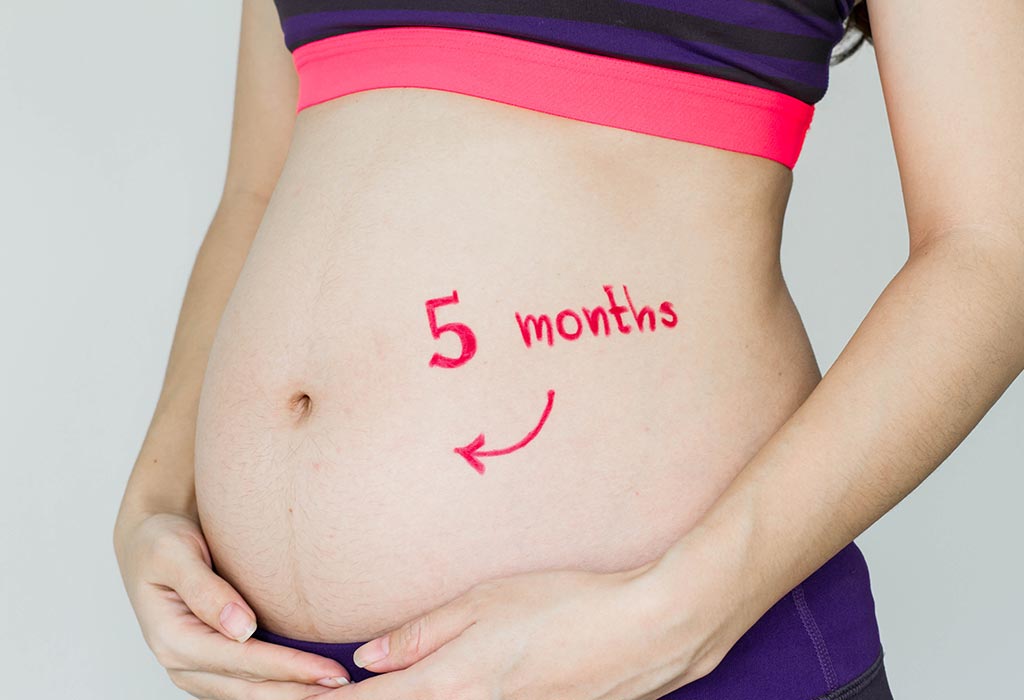
5th Month of Pregnancy: Symptoms, Belly Size, Baby Development & What to Expect
Congrats! You have reached the fifth month of your pregnancy, and you’re halfway there! Your baby is developing rapidly, and you must be eagerly waiting for your baby’s arrival. This is the time when your baby bump will start becoming visible. Your body will keep undergoing several changes to accommodate the growing baby. Your morning sickness, too, will stop, and you’ll feel better. Here’s a fun fact! Your baby’s lungs are starting to develop more this week! Find out what will happen in the fifth month of your pregnancy, how much your baby grows, what precautions are to be taken, and the things you can do during this time. You’ll also get an idea of what symptoms you can expect during the fifth month. So, read on, if you’re five months pregnant! We assure you, you’re in for a fun ride!
Five Months Pregnant – Symptoms
You will notice the following changes and symptoms in your body during the fifth month of pregnancy:
1. Heartburn
Heartburn is an unwanted symptom of pregnancy, but it lasts throughout the pregnancy. As the baby grows and develops, he may start exerting pressure on the internal organs, forcing contents to move back into the oesophagus. Also, the muscles separating the oesophagus and the stomach tend to relax, letting the stomach acid penetrate into the oesophagus, causing heartburn (1).
2. Skin Pigmentation
Fluctuating pregnancy hormones can lead to increased melanin production, triggering darkening of the skin at various places in many pregnant women (2). The skin typically darkens around the forehead, cheeks, and nose in the form of a mask. Such a condition is colloquially called the mask of pregnancy.
3. An Increase in Appetite
Most pregnant women experience an increase in appetite in the fifth month. You may also develop food cravings and aversions for certain foods (3).
4. High Blood Pressure
Some women develop gestational hypertension while pregnant, which results in high blood pressure. However, the problem of high blood pressure can occur anytime after the third month of pregnancy.
5. Palpitations
Some women experience heart palpitations due to a higher pulse rate and heart rate.
6. Bleeding Gums
Some pregnant women develop pregnancy gingivitis (swollen, tender gums) due to higher estrogen levels, leading to bleeding gums.
7. Constipation
Bowel movements become difficult due to increased progesterone levels. This causes constipation (4).
8. Vision
Hormonal changes may adversely affect the sharpness of vision.
9. Noticeable Veins
You’ll likely notice prominent veins below the skin’s surface.
10. Stretch Marks
The stretching of the skin causes stretch marks.
11. Darkening of Nipples
The nipples may become darker, and Montgomery glands may enlarge, too.
12. Change in the Centre of Gravity
A change in the centre of gravity can make you affect your balance while walking.
13. Shortness of Breath
As the uterus puts pressure on your diaphragm, you may experience difficulty in breathing (5).
14. Headache
Hormonal changes can also cause headaches.
15. Frequent Urination
As the baby grows, he puts pressure on the bladder, which may make you want to urinate frequently (6).
16. Mood Swings
Hormonal fluctuations result in mood swings and food cravings.
Concerns in the Fifth Month of Pregnancy
A few women experience discomfort in the fifth month of pregnancy. It can take the form of:
Abdominal pain
Leg cramps
Swollen ankles and feet
Backache, especially in the lower back
Increase in the pulse rate
Low haemoglobin, resulting in anaemia
The appearance of varicose veins (swollen veins) on the legs
Haemorrhoids in the rectal area
Increase in vaginal discharge
Baby Development at 5 Months of Pregnancy
By this stage, the growth of the baby happens rapidly. Your baby’s crown-rump length (CRL) will be 13 – 25.6 cm, and he will weigh anywhere between 140 and 300 grams. The following are the developmental milestones that your baby will go through in the fifth month of pregnancy.
Your baby’s skin will get coated in a thick, creamy and protective covering called the vernix. This helps protect the baby’s fragile skin from the amniotic fluid.
Your baby’s muscles and bones will become denser, and his hands, legs, fingers and toes will be well-defined.
His eyebrows, eyelids, eyelashes, hair, ears, and nails will start forming.
Your baby will now be able to stretch, open his eyes a bit, yawn, suck on his thumb, kick and move around.
He will also be able to twist and turn around.
Your baby will now be able to make facial expressions.
His schedule consists of sleeping and waking.
During this time, your baby’s fingerprints will form.
He also develops genitals at this stage.
Your baby starts hearing sounds. Therefore, outside noises can disturb him.
His brain will develop further.
By the 18th week, your little one’s immune system will develop too.
By the 20th week, the nervous system starts to function. The endocrine glands and the spleen will start performing their roles.
Your baby may assume the head-down position.
He will develop sensitivity to light.
5 Months Pregnant Belly
A 5-month pregnant belly typically becomes more noticeable as the baby continues to grow and the uterus expands above the pelvis. During this stage, many women experience a rounder and firmer abdomen, often making pregnancy clearly visible to others. The 5th month pregnancy belly also marks a period when fetal movements may start to be felt more consistently. Overall, this phase is an exciting milestone as the physical changes become more pronounced and reassuring.
Image Credit : AI Generated Image
Five Months Pregnancy Is How Many Weeks?
Five months of pregnancy is typically around 20 to 22 weeks. Pregnancy is usually counted in weeks (about 40 weeks total), so each month doesn’t divide perfectly into four-week blocks. By the fifth month, you’re well into the second trimester.
Ultrasound Scan at Five Months of Pregnancy
Your doctor may suggest a mid-pregnancy scan to check the well-being of your baby and to see how your pregnancy is progressing. This comprehensive scan is also called an anomaly scan because one of the purposes of the scan is to look for structural abnormalities in the foetus. The doctor may help you see your baby’s face, limbs, the major organs, as well as his heart on the scan.
In case the ultrasound reveals an abnormality, your doctor may recommend extra scans to establish the complication and the likely course of treatment.
Foods to Add and Avoid in the 5th Month of Pregnancy
Now that you’re carrying precious cargo, keep these things in mind while planning your diet (7).
1. Foods to Add to Your Diet
low-fat dairy (milk, cheese, yoghurt)
fresh fruits and vegetables
protein sources like lean meat like chicken, beef, and fish
whole grains (quinoa, brown rice, rolled oats)
nuts and seeds
2. Foods to Avoid in Your Diet
unpasteurised cheese
deli meat
sushi
alcohol
Other Things You Can Do at 5 Months of Pregnancy
Now that you’re in the fifth month of your pregnancy, there are a couple of fun things you can do, like:
1. Decorating baby’s room/nursery
This is a fun and bonding opportunity to spend time with your partner as you prepare for your baby’s arrival. You can go for fun themes and colours, and there’s no dearth of ideas for decorating your munchkin’s room.
2. Increasing iron intake
Your doctor may prescribe iron supplements as your iron levels may deplete in the 5th month. Iron is essential for the baby’s growth and brain development. Also, increase the consumption of iron-rich foods.
3. Shop for your baby
It’s the perfect time to shop for essentials for your little one. This helps to avoid last-minute hassles and helps to avoid situations where you may forget something.
Dos and Don’ts in the Fifth Month
To reduce your discomfort and avoid pregnancy complications, follow these dos and don’ts:
Dos
1. Increase Your Vitamin C Intake
Incorporate foods like broccoli, oranges, and tomatoes into your 5-month pregnancy diet for Vitamin C.
2. Take Natural Supplements
Eating dry fruits like dates, almonds, pistachios, and walnuts can prove beneficial during pregnancy.
3. Eat a High Fibre Diet
Include fibre in your diet to battle constipation and haemorrhoids.
4. Sit in a Good Posture
With the growing belly, maintaining a good sitting and standing posture is important. A good posture can help ease the aches and pains that occur during pregnancy.
5. Stand Under a Cooling Shower
To deal with rashes on the breasts, underarms or the groin area, take a shower with cool water.
6. Avoid Sitting/Standing for Long Hours
To improve blood circulation and avoid cramps and aches, refrain from sitting or standing for long. Get up and move around at regular intervals.
7. Take Rest
Taking adequate rest and sleeping well during pregnancy is essential to reduce pregnancy-related stress and fatigue. If you can’t sleep for long hours, take power naps.
8. Adopt a Comfortable Sleeping Position
The expanding belly makes certain sleeping positions uncomfortable. Try to sleep on your left side. A pregnancy pillow between the legs can provide comfort.
9. Wear Comfortable Footwear
Wear flats and avoid heels at all costs. You will find that your shoe size may be slightly bigger now. But you need not worry as it is due to swelling. Rest assured, your shoe size will return to normal after childbirth.
Don’ts
1. Avoid Eating Junk Food
Stay away from junk food during pregnancy; it can cause gastritis and nausea. Also, restrict the intake of fried foods and sweets.
2. Don’t Hold In Your Pee
During pregnancy, you’re at a greater risk of developing a urinary tract infection. So, if you have the urge to urinate frequently, don’t delay it or it might lead to infections.
3. Avoid Sudden and Jerky Movements
Getting up abruptly from the bed or a sitting position causes dizziness and faintness so get up slowly and take your time to walk around in the house.
Warning Signs
If you notice any of the following symptoms, contact your doctor immediately.
Vaginal bleeding
A temperature higher than 100.4 degrees
Belly/pelvic pain/severe cramping
Painful urination
Dark-coloured urine
Vomiting that lasts for more than 24 hours or gets worse
Increased or foul-smelling vaginal discharge
5 Months Pregnancy Checklist
At five months, pregnancy enters a more comfortable and exciting phase as your body adapts and your baby’s movements become noticeable. This is a great time to stay organised and focus on key health and lifestyle steps for a smooth journey ahead as a five months pregnant woman.
1. Monitor Baby Movements
By this stage, you may start feeling regular kicks and flutters. Keep a gentle track of your baby’s activity, as it helps you stay connected and aware of their well-being.
2. Maintain a Balanced Diet
Ensure your meals include iron, calcium, protein, and essential vitamins. Proper nutrition supports both your health and your baby’s rapid growth during this stage.
3. Attend Regular Prenatal Checkups
Routine doctor visits are important to monitor your baby’s development and address any concerns. Your healthcare provider may also recommend important screenings or ultrasounds around this time.
4. Stay Active and Rest Well
Light exercises like walking or prenatal yoga can boost your energy and reduce discomfort. At the same time, prioritise good sleep and proper rest to support your changing body.
Tips for Dads-To-Be
Ask your spouse to:
Help you with the household chores.
Create a pleasant environment at home.
Accompany you to ultrasound check-ups.
Spend quality time with you.
Go shopping with you for maternal essentials.
Give you a foot and neck massage.
FAQs
1. Why do some women experience sudden changes in appetite?
Hormonal shifts and the baby’s growing needs can lead to unusual hunger patterns or cravings, which help support the fetus at five months. If you notice extreme changes, discussing them during or after your 5th month anomaly scan appointment can help ensure everything is progressing normally.
2. Is it normal for the belly to feel tight at 5 months pregnant?
Yes, a feeling of tightness in your abdomen can be normal as your uterus expands and ligaments stretch to support the growing fetus at five months. However, if the tightness becomes painful or frequent, it’s best to consult your doctor.
Adopt an active lifestyle during pregnancy. Listen to soothing music, go for short walks, learn meditation and yoga, and be positive and stress-free. You can use this time to plan for the arrival of your bundle of joy! During this phase of pregnancy, there’s also a risk of miscarriage. So in case of any doubts, seek your gynaecologist’s advice without further delay.
Infographic: 5 Months Pregnancy Symptoms
Previous Month : 4 Months Pregnant
Next Month : 6 Month of Pregnancy
Read more

How To Calculate Pregnancy By Weeks, Months, & Trimesters?
If you are an expecting mother, it is natural to have a growing anxiousness about your pregnancy. There is a tendency among pregnant mothers to constantly track time – to determine the stage they have reached in their pregnancy and the time left for them to deliver the baby. While doing so, many women tend to get confused about the mathematics involved in calculating the gestational age or the due date, and the various nomenclatures used in terms of months, weeks, and trimesters. This article emulates the fundamental concepts behind these calculations and helps one understand how to calculate pregnancy by week & month.
How Is the Pregnancy Due Date Calculated?
A complete full-term pregnancy is usually considered as 40 weeks and the estimated date of confinement (EDC) or estimated due date (EDD) is calculated from the date of the last menstrual period (LMP). 280 days are added to the LMP and the likely due date is arrived at. In a full-term delivery, the baby is usually born around the time of the EDC. Since the exact time of ovulation is unknown, this calculation only gives a rough idea of the delivery date, with just 5% of babies being born exactly on their due date.
Why Is Pregnancy Calculated From the Start of Your Last Period?
The ovulation period during which fertilisation happens typically falls two weeks after the menstrual cycle. Many people do not know the exact date of conception but mostly remember the date of their last menstrual period. The time period of forty weeks is added to the LMP to get a tentative due date. During the first two weeks after LMP, you may just be ovulating and getting ready for fertilisation. However, the 40-week time period added to LMP accounts for these non-pregnant time periods. Additionally, this calculation is based on the assumption that your menstrual cycle occurs once every 28 days.
How Many Weeks Are There in Pregnancy?
According to experts, full-term pregnancy is for 40 weeks. This is the basis on which the due date is also calculated. However, any baby that crosses 39 weeks in the womb is considered to have finished the full term and attained complete growth inside the mother. Delivery happens anywhere between the 39th week and the 41st week.
How Many Trimesters Are There in Pregnancy?
The entire pregnancy period is divided into three trimesters of three months each. The first three months of pregnancy come under the first trimester, the fourth to sixth months of pregnancy form the second trimester, and the seventh to ninth month form the last trimester of pregnancy. Usually, each trimester is characterised by some specific changes, and this categorisation helps in understanding the pregnancy better.
How Many Weeks Are There in a Trimester?
Each trimester roughly consists of 13 to 14 weeks. However, the accepted way of dividing the trimester is to consider weeks 1 to 13 as the first trimester, 13 to 27 as the second, and 28 to delivery as the third. The last trimester has an additional week, compared to the other two trimesters.
Week-to-Month Pregnancy Chart
Different people choose to calculate the stage of pregnancy in different ways. Some people like to address it in terms of the number of months, while others prefer to address it on the basis of trimesters. Doctors usually calculate the pregnancy with the number of weeks, as they check the developmental milestones on a weekly basis. Expecting mothers usually find it confusing to choose a method of quantification and face difficulty in arriving at the exact number. The following weeks and months pregnancy chart can be very helpful in understanding the correlation between the weeks and their corresponding months of pregnancy. The milestones enlisted correspond to gestational age and not embryonic age.
Trimester
Month
Weeks
Milestones
First
1
1 to 4
The period during which the baby is conceived
2
5 to 8
The baby’s heartbeat starts
3
9 to 13
The baby’s organs and structures grow
Second
4
14 to 17
The gender of the baby develops
5
18 to 21
Baby starts kicking and becomes aware of the sound around
6
22 to 26
Develops hand reflexes
Third
7
27 to 30
Baby develops the ability to breathe
8
31 to 35
Nails are fully developed
9
36 to 40
Baby gets ready to be delivered
How Can You Calculate Weeks of Pregnancy?
Calculating the exact week of pregnancy is something many women find very tricky. For example, if you are in the middle of week ten of pregnancy, your doctor may say that you are nine weeks pregnant. However, the developmental milestones are matched for week ten of pregnancy. This confusion arises because of the way it is addressed.
Just like the calculation of age, the number of weeks ‘completed’ is usually considered to indicate the gestational age. The number of weeks you are into pregnancy is different from the number of weeks of pregnancy you have completed. So, while stating the stage of your pregnancy, you can say that you are nine weeks pregnant or in week ten of your pregnancy. Both are correct and accepted ways of quantifying the stage of pregnancy. A pregnancy calculation week by week will be a good option for this.
How Do Doctors Calculate Pregnancy Week?
Although the LMP method of due date calculation is widely accepted, doctors sometimes estimate the pregnancy week by alternate means to determine the actual foetal age. This is particularly useful for women who have been experiencing irregular periods and do not remember their last menstrual cycle date. One of the following two methods is used to assess the age of the foetus.
1. Physical examination
Doctors usually physically examine the mother to determine the size of the uterus. This gives them a fair idea about the week of pregnancy, especially in the first trimester. The distance between the fundus and the pubic bone varies in the first few weeks of pregnancy and doctors use this measurement to estimate the foetal age. This method does not identify other complications of pregnancy and can be quite uncomfortable for the mother.
2. Ultrasound Dating
Using ultrasound waves to capture an image of the growing foetus, is another way by which doctors quantify the weeks of pregnancy. In this method, parameters like crown rump, toe to head distance, and diameter of the gestational sac are measured and correlated to the corresponding age of the baby. Through this method, the foetal age is deciphered correctly.
Does Pregnancy Last for Nine Months?
The total time period of pregnancy is considered 40 weeks from LMP. This superficially looks like ten months, assuming each month is made of four weeks. However, in this calculation, it has to be remembered that the actual fertilisation and conception happens two weeks after the last day of the menstrual period. Additionally, some of the months have 31 days and some have 30 days, except February. As an average, every month has 4.4 weeks and not 4 weeks exactly. Based on this, the effective pregnancy period from conception to delivery which is taken as 40 weeks, translates to nine months and one week.
How Can You Know What Week of Pregnancy You Are Currently In?
Many expecting mothers often wonder ‘How many weeks pregnant am I?’ To calculate the week of pregnancy, the first day of your last menstrual cycle is considered the starting date of your conception. Calculating the number of weeks from the first day of LMP gives the gestational age of the baby.
What if You Don’t Know Your LMP or Your Periods Are Irregular?
In the case where you do not know the exact date of your last menstrual period or if you have not had a regular menstrual cycle, the doctor estimates the foetal age through ultrasound imaging. Parameters like the crown-rump length and the foetal sac measurements give an idea about the rough age of the foetus. Based on the foetal age, the expected delivery date is given by the doctor.
How Is the Calculation of Pregnancy Weeks Done After IVF (In Vitro Fertilisation)?
The calculation of the due date for a pregnancy achieved through in vitro fertilization is slightly different from that of a pregnancy that occurs by natural fertilisation. In this case, the information available for due date calculation is precise. The date of ovulation (the date at which the egg was taken) or the date at which the embryo was implanted is exactly known in an IVF pregnancy. Apart from these two dates, the due date is also calculated from the LMP, day 3 or day 5 of IVF treatment.
How Accurate Is Pregnancy Due Date Calculation?
If you’re wondering – ‘How to calculate my due date’, understand that pregnancy due date calculation is a rough estimate of the likely date at which the baby can be born. Only 5% of babies are born exactly on the due date, while all others are born a few days before or after it. The inaccuracy of the LMP date and the variation in the exact date of fertilisation are factors influencing the difference in the actual delivery date and the expected due date.
The anxiety around the due date is a very normal feeling among pregnant women. The due date that the doctor provides usually gives an approximate time frame for all the preparations towards delivering the baby. Weeks, months or trimesters are often used to quantify the stage of pregnancy and you can choose any method that you find convenient.
What Happens if Labour Is Too Early or Too Late?
There are many cases in which labour may come too early before your due date or the due date may be surpassed, with no signs of labour. There are certain steps or precautions that your doctor can take.
1. Early Labour
Pre-term birth means a birth that occurs before the 37th week of pregnancy. If the issue does not lie with the inaccurate calculation of the due date, and the baby is not fully developed for birth, the doctor may try to delay labour in order to give your baby some more time in the womb. In cases where this is not possible, the baby is closely monitored after birth to ensure good health.
2. Late Labour
Post-term birth is when labour does not occur even after the 41st week of pregnancy. This can be a cause for concern, as it could cause complications to the mother’s and baby’s health and even increase the risk of stillbirth. In this case, the doctor will try various labour induction methods for sooner delivery.
FAQs
1 How Is Naegele’s Rule Used to Calculate a Due Date?
In Naegele’s rule for calculating the dues date, there are three steps based on the 28-day menstrual period cycle. These steps are:
Determining the first day of the last menstrual period
Subtracting three months from that date
Adding one year and seven days to that date
2. What Is the Importance of Knowing the Exact Pregnancy Due Date?
Knowing the exact pregnancy due date is vital to plan tests and your gynaecologist’s appointments, prenatal care check-ups, and monitor the baby’s growth according to the gestational age.
3. Is It Possible for Your Due Date to Change?
Yes, it’s possible for your due date to change as it will depend on your baby’s growth which will be seen in the ultrasounds.
Pregnancy month calculation and monitoring is an essential part of the pregnancy journey. We wish you all the best as you prepare to welcome a new life into this world!
References/Resources:
1. Calculating a Due Date; University of Rochester Medical Center; https://www.urmc.rochester.edu/encyclopedia/content.aspx?contenttypeid=85&contentid=P01209
2. Edwards. K, Itzhak. P; Estimated Date of Delivery; National Library of Medicine; https://www.ncbi.nlm.nih.gov/books/NBK536986/
3. Due Date Calculator, Cleveland Clinic; https://my.clevelandclinic.org/health/diagnostics/22052-due-date-calculator
4. Morgan. J, Cooper. D; Pregnancy Dating; National Library of Medicine; https://www.ncbi.nlm.nih.gov/books/NBK442018/
5. Methods for Estimating the Due Date; The American College of Obstetricians and Gynecologists; https://www.acog.org/clinical/clinical-guidance/committee-opinion/articles/2017/05/methods-for-estimating-the-due-date
6. Rowlands. S, Royston. P; Estimated date of delivery from last menstrual period and ultrasound scan: which is more accurate?; British Journal of General Practice; https://www.ncbi.nlm.nih.gov/pmc/articles/PMC1372555/pdf/brjgenprac00041-0014.pdf; August 1993
7. Mahendru. A, Wilkinson. I, Johnson. S, et al.; Gestational length assignment based on last menstrual period, first trimester crown-rump length, ovulation, and implantation timing; PubMed Central; https://www.ncbi.nlm.nih.gov/pmc/articles/PMC5018029/; July 2016
8. Jukic. A, Baird. D, Weinberg. C; Length of human pregnancy and contributors to its natural variation; PubMed Central; https://www.ncbi.nlm.nih.gov/pmc/articles/PMC3777570/; August 2013
Also Read:
Reverse Due Date Calculator
How to Calculate Your Baby Arrival Date?
What Is a Contraction Calculator and How Does It Work?
Read more

3 Months Pregnant: Symptoms, Body Changes, & Diet
The first three months are the most exciting part of the pregnancy period. When you’re a 3 months pregnant woman, you know you are pregnant but are not visibly pregnant to the world around you. You keep looking at the calendar to count the days, take a careful look at your diet, find yourself growing and expanding, and begin to feel the life growing inside you. Also, it’s quite reassuring that you have made it to this point in your pregnancy! As for the foetus, the body parts begin to develop around this time, and the sex organs are also in place by this time.
Three Months Pregnant – Symptoms
There are numerous pregnancy in 3rd month symptoms. You will notice the following changes and symptoms in your body during the third month of pregnancy:
1. Morning Sickness
Nausea and vomiting could peak by the third month. Most pregnant women are relieved of these symptoms by the end of the first trimester.
2. Fatigue
Pregnancy hormones make you feel tired and drowsy. The body needs extra blood to supply essential nutrients to the fetus, affecting blood sugar and pressure levels.
3. Loss of Bladder Control
Increased formation of urine and the pressure exerted on the bladder by the growing uterus can cause a greater urge to urinate often.
4. Constipation
Higher progesterone levels slow down the digestion process.
5. Vaginal Discharge
High oestrogen levels and the dilation of the cervix and vaginal walls result in an off-white or translucent mucous discharge from the vagina, which prevents any infection from passing into the uterus.
6. Leg Cramps
Severe leg cramps and pain may be common during the night. You may need to include potassium and iron in your diet, and some gentle exercises could also help to reduce discomfort.
7. Back Pain and Abdominal Pain
Changes in hormone levels and the growing uterus stretch the ligaments and tendons, leading to back pain and pain in the lower abdomen. Try doing some low-impact exercises and stretching but only after prior consultation with your doctor.
8. Mood Swings
Hormonal changes can definitely affect your emotions. You may find yourself experiencing an array of emotions, from being sad and low-spirited to happy and joyous.
9. Bleeding Gums
Changes in your body’s hormone levels also lead to inflammation and bleeding of the gums.
10. Heartburn
The growing uterus puts pressure on the stomach and your expanding body slows down the digestion process. The pressure on the stomach causes the acids to move upwards, causing heartburn. Eat at regular times and try eating small meals.
11. Varicose Veins
As the uterus expands, it compresses the blood vessels and slows down blood circulation. This causes the swelling of the veins in your legs. Your increasing weight could also add to the load on the circulatory system leading to the appearance of varicose veins.
12. Nasal Congestion
Increased blood volume leads to the swelling and inflammation of the nasal passages. This, in turn, leads to a stuffy or blocked nose.
13. Food Cravings
It is very common for expectant mothers to develop a craving for some types of food. Alternatively, you could even develop a dislike of the smell or taste of certain foods and other substances too.
Don’t get too worried about them if you notice any of these symptoms during the third month of pregnancy, as they’re all a natural part of this phenomenon.
Physical and Emotional Changes in the Third Month of Pregnancy
Your pregnancy belly will slowly start to show during the third month of pregnancy, as your uterus will now be about the size of a grapefruit. The uterus is lifted up into the abdomen area and covers the entire pelvic region. You will definitely experience physical and emotional changes in this phase. Some of these changes might occur in the second or third trimester, if not the first itself.
1. Tender Breasts
Your breasts become tender as your body prepares for breastfeeding. The size of the breasts increases and the areola becomes darker and larger.
2. Visible Stretch Marks
You will notice stretch marks on your three months pregnant belly and breasts due to your skin stretching.
3. Dark Line on the Abdomen
The melanocyte-stimulating hormone produced by the placenta causes the darkening of the nipples. It also leads to the darkening of the line running down from the middle of your abdomen to your pubic bone.
4. Mood Swings and Depression
It is quite common to experience mood swings and depression during this trimester. Your body gets bigger, and you may become increasingly conscious of your bigger appearance.
5. Sleep Disturbance
You may find variations in your sleep pattern and could find yourself waking up in the middle of the night. Blame it on the change in your hormone levels.
6. Lack of Libido
Most women feel a sense of excitement and romance during the first trimester; however, they tend to lose interest in sex by the end of this time. It could be because of the fluctuation in hormone levels and changes in physical appearance that lead to self-consciousness.
Foetal Development During the Third Month of Pregnancy
What is your baby like when you’re third month pregnant? It would be too early to feel any particular movements, but you will feel and experience the baby’s presence in the womb. You are sure to be curious to know what is happening inside! The fetus at 3 months pregnant will be about 3.5 inches long, weighing approximately 0.04 kilos – the size of a ripe plum or lemon. The embryo gets settled inside the uterus, and the organs start their growth too.
BODY PARTS
DEVELOPMENTAL STAGE
Head
Due to the development of the brain, the head will be slightly bigger than the body.
Skin
The skin is transparent with the veins visible through it. The baby’s fingerprints are formed.
Eyelids
The eyelids, in formation, protect the baby’s eyes by covering them entirely.
Mouth
The baby’s tongue and larynx begin to develop; the jaws and the upper lip are also formed during this time.
Thumb
The baby begins to suck the thumb and also starts getting hiccups.
Heart
The heart develops, complete with a heartbeat, which can be heard using electronic monitoring devices.
Musculoskeletal system
The muscle and bone structure of the baby is formed.
Movements
Your baby will begin to kick, stretch, twist, and turn. However, since the uterus still lies over the pelvis, you may not feel all these movements.
Bone marrow
The bone marrow begins the production of white blood cells to keep the baby healthy.
Intestine
This organ begins to contract and relax to aid digestion.
Pancreas
The pancreas starts to function and secrete insulin.
Kidneys
The kidneys start the excretion of urine into the bladder.
Other parts
Distinct fingers and toes along with fingernails and toenails are formed. The little hands can now open and close. The baby’s nose and ears will be seen on the scan. The neck will be formed during this time, along with the hair follicles and nipples.
If you are pregnant with twins, the growth in the 3rd month of pregnancy for the twin foetuses will be the same as above.
To-Do List for the Third Month of Pregnancy
A to-do list for the third month of your pregnancy will help you focus on your health and remain fit until the delivery.
1. Eat Healthily
You will have cravings, for sure! However, your pregnancy diet during the third month must consist of a wholesome, healthy, and balanced combination of fruits, vegetables, dairy products, meat, nuts, grains, rice, etc. Your diet should comprise the essential vitamins, minerals, and nutrients required not just for your good health but also for your baby’s health.
2. Get Adequate Rest
Fatigue is very common. You must take the rest when you do not feel alright. Also, you can invest in some maternity pillows to rest comfortably.
3. Administer Supplements
Take folic acid supplements to avoid any birth defects and other vitamin supplements as advised by the doctor.
4. Maintain Cleanliness and Hygiene
You will be very prone to contracting infections at this stage, so make sure you follow proper hygiene and cleanliness standards for everything, from cooking to cleaning to gardening. Keep your vaginal area clean and dry as well. Ditch synthetic fabrics during this period and get your hands on cotton undies that will be comfortable and breathable.
5. Pay Attention to Your Dental Health
Schedule an appointment with the dentist as you may be prone to bleeding gums and aching teeth due to the changes in your hormone levels. It’s important to take great care of your gums during this period, as developing gum diseases can also affect the health of your developing baby.
6. Gain Knowledge About the Birthing Process
Enrol in childbirth education classes to cope with anxiety, stress, and other issues.
7. Communicate
A very crucial aspect, make sure you communicate enough with your partner, close friends or relatives about any issues or apprehensions that you have. It is important to take your loved ones into confidence to get some reassurance regarding your problems and avoid falling into depression.
8. Quit Smoking and Alcohol
Smoking and alcohol are strictly not recommended as they could prove detrimental to your baby’s health and could lead to a miscarriage.
9. Limit Your Intake of Caffeine
Cut down your intake of hot beverages like coffee and tea, as it increases the risk of suffering a miscarriage and can result in the baby’s low birth weight.
10. Exercise
Indulge in simple exercises like walking and swimming. Avoid sports that carry a risk of a fall or pressure on joints.
11. Stay Active
Try to keep yourself engaged in activities that will keep your mind engaged. Knit, paint or sketch to stay stress-free.
12. Attend Regular Prenatal Check-ups
Schedule and attend prenatal check-ups with your healthcare provider to monitor the progress of your pregnancy and address any concerns or questions you may have.
Exercises You Can Do During the Third Month of Pregnancy
A few exercises to stay fit during the third month of pregnancy:
Morning Walk: It helps to beat fatigue and morning sickness. It refreshes you and increases blood flow in the body.
Swimming: This activity is highly recommended for pregnant women as a great form of exercise. It tones your muscles, stretches your ligaments, and increases blood circulation.
Pilates: This activity helps build strength and increases your flexibility.
Low-impact aerobics: This activity strengthens your heart, tones your muscles and relieves you of body pain.
Yoga: Performed under professional guidance, it could do wonders for you and your baby.
Precautions to Follow During the Third Month of Pregnancy
Here is a list of precautions you should consider:
Avoid lifting heavy objects and doing stressful activities that will pressure the womb.
Stay away from spicy, oily and fatty food to avoid digestion troubles.
Wear loose-fitting clothes and a comfortable bra.
Wear flat, comfortable footwear that does not put any kind of pressure on your feet or the back.
Quit smoking, alcohol and drugs entirely to ensure your baby’s good health.
What to Expect During Your Visit to the Ob/Gyn?
Your doctor will check the following:
Your health history and that of your parents.
Any previous medical conditions you’ve had.
Your weight and blood pressure.
The baby’s heartbeat, which would only be audible on the hand doppler after 10 to 12 weeks of pregnancy.
The size of your abdomen to approximate the size and fundal height of the uterus (which only starts to become palpable post the third month of pregnancy).
Blood and urine tests to assess your overall health and check for any underlying conditions or potential complications.
An ultrasound to visualize the developing fetus, confirm the due date, and check for any abnormalities.
Lab Tests
Some of the tests performed in the 3rd month of pregnancy are as follows:
1. Urine Test – To determine the levels of sugar and protein in the body and to check for any infection.
2. Blood Test – To detect your blood group and Rh factor to check for anaemia.
3. Fluid Retention Test – To check if you have any swelling in the arms and legs.
4. First-trimester Screening Tests – An ultrasound is conducted to determine any risk to the fetus, screen for birth and genetic defects, and detect markers of chromosomal disorders.
5. Maternal Serum Screening Tests – A series of tests are conducted to assess whether you face the risk of giving birth to a baby with Down Syndrome, Edward Syndrome, or any neural tube defects.
6. Chorionic Villus Sampling (CVS) – This diagnostic test is carried out on pregnant women who are at high risk for the conditions mentioned above. It is carried out during the 11-13 weeks of pregnancy to check whether the unborn child will have any congenital defects.
Ultrasound Scan
The Nuchal translucency (NT) scan is a 3-month pregnancy scan done to examine the amniotic fluid parameters, the position of the placenta in the uterus, and assess any risk of abnormality in the foetus.
5 Tips for the Dad-to-Be
Mommies, it’s not you alone who has to follow many tips and precautions during this period. Dads-to-be, you need to take up some responsibility as well. Here are some helpful tips to help you become a great partner and dad-to-be!
1. Help your partner with household chores to reduce her fatigue.
2. Support her by being there all the time as she might have no time left for social interactions.
3. Be supportive and understanding when she experiences her mood swings.
4. Talk to the baby to establish a bond.
5. Accompany her for all her doctor visits to know what is happening.
FAQs
1. Is Detecting a Neural Tube Defect Possible During the 3rd Month of Pregnancy?
Spina bifida or neural tube defect is a congenital malformation that can be detected during the first trimester. An ultrasound scan can detect it more accurately during the second trimester.
2. How Much Weight Will I Gain by the Third Month of Pregnancy?
Since the baby is still small, you will gain about 1 or 2 kilos by the end of the first trimester. However, some women lose weight due to aversions of certain foods and morning sickness.
3. Can an Ultrasound Detect the Gender of the Baby by the Third Month?
The baby’s reproductive system is still developing at this point, so it will be difficult to determine the sex of the baby. The results will be about 75% accurate when done between 11-14 weeks of the gestation period.
4. Is It Safe to Color Your Hair at 3 Month Pregnancy?
Generally, using hair dye when you’re three months pregnant, is considered safe. However, it’s advisable to opt for ammonia-free and well-ventilated products to minimize potential risks. It’s best to consult with your healthcare provider for personalized advice.
5. Is It Normal to Have Stomach Pain at Three Months Pregnant?
Mild stomach pain can be normal during the third month of pregnancy and is often attributed to the stretching of ligaments and muscles as the uterus expands. However, persistent or severe pain should be discussed with your healthcare provider to rule out any potential issues and ensure the well-being of both you and the baby.
By the 12th week of your wife’s pregnancy, there is a good chance that even you’ll experience pregnancy symptoms – yes, it’s true! Known as couvade syndrome or sympathetic pregnancy, it’s a condition in which the partner experiences certain pregnancy symptoms such as nausea, abdominal pain, minor weight gain, and disturbed sleep. Now, don’t worry if you notice these symptoms. Indulge in the same home remedies your wife tries out to gain relief from these symptoms.
Moms-to-be, the third month is a crucial period for your pregnancy. You will no longer experience nausea and vomiting, but you will have more medical visits. It is definitely an exciting phase, and the changes in your body will certainly make you conscious that you have a little one growing inside you. Get ready to make the announcement officially!
Resources/References:
1. A Partner’s Guide to Pregnancy FAQs; The American College of Obstetricians and Gynecologists; https://www.acog.org/womens-health/faqs/a-partners-guide-to-pregnancy
2. Fetal development: The 2nd trimester; Mayo Clinic; https://www.mayoclinic.org/healthy-lifestyle/pregnancy-week-by-week/in-depth/fetal-development/art-20046151
3. Fetal development: The 1st trimester; Mayo Clinic; https://www.mayoclinic.org/healthy-lifestyle/pregnancy-week-by-week/in-depth/prenatal-care/art-20045302
4. Pregnancy Discomforts; Cleveland Clinic; https://my.clevelandclinic.org/health/articles/pregnancy-pains
5. Signs and symptoms of pregnancy; NHS UK; https://www.nhs.uk/pregnancy/trying-for-a-baby/signs-and-symptoms-of-pregnancy/
6. Stages of Fetal Development – First Trimester; Louisiana Department of Health; https://ldh.la.gov/page/stages-of-fetal-development-first-trimester
7. Masihi. S, Barati. M, Marfu. J, Eskandari. Z; Detection of neural tube defect in the first and second trimester of pregnancy by ultrasound in Imam Hospital, Ahwaz between December 2008-2010 (Iranian Journal of Reproductive Medicine); National Library of Medicine; https://www.ncbi.nlm.nih.gov/pmc/articles/PMC4169848/; November 2012
Also Read:
2nd Month of Pregnancy
Third Month Pregnancy Diet
Four Month of Pregnancy Symptoms
Read more

Does a Child's Taste Preferences Develop in the Womb?
Food has the power to connect us all and it even connects a baby to his mother when he is in the womb. You must be thinking how can a baby taste and understand different flavours in the womb. In the first two months of pregnancy, a baby’s taste buds develop and by the second trimester, a baby is able to understand the taste of different foods. Read this article to find out how a baby’s sense of taste develops in the womb.
Can Unborn Babies Taste What You Eat?
Though your baby’s mouth will not be developed completely in the womb yet, and he’d still be learning how to swallow. Research has shown that it is possible for a foetus to taste what mom eats. Yes, your little one can taste food, even in the womb! This is something that helps us understand how some children are alright with eating certain foods, and others are not. Being exposed to specific tastes early in the womb means your baby will show a preference for those things, even after being born.
How Does an Unborn Baby Taste Food?
When you eat, the flavours of the food you consume goes on to flavour the amniotic fluid that surrounds your baby while in the womb. Your baby tends to swallow much of this amniotic fluid on a daily basis, which means that he is exposed to the different flavours once his taste buds begin to form, which happens around eight to fifteen weeks.
Development Stages of Taste Buds in Unborn Babies
Here are the stages of development of the taste buds in a baby in the womb:
1. Week One to Week Eight
Your baby’s brain cells will begin to spread out to the different parts of the body, including where your baby’s mouth will soon develop.
2. Week Eight
The first taste buds are formed around the area where your baby’s tongue will eventually develop. The neurons that had spread out from your baby’s developing brain will now connect to these taste buds. Your baby will not be able to taste just yet, but the buds formed will be the receptors for the main taste categories such as sweet, sour, salty and bitter.
3. Week Fourteen to Week Sixteen
Taste pores form on the baby’s tongue during this time. These tiny little pores, or pits, that have been created are what initiate the brain cells to register taste once the food molecules come into contact with it.
What All Can Your Foetus Taste?
What your baby tastes will not be as intense for him as it is for you. This is because what we perceive as taste is often actually smell. Many will already have noticed how much harder it is to taste food when you are down with a cold and are unable to smell. Even experiments that have people taste food after having their noses pegged have found that they were less able to identify what the flavour they tasted actually was. While your baby’s sense of smell is developed, the food he tastes in the womb is usually filtered down and its scent is not as strong as it is for you. So while your baby can pretty much taste anything that you eat, he will have a more intense experience with food that has a stronger smell, such as mint or garlic.
Do Babies Develop Food Preferences in the Womb?
As per research, the food that a pregnant woman eats has a substantial impact on the food that her child chooses to eat after he is born. The babies whose mothers drank a lot of carrot juice in their third trimesters showed a preference for food flavoured with carrot and did not make as many negative faces when given the food as the children whose mothers did not.
What Should a Pregnant Woman Eat to Encourage a Broad Palate in Foetus?
Many healthcare providers claim that if the moms-to-be followed a varied diet during pregnancy, they will be able to influence their child’s future eating habits. So if you want to avoid having a picky eater and would like your little one to eat a good, healthy, and balanced diet when he is out of the womb, you will need to follow a healthy diet during pregnancy. They call this prenatal flavour learning, and it is essential that mothers encourage this in their children, as it reduces the risk of obesity and diabetes. Here are some of the foods that you should include in your diet to have a child who will make less of a fuss when it comes to eating different types of food:
Rather than satiating your pregnancy cravings with salty, fried junk food, opt for fresh fruits and vegetables instead. This will keep you healthy during your pregnancy, but it will also condition your baby to prefer these flavours over the flavours of junk food.
If you want your baby to learn to like eat all types of foods, then incorporate those in your diet. If you eat spicy food during pregnancy, your baby will learn to handle the spices of the different curries and other types of food when he starts eating after birth. Remember though, too much spice is not good for either of you at this stage, so do not go overboard with it.
Although your child’s taste preference will undoubtedly be influenced by the food you eat during pregnancy, it is not always a sure way of solving the problem of picky eaters. Many children still do not like the taste of broccoli, despite their mothers eating a lot of it when they were in the womb. You will have to do continued food training by conditioning your child through weaning.
Also Read: When Does a Foetus Start to Hear?
Read more
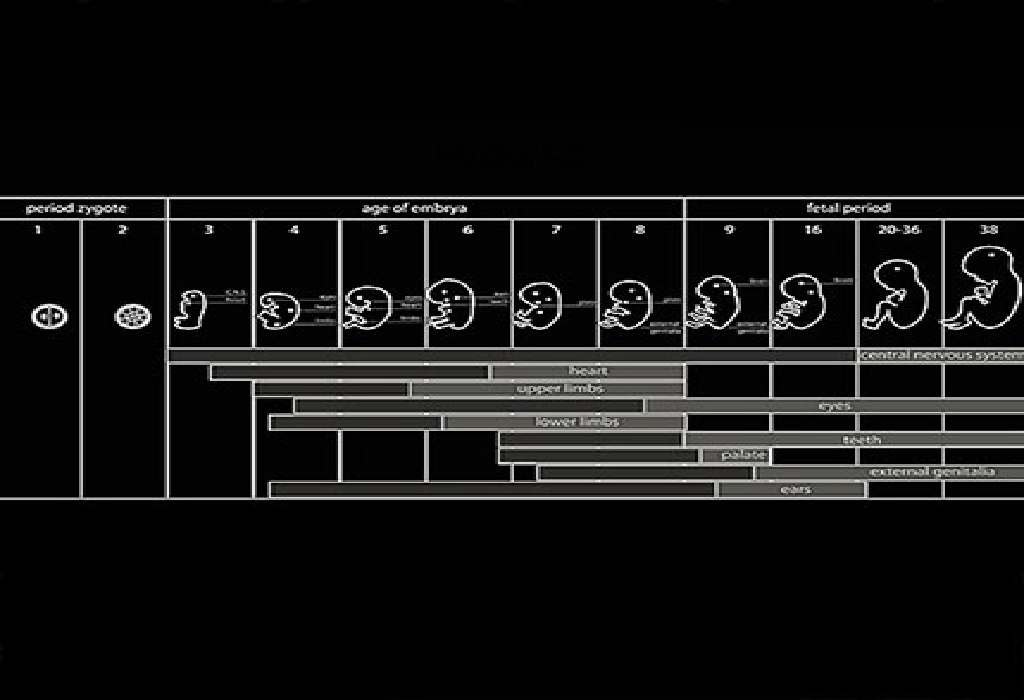
Foetal Development: Growth in First, Second and Third Trimester
Pregnancy translates to a lot of external changes in your body. Knowing how your baby is growing each day, helps a lot in dealing with pregnancy in a better manner.
After twenty-four hours of fertilisation, the egg, which is a single cell, starts to divide into many cells inside the fallopian tube and this process continues for nearly three days. What follows is a series of developmental changes that lead to a full-grown baby. The divided cells pass from the fallopian tube to the uterus and then get attached to the endometrium. This entire procedure is called implantation. These cells then combine together and form a ball called embryo. The entire process of pregnancy is divided into three stages, called the trimesters. Each stage witnesses a major change:
First Trimester Foetal Growth
Month 1
The first month of pregnancy includes many things, such as conception, fertilisation and implantation. After the woman ovulates, egg fertilises within around 24-28 hours. A single cell that fertilises, starts to divide at a rapid speed and is known as a zygote. During fertilisation, major factors such as your baby’s eye colour, hair colour and gender are all determined. What follows is the implantation within the uterus, however, if this does not take place, it is the case of ectopic pregnancy (a complication in pregnancy when the implantation takes place outside the uterine cavity). Next in line is the formation of the umbilical cord, amniotic sac and yolk sac. As the month closes, your baby becomes approximately 2mm in length and enters the early stages of development.
Month 2
This week signifies, initial formation of the neural tube, heart, liver, arms, legs and other major body organs. During the sixth week, his heart will begin to beat and can be easily detected through ultrasound scanning. Other things such as placenta, eyes, ears, bones and mouth also begin to form. The toes and fingers of your baby will start developing, but they remain webbed. At this stage, your little one is one and a half to three and a half inch long and may weigh around 1-2 grams.
Month 3
You can easily witness the baby’s leg and arm movement through an ultrasound in this month. All the major organs completely develop by the end of this month. The sex organs continue to grow, but are not formed completely. The tadpole structure gives way to a more human-like face and by the end of this month, your baby weighs around 1 ounce and is 3-4 inches long.
Second Trimester Foetal Growth
Month 4
By this month the baby’s hair and teeth start to develop. His digestive system begins to take shape and the first stool, known as Meconium is also present in his intestines. As this month comes to an end, the baby weighs 5-8 ounces and is approximately 5-6 inches long.
Month 5
Lanugo (fine hair) start covering the baby during this phase. His eyebrows and eyelashes start taking form. This is the stage when your baby’s fingerprints and footprints develop, while he also begins to suck his thumb. A lanolin like covering begins to form on his skin like a protective cover, this is known as Vernix. By the end of this month, the baby weighs around ¾-1 pound and is 7-8 inches long. You might start to feel the little one’s movement within the womb.
Month 6
This stage involves the development of antibodies and the immune system. By this time he has an evolved grip and startle reflex, the lungs and alveoli are also forming well. As the month comes to an end, the baby is around 9-10 inches long and weighs around 1½-2¼ pounds.
Third Trimester Foetal Development
Month 7
By this stage, the baby can open his eyes and produce tears. He is quite active with his movements within the womb. Another milestone achieved is that the baby can have hiccups. His bones and body fat also begin to develop by now. By this month’s end, he weighs around 3-3½ pounds and is 11 inches in length.
Month 8
The baby is almost formed by this month and there is no new development. However, he is maturing each day and preparing himself for the life that awaits out of the womb. This time for the baby is defined by REM (Rapid Eye Movement) sleep, a dreamy state of sleep with random, rapid eye movement. He weighs around 5-6 pounds and is around 13 inches long.
Month 9
This is the time when the baby is preparing for birth. He will be spending a lot of time resting, but also exhibits active periods. During this time, he is facing down and weighs around 7-8 pounds with a height of around 19-21 inches.
Also Watch: Month by Month Foetal Development
Watch how your baby develops in your womb- month by month
Your baby will continue moving lower into your abdomen in order to get ready for birth. Babies born between 37 and 42 weeks are considered full-term babies. Babies born between 32-37 weeks are considered premature babies and they might need intensive neonatal care upon birth.
Read more

Third Trimester of Pregnancy – Symptoms, Body Changes & Diet
When a woman gets pregnant, it is one of the most beautiful and transformative experiences in this world. You walk with a radiant smile on your face, and your entire being seems to glow with joy. As time passes and you notice your tummy growing, marking the beginning of the third trimester of pregnancy, typically around the 28th week of your pregnancy, you may feel a mix of excitement and anxiety. It’s completely normal to feel overwhelmed during this stage, but you need not worry too much. This guide is here to help you understand what to expect in the third trimester, helping you clear your doubts and address any concerns you might have.
What Is the Third Trimester?
The entire nine months of pregnancy, i.e. nearly 40 weeks of pregnancy, are usually divided into three trimesters. Talking about the third trimester weeks, it includes the 28th to 40th week of pregnancy (1). In simple words, it is the last three months of pregnancy and thus the most crucial one.
This third trimester of a pregnancy can be both mentally and physically challenging for a woman owing to the final growth stages the foetus goes through. In general, the foetus development is over by the end of week 37, and after that, you may become a mother anytime and knowing what all you can do and expect during this period can actually do the needful.
Third Trimester Pregnancy Symptoms
The 3rd trimester of pregnancy is the point of pregnancy where maximum care and precautions need to be taken. A woman may feel pain, anxiety, and other 3rd trimester symptoms.
But the following are the major symptoms you need to look out for when stepping into the third trimester of pregnancy (2):
Increased foetus movement, sometimes in the form of what you may call kicks.
Stiffening of the uterus, aptly known as Braxton-Hicks Contraction, may occur, but they are not usually painful.
Frequent urinal discharge will make you take several trips to the bathroom.
Heartburn or acidity is common in the other two trimesters, too.
Swollen ankles, joints or fingers. These are the side effects of your body changing rapidly.
Tender or sensitive breasts that may even discharge the milky liquid already.
Insomnia may be either because of anxiety or hormonal changes, as well as the growing belly causing discomfort.
Haemorrhoids, i.e. the swollen veins near the anus or in the lower rectum area.
Foetal Development
When stepping into the third trimester, your baby may already have grown large. The foetal weight gain in the third trimester may vary from around two and a half pounds and sixteen inches long in the 28th week of pregnancy to around six to nine pounds and nineteen to twenty-two inches long by week 40.
This change may baffle you, but this is how a baby grows through the entire pregnancy period. Read on to see the stages of foetal development in the third trimester (3).
Bones: When you enter the 32nd week of your pregnancy, by then the bones of your baby may get fully developed. The cartilage of the foetus fully transforms into bones, and the calcium required to develop healthy bones comes from your calcium-rich diet.
Hair, Skin, and the Nails: When the 32nd week of your pregnancy starts, the baby’s skin may also develop fully, including hair growth and nail formation.
Digestive System: When you reach the last few weeks of your pregnancy, meconium, or the baby’s “first poop”, consisting of blood cells, vernix, and the lanugo will start to show up in the fully formed baby’s intestines.
The Senses: The foetus’ touch sensibility may develop in the 29th or the 30th week of pregnancy. And, by week 31 your unborn may start showing response towards the known senses, i.e. the ability to see and perceive light, taste senses, hearing, and smell.
Brain Development: The brain may also show noteworthy growth in the third trimester as the foetus may be able to even dream or regulate its own body temperature.
Organs: By the 37th week of pregnancy, the organs of the baby are also completely developed.
Head Position: By the 36th week, the head of the foetus should be facing downwards. And, if after an ultrasound, your doctor tells you that this is not the case, then he may do his best to change the positioning or may suggest you go through a caesarian section surgery.
Body Changes
The third trimester means a large belly and along with that size increase, a lot of other things may occur in your body irrespective of them being visible or not. The following section puts light on some of these body changes (4):
Stomach Pains: The round ligaments which support the lower abdomen start stretching to the extent that you may feel sharp intolerable stomach pain. This stretching is due to the adaptability of the body for accommodating the growing baby. There is no way you can avoid this pain rather than being patient and tolerable towards the pain.
Tiredness: In your third trimester of pregnancy, you have to carry your weight along with the increasing weight of the baby. This may become difficult to handle and may result in you being tired every now and then. This discomfort may also lead to difficulty in sleeping, but it is up to your wisdom on how to move forward in an organized manner. It is advised to eat well, keep yourself moving but in limits, and manage your sleep well.
Braxton-Hicks Contractions: This is one body change that would continue until the real labour starts. This is stiffness or the “practice contractions” that you may feel frequently that may even fool you into thinking that it is time for the delivery.
Stretch Marks: To accommodate the growing size of the baby, your body stretches to the extent that stretch marks start showing up. These stretch marks are a sign of the normal growth your baby may be going through. You could gently apply moisturiser to the stretch marks to help reduce its effect.
Back Pain: When you carry the weight of your body and the baby’s, your back supports it. But this may result in sharp back pain. The back pain may also occur because of the high secretion of “relaxin”, the pregnancy hormone; your joints start to loosen up, and the grown abdomen may pull the centre of gravity of the body in the forward direction.
Frequent Trips to the Bathroom: In your third trimester, even a single sneeze can make you pee in your pants. This is because the additional weight on the pelvic floor that makes it irresistible to control peeing.
Milky Breasts: Your breasts may start secreting the milky substance, and this may be the body’s sign that you are soon going to be a mother.
Weight Gain
The weight gain in the crucial period of the third trimester is rapid. This is the time when your baby gains maximum weight. According to research, a baby generally weighs from around 2 pounds in the 27th week to 4 pounds in the 32nd week. By the end of the pregnancy or more precisely the 40th week, the baby’s weight may vary from 6-10 pounds.
Apart from the baby’s weight, your body weight may also increase due to the presence of fluids, amniotic fluid, over-sized uterus, or even the more blood formation. This is the reason a doctor advises to stay fit during the first two trimesters so that the entire body weight in the third trimester becomes easy to bear. Staying active and moving is the key here if you want to be saved on extra kilos that you put on.
Exercises You Can Try
Pregnant women who prefer exercising during the 40 week period enjoy better overall health, controlled weight, and better mood. Low to medium intensity exercises have always been recommended by physicians but one should keep the safety factor in mind.
The following are exercises recommended that can be continued during the pregnancy’s third trimester (5):
Walking and Light Jogging: Walking is the best exercise for pregnant women since time immemorial. Just get your sports shoes on and start walking on smooth pavement. Also, do not brisk walk as this may leave you tired. You could also do slow jogging unless you have complexities or any other discomforts.
Swimming: If you have a swimming pool to go to, why not use it? You could either swim through the pool or even do easy and recommended aqua activities. One of these activities could be lap swimming which could help in providing relief from abdominal pains. Water could prove to be soothing to the body in many ways, but it is recommended to not exert pressure on your body.
Yoga: This is one of the best exercises that can help you stay fit, release stress, and keep your mood elated. Yoga also prepares you for taking on the labour pains in a less painful manner. Preferring to meditate and do the yoga for about 20 minutes would be more than enough but repeating it twice a day would be highly beneficial.
Body Weight Workouts: You could also try squats, wall push-up or planks when in the third trimester of your pregnancy. These exercises can build stamina and the strength you would need during your labour period. Avoid crunches or any kind of abs-oriented workout in the last three months of the pregnancy.
It is recommended to consider doing the mentioned exercises only after a thumbs up from your physician or gynaecologist who can give you the best advice for you and the baby.
Tests and Scans
The third trimester includes those last three months of your pregnancy that require utmost care and attention. One of these cares includes visiting the doctor frequently for the required tests and scans. The following are the tests and scans that you should know of:
Ultrasound Scan: The third-trimester ultrasound would be similar to the ones conducted in the previous two trimesters. This test would help in knowing the baby’s head position and growth advancement.
Electronic Fetal Heart Rate Monitoring: This procedure is conducted to ensure if the baby’s heart is functioning properly with the heart rate as per the normal standards or not.
Group B Streptococcus Screening: Group B strep bacteria are normally found in the bowel, vagina, the throat or even the rectum. It is not dangerous for adults but may cause infections to the growing baby. Thus a doctor checks for the intensity of this bacterium for ensuring sound health of the foetus.
STI Tests: The doctor may also check for sexually transmitted infections such as Chlamydia, HIV, gonorrhoea, and syphilis as this may also get transmitted to the baby as well.
Third Trimester Diet
Maintaining a healthy diet is one important thing to consider during the entire pregnancy period. A nutritious diet would help you stay upright and going in the third trimester. You should know what to eat and what not to eat, as it is the health of your baby in question and not something you can compromise (6).
Foods to Eat
Lentils should be preferred as they are rich in fibre and proteins.
Fruits such as guava, apples, oranges, kiwi or even melons can be included in the routine diet plan for they provide energy and the required vitamins.
Dry fruits such as walnuts, almonds, raisins or even hazelnuts should be eaten as they are rich in vitamins and fibre.
Avocado should be included in the diet as it is rich in fibres, vitamin C, and vitamin E.
Eggs provide the essential fats required during pregnancy, but one thing to keep in consideration is to only consume fully cooked eggs.
Plain yoghurt is also a recommended option for pregnant women as it is a rich source of nutrients and healthy fats.
Foods to Avoid
Avoid unpasteurized milk and any product made from it as they may be laden with disease-oriented microbes.
Avoid eating raw fish, chicken, or meat.
Processed food and junk food are a complete no-no.
Avoid pineapple, papaya or even grapes.
Do not consume any caffeine products.
Avoid high salted foods as it may result in water retention which may lead to swollen feet and fingers.
Avoid street food or any food source if you are unaware of the hygiene and handling.
To-do List in the Last Trimester
The 3rd-trimester pregnancy care is important, and here is the to-do list for ensuring good health throughout the third trimester:
Keep your weight in control by following a maintained diet plan and do the recommended exercises.
Schedule for tests and scans with your doctor for ensuring the good health of your baby and you.
Buy baby essentials like clothes, strollers, diapers, powder, soaps, moisturizers, and more.
Consult your doctor for tips for managing labour pains.
Keep your hospital bag ready with blankets, bottles and baby essentials intact.
Precautions to Take During the Third Trimester
The major precautions that need to be taken during the third trimester of your pregnancy are divided month-wise so that you can easily follow up.
7 Months Pregnant
In the 7th month of pregnancy, avoid carrying any kind of heavy load that may put stress on your belly and your back.
Prefer taking the support of railings when climbing up or down the stairs and if possible avoid taking the stairs altogether if you have access to the elevator.
Prefer leaning on your left side when sleeping as this would help in enhancing the blood flow and would also help in making you sleep better.
Avoid overeating as this may result in heartburns or unwanted weight gain.
8 Months Pregnant
Avoid exerting yourself too much and also keep your body well hydrated.
Lie down on your back whenever you start experiencing Braxton Hicks Contractions.
Prefer visiting your doctor at least once a week to keep a record of your health.
Do not leave exercising but continue it only after consulting your doctor.
Avoid going for long journeys and prevent going on air journeys.
Avert from going out in dusty weathers as it may make you vulnerable to bacteria that may cause issues to you and the foetus.
Maintain a healthy diet plan but as mentioned earlier, do not overeat.
9 Months Pregnant
Go for walks and keep yourself in a positive mood.
Travelling is a complete no-no during the ninth month of pregnancy.
Decide on the birth process and make all the arrangements beforehand to avoid any last-minute panics.
Go for weekly checkups to keep the track of the final stages of development.
Eat a lot of fresh fruits and natural juices and maintain a healthy diet.
Do not stay alone during this period and always keep someone by your side.
Warning Signs to Watch Out For
Sometimes, due to complexities or other unknown reasons, your pregnancy may come under the risk spectrum. The following are the warning signs to look for which point the need to visit your doctor:
The white discharge during pregnancy in the third trimester is common but if you notice that the discharge is quite heavy and wets your undergarment in a short duration visiting your doctor is recommended.
Look for any kind of bleeding and consult your doctor immediately.
If your face reddens or you go out of breath and feel contractions, it may be time.
If you experience severe stomach pain during pregnancy, particularly in the third trimester, seek immediate medical help.
Dizziness, nausea, or vomiting are also red flag symptoms to watch out for.
Increase in swelling or a rapid weight gain in the last few weeks can be a sign of impending preeclampsia.
Tips to Deal With Discomfort in the Third Trimester
The third-trimester pregnancy is known to be associated with discomfort due to an increase in weight and hormonal changes. Here are some tips to help you deal with the discomfort of the third trimester (7):
Be more endurable and show patience. Panic and cribbing about pain won’t help. These discomforts are ought to occur and comforting your mind with positive feelings would help a lot.
Do not drink too much water before going to bed as this may lead to an increase in the number of times you visit the bathroom.
Attend special counselling classes for pregnant women where you would be taught to deal with the discomfort along with several relaxation exercises.
Always keep your loved ones near, as these discomforts can induce negative thinking or even other complications that require attention.
Sit up in a good posture and use a chair to provide support to your back as this can help provide relief from back pain.
FAQs
1. Why do some women experience numbness or tingling in their hands during the third trimester, and is it concerning?
Numbness or tingling in the hands, often caused by carpal tunnel syndrome due to fluid retention and swelling, is an unusual but not uncommon symptom in the third trimester. While it’s usually temporary and resolves after delivery, mention it to your doctor if it becomes severe or interferes with daily activities. Wrist splints or gentle hand exercises may help alleviate discomfort.
2. Is it normal to have vivid or strange dreams about labour and delivery in the third trimester?
Yes, vivid or unusual dreams about labour, delivery, or even unrelated topics are common in the third trimester due to hormonal changes and heightened emotions. These dreams are generally harmless but can feel unsettling. Practising relaxation techniques or discussing your feelings with a partner or counsellor can help ease anxiety related to these dreams.
Owing to the sensitive period of the third trimester, this guide will help you know about the A-Z of week 28 to week 40. Feeling excited and nervous at the same time? Do not worry; everything will be fine when the new joy enters your life in the form of a beautiful baby.
References/Resources:
1. American Pregnancy Association – Third Trimester of Pregnancy: Fetal Development
2. FamilyDoctor.org – Changes in Your Body During Pregnancy: Third Trimester
3. Mayo Clinic – Fetal development: The 3rd trimester
4. Johns Hopkins Medicine – The Third Trimester
5. Birth Injury Health Center – Exercising During the Third Trimester
6. Better Health Channel – Pregnancy and diet
7. Northwestern Medicine – Staying Comfortable in the Third Trimester
Also Read:
First Trimester of Pregnancy
Second Trimester of Pregnancy
Diet for Third Trimester of Pregnancy
Things to Do and Avoid in 3rd Trimester
Read more

Pregnancy Stages – Conception to Labour
Counting from the first day of your last period, pregnancy lasts for about 40 weeks. Most women aren’t aware of it until the second month when they miss their period. Pregnancy stages, week by week, are grouped into three trimesters, during which hormonal and bodily changes can be anticipated. These pregnant woman stages also correspond to the development of the baby, with each trimester marked by significant growth and milestones. Understanding the different maternity stages is essential, as it helps you track both the progress of the pregnancy and the changes occurring in your body. Continue reading to understand how your body changes while your baby grows through the stages of pregnancy month by month.
What Are the Stages of Pregnancy?
There are several stages during pregnancy. Know what they are:
Conception
This first stage of pregnancy begins with a sperm cell fertilizing the egg. To understand the process better, it can be divided into following steps:
Every month a bunch of eggs called oocytes get ready for ovulation, which is the release of an egg from the ovary. Each egg develops inside a fluid-filled cyst called a follicle and only one of those follicles reaches maturation. The rest degenerate.
During ovulation, the follicle breaks to release an egg from the ovary. The ruptured follicle develops into what’s called a corpus luteum which secretes the hormones progesterone and estrogen. Progesterone prompts the endometrial lining of the uterus to develop for a possible pregnancy.
If the released egg meets a sperm and is fertilized by it, your baby’s genetic makeup reaches completion, including its sex. This fertilized egg within 24 hours of fertilization divides rapidly into many cells and moves slowly along the fallopian tube for about three days on its way to the uterus. It is now called a blastocyte.
Its next task is to attach itself to the uterine wall, a process called implantation. The blastocyte sheds its protective covering and it makes contact with the uterine wall. Exchange of hormone helps it to attach itself. Some women at this point notice a slight bleeding called spotting for one or two days during the time of the implantation and it is one of the early stages of pregnancy symptoms. If successful, the uterine wall becomes thicker and the cervix gets sealed by a mucus plug marking the beginning of your pregnancy. If the blastocyte fails to implant, it naturally passes out of the body.
In about three weeks, the blastocyte is in the form of a tiny ball and is now called an embryo with the baby’s first nerve cells forming. Skipping of your next period indicates pregnancy if it is confirmed by the urine test. The test looks for the pregnancy hormone human chorionic gonadotropin (hCG).
First Trimester
Conception is part of the first-trimester pregnancy stages. The first trimester spans from week one to twelve and brings many changes.
Changes in Mother’s Body
The first trimester brings about a lot of changes in your body with hormones affecting every organ and system. The changes trigger plenty of unpleasant symptoms with your periods stopping being a clear sign of pregnancy. The other symptoms include:
Swollen and tender breasts and protruded nipples
Exhaustion
Morning sickness and upset stomach with or without vomiting
Distaste for certain foods and craving for other foods
Mood swings
Frequent urination
Constipation
A headache
Heartburn
Weight gain or weight loss
As the body changes you might have to make changes to your routine to cope with it such as going to bed earlier or eating small and frequent meals. Symptoms usually disappear in time and some women may not feel them at all.
Changes in the Foetus
Month 1:
In the first week, the blastocyte implants into the uterine wall and begins to multiply. The placenta begins forming to nourish the baby.
Heartbeat starts around the 21st day and the nervous system with spinal cord and nerves and muscles begin developing by week four.
Month 2:
At this point, it is an embryo and a fraction of an inch long.
The circulatory system begins to form with the heart in place.
Stomach, liver, and pancreas begin to form.
The limb buds can be seen.
Facial features begin to develop by the end of the month.
Month 3:
Bones, muscles, fingers, toes, and teeth buds begin to develop. Post 8 weeks, it is called a foetus.
The skin is transparent, eyelids are closed.
Muscles and nerves continue to develop.
By the end of the third month, the foetus is close to 10cm long and weighs around 28 grams.
Second Trimester
The second trimester is what most women find to be the easiest as their morning sickness and fatigue is past them and they start feeling good. Though, the changes to your body continue with the abdomen beginning to expand from week 13 to week 27.
Changes in Mother’s Body
As your body prepares to make room for your baby, you may experience symptoms such as:
Body ache involving back, abdomen, thigh and groin pain
Darkening of the skin around nipples
Stretch marks on the skin of your breasts, abdomen, buttocks and thighs
A visible line of skin starting from the belly button to pubic hairline
Numbness or tingling hands; carpal tunnel syndrome
Patches of dark skin on the forehead, cheeks, upper lip, and nose. Sometimes called the mask of pregnancy, they can appear on both sides of the face
Swelling of face, fingers, and ankles
Itching on the palms, abdomen, and feet
Changes in the Foetus
Month 4:
Suckling action in the mouth
Fingernails, eyebrows, and eyelashes are formed
Skin appears to be wrinkled and fingerprints are evident
The kidneys start functioning and produce urine
It’s possible to identify the sex of the baby by an ultrasound scan
Bowel movements commence and meconium is produced in the intestines
Month 5:
The foetus is about 15 cms in length and weighs close to 250 grams
Movements become more frequent
A fine hair called lanugo appears on the skin along with a waxy coating called vernix to protect the fragile skin
Month 6:
Baby responds to sound by moving or increasing the pulse. You may also notice jerks if they hiccup
Bone marrow starts forming red blood cells by now
The eyes begin to open and hair starts growing
Genitals develop faster
By the end of 6 months, the baby is close to 30 cm long and weighs nearly 900 grams
Third Trimester
Some of the discomforts of the second trimester may continue to the third. Added to that, the uterus applies pressure on the organs. Breathing might seem a little difficult and you’ll have the urge to go to the bathroom often.
Changes in Mother’s Body
Shortness of breath and heartburn
Tender breasts which might leak a watery fluid called colostrum
Belly button sticks out
Swelling of the face, fingers, and ankles
Trouble sleeping
Constipation and haemorrhoids
Baby moving lower into the abdomen or “dropping”
False contractions which might feel like labour
Changes in the Foetus
Month 7:
A baby’s eyes open and close and respond to light from the outside. He/she can also hear and recognize voices
Breathing motions begin although the lungs are still developing
Skeleton is fully formed and starts stretching the limbs
Kicks become forceful
Baby grows about 35 cms long and weighs between 900 grams to 1.8Kg
Month 8:
Gains weight quickly
Bones become harder but the skull stays soft
Reduced movements
Measures 40 to 45 cm long and weighs close to 2.7Kg
Month 9:
The organs are fully developed
Measures 48 to 53 cm long and weighs close to 4 kilos
Baby starts to move into an optimal position for labour
Delivery can occur anywhere between 36 to 40 weeks
Labour
Labour is the last stage of pregnancy when you’re anticipating the birth of your child. Labour occurs in three stages:
It begins with strong contractions that are periodic. Contractions become closer and longer while being felt for 60- 90 seconds, every two to three minutes. Your amniotic sac ruptures spilling the fluid and the cervix begins to dilate.
Contractions become stronger and the cervix dilates to about 10 cms to make way for the baby. Along with contractions, you push the baby into the birthing canal and the head comes out first.
The baby is born but the contractions continue to release the placenta. It would take about 15 – 20 minutes for the placenta to come out after the baby is born.
These labour stages apply to a normal delivery. In the case of a C section, however, an incision is made into the abdomen to remove the baby which alters the pregnancy and stages.
FAQs
1. How do maternity stages affect a woman’s energy levels?
Energy levels can fluctuate throughout pregnancy stages. Many women feel fatigued during the first trimester due to hormonal changes and may experience a boost in energy during the second trimester. However, the third trimester can bring back tiredness as the body prepares for labor.
2. How do pregnancy stages impact skin changes?
During different stages of pregnancy, the body undergoes hormonal changes that can cause skin changes. These may include stretch marks, darkening of the skin (melasma), and acne during the first trimester, with some improvements or worsening in the later stages.
3. Can pregnancy stages affect the sense of smell and taste?
During pregnancy, hormonal shifts can significantly alter a woman’s sense of smell and taste. This phenomenon, known as “pregnancy rhinitis,” can lead to aversions or cravings for certain scents and flavors, especially in the first trimester.
This was our pregnancy stage by stage breakdown. Pregnancy is a lifetime experience when the changes in your body are a wonderful reminder of your baby developing inside you.
References/Resources:
1. Stages of pregnancy; OASH: Office on Women’s Health; https://womenshealth.gov/pregnancy/youre-pregnant-now-what/stages-pregnancy
2. Pregnancy stages and changes; Better Health Channel; https://www.betterhealth.vic.gov.au/health/healthyliving/pregnancy-stages-and-changes
3. A Week-by-Week Pregnancy Calendar; Nemours Kids Health; https://kidshealth.org/en/parents/pregnancy-calendar-intro.html
4. Pregnancy; Cleveland Clinic; https://my.clevelandclinic.org/health/articles/pregnancy
5. 2nd trimester pregnancy: What to expect; Mayo Clinic; https://www.mayoclinic.org/healthy-lifestyle/pregnancy-week-by-week/in-depth/pregnancy/art-20047732
6. The Third Trimester; Johns Hopkins Medicine; https://www.hopkinsmedicine.org/health/wellness-and-prevention/the-third-trimester
7. First trimester; Pregnancy, Birth & Baby; https://www.pregnancybirthbaby.org.au/first-trimester
Also Read:
Body Changes during Pregnancy
Stages of Prenatal Development
Pregnancy Belly Growth Chart
Read more

2nd Month of Pregnancy – Baby Development, What to Eat & more
For most mothers, reality starts setting in by the second month of pregnancy. The second month of pregnancy marks a crucial period in your baby’s development, as this is when many vital organs begin to form. The embryo is rapidly growing at this stage, and significant changes are happening, both for the baby and the mother. As exciting as it is, this period also brings its own set of challenges, including morning sickness and hormonal changes.
Keep reading to know more about your baby’s development in the second month, what foods to eat, and other important tips for a smooth journey.
Most Common Two Months Pregnancy Symptoms
By the second month of pregnancy, most budding mothers start experiencing many symptoms that are a giveaway sign for the onset of the new baby. Here are a few of the most common 2-month symptoms of pregnancy to expect during this stage (1):
1. Nausea or Morning Sickness
That typical term you have heard being thrown around by everyone, everywhere. However, nearly all women have discovered that the term is not exactly as it sounds. The nauseous feeling might be evident in the morning but continues to stay throughout the day in varying degrees of strength. It doesn’t have any negative effect on the baby or your health on a biological level. However, the constant feeling of wanting to throw up can cause constant distraction and failure to focus at work. You might also feel that your partner feels differently about you now. On the other hand, many mothers have also claimed that this feeling of nausea, at times, makes them happy to think about the baby and take more care of themselves.
2. Unusual Mood Swings
This, too, is true when it comes to the initial months of pregnancy. Crazy hormones start taking over your body, making you ecstatic and happy one minute and irritated and lethargic the next minute. You might start feeling like a kid yourself, stubborn and unreasonable, and begin to wonder if you could take care of your own baby. Other aspects of family and work might seem monstrous and stressful. Most mood swings are primarily due to progesterone and estrogen, which result in shifting the chemical composition of the brain (2).
3. Frequent Trips to the Loo
Most mothers start calling the bathroom their second home. The feeling to urinate starts dominating a lot and you constantly might feel like taking a leak. This, too, is a result of secreting hCG, a hormone called Human Chorionic Gonadotropin, and will sadly stay with you throughout the pregnancy. Therefore, hydration becomes the highest priority for any budding mother.
4. Increase in Breast Size and Shape
One fine morning, you might notice that your bra does not fit you as comfortable as it used to. And your breasts seem larger than they usually have been. Also, they are quite more sensitive than usual and very responsive to touch. This is because of progesterone and estrogen hormones that are produced during pregnancy to help your body cope with being a mother. They also increase the fat stores in the body, including the breasts (3).
5. Cravings for a Variety of Food Items
Pregnancy cravings have been known to be crazier than the mood swings. The variety of items that mothers have craved for range from the usual flavoured ice-creams or king-size burgers to absolutely weird as scented erasers and cigarette ash. A nutritional deficiency can further aggravate it. Succumbing to these cravings is fine as long as they are not harmful and a healthier alternative can be settled for (4).
What Other Unpleasant Sensation You Will Experience?
Here are some more pregnancy symptoms that you may experience (3):
Salivating excessively
Aggravated constipation
Heartburn
Indigestion and upset stomach
Losing the usual intensity of appetite
Headaches and dizziness
Darkened areolas and nipples
Anxiety, fear, susceptible to crying easily
Varicose veins
Swellings in various sections of the body and changes in skin texture
What Happens Inside the Body?
Your body is also going through rapid changes. Some of them include.
1. Increased Salivation in the Mouth
Usually observed in the initial months of pregnancy, most women have more saliva than usual. It could be related to hormones or even the presence of morning nausea, but there isn’t any conclusive evidence for either. This, in any way, does not harm the baby or the mother.
2. Increased Thirst
With pregnancy comes frequent urination and also increase in the blood fluid volume. This, consequently, requires more water to maintain the right levels within the body. Apart from you, the baby requires a good amount of fluid in the amniotic sac, which is developed using water from your body. This increased need for fluid manifests as increased thirst.
3. Change in Vaginal Secretions
With the number of changes a mother’s body undergoes, the vaginal secretions a woman usually has may change around the 2nd month of pregnancy. The colour might be different, the secretions might be thicker or thinner than usual, and they could be more as well. Unless they smell weird or have a bad odour, these changes are usually normal.
4. Painful Tension in Uterus
A baby is growing in your body, and the signs of two-month pregnant baby development are precisely where the uterus starts making space for the baby. This growth causes the area to be tensed, leading to pain.
How Will You Look?
The physical changes are the first signs to depict the onset of pregnancy. Towards the end of two pregnant months, the foetus grows to a length of roughly 3 cm, leading to your waist being larger than usual. The clothes that would fit you comfortably would be a tad tighter than before. Breasts increase in size, causing you to ditch your earlier bras, and opt for new cotton ones. Feet might show signs of swelling and your skin might be dry due to increased dehydration. These aren’t quickly noticeable and will be experienced intimately by you until you declare your pregnancy to the world.
Harmful Infections during Pregnancy
With numerous changes in your body, it becomes slightly susceptible to external infections. The typical viruses and influenza can reach your fetus through the placenta. These can cause critical damage to the budding baby. Hence, around winter, extra precautions are required. It’s best to avoid public transport to be away from crowds and random people. In case you are still working, use nasal ointment drops, such as oxolin and garlic-onion oil. These may give off a strong smell but are a huge defence against inhaling viruses. Make sure your workplace is hygienic and clean and free from sick colleagues.
Foetal Development in Second Month of Pregnancy
Your baby, at 2 months pregnant, is just in the very initial stages of taking a human form. A 2 months pregnant ultrasound at this stage will reveal your loved one to look no different from an extra-terrestrial of a different planet. They usually resemble a curved tube, with a head at one end and buttocks at the other. This tube is where the spinal cord begins to develop, along with the placenta. As tiny as it might seem, the baby’s growth in the 2nd month of pregnancy is nearly ten thousand times the very first stage of its existence. The face features, including the eyes, nose, and ears, begin to slowly appear on the head, while the forehead stays gigantic. Your doctor might make you listen to your baby’s heartbeat around the 6th week of pregnancy. In this period, genitals and limbs also form, although barely distinguishable. Most of the body organs have already commenced development by this stage (5).
Tests 2 Month Pregnant Women Should Perform
By the initial months of pregnancy, many budding mothers visit their doctors or a maternity clinic. Your weight and blood pressure are primarily checked for normalcy. These are followed up by collecting blood and urine samples for a general analysis. These include checking for sugar and protein and diseases such as AIDS and syphilis. A body checkup might also be conducted, and examinations by ENT doctors, dentists, etc., are also done. Your gynaecologist will ask you for a vaginal smear examination.
These tests and some others are required to check normal progress in pregnancy. A haemostasis check ensures the coagulation capability of your blood is normal. Physical checks for swelling and varicose veins will also be conducted. If you and your husband fall within a certain blood group combination, an additional analytical test for immunoglobulins might be required. If you suffer from thyroid problems, this is the type to meet your endocrinologist and get yourself checked (9).
Diet during 2nd Month Pregnancy
In your 2nd month of pregnancy, what to eat should always be answered with as much nutritional food as possible. The myth of eating for two humans should be discarded in favour of a healthy and balanced diet. Vegetables, fruits, a large number of fluids, cereals, and specific types of meat are all the constituents that can come together and form the perfect diet plan for you. Apart from food items, there are certain vital nutrients and vitamins such as calcium, folic acid, zinc, iron, iodine and vitamin D that have a bunch of advantages and benefits. Green vegetables and citrus fruits are prominent in folic acid, while dairy products are a great source of calcium. Apart from these, most doctors recommend consuming supplements for the same since these are essential in preventing any birth defects in the initial stages of growth (8).
Tips for To-Be-Dads
Just as a woman does not get pregnant all by herself, in the same way, a pregnancy cannot be the realm of the woman. Fathers play an important role in helping new mothers cope with the changes and demands of the pregnancy. The initial months are especially the challenging ones for both. Ensuring that the budding mother eats a diet that is precisely put together, is balanced and healthy, and is tasty at the same time, should be a responsibility to look after. Understanding the vegetables and foods to be brought in, along with which ones provide the necessary nutrients, can be quite helpful in putting together a meal. Cravings and mood swings can pose another set of challenges, and mothers might have problems coming to terms with them. Soon-to-be fathers can ensure that they continue to make them feel loved and supported through this journey and keep stress levels at a minimum. An environment of safety and care is essential for the baby, even when it is growing inside the mother.
Tips for Mothers
Ease into your pregnancy with these suggestions.
1. New Comfortable Bras
With an increase in breast size, you will need a bra that makes their shape look good and provides the right support for them. A cotton bra works wonders since your breasts will be tender and sensitive at this stage.
2. Avoid Sickness
Nobody gets sick on purpose, but it’s great to take all the necessary precautions to avoid it from occurring at all. Washing hands properly with sanitisers and clean water before eating or preparing food goes a long way in keeping you healthy. Avoiding crowds and areas susceptible to various germs and organisms is also necessary. The use of nasal sprays or certain oils can help you set up the first line of defence.
3. Healthy Diet
Cravings will occur, but care must be taken to avoid heartburn or indigestions. Consuming chocolates, citrus juices, mustard, and fried foods are criminal in this regard. The baby already causes nausea, and consuming these will further aggravate it.
4. Regularity
Timely meals and routines are a necessity. These keep your body informed and help you time activities properly. The inclusion of water and fibrous foods reduces constipation, setting a cycle of bowel movements at the right times.
5. Skin Care
Pregnancy brings increased dehydration so it’s best to replace soaps with moisturising gels or bath oils. In case of using any chemical creams for treating skin conditions, it’s best to discuss with your doctor and look for natural alternatives.
6. A Lot of Rest
With so much happening inside your body, it needs a lot of rest than usual. A rested body and a relaxed mind are essential in keeping stress levels low and the continued development of the baby.
When to Call the Doctor?
While many symptoms during the second month of pregnancy are normal, certain signs require immediate medical attention. Here are a few signs that indicate you should contact your doctor:
Severe abdominal pain
Heavy bleeding or passing large clots
Dizziness
High fever (above 100.4°F or 38°C)
Persistent vomiting
Unusual discharge, especially if it has a foul odour or is accompanied by itching
Severe headaches
Painful or frequent urination that may indicate a urinary tract infection (UTI)
FAQs
1. Can I continue exercising during the second month?
In most cases, moderate exercise is safe and even beneficial during early pregnancy. Low-impact activities like walking, swimming, and prenatal yoga can help you stay fit. However, consult your doctor before starting or continuing any exercise routine, especially if you have any complications or concerns (7).
2. Is it safe to travel during the second month of pregnancy?
Travel is safe during the second month as long as your pregnancy is progressing normally. However, it’s a good idea to avoid areas with limited medical facilities and consult your doctor before planning long trips (6).
The beauty of pregnancy has just begun, and it definitely comes with its own set of challenges. The initial months, primarily, are demanding as well as exciting for both the parents. By keeping the right tips in mind and taking precautions during the second month of pregnancy, the journey of the baby’s growth will begin on the right note and continue forward with no issues.
References/Resources:
1. YOU AND YOUR BABY: MONTH-BY-MONTH; University of Illinois Hospital;
https://hospital.uillinois.edu/primary-and-specialty-care/family-birth-place/prenatal-care/your-pregnancy-overview/you-and-your-baby-month-by-month
2. Modh. C, Lundgren. I, Bergbom. I; First time pregnant women’s experiences in early pregnancy; PubMed Central; https://www.ncbi.nlm.nih.gov/pmc/articles/PMC3077216/
3. Stages of pregnancy; Office on Women’s Health; https://www.womenshealth.gov/pregnancy/youre-pregnant-now-what/stages-pregnancy
4. Signs and symptoms of pregnancy; NHS; https://www.nhs.uk/pregnancy/trying-for-a-baby/signs-and-symptoms-of-pregnancy/
5. Week 6; NHS; https://www.nhs.uk/start-for-life/pregnancy/week-by-week-guide-to-pregnancy/1st-trimester/week-6/#look-like
6. Work and Pregnancy; Stanford Medicine Children’s Health; https://www.stanfordchildrens.org/en/topic/default?id=work-and-pregnancy-85-P01244
7. How active should I be in pregnancy?; Tommy’s; https://www.tommys.org/pregnancy-information/im-pregnant/exercise-in-pregnancy/how-active-should-i-be-pregnancy
8. What to eat when pregnant; UNICEF Parenting; https://www.unicef.org/parenting/what-to-eat-when-pregnant
9. Prenatal Tests: First Trimester; Nemours KidsHealth; https://kidshealth.org/en/parents/tests-first-trimester.html
Also Read:
Diet for 2nd Month of Pregnancy (5-8 Weeks)
3 Months Pregnant
4 Months Pregnant
5th Month of Pregnancy
Read more

First Trimester Care in Pregnancy
A woman’s body undergoes various physiological and psychological changes during the first trimester of pregnancy. A lot of your energy will be drained as your body begins to create a home for your baby where they will reside for the next nine months. Not just that, but your baby’s vital organs also develop during this time.
Video: Pregnancy First Trimester – Your Essential To-Do List
You become a mother the moment you are pregnant, and it is every mother’s responsibility to ensure the health and safety of her child. What you do during your first trimester, in particular, is very important as it can affect the health of your child. Lately, it has come to be seen that in-utero nutrition can affect the child’s health even after they are out of the womb! How you take care of yourself, what you put in your body and what you allow yourself to be exposed to can all affect your baby.
20 Things to Do in the First Trimester of Pregnancy
As a mum, there are some things that you should do right from your first trimester to start taking care of your baby. Special care should be taken, and precautions must be looked into and taken very seriously to avoid future complications. If you are a new mom and do not know what to do in the first month of pregnancy, here are 20 tips to help you:
1. Double-Check
A woman’s menstrual cycle ensures that her period is due two weeks after ovulation. If you suspect you are pregnant because you have missed your period, get a home pregnancy test. These can effectively tell if you are pregnant a week after your period is due.
2. Start Prenatal Multivitamins
These consist of different vitamins and minerals that will ensure your baby develops healthily. It is very important for you to get enough folic acid while trying to conceive and during your first trimester. Folic acids help in the prevention of Neural Tube Defects (NTD), serious birth defects in the spinal cord or the brain. A mother needs a higher quantity of iron and calcium as well, and if it cannot be added to the diet, then taking them in the form of multivitamins can be very helpful. However, iron is usually started after the first trimester.
3. Investigate Health Insurance
Pregnant women need lots of check-ups and will require a good amount of money to spend on everything from prenatal care, right up to delivery and post-delivery care for both mama and child. Make sure that your health insurance covers all these costs. This will prevent a lot of stress in the future as well as ensure you will be able to get all the care you need.
4. Consult a Health Care Provider
There is a lot of care to be taken in the first month of pregnancy. Find a medical professional that you are comfortable with and trust. Yours and your baby’s health depend on it. Avoid changing doctors and stick to one. Your physician will need to be updated on your medical history and any other problems that may affect the baby. Things will flow smoothly for you if you do not have to keep explaining your situation to different doctors. Only consult another doctor in a special case or if you are in need of a second opinion.
5. Schedule Prenatal Appointments
Make sure to schedule your appointments in advance. Note down the day of your last period so that your doctor can help you determine your due date. Care during the first three months of pregnancy will determine how smoothly your pregnancy will flow, as this is the most important stage in your baby’s development.
6. Consult About Any Current Medication
Most drugs, whether prescribed, over the counter or any other kind, are not safe during pregnancy. Discuss any medication you are on with your doctor, including multivitamins, supplements and herbs.
7. Quit Smoking
A lot of women smoke these days, so if you are one of them, it is best to quit. Smoking results in miscarriages, placental problems and preterm birth. It slows down foetal growth and raises the chances of stillbirths and infant death.
8. Quit Drinking
As little as one drink can affect your baby, so be careful about never consuming alcohol while pregnant! Alcohol causes low birth weight in babies and increases their chances of having problems with learning speech and language, while also giving them a higher chance to develop ADHD (Attention Deficit Hyperactivity Disorder).
9. Cut Down Caffeine
Coffee lover beware! High consumption of caffeine increases your blood pressure, heart rate and can cause dehydration as it makes you want to urinate more, all of which are unhealthy during pregnancy. It is also capable of crossing the placental barrier if you are used to drinking a lot of coffee. As a result, your baby will not be able to handle it. Caffeine is found in tea, soda and chocolate as well as coffee.
10. Beware of Workplace Hazards
Mothers who work in medical fields, research facilities and even those who do a lot of cleaning need to be very careful. Anyone who is exposed to chemicals and other harmful substances needs to make some immediate changes. Mention your daily routine to your doctor and come up with a way you can work safely, keeping your baby’s health in mind.
11. Keep a Balanced Diet
Your diet should be discussed with your doctor in case you have any allergic reaction to any particular foods, but for the most part, you need to stick to a balanced diet. Be vigilant about checking the expiry dates on any products that you may want to consume, though it is best to always eat and prepare fresh food. Have lots of fruits and vegetables as they are the safest and healthiest way to keep your baby growing strong.
12. Prepare for Morning Sickness
Morning sickness can start as early as six weeks into pregnancy and usually peaks around the eighth or ninth weeks. For some women, it eventually stops, but for others, it lasts throughout the whole pregnancy. In the same vein, some women are sick all day while others, only for a few hours a day or if they haven’t gotten enough rest. Keep yourself hydrated and find foods that your stomach can handle. You can even speak to your doctor about taking a B6 vitamin for nausea.
13. Rest Well
Your body is going through a lot at this point and getting enough rest is very important for you. Research even indicated that women who get less than six hours of sleep per night experience labour that lasts ten times longer than those who slept for a minimum of seven hours. There is a reason that one of the most common pregnancy care first trimester rules is to get proper rest!
14. Schedule Prenatal Tests
Do not skip the prenatal tests suggested by your doctor as they play an important role in helping you identify and prepare for problems such as Downs Syndrome and other birth defects. Chorionic Villus Sampling (CVS) is done between the 10th and 12th weeks of pregnancy and can detect any genetic or chromosomal problems in your baby. If you do have a special needs baby, or if there are any problems with your pregnancy, you will have to make many changes in your life. These include prenatal care which will have to be more intensive than in a normal case.
15. Learn to Identify Signs of Pregnancy Problems
Though you have already developed aches and pains in your body due to the changes it is going through, some of these may actually be indicators of more serious problems. You must keep yourself abreast of the different problems that could arise and how to look out for any of the signs. Run anything you find suspicious past your doctor so that you can rule out anything that may be troubling you.
16. Talk to Your Partner
The first three months of pregnancy are the most delicate for your baby as the vital organs and placenta are still developing. During this time, focus more on finding out everything you can about how your baby is developing and if there will be any special needs you and your partner will have to handle. The two of you can also decide on other important things such as if you are to continue working and so on before breaking the news to everyone.
17. Join a Birth Club
It is always nice to have someone who understands what you are going through and who is going through the same. If you join a birth club, you can make friends with other expectant mothers and even indulge in some pregnancy friendly activities. Not only will you form a special bond, but you are ensuring your baby has future playmates of the same age and you will always have company for your child-rearing activities.
18. Make a Baby Budget
It goes without saying that a new baby will come with a lot of expenses. It will benefit you and your partner to sit down and talk about your finances so that you can incorporate all the new ones, you are about to incur.
19. Go Shopping
One of the things you need to invest in is a new maternity wardrobe. Your normal clothes will just not cut it during your pregnancy as your body is going to be growing fast. Not only that, you need to have clothes that you will be comfortable nursing your child in when the time comes. Do not forget to buy new undergarments with all this in mind as well.
20. Exercise Daily
Even though you may be afraid that every little move you make may hurt your baby, you need to exercise. Exercise during pregnancy can help you to regulate your weight gain and also prepare you for childbirth. Look up some good exercise plans or join an exercise program that is pregnancy-friendly. Run it by your physician before you actually get into it so that you can be aware of any of the exercises that you may not be able to do if you have any issues during your pregnancy.
Though a woman’s body was designed to create and sustain life, the changes that it has on the body are sometimes difficult to cope with. Having good support from family and friends throughout your pregnancy can make everything much easier for you. You would inevitably go through physical and emotional changes. You will even have to also make a lot of sacrifices and lifestyle changes. However, if you stick to it and make sure to follow all the 1st trimester of pregnancy dos and don’ts, there is no reason you should not have a smooth pregnancy. Your baby needs you to remain healthy and fit so that he or she, in turn, can grow and develop into a healthy child.
Also Read:
Pregnancy Second Trimester
Things to Do and Avoid in Pregnancy Third Trimester
Read more
Sort By
 Latest
 Most Popular
 Trending
Please select atleast one Filter