
3 Months Pregnant: Symptoms, Belly, Body Changes, & Diet





Key Takeaways
- The baby is rapidly developing and will be developing its tiny fingers and toes this week.
- The third month of pregnancy will also entail your first pregnancy scan.
- Common pregnancy symptoms include vomiting, heartburn, constipation, gas, and frequent need to pee.
- Every pregnancy is different, and some women may experience all symptoms, while others may face fewer symptoms.
- Continue or start exercises if you have energy, get plenty of rest, and avoid heavy lifting.
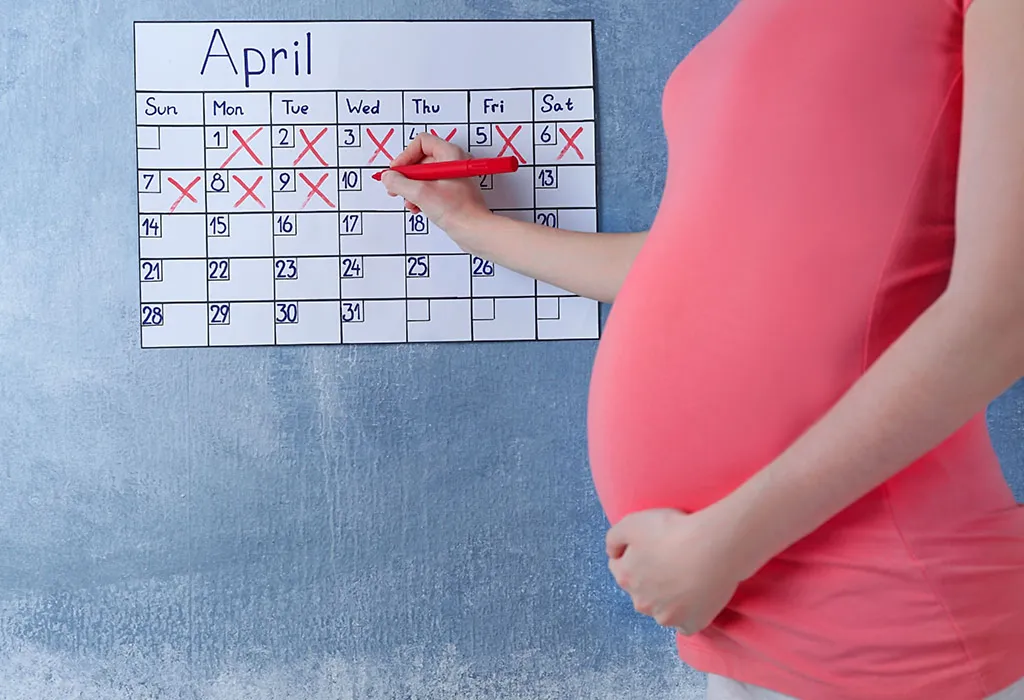
Being three months pregnant is an exciting milestone as you approach the end of your first trimester.When you’re a 3 months pregnant woman, you know you are pregnant but are not visibly pregnant to the world around you. By now, you may have become more comfortable with the idea of becoming a mother, although nausea, fatigue, mood changes, and other early pregnancy symptoms may still be part of your daily routine. As for the foetus, their tiny fingers, toes, facial features, and developing organs begin to develop around this time, and the sex organs are also in place by this time. There is still plenty happening inside your body, and taking note of your baby’s growth and the changes you may experience can make these weeks more meaningful.
Pregnancy Symptoms at Three Months
Not everyone may experience same or all 3rd month symptoms. Take a look at these commonly experienced symptoms of pregnancy at three months(1):
1. Morning Sickness
Nausea and vomiting could peak by the third month. Most pregnant women are relieved of these symptoms by the end of the first trimester.
2. Fatigue
Pregnancy hormones make you feel tired and drowsy. The body needs extra blood to supply essential nutrients to the fetus, affecting blood sugar and pressure levels.
3. Loss of Bladder Control
Increased urine production and the pressure exerted on the bladder by the growing uterus can cause a greater urge to urinate often.
4. Constipation
Higher progesterone levels slow down the digestion process.
5. Vaginal Discharge
High oestrogen levels and the dilation of the cervix and vaginal walls result in an off-white or translucent mucous discharge from the vagina, which prevents any infection from passing into the uterus.
6. Leg Cramps
Severe leg cramps and pain may be common during the night. You may need to include potassium and iron in your diet, and some gentle exercises could also help to reduce discomfort.
7. Back Pain and Abdominal Pain
Changes in hormone levels and the growing uterus stretch the ligaments and tendons, leading to back pain and pain in the lower abdomen (2). Try doing some low-impact exercises and stretching but only after prior consultation with your doctor.
8. Mood Swings
Hormonal changes can definitely affect your emotions. You may find yourself experiencing an array of emotions, from being sad and low-spirited to happy and joyous.
9. Bleeding Gums
Changes in your body’s hormone levels also lead to inflammation and bleeding of the gums.
10. Heartburn
The growing uterus puts pressure on the stomach, and your expanding body slows down the digestion process. The pressure on the stomach causes the acids to move upwards, causing heartburn. Eat at regular times and try eating small meals.
11. Varicose Veins
As the uterus expands, it compresses the blood vessels and slows down blood circulation. This causes the swelling of the veins in your legs. Your increasing weight could also add to the load on the circulatory system, leading to the appearance of varicose veins.
12. Nasal Congestion
Increased blood volume leads to the swelling and inflammation of the nasal passages. This, in turn, leads to a stuffy or blocked nose.
13. Food Cravings
It is very common for expectant mothers to develop a craving for some types of food. Alternatively, you could even develop a dislike of the smell or taste of certain foods and other substances too.

Don’t get too worried about them if you notice any of these symptoms during the third month of pregnancy, as they’re all a natural part of this phenomenon.
Physical and Emotional Changes in the Third Month of Pregnancy
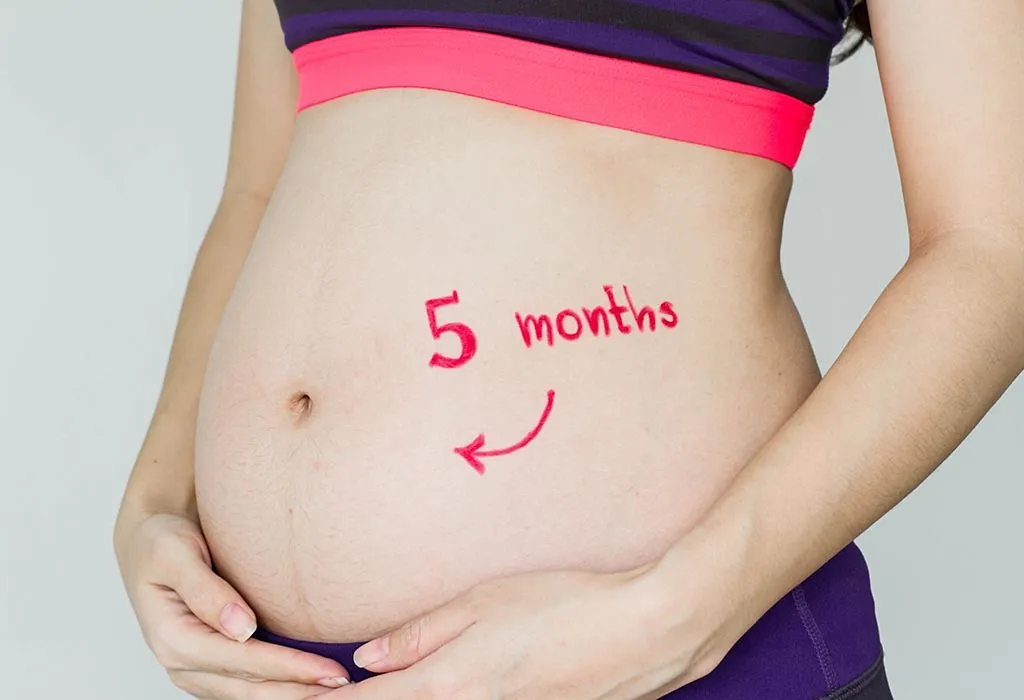
Your pregnancy belly will slowly start to show during the third month of pregnancy, as your uterus will now be about the size of a grapefruit. Your belly size will increase as you progress further in your second trimester. The uterus is lifted up into the abdominal area and covers the entire pelvic region. You will definitely experience physical and emotional changes in this phase. Some of these changes might occur in the second or third trimester, if not the first itself.
1. Tender Breasts
Your breasts become tender as your body prepares for breastfeeding. The size of the breasts increases, and the areola becomes darker and larger.
2. Visible Stretch Marks
You will notice stretch marks on your three months pregnant belly and breasts due to your skin stretching.
3. Dark Line on the Abdomen
The melanocyte-stimulating hormone produced by the placenta causes the darkening of the nipples. It also leads to the darkening of the line running down from the middle of your pregnant belly at three months to your pubic bone.
4. Mood Swings and Depression
It is quite common to experience mood swings and depression during this trimester. Your body gets bigger, and you may become increasingly conscious of your bigger appearance.
5. Sleep Disturbance
You may find variations in your sleep pattern and could find yourself waking up in the middle of the night. Blame it on the change in your hormone levels.
6. Lack of Libido
Most women feel a sense of excitement and romance during the first trimester; however, they tend to lose interest in sex by the end of this time. It could be because of the fluctuation in hormone levels and changes in physical appearance that lead to self-consciousness.
How Big Is Your Baby at 3 Months of Pregnancy?
A 3 month pregnant woman is carrying her baby approximately the size of a plum, depending on the exact week of pregnancy. By the end of the 3rd month, around week 12, the baby’s height could be roughly 5.4 cm (2.1 inches) from the head to the bottom (crown-rump length) and weight at around 14 grams, although measurements can vary. Since the baby is quite small, your three months pregnant stomach will show only slightly.
Foetal Development During the Third Month of Pregnancy

What is your baby like when you’re third month pregnant? It would be too early to feel any particular movements, but you will feel and experience the baby’s presence in the womb. You are sure to be curious to know what is happening inside! The fetus at 3 months pregnant will be about 3.5 inches long, weighing approximately 0.04 kilos – the size of a ripe plum or lemon. The embryo gets settled inside the uterus, and the organs start their growth too.
| BODY PARTS | DEVELOPMENTAL STAGE (3) |
| Head | Due to the development of the brain, the head will be slightly bigger than the body. |
| Skin | The skin is transparent with the veins visible through it. The baby’s fingerprints are formed. Fingernails start to grow(4). |
| Eyelids | The eyelids, in formation, protect the baby’s eyes by covering them entirely. |
| Mouth | The baby’s tongue and larynx begin to develop; the jaws and the upper lip are also formed during this time. |
| Thumb | The baby begins to suck the thumb and also starts getting hiccups. |
| Heart | The heart develops, complete with a heartbeat, which can be heard using electronic monitoring devices. |
| Musculoskeletal system | The muscle and bone structure of the baby is formed and begins hardening. |
| Movements | Your baby will begin to kick, stretch, twist, and turn. However, since the uterus still lies over the pelvis, you may not feel all these movements. |
| Bone marrow | The bone marrow begins the production of white blood cells to keep the baby healthy. |
| Intestine | This organ begins to contract and relax to aid digestion. |
| Pancreas | The pancreas starts to function and secrete insulin. |
| Kidneys | The kidneys start the excretion of urine into the bladder. |
| Other parts | Distinct fingers and toes along with fingernails and toenails are formed. The little hands can now open and close. The baby’s nose and ears will be seen on the scan. The neck will be formed during this time, along with the hair follicles and nipples. |
If you are pregnant with twins, the growth in the 3rd month of pregnancy for the twin foetuses will be the same as above.
3 Months Pregnancy Is How Many Weeks?
Three months of pregnancy covers weeks 9 to 12, which marks it in the first trimester (3).
3 Months Pregnant With Twins
3 months is a considerably early pregnancy, and the growth of twins at this stage is almost similar to a singleton pregnancy. Although surprising, the twins may be a little smaller than the single baby at about 12 or 13 weeks, but when measured together, they both should be about 2 or 3 inches long and make up 1/2 ounce in weight together.
There might be a slight difference in twin babies at this stage, which is quite normal. However, if the difference in size and weight is significant, your doctor may inform you about the concern.
To-Do List for the Third Month of Pregnancy
A to-do list for the third month of your pregnancy will help you focus on your health and remain fit until the delivery.
1. Eat Healthily
You will have cravings, for sure! However, your pregnancy diet during the third month must consist of a wholesome, healthy, and balanced combination of fruits, vegetables, dairy products, meat, nuts, grains, rice, etc. Your diet should comprise the essential vitamins, minerals, and nutrients required not just for your good health but also for your baby’s health.
2. Get Adequate Rest
Fatigue is very common. You must take the rest when you do not feel alright. Also, you can invest in some maternity pillows to rest comfortably.
3. Administer Supplements
Take folic acid supplements to avoid any birth defects and other vitamin supplements as advised by the doctor.
4. Maintain Cleanliness and Hygiene
You will be very prone to contracting infections at this stage, so make sure you follow proper hygiene and cleanliness standards for everything, from cooking to cleaning to gardening. Keep your vaginal area clean and dry as well. Ditch synthetic fabrics during this period and get your hands on cotton undies that will be comfortable and breathable.
5. Pay Attention to Your Dental Health
Schedule an appointment with the dentist as you may be prone to bleeding gums and aching teeth due to the changes in your hormone levels. It’s important to take great care of your gums during this period, as developing gum diseases can also affect the health of your developing baby.
6. Gain Knowledge About the Birthing Process
Enrol in childbirth education classes to cope with anxiety, stress, and other issues.
7. Communicate
A very crucial aspect, make sure you communicate enough with your partner, close friends or relatives about any issues or apprehensions that you have. It is important to take your loved ones into confidence to get some reassurance regarding your problems and avoid falling into depression.
8. Quit Smoking and Alcohol
Smoking and alcohol are strictly not recommended as they could prove detrimental to your baby’s health and could lead to a miscarriage (5).
9. Limit Your Intake of Caffeine
Cut down your intake of hot beverages like coffee and tea, as it increases the risk of suffering a miscarriage and can result in the baby’s low birth weight.
10. Exercise
Indulge in simple exercises like walking and swimming. Avoid sports that carry a risk of a fall or pressure on joints.
11. Stay Active
Try to keep yourself engaged in activities that will keep your mind engaged. Knit, paint or sketch to stay stress-free.
12. Attend Regular Prenatal Check-ups
Schedule and attend prenatal check-ups with your healthcare provider to monitor the progress of your pregnancy and address any concerns or questions you may have.

3 Month Pregnancy Diet and Nutrients
Proper nutrition through diet and supplementation is necessary to ensure optimal growth and development of the fetus. A pregnant woman does not need to eat twice as much food, but she should focus on eating a variety of nutrient-rich foods that provide essential vitamins, minerals, protein, healthy fats, and energy.
Nutrition Required
- Folate (Folic Acid): This nutrient is highly necessary for the development of the baby’s brain and spinal cord and to prevent neural tube defects. Include spinach, lentils, beans, oranges, peanuts, and fortified cereals.
- Iron: Helps produce haemoglobin, which carries oxygen to the mother and baby. Good sources include lentils, chickpeas, kidney beans, leafy vegetables, meat, and iron-fortified foods.
- Calcium: This mineral contributes significantly to the development and strengthening of the baby’s bones and teeth and the mother’s bone health. Milk, curd, paneer, sesame seeds, and calcium-fortified foods are useful sources.
- Protein: For building new muscles and repairing tissues, protein is necessary. Add eggs, dal, beans, tofu, paneer, chicken, fish, and nuts to your diet.
- Vitamin C: It supports immunity and improves the absorption of iron from plant-based foods. Include guava, oranges, amla, lemon, strawberries, and capsicum.
- Vitamin D: Helps the body absorb calcium and supports the baby’s bone development. Sources include fortified milk, eggs, oily fish, and doctor-recommended supplements.
- Omega-3 Fatty Acids: DHA and other omega-3 fats contribute to the baby’s brain and eye development. Include low-mercury fish, walnuts, chia seeds, and ground flaxseeds.
Food to Eat (6)
- Fresh fruits and vegetables (Oranges, guava, apples, bananas, ripe papaya, and pears)
- Green leafy vegetables (Spinach, methi, amaranth, and other leafy greens)
- Nuts (Almonds, walnuts, chia seeds, flaxseeds, and pumpkin seeds)
- Lentils and Legumes (Dal, rajma, chana, peas, and beans)
- Lean meat
- Dairy (Pasteurised milk, curd, and paneer)
- Well-cooked eggs
- Fish
- Whole grains (Millets, Whole wheat roti, brown rice, daliya, and oats)
Food to Avoid (7)
- Raw or undercooked meat and eggs
- High-mercury fish
- Unpasteurised milk and dairy items
- Liver, liver products, and vitamin A-rich supplements
- Raw fish and shellfish
- Caffeine above 200mg
- Alcohol
3rd Month Pregnancy Diet Chart
| Nutrient | Food Sources | Daily Requirement (8) |
| Folate | Spinach, methi, lentils, chickpeas, oranges, fortified cereals | 600 mcg DFE |
| Protein | Dal, paneer, eggs, milk, beans, tofu, chicken, fish | 71 g |
| Iron | Rajma, chickpeas, lentils, spinach, meat, iron-fortified cereals | 27 mg |
| Calcium | Milk, curd, paneer, sesame seeds, calcium-fortified foods | 1,000 mg |
| Vitamin D | Fortified milk, eggs, salmon, sardines | 15 mcg (600 IU) |
| Vitamin C | Guava, amla, oranges, lemon, capsicum, strawberries | 85 mg |
| Vitamib B12 | Milk, curd, eggs, fish, meat, fortified foods | 2.6 mcg |
| Omega-3 fatty acids | Chia seeds, walnuts, flaxseeds, soybean oil | 1.4 g |
| Iodine | Iodised salt, dairy products, eggs, fish | 220 mcg |
| Choline | Eggs, milk, soybeans, peanuts, chicken | 450 mg |
| Fibre | Fruits, vegetables, oats, whole grains, beans | 28 g (AI) |
| Vitamin B6 | Banana, chickpeas, potatoes, poultry, whole grains | 1.9 mg |
| Zinc | Beans, nuts, seeds, dairy, whole grains, meat | 11 mg |
Exercises You Can Do During the Third Month of Pregnancy
A few exercises to stay fit during the third month of pregnancy:
- Morning Walk: It helps to beat fatigue and morning sickness. It refreshes you and increases blood flow in the body.
- Swimming: This activity is highly recommended for pregnant women as a great form of exercise. It tones your muscles, stretches your ligaments, and increases blood circulation.
- Pilates: This activity helps build strength and increases your flexibility.
- Low-impact aerobics: This activity strengthens your heart, tones your muscles and relieves you of body pain.
- Yoga: Performed under professional guidance, it could do wonders for you and your baby.
Precautions to Follow During the Third Month of Pregnancy
Here is a list of precautions you should consider:
- Avoid lifting heavy objects and doing stressful activities that will pressure the womb.
- Stay away from spicy, oily and fatty food to avoid digestion troubles.
- Wear loose-fitting clothes and a comfortable bra.
- Wear flat, comfortable footwear that does not put any kind of pressure on your feet or your back.
- Quit smoking, alcohol and drugs entirely to ensure your baby’s good health.
What to Expect During Your Visit to the Ob/Gyn?
Your doctor will check the following:
- Your health history and that of your parents.
- Any previous medical conditions you’ve had.
- Your weight and blood pressure.
- The baby’s heartbeat, which would only be audible on the hand Doppler after 10 to 12 weeks of pregnancy.
- The size of your abdomen to approximate the size and fundal height of the uterus (which only starts to become palpable after the third month of pregnancy).
- Blood and urine tests to assess your overall health and check for any underlying conditions or potential complications.
- An ultrasound to visualise the developing fetus, confirm the due date, and check for any abnormalities.
Lab Tests
Some of the tests performed in the 3rd month of pregnancy are as follows:
1. Urine Test – To determine the levels of sugar and protein in the body and to check for any infection.
2. Blood Test – To detect your blood group and Rh factor to check for anaemia.
3. Fluid Retention Test – To check if you have any swelling in the arms and legs.
4. First-trimester Screening Tests – An ultrasound is conducted to determine any risk to the fetus, screen for birth and genetic defects, and detect markers of chromosomal disorders.
5. Maternal Serum Screening Tests – A series of tests is conducted to assess whether you face the risk of giving birth to a baby with Down Syndrome, Edward Syndrome, or any neural tube defects (9).
6. Chorionic Villus Sampling (CVS) – This diagnostic test is carried out on pregnant women who are at high risk for the conditions mentioned above. It is carried out during the 11-13 weeks of pregnancy to check whether the unborn child will have any congenital defects.
Ultrasound Scan
The Nuchal translucency (NT) scan is a 3-month pregnancy scan done to examine the amniotic fluid parameters, the position of the placenta in the uterus, and assess any risk of abnormality in the foetus.

5 Tips for the Dad-to-Be
Mommies, it’s not you alone who has to follow many tips and precautions during this period. Dads-to-be, you need to take up some responsibility as well. Here are some helpful tips to help you become a great partner and dad-to-be!
1. Help your partner with household chores to reduce her fatigue.
2. Support her by being there all the time, as she might have no time left for social interactions.
3. Be supportive and understanding when she experiences mood swings.
4. Talk to the baby to establish a bond.
5. Accompany her to all her doctor visits to know what is happening.
When to Consult a Doctor?
Three months into pregnancy is still a delicate phase, which should be treated with care and caution, as the chances of miscarriage are high in early pregnancy. Here are some essential checks to note, and consult a doctor immediately if you notice any of the following symptoms:
- High fever above 102°F, lasting for more than 10 days
- Intense cramps in the abdomen
- Severe bleeding
- Intense back pain
- Persistent vomiting and nausea
- Urinary tract infection
- Severe back pain
- Unpleasant odour from the vagina
FAQs
1. Is detecting a neural tube defect possible during the 3rd month of pregnancy?
Spina bifida or neural tube defect is a congenital malformation that can be detected during the first trimester. An ultrasound scan can detect it more accurately during the second trimester.
2. How much weight will I gain by the third month of pregnancy?
Since the baby is still small, you will gain about 1 or 2 kilos by the end of the first trimester. However, some women lose weight due to aversions of certain foods and morning sickness.
3. Can an ultrasound detect the gender of the baby by the third month?
The baby’s reproductive system is still developing at this point, so it will be difficult to determine the sex of the baby. The results will be about 75% accurate when done between 11-14 weeks of the gestation period.
4. Is it safe to colour your hair at 3 months pregnancy?
Generally, using hair dye when you’re three months pregnant is considered safe. However, it’s advisable to opt for ammonia-free and well-ventilated products to minimise potential risks. It’s best to consult with your healthcare provider for personalised advice.
5. Is it normal to have stomach pain at three months pregnant?
Mild stomach pain can be normal during the third month of pregnancy and is often attributed to the stretching of ligaments and muscles as the uterus expands. However, persistent or severe pain should be discussed with your healthcare provider to rule out any potential issues and ensure the well-being of both you and the baby.
By the 12th week of your wife’s pregnancy, there is a good chance that even you’ll experience pregnancy symptoms – yes, it’s true! Known as couvade syndrome or sympathetic pregnancy, it’s a condition in which the partner experiences certain pregnancy symptoms such as nausea, abdominal pain, minor weight gain, and disturbed sleep. Now, don’t worry if you notice these symptoms. Indulge in the same home remedies your wife tries to gain relief from these symptoms.
Moms-to-be, the third month is a crucial period for your pregnancy. You will no longer experience nausea and vomiting, but you will have more medical visits. It is definitely an exciting phase, and the changes in your body will certainly make you conscious that you have a little one growing inside you. Get ready to make the announcement officially!
Resources/References:
1. NHS – Signs and symptoms that might mean you’re pregnant
2. Cleveland Clinic – Abdominal Pain During Pregnancy
3. Planned Parenthood – What happens in the third month of pregnancy?
4. Mayo Clinic – Fetal development: The first trimester
5. American College of Obstetricians & Gynecologists – A Partner’s Guide to Pregnancy
6. American College of Obstetricians & Gynecologists – Healthy Eating During Pregnancy
7. NHS – Foods to avoid in pregnancy
8. National Institutes of Health – Dietary Supplements and Life Stages: Pregnancy
Also Read:
2nd Month of Pregnancy
Third Month Pregnancy Diet
Four Month of Pregnancy Symptoms
Was This Article Helpful?
Parenting is a huge responsibility, for you as a caregiver, but also for us as a parenting content platform. We understand that and take our responsibility of creating credible content seriously. FirstCry Parenting articles are written and published only after extensive research using factually sound references to deliver quality content that is accurate, validated by experts, and completely reliable. To understand how we go about creating content that is credible, read our editorial policy here.
- Author


Related Articles
-

Foetal Development: Growth in First, Second and Third Trimester
-
How To Calculate Pregnancy By Weeks, Months, & Trimesters?
-

How Long is the 1st, 2nd & 3rd Trimester of Pregnancy?
-
5th Month of Pregnancy: Symptoms, Belly Size, Baby Development & What to Expect
-

2nd Month of Pregnancy - Baby Development, What to Eat & more
-

10th Month of Pregnancy - Symptoms, Body Changes, and Baby Development