


Ovary Pain During Pregnancy: Causes, Symptoms and Treatment
Learn the causes, symptoms, and safe remedies for ovary pain during pregnancy and understand when this discomfort.





Medically Reviewed By
Dr. Sabiha Anjum
(Gynecologist/Obstetrician)


In this Article
- What Does It Mean to Have Ovary Pain During Pregnancy?
- Is It Normal to Have Ovarian Pain During Pregnancy?
- Does Ovary Pain During Pregnancy Indicate Implantation?
- Causes of Ovarian Pain During Pregnancy
- Symptoms of Ovary Pain During Pregnancy
- Diagnosis of Ovary Pain While Pregnant
- Treatments of Ovary Pain While Pregnant
- Home Remedies for Ovary Pain in Pregnancy
- When to Seek the Doctor’s Help?
- FAQs
View More
As much as pregnancy invokes happiness and excitement, it also brings several health concerns into the limelight and causes a lot of changes in a pregnant woman’s body. Some are normal and can be dealt with or managed easily, but some, such as abnormal pain, need immediate medical attention. Experiencing pain in the ovaries in pregnancy is not usual and requires attention. In this post, we will talk about ovary pain during pregnancy, which can be a cause of concern for many women. However, one key tip is not to panic and always consult your doctor before jumping to conclusions. In this article, we will cover everything there is to know about ovary pain while pregnant.
What Does It Mean to Have Ovary Pain During Pregnancy?
It is not normal to have ovarian pain throughout your pregnancy. Experiencing pain in the abdomen, ovaries, or vagina can signify something serious. This pain can signify things like ectopic pregnancy, spontaneous abortion, miscarriage, or uterine fibroids.
Is It Normal to Have Ovarian Pain During Pregnancy?
Pain during the entire term of pregnancy is not uncommon. However, if you are experiencing pain in your ovaries, vaginal area, pelvic area, or abdomen, it might be a matter of concern. Regardless of the trimester, ensure you consult your doctor immediately and more so if you are experiencing ovarian pain during the first trimester.
Ovarian pain can be a sign of something serious, like ectopic pregnancy, miscarriage, spontaneous abortion, or uterine fibroids.
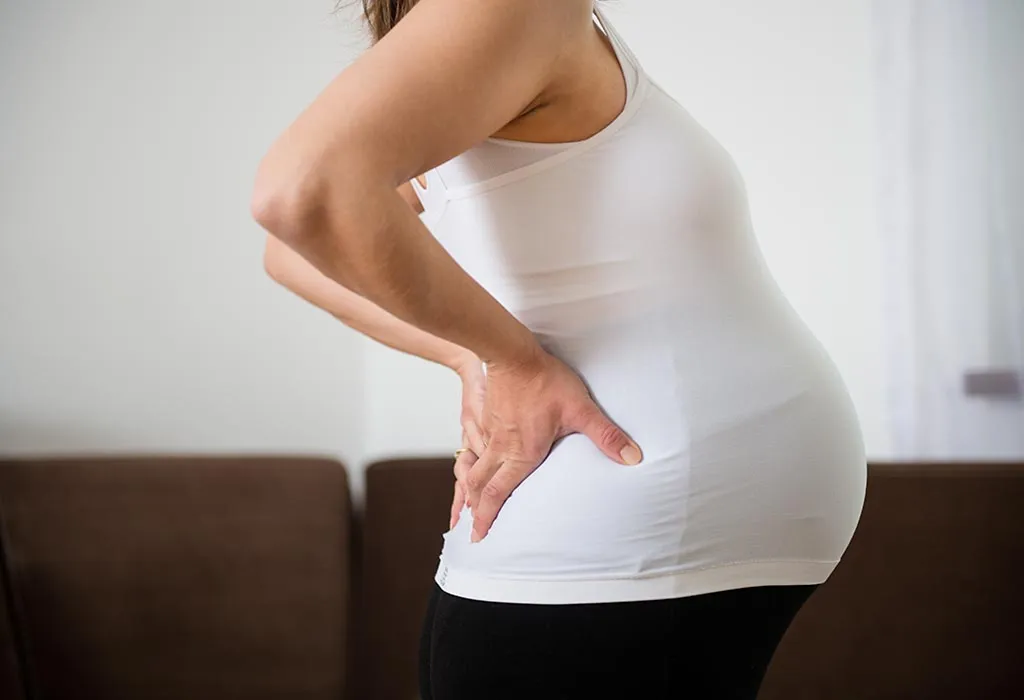
Does Ovary Pain During Pregnancy Indicate Implantation?
Pain during early pregnancy is common, as is a slight pain in the ovaries during implantation. Ovary pain can indicate implantation, although this pain is mostly felt in the lower regions of the pelvis. However, if this pain is severe or persists, the reason can be something else.
Let’s take a look at some of the causes of this pain:
Causes of Ovarian Pain During Pregnancy
Although there can be many causes, the first step is always to consult your doctor before you self-diagnose. Your doctor will take a lot of different factors into consideration before giving you a diagnosis. However, here are some of the causes of ovarian pain:
1. Ectopic Pregnancy
An ectopic pregnancy occurs when the fertilised egg gets implanted at another place rather than the uterine lining (where the fertilised egg is supposed to get implanted). This is a case of extrauterine pregnancy, as the egg implants outside the uterus (1).
The most common place is the fallopian tube, and it happens due to internal blockages.
Sometimes, ovarian pain is not due to the ovaries. The organs are so close that it becomes difficult to understand where the pain is coming from.
Whether it is left ovary pain or right, talk to your doctor immediately to avoid complications.
As the embryo grows in size and stretches the tube, it could cause ovary pain during the first trimester of pregnancy. It is then a medical emergency as it can lead to bleeding and pose serious, life-threatening risks.
2. Appendicitis
We all know that the appendix is a vestigial organ, meaning it has no use. It is positioned just below the large intestine. During pregnancy, it may shift and enter the pelvic area and cause ovary pain. Appendicitis treatment involves a small surgical/laser procedure and requires the use of mild anaesthesia. It must be treated before it affects the baby, as it can lead to infection in the baby. This type of pain is typically associated with the right side (2).
3. Gallbladder Problems
The gall bladder is located under the liver; it may have radiating pain to the stomach, but not typical ovarian pain. Many women fail to understand this pain and take it as normal pregnancy pain. Inform your doctor immediately if you experience this kind of pain.
Treating gallstones is simple and requires surgery. The doctor will give you anaesthesia while surgically removing the stones. However, it is difficult to treat during pregnancy. If the infection or condition is serious, the surgery can be done relatively safely in the second trimester of pregnancy (3).
4. Urinary Tract Infection
Pregnant women are more prone to urinary tract infections, and that can be confused with ovarian pain. Symptoms of UTI during pregnancy may include cloudy urine, painful urination, and needing to urinate very often. Urinary tract infections can be treated with antibiotics. Your doctor will prescribe you a course of antibiotics and ask you to rest (4).
Make sure to complete this course to get rid of the infection and the pain. You will have to follow up with your doctor to check if the infection is gone.
5. Ovulation
Your ovaries are not supposed to produce eggs while you are pregnant. However, they continue to do so in some women.
The ovaries keep on releasing eggs, and this can cause mild pain. This runs the risk of a double pregnancy, and you cannot take birth control pills during this time. Your doctor will ask you to use a condom while having sex to prevent complications.
Do not take analgesics for pain as these come with serious side effects and can harm your pregnancy. Analgesics are to be taken only under medical supervision
6. Fibroids
Fibroids or non-cancerous ovarian tumours can also cause a lot of pain, anf is seen mostly in the cases of large fibroids (> 5 cm) during the pregnancy’s second and third trimesters (5). These can also lead to pain in the pelvic region.
They can create problems with the implantation of the fertilised egg by causing blockages.
If you are planning to get pregnant, get your uterus checked first to ensure it is healthy and up for it. Fibroids can form due to injuries or diseases.
Endometriosis, or the abnormal growth of the tissue lining the uterus, making it move outside the uterus, can also lead to ovarian pain, which is usually not felt as the pregnancy hormones control the pain
7. Miscarriage
Ovarian pain during pregnancy can also be due to a miscarriage. Miscarriage happens in 25% of cases and usually in the first 21 days.
A miscarriage is associated with excessive pain in the uterus, and it can last up to 10 days. Talk to your doctor immediately, as a miscarriage needs treatment.
8. Accommodation Pain
As your pregnancy reaches 8-12 weeks, all the organs in the pelvic region start making space for the baby. You could experience ovarian pain for this reason, which is normal, and you do not need to worry about it. Some cramping of the muscles to accommodate the baby is also normal.
However, a molar pregnancy is something you need to be aware of. Molar pregnancy is when the baby grows as a lump of tissue. It is associated with vaginal bleeding and a lot of pain. The embryo cannot survive, and the lump needs to be removed immediately.
9. Kidney Stones
You may experience ovarian pain during pregnancy if you have kidney stones. The pain spreads from the kidneys to your ovary, and you will also have a burning sensation while passing urine.
If your urine has blood, the chances are high that you have kidney stones. Your doctor will recommend drinking a lot of water to dissolve the stones. Bigger stones might require other interventions.
10. Cyst Twist or Torsion
Cysts due to PCOS have become very common in today’s women, and they can be very painful. There could be simple or complex ovarian cysts, which can also undergo torsion. Twisting of these cysts can cause extreme pain. In such a case, surgical removal of the cysts is the only available option.
11. Round Ligament Pain
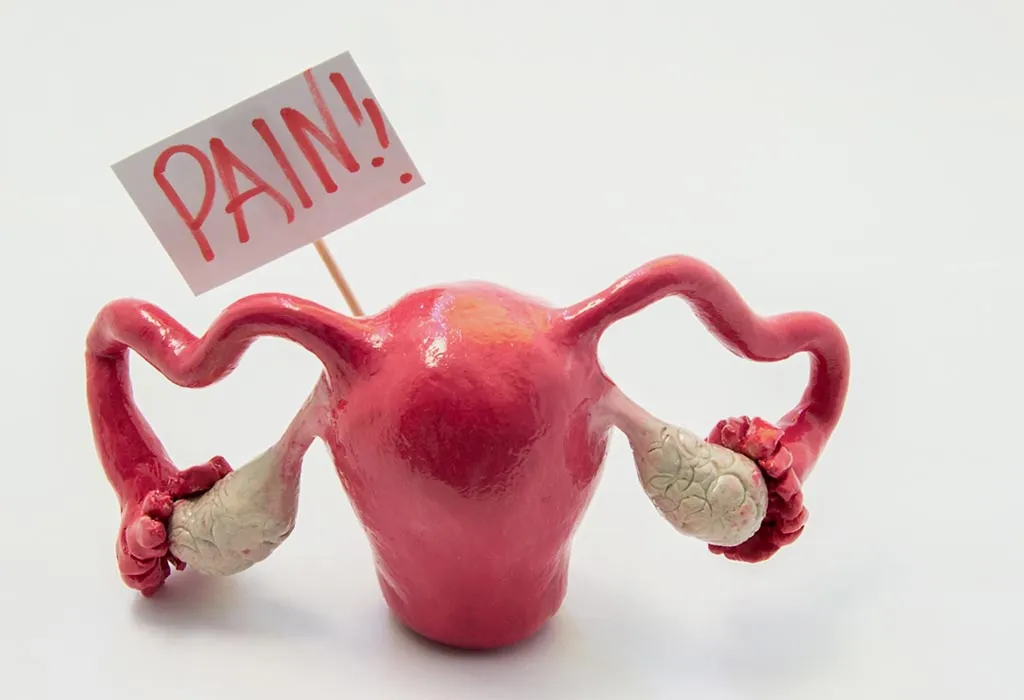
If you are experiencing ovarian pain in your second trimester, it could be due to the stretching of the ligament from the groin to the uterus. This is referred to as the round ligament pain.
The pain gets worse when you get up after sleeping or sitting for a long time. Keep yourself hydrated to reduce this pain to some extent. This pain has no threat to you or your baby.
12. Ovarian Torsion
If the fallopian tubes or the ovary gets twisted, it is referred to as ovarian torsion, and this can lead to a lot of pain. The blood supply to the ovaries is disrupted, which causes unbearable pain in pregnant women (6). Ovarian torsion is a health disorder with a high patient morbidity, loss of fertility for the patient and even fetal mortality if pregnant (6). Treatment involves surgery, and though it is not a major one, you will need anaesthesia.
13. Placental Abruption
Placental abruption is the early detachment of the placenta from the wall of the uterus, and this causes ovary pain during the third trimester. It can also lead to bleeding. Your doctor will perform an ultrasound to diagnose if this is the cause of your ovarian pain. And if it is the case, then you are at risk of premature labour.
Placental abruption causes pain in the entire pelvic region as the placenta detaches itself and hangs down from the uterus. It can affect the lives of both the mother and the baby.
14. Preeclampsia
Preeclampsia is an increase in blood pressure and deficiency in the supply of oxygen in pregnant women. Preeclampsia can lead to placental abruption.
15. Premature Labour
If you are at risk of premature labour, you may experience ovarian pain. The uterus contraction will cause ovarian pain, and your doctor will prepare you for premature delivery. The pain is unbearable and will radiate in all directions when you go into labour.
Your doctor will conduct an ultrasound test to diagnose this and understand the changes your body is going through. Intense sex or vigorous activities like running can cause ovary torsion and lead to pain. Even constipation can cause ovarian pain during pregnancy.
Symptoms of Ovary Pain During Pregnancy
A woman’s abdomen houses a lot of different organs, and it can be difficult to differentiate between the kinds of pains and where they are originating. Sometimes, a person may feel pain in one ovary and sometimes in both. Here are some symptoms you should look out for pain in ovary during pregnancy (8):
- Pain on one side of the pelvic area
- Pain in the lower abdomen, below the belly button
- Pain in lower back
- Nausea
- Vaginal bleeding
- Fever
- Feeling faint
- Vomiting
- Stomach Issues
Diagnosis of Ovary Pain While Pregnant
Ovary pains in early pregnancy and in subsequent stages is detected intially through symptoms. When detected with a slight hint, doctors may prescribe a thorough diagnosis to confirm ovary pain in pregnancy. Here are some diagnosis methods:
- Lab and blood tests
- Transvaginal ultrasound for ectopic pregnancy, ovarian cyst rupture, or torsion
- Urine analysis for UTI (urinary tract infections) and kidney stones
- Imaging techniques like CT scan and MRI to check the pelvic and abdominal area.
- Pelvic laparoscopy
Treatments of Ovary Pain While Pregnant
The treatment of your ovarian pain depends on what your condition is. Your doctor will most likely run some tests, after which they will determine the best route of treatment.
There are only two lines of treatment: Surgery or Medication
It depends on the severity of your situation and your actual diagnosis.
Home Remedies for Ovary Pain in Pregnancy
Your doctor will treat you according to your condition. Meanwhile, you can try out these at-home treatments for ovary pain while pregnant:
- Stretching exercises, prenatal yoga, and meditation.
- Drinking plenty of water.
- Take lots of rest to regain strength.
- Sitting with knees close to the chest to minimise pressure.
- Shifting positions often.
When to Seek the Doctor’s Help?
In certain scenarios, abdominal pain may mimic ovarian pain, and it is difficult to tell them apart. Regardless of anything, if you are pregnant, talk to your gynaecologist immediately if you are experiencing any kind of abdominal pain, which may or may not be ovarian pain.
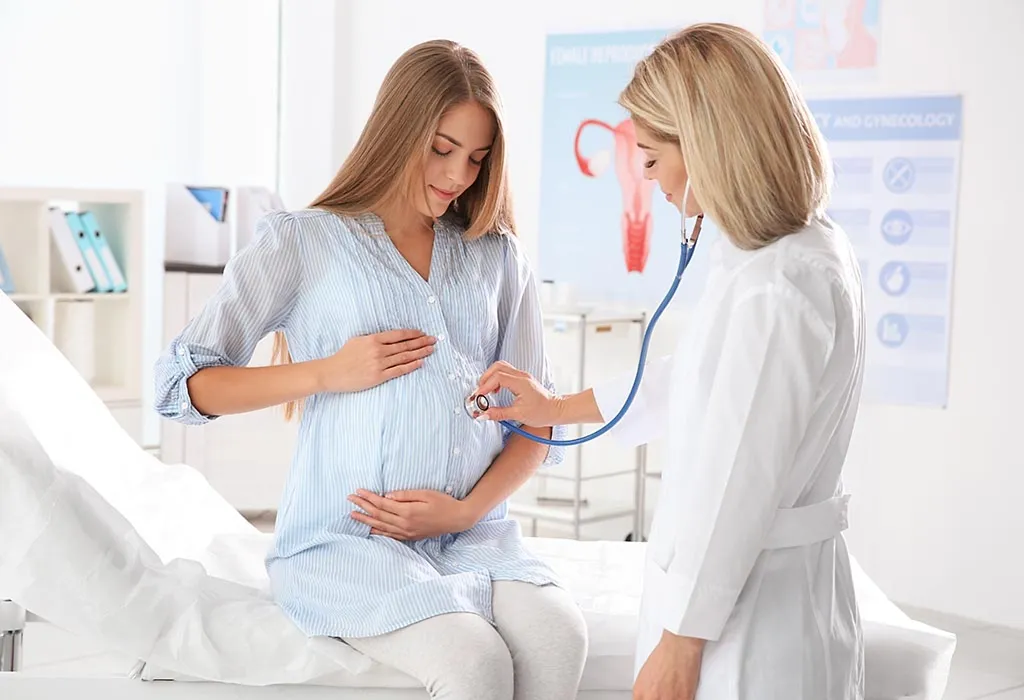
These are some of the signs that you need to be aware of to know when to seek a doctor’s help:
- Extreme abdominal pain that seems to get worse.
- Vaginal bleeding.
- Chills or fever.
- Dizziness, nausea and the feeling of lightheadedness.
- Difficulty in breathing.
- A throbbing and persistent headache.
- Sudden swelling of the hands or feet.
- Vision changes.
- A sudden increase in the size of your abdomen.
FAQs
1. Where do you experience ovary pain?
Ovarian pain is felt in the lower abdomen, in the pelvis, and below the belly button. It presents as dull and consistent or a sharp burst of sensation. You may also experience pain on one side of your pelvis.
2. Does ovarian pain during pregnancy go away on its own?
Yes, ovarian pain should go away on its own if it is not serious. If it is caused by a serious condition, the pain may need some medication or treatment.
3. Is the ovary pain normal during pregnancy?
Yes, mild pain on one side of the lower abdomen can be normal, especially in early pregnancy. It is often caused by stretching ligaments (round ligament pain) as the uterus grows. According to MedlinePlus, mild abdominal discomfort is common as pregnancy progresses.
4. What causes ovary pain in early pregnancy?
Common causes for ovary pain in early pregnancy could be corpus luteum cyst (a normal cyst that supports early pregnancy), implantation changes, and round ligament stretching. The American College of Obstetricians and Gynecologists (ACOG) explains that functional ovarian cysts are common in early pregnancy and usually resolve on their own (9).
5. Can ovary pain indicate ectopic pregnancy?
Yes. Pain on one side, combined with bleeding and dizziness, may signal ectopic pregnancy. Ectopic pregnancy requires urgent medical care.
You have a lot to gain and to lose when you are pregnant. Therefore, you need to be careful about your health. Do not take a chance when you experience any pain. Visit your doctor even for the smallest of health problems, as immediate medical attention can keep you and your baby away from any pregnancy complications.
Also Read:
Ovarian Cysts in Pregnancy
Uterine Prolapse While Pregnant
Anteverted Uterus during Pregnancy
Was This Article Helpful?
Parenting is a huge responsibility, for you as a caregiver, but also for us as a parenting content platform. We understand that and take our responsibility of creating credible content seriously. FirstCry Parenting articles are written and published only after extensive research using factually sound references to deliver quality content that is accurate, validated by experts, and completely reliable. To understand how we go about creating content that is credible, read our editorial policy here.
1. OASH – Pregnancy complications
4. Cleveland Clinic – UTI During Pregnancy
5. National Library of Medicine – Contemporary Management of Fibroids in Pregnancy
6. National Library of Medicine – A rare condition in the third trimester of pregnancy: Ovarian torsion
7. National Library of Medicine – Intermittent Ovarian Torsion in Pregnancy
- Author
- Expert Reviewer
 About the Author
Mrunal
Related Articles
-
6 Common Complications of Getting Pregnant in Your 30s and Precautions to Take
-

Ovarian Cysts During Pregnancy - Causes, Symptoms and Treatment
-
10 Complications During Labour and Delivery
-

Thyroid and Risk of Miscarriage
-
External Cephalic Version (ECV) Technique for Breech Baby
-

Medical Abortion - Procedures, Risks and Side Effects