

20 Herbs to Boost Fertility and Support Your Body Naturally
Natural herbs for fertility that could make a real difference in your conception journey




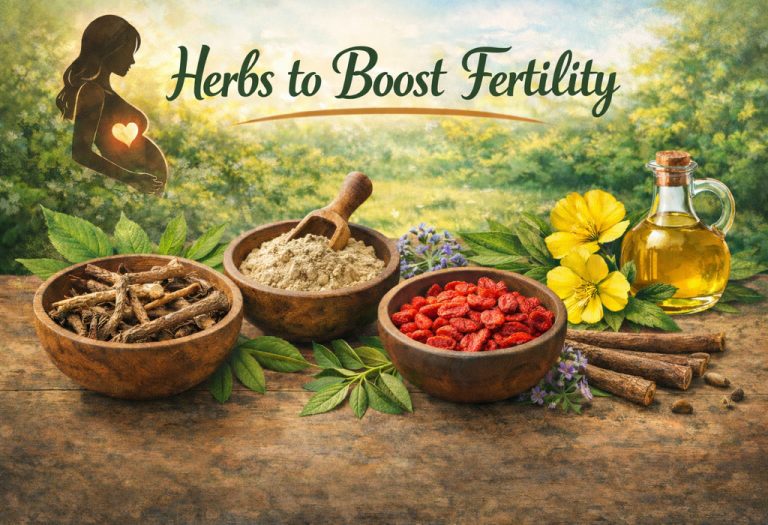
Image Credit : AI Generated Image
If you are trying to get pregnant, you would be willing to try any natural remedy for fertility or medications for so. Herbs for fertility have an old reputation among people, thanks to ancient Ayurvedic and Chinese fertility treatments. Diet and drug use, among myriad other factors, play a role in determining one’s fertility. If you and your partner are looking to conceive, the groundwork begins with cleaning up and going natural (as much as possible) on those two fronts. Strengthening the body from within is a crucial step to positive chances of pregnancy. Let’s check out the best herbs for fertility for both men and women. We also have to remember that while some herbs have a reputation for boosting fertility, there is also a lack of research on the grounds of safety and efficacy, which limits their use. Thus, it is advisable to consult your doctor before trying any herbal treatment for fertility.
How Herbs Help to Increase Fertility?
While there is no scientific evidence that herbs cure fertility, herbs act as supplements to a healthy diet to help boost your body’s regular functioning. Some herbs help detoxify the body, others work to modulate the immune system (which could falsely identify a foetus as an external threat and prevent pregnancy), and others help to stimulate the endocrine system, which regulates hormone production (fertility is largely dependent on sex hormones). Some herbs are used alongside in vitro fertilization (IVF) and intrauterine insemination to boost the fertility chances (1).
However, many herbs are not scientifically studied much compared to medications, and several herbal fertility supplements have limited FDA regulation. As a result, the side effects from their use are not well-documented and are very possible (2). Thus, it is advised to consult your doctor or a professional naturopath or herbalist, before using any herb on your own.
Always get a confirmation from your doctor and read about the safety and side effects before trying any herb or herbal concoction during pregnancy. Lack of awareness of the side effects of herbs can pose a grave danger to the recipient’s health.
Top Fertility Herbs to Get Pregnant
Here are some special herbs that have been studied and used to aid in conception and bringing a pregnancy to term healthily.
1. Black Cohosh
Black Cohosh is indigenous to North America. It is known to have been used as a pain relief medication for hundreds of years. Its use in relation to ‘fertility’ is in the regularisation of periods. Its diuretic properties help bring on menstruation if it is late. It also effectively soothes menstrual pain, uterine irritability, ovarian pain, premenstrual migraine and aids in the healing of uterine fibroids, ovarian cysts and endometriosis (3).
Please note that black cohosh is a quick-effect herb and is not recommended for long-term use.
2. Liquorice
Liquorice root extract can be bought as a tincture, or the root itself can be used to make a decoction. Its action with regard to fertility is twofold.
- It helps detoxify and repair the liver, support the endocrine system and modulate the immune system. All three of these functions contribute to better overall hormonal health.
- It is a phytoestrogen, i.e., while it is not produced by the body, it acts as oestrogen does. Phytoestrogen binds to oestrogen receptor sites and so blocks these sites from being bound by xenohormones. (Xenohormones are foreign molecules that bind to hormone receptors and hamper the health of the body.)
Liquorice also helps balance blood sugar levels, acts as an anti-inflammatory, aids digestion and helps cervical mucus production. When taking liquorice, always stick to the recommended dosage. Do not consume in large quantities.

3. Ashwagandha
The Ashwagandha root extracts can be taken as a tincture or capsules. It helps bolster your body’s ability to deal with stress, supports the endocrine system and helps normalise the immune system – all of which, if impaired, could lead to fertility issues. Ashwagandha strengthens the ovaries, uterus, and the overall immune system (4).
Stress-induced infertility in men can also be combated with Ashwagandha. Avoid excessive use during pregnancy.
4. Evening Primrose Oil – EPO
Evening Primrose oil is extracted from the seeds of the Evening Primrose plant. It promotes and maintains hormonal balance and aids in alleviating PMS symptoms such as a headache, breast tenderness, bloating and irritability. In addition to this, EPO also increases cervical mucus. Cervical mucus is crucial for sperm to travel to the egg and facilitate conception.
5. Vitex (Chasteberry)
Vitex is commonly used to support progesterone balance. It may help regulate ovulation and menstrual irregularities, especially for women with hormonal imbalances or irregular cycles, but there is very limited evidence (5).
6. Castor Oil
Extracted from the seeds of the Castor plant, Castor oil is applied externally with the help of a castor oil pack. To make the pack, soak a piece of flannel cloth in castor oil until it’s saturated. Place it over your lower abdomen, cover it with the plastic sheet and weigh it down with a hot water bottle. Lie back and cover it with a towel, and relax for 30-45 minutes. Later, remove the pack and clean your tummy.
Castor oil stimulates the lymphatic system (fights disease and removes toxins), the circulatory system (promotes overall health) and the liver (helps remove toxins and maintain hormonal balance).
7. Maca
Maca is a plant indigenous to the highlands of Peru. Growing in the volcanic soils of the highlands, Maca is rich in minerals and phytonutrients. It supports hormonal balance and boosts thyroid health. It also increases energy, stamina and libido. It is a known fertility-enhancer food supplement (6).
It can be taken as a tincture or capsules, but it is more commonly used in powder form as an additive to juice, smoothies and even baked goods. It is a staple food (not just medicine) of the Peruvian people, and as such, it doesn’t possess any side effects.
8. Milk Thistle
Milk Thistle is a prickly plant that is found in regions of Australia, New Zealand, the United States, Iran and Southern England, where it originated. It is best taken in tincture form as its seeds are harder to digest. Milk Thistle is an excellent natural medicine for the liver. It cleanses, renews and protects your liver. The liver, in turn, maintains hormonal health.
Milk Thistle also aids in the production of breast milk and is known to help stave off postpartum depression.
9. Cinnamon
The cinnamon bark can be powdered to make capsules, or a tincture can be extracted from its root. Just like other natural fertility herbs in this list, cinnamon also has multiple beneficial effects that contribute to its fertility-boosting effects.
Cinnamon has been observed to reduce insulin resistance. Insulin resistance is believed to be one of the factors that cause PCOS (Polycystic Ovary Syndrome) in women, which is a major cause of infertility and is believed to affect 1 in 10 women. Cinnamon also helps control heavy menstrual bleeding.
10. White Peony
White Peony is an important plant in Chinese medicine. It is used with other herbs to help conceive. It is used to soothe painful menstruation, endometriosis, uterine fibroids and PCOS. It helps the circulation of blood to the pelvic area.
It is taken as a decoction of the root or as a liquid extract.

11. Dong Quai
Dong Quai is a powerful fertility herb and has been in use since ancient times. Its area of influence includes the treatment of menstrual irregularities and as an aid to uterine health (muscle health). It helps alleviate delayed menstruation, short menstruation with cramps, light menstruation and stagnant conditions by promoting blood flow in the pelvic region. It is taken in tincture form.
Fertility Herbs for Men
Fertility herbs for men are known to regulate sperm quality and quantity, libido, and other fertility issues. Here are some herbs known to improve fertility in men. However, it is advised to consult your doctor before trying any of these herbs to understand your body’s requirements and any side effects.
1. Damiana
Damiana is a shrub with yellow flowers that is found throughout South and Central America, Mexico and the West Indies. Its leaves are dried and used to make a tea which serves as an aphrodisiac. It stimulates nerves and increases blood flow to the sexual organs. Damiana can help men overcome impotence, treat erectile dysfunction, and also modulate spermatorrhea, which is a condition that causes excessive, accidental ejaculations (7).

2. Red Clover
Red clover is known for its blood-cleansing properties. It supports uterine health and helps improve circulation to reproductive organs, which can be beneficial when preparing the body for pregnancy.
3. Shatavari
Shatavari is consumed as an extract or in capsule form. Shatavari has been traditionally used as a herbal treatment for infertility in India for centuries. Its action in boosting fertility is the result of its many beneficial effects. It modulates the immune system, helps combat stress, increases cervical mucus and regulates the menstrual cycle.

4. Nettle Leaf
Rich in minerals like iron and magnesium, nettle leaf supports overall reproductive wellness and helps nourish the body during preconception.
5. American Ginseng
American ginseng, or Panax Quinquefolius, is popular for improving the male reproductive system by improving sperm count, testosterone concentration, and motility (8). It also comes with some side effects, such as high blood pressure, insomnia, anxiety, headaches, nausea, or nosebleeds. Thus, it is advised to avoid taking with blood-thinning medications. People who have issues with blood pressure (either high or low), hormone-sensitive conditions (like breast cancer), schizophrenia, or bipolar disorder should avoid taking it or consult a doctor before trying.
6. Horny Goat Weed
Since ancient times, this herb has been used to treat impotence. The herb is believed to enhance testosterone levels, thereby boosting sexual desire (9). However, it comes with certain side effects: prolonged usage may cause vomiting, nausea, headaches, excessive thirst, dry mouth, breathing issues, and sporadic spasms.
7. Astragalus
Astragalus is a unique herb known to work primarily on the nervous system and maintain urinary tract and kidneys. It is also popular for increasing sperm count (9). The most frequently reported side effect of this herb is diarrhoea. Additionally, it could affect blood sugar and blood pressure levels.
8. Goji Berries
Dried Goji berries may safeguard sperm from excessive heat, which helps maintain both sperm quality and quantity. They might also aid in hormonal balance by promoting liver health (10). It is advisable to avoid goji berries if you have low blood sugar or blood pressure, as they can cause further reductions in these levels.
9. Tribulus Terrestris
Often associated with male fertility, tribulus may help improve libido and sperm health. In women, it is sometimes used to support ovulation and hormonal function.
Are There Any Herbs to Avoid When Trying to Conceive?
Yes, not all herbs are considered safe when trying to conceive. Certain herbs, such as liquorice root, aloe vera, blue cohosh, and pennyroyal, are likely to interfere with hormones or uterine function. These herbs can potentially increase the risk of hormonal imbalance or uterine stimulation; thus, they should be avoided unless prescribed by a doctor or a qualified practitioner.
Are Herbal Supplement Safe to Take, as the FDA Does Not Regulate Them?
According to the American Pregnancy Association, herbs are generally safe to use. However, some herbs could be dangerous due to their strength, dose, or efficacy. Some could even react with the medications. Moreover, herbal supplements are not strictly regulated by the FDA, which means quality and dosage can vary widely. Thus, it is highly important to consult a doctor about the safe herbs for fertility (11).
If you are planning to use herbs to enhance fertility, it is advisable to consult a professional who is familiar with herbs and how they work to improve fertility. Safety depends on sourcing, formulation, and correct usage. An informed decision is a wise decision.
Does a Herbal Medicine Practitioner Own a License or Registration?
Licensing for herbal medicinal treatment varies by country. Some practitioners are certified through recognised boards or traditional medicine councils, while others may practice without formal regulation.
Herbal medicine is typically not a regulated profession (11). It’s important to check credentials, training background, and experience before starting herbal treatment.
Man’s relation to herbs is one that has spanned millennia. They were our first medicine, and remain to this day, effective and non-toxic. If you are on medication for any ailment at all, be sure to inform your physician before opting for a regular course of herbal medicine.
Also Read:
Best Foods That Can Boost Your Fertility
Ways to Boost Fertility After a Miscarriage
Foods To Increase Fertility For Conceiving Twins
Natural Ways to Increase Fertility in Men and Women
Was This Article Helpful?
Parenting is a huge responsibility, for you as a caregiver, but also for us as a parenting content platform. We understand that and take our responsibility of creating credible content seriously. FirstCry Parenting articles are written and published only after extensive research using factually sound references to deliver quality content that is accurate, validated by experts, and completely reliable. To understand how we go about creating content that is credible, read our editorial policy here.
- Author
 About the Author