
Taking Birth Control Pills During Pregnancy: Is It Safe & What Happens?




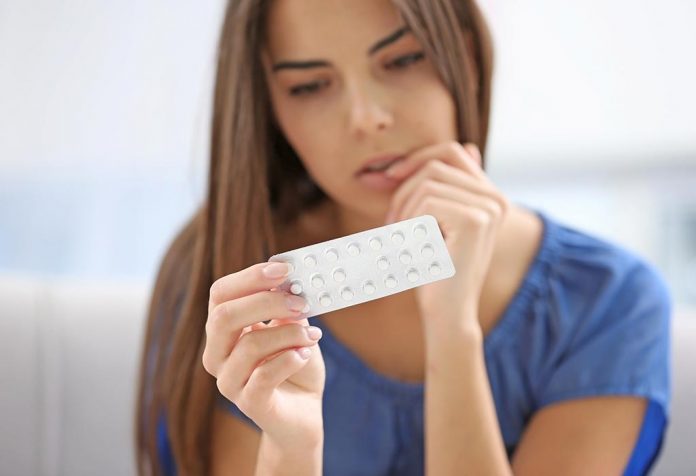
Human bodies are complex, and taking into account the chance of human error, let us tell you something: oral contraceptives cannot offer a 100% guarantee against pregnancy. Thus, there are odds that a woman may get unexpectedly pregnant while taking birth control pills. Some experts believe that taking birth control while you get accidentally pregnant may not harm the growing fetus during early pregnancy, but it is vital to discontinue taking birth control immediately after learning about your pregnancy.
But what could happen if you accidentally continue taking birth control while pregnant is a common concern among women across the world, and you are not alone. Can taking birth control pills while pregnant cause a miscarriage? To know more about this topic, let’s dive a little deeper and understand the possible outcomes, and get answers to common questions about taking birth control while pregnant.
How Does Birth Control Work?
With medical advancements today, there are several birth control methods – hormonal birth control like oral birth control pills, barrier birth control like condoms, surgical procedures like vasectomy and tying tubes, and long-acting reversible contraceptives (LARC) like IUD. Out of these, the most commonly used birth control method is oral pills (1).
Oral contraceptives commonly have hormones similar to those produced by a woman’s body. Oral pills like minipill (progestin-only pill) prevent pregnancy by thickening the cervical mucus, which prevents the sperm from reaching the egg and also by suppressing the ovaries, which prohibits them from functioning at full strength (2). In simple terms, when you use birth control pills, your ovaries do not release the egg, and the cervical mucus thickens. This makes it difficult for a fertilised egg to implant in the uterus lining.
It is to be noted that these pills are 99 per cent effective when taken correctly (3). And, since it is easy to lose track of doses and timings to take the pills, the pills are left with only 91-93 per cent effectiveness with typical use (4).
For those who cannot work well with pills, implants or intrauterine devices (IUDs) are usually suggested.
What Happens If You Accidentally Take Birth Control Pills While Pregnant?

I took birth control pills while pregnant. Will I be okay? Questions like these are quite common.
Most women may ask whether taking birth control pills affects a pregnancy. Studies indicate that taking a birth control pill during pregnancy, especially the first few weeks of pregnancy, may not adversely affect the developing foetus. However, there are some queries most women have regarding taking birth control pills while pregnant:
1. Are There Chances of Birth Defects?
Many women who suddenly become pregnant while taking birth control may be worried about their baby being born with some birth defects. But no concrete scientific evidence shows that taking birth control in the form of progestin-only or combination birth control pills while in your early pregnancy leads to increased chances of birth defects in babies (5).
2. Is There a Risk of Miscarriage?
Can taking birth control pills while pregnant cause a miscarriage? That may be another likely concern of women who experience an unplanned pregnancy in such cases. But again, there is no statistical data available that can establish a relation between the two aspects. After the fertilised egg implants itself, birth control pills can have relatively no effect on it – since the hormones present in the pill are meant to thicken the cervical mucus to prohibit sperm from entering the uterus and stopping ovulation, none of these things occurs when implantation has already happened.
Another myth regarding birth control pills and pregnancy is that taking an emergency contraceptive pill can cause an immediate miscarriage. That, again, is not true. These pills do not have any effect on the body once implantation has occurred.
3. Is There a Possibility of an Ectopic Pregnancy?
Evidence suggests that taking a progestin-only birth control pill (minipill) while pregnant may increase the prospects of the occurrence of an ectopic pregnancy (where the fertilised egg grows outside the uterus) in some cases.
4. Is There a Risk of Preterm Delivery and Low Birth Weight?
Although debatable, women who conceive while on the birth control pill may be at a greater risk of experiencing preterm labour, low birth weight, and a few congenital urinary tract anomalies. Thus, these side effects of taking birth control pills when pregnant are very rare.
Please note: It is essential to understand here that research done in this field is not extensive, as it may be against medical ethics to expose a mother and her unborn child to any potential danger. Thus, much of the data has been collected from epidemiological research relating to mothers who took birth control pills during their early pregnancy, in contrast to those who didn’t.
Risk of Continuing Birth Control While Pregnant
Now that you have got a big fat positive on your pregnancy test, there’s no reason to continue them. Besides, there is not much scientific evidence suggesting harm to the pregnancy if you accidentally continue taking hormonal birth control during pregnancy. However, your doctor will recommend that you stop taking them as their purpose is gone.
While older studies suggested that taking contraceptives that contain the hormone progestin during early pregnancy could lead to hypospadias (a congenital malformation in which the urethral opening is on the ventral side of the penis), recent studies point out otherwise (6). In a recent study, it was found that exposure to oral contraceptives just before or during pregnancy does not appear to be associated with an increased risk of major birth defects (7). Another 2016 study concluded that maternal exposure to oral contraceptives has a role in the development of wheezing, asthma and rhinitis in children. Any extended use of OCP is more likely to increase the risk of wheezing and rhinitis (8).
Hence, hormonal birth control won’t risk pregnancy or abort it once you are pregnant.
Birth Control and Myths
There are several myths and misconceptions around birth control methods. Most birth control methods don’t harm the fetus if taken in the early days of pregnancy. Take a look at the misconceptions regarding birth control and medication abortion pills.
1. Birth Control Pills
Taking birth control pills early in pregnancy does not cause miscarriage; this is a common myth (9). Accidental use of pills before knowing you’re pregnant is unlikely to harm the baby. Birth control pills do not “flush out” a pregnancy. The hormonal pills work by freezing ovulation and thickening the cervical mucus to safeguard the uterus from sperm’s entry, thus, such pills don’t cause stillbirth or miscarriage during early pregnancy. Fertility usually returns quickly after stopping birth control.
2. Emergency Contraception
Many people believe that taking emergency contraception, such as the Plan B pill, while pregnant can cause immediate termination of pregnancy. However, this is not true.
It is to be noted that the emergency contraception pills have no effect on the pregnancy once the fertilised egg has been implanted (10).
3. Medication Abortion
There is a difference between medical abortion and hormonal birth control medication. Both are different and work differently. Medication abortion is not a form of birth control.
When to Consult a Doctor?
Although accidental exposure to birth control pills is usually not harmful, it’s always better to confirm the same with a doctor for peace of mind. You should speak to a doctor if any of the following happen:
- You continued birth control pills after confirming pregnancy.
- You experience unusual symptoms like severe abdominal pain or bleeding.
- You have a history of high-risk pregnancy or hormonal conditions.
- You’re unsure about medication exposure during early pregnancy.
FAQs
1. Can I Use Birth Control Pill While Breastfeeding?
Please note that there is a possibility that combination birth control pills containing estrogen may cause a reduction in the breast milk supply and cause blood clots. Progestin-only birth control, on the other hand, is safe and is more likely to be recommended by health experts to take during breastfeeding. Therefore, it is safe to start with a mini pill (progestin-only oral pill) at any time during the breastfeeding phase. Taking minipill does not affect breast milk in any manner or its production. Therefore, you can start with a minipill right after your delivery or even when you are not breastfeeding.
2. How Do I Know If I Am Pregnant While Taking Birth Control Pills?
Although missed periods are a common sign of pregnancy, it is debatable with the use of birth control pills. When using birth control, we often tend to lose track of our periods because they sometimes become less regular or go away completely. Hence, it is better to consider other pregnancy signs as well if you are planning to take a pregnancy test:
- Nausea and vomiting
- Breast tenderness
- Extreme tiredness
- Sudden and unusual food cravings or dislikes
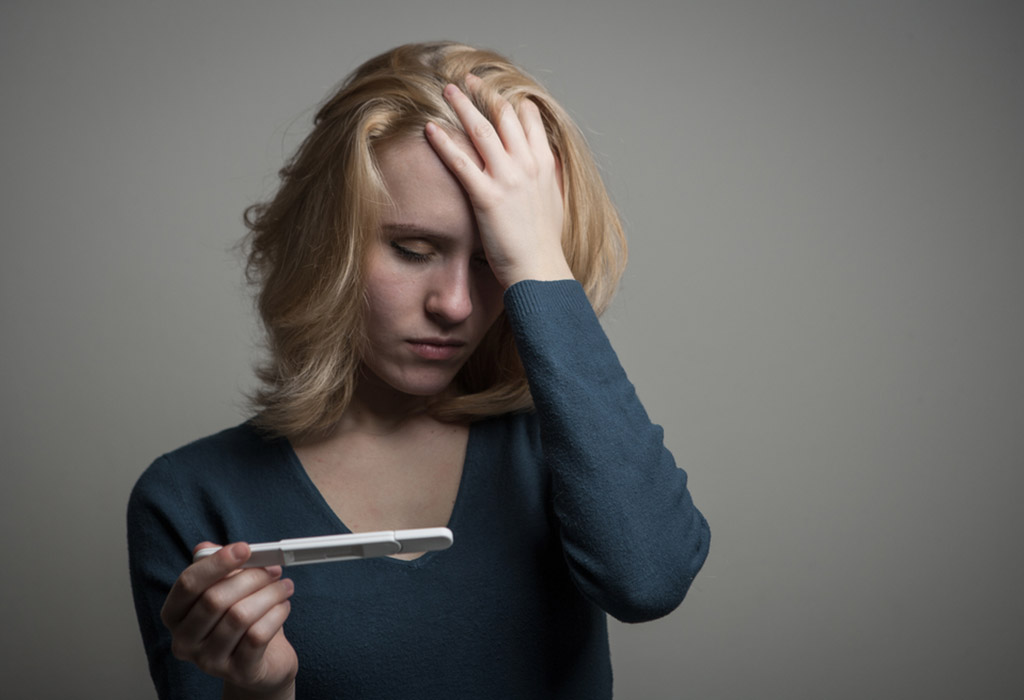
If you experience any of the following symptoms and might have missed some pills, then it is best to get a pregnancy test at home or at a healthcare service.
An unexpected pregnancy while on birth control pills is not unusual. If you feel you may be pregnant, take a home pregnancy test to confirm it. In case you are pregnant, it is advisable to stop taking birth control pills at once. It is also wise to read the product labelling carefully before buying birth control pills to ascertain the potential risks in the event of pregnancy. In any case, irrespective of any probable risk factors, it is sensible to refer to a doctor for further guidance.
Also Read:
Side Effects of Birth Control Pills
Use of Sleeping Pills during Pregnancy
What Medicines to Avoid in Pregnancy
Was This Article Helpful?
Parenting is a huge responsibility, for you as a caregiver, but also for us as a parenting content platform. We understand that and take our responsibility of creating credible content seriously. FirstCry Parenting articles are written and published only after extensive research using factually sound references to deliver quality content that is accurate, validated by experts, and completely reliable. To understand how we go about creating content that is credible, read our editorial policy here.
2. Mayo Clinic – Minipill (progestin-only birth control pill)
3. NHS – How well contraception works at preventing pregnancy
4. ACOG – Effectiveness of Birth Control Methods
5. Mayo Clinic – Birth control pill FAQ: Benefits, risks and choices
6. JAMA Pediatrics – Maternal Progestin Intake and Risk of Hypospadias
9. Planned Parenthood – Can birth control cause miscarriage?
10. Planned Parenthood – THE MORNING AFTER PILL: JUST THE FACTS
- Author


Related Articles
-

How to Reduce TSH Levels During Pregnancy Naturally
-
Cycling in Pregnancy – Safety, Benefits, and Risks
-
Bitter Gourd (Karela) in Pregnancy - Safety, Benefits, and Precautions
-
Tooth Extractions During Preganancy- Is It Safe?
-
Bell's Palsy in Pregnancy - Causes, Signs and Treatment
-
Amazing Boss Baby Shower Theme Ideas