13 Week Old Baby – Milestones, Development, Sleep & Care
A complete guide to your 13-week-old baby’s growth, sleep schedule, feeding habits, and exciting milestones.





Medically Reviewed By
Dr. Arti Sharma
(Paediatrician)


This health content has been medically reviewed by qualified experts and follows the FirstCry Parenting editorial policy to ensure accuracy and reliability.
Congratulations! Your baby is 13 weeks old, and by now, you must have gotten used to the idea of being a mother. Sleepless nights, breastfeeding your baby at random hours of the day and night, and cleaning his poop must have made you realise that being a mother is not easy. Is it now? But we know how much you love your little one. In these three months, you must have bonded with your baby too. Your baby will start learning a lot from you as he grows, and you might start seeing shades of you or your spouse, even more evident than before. Find out about 13-week-old baby development below.
Your 13-Week-Old Baby’s Development
Your 13-week-old baby will soon start getting comfortable with you as well as with other faces that he encounters. The soft spots on your baby’s head, also known as fontanels, should be closed by now (1). The teething phase has started, so you might see a teeny-tiny tooth budding through the gum line (2). They’ll start drooling as well, so make sure to keep a check on their drooling to prevent drool rash.
During the 13-week-old infant development stage, the sociability aspect of your baby will begin to develop as he realises how much fun it is to interact with others. The smile on his face will be the most welcoming one you will ever see, and resisting giving him a kiss would be almost impossible. Making sounds and carrying on lengthy conversations through his coos and gurgles will become second nature to him. He may also try to turn his head around if he hears a noise. Your baby may also start sleeping through the night as well, so you can catch some sleep at night. However, don’t count on it. If your baby keeps you awake at night, wait for a few months. Sooner or later, he will get a restful night’s sleep, and so will you.
[Also Read: 3 Months Old Baby Development]
Your 13-Week-Old Baby’s Milestones
By now, your baby’s most senses must have developed at par. It might take some more time, but as a result of the growth spurt that happens around the third month, your baby may have better vision by this age. Your baby will be able to focus better, begin to understand depth perception, and see how near or far something is. The hues of various colours will start getting more vivid than before, and your baby might prefer certain colours over others.





Play some music in a corner, and your baby may start turning his head and try to see where the sound is coming from. Use that nice baby lotion with the smell of flowers, and you will see a haze of recognition on your baby’s face when he smells it. There’s more to 13-week infant milestones, and you’ll see below.

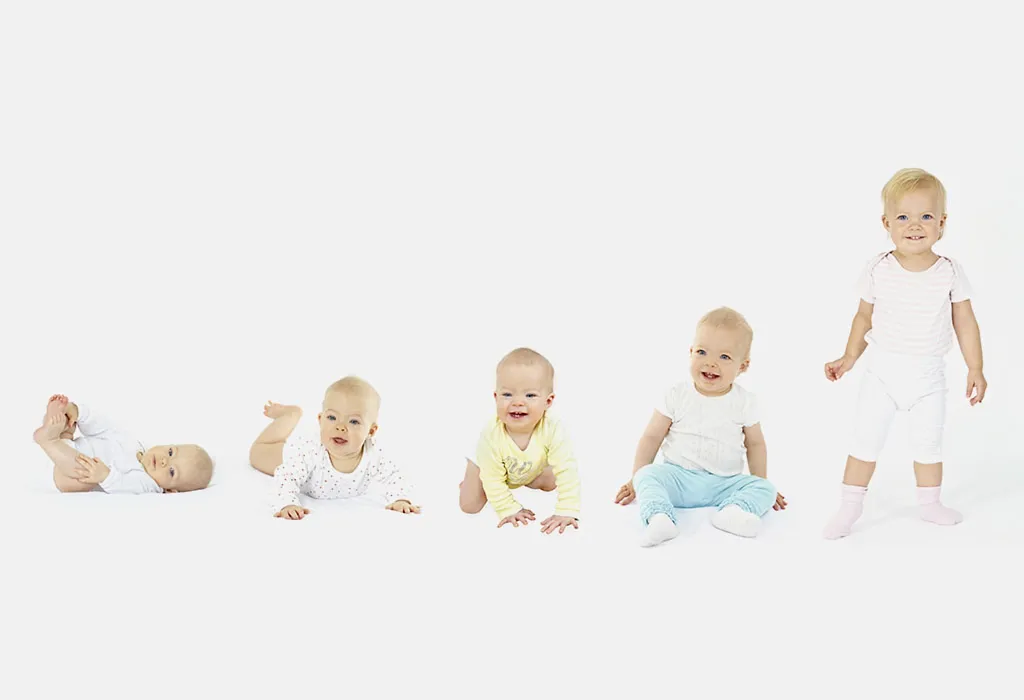
Along with the senses, your baby’s limbs will also begin to improve as time passes. This is the time when your baby will realise that he has fingers which can be controlled individually. Though he might not be able to point at something or grip anything the right way, his fingers and palms will keep moving around as he starts exploring them. His hand-eye coordination will be much better than before.
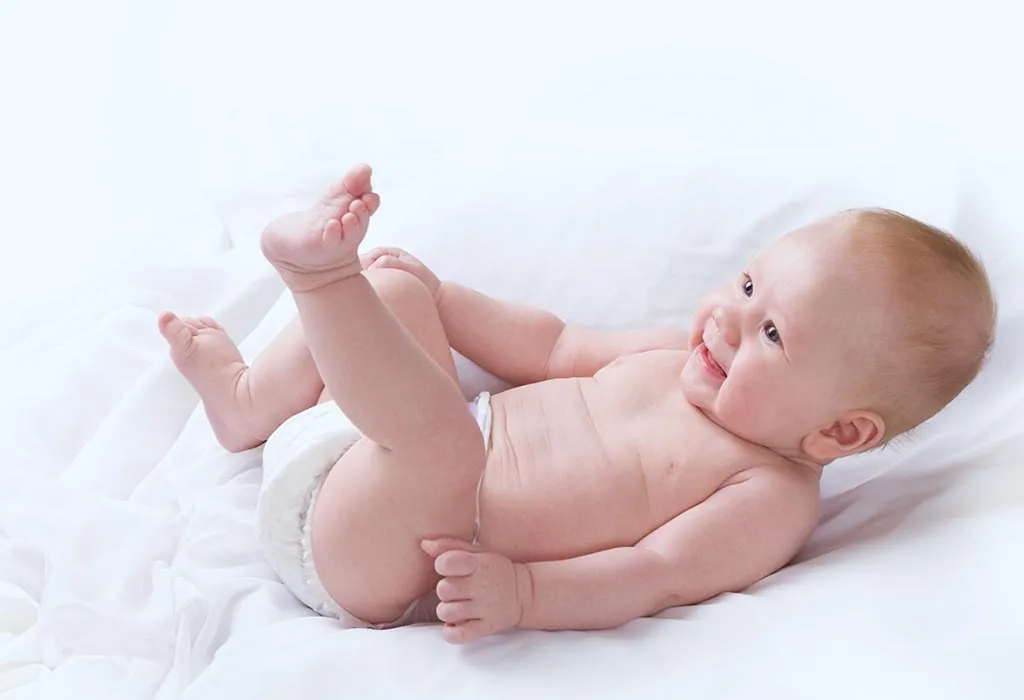
Discovering his own voice will also be an activity that will interest your baby quite a lot. Having long conversations with himself and experimenting with different tones and modulations will keep him engaged for much of the day. While playing games, he might make a loud cry when you hide and then laugh satisfactorily when you reveal yourself. Many babies wake up early in the morning and, if their stomachs are full, will continue lying around, looking at their feet, and cooing.
[Also Read: 3 Months Old Baby Milestones]
Feeding a 13-week-old baby
As patterns and routines begin to set in, your 13-week-old baby may feed easily. Yes, breastfeeding your little one will become a tad easier and more comfortable for both of you. His feeding will be more efficient, and you will be able to tell when he wants food and when he doesn’t in a much better manner. The cry of hunger and the cry for being held will be recognisable.
Remember the typical hunger cues (3):
- sticking tongue out
- licking lips
- fussines
- opening the mouth at the sight of the mother
- sucking on whatever’s close to their mouth
- putting their hand to their mouth frequently
- searching for the breast
[Also Read: 3 Months Old Baby Food]
Sleep at 13 weeks
As your baby undergoes growth spurts, you might have to feed him at odd hours of the day and night. Breastfed babies tend to require milk at night a little more than babies who are bottle-fed. Your baby will stay awake more during the day and will sleep longer at night. Nevertheless, most babies do not sleep through the night. The longest they might sleep without a break is about 6-8 hours, and they may take 2 to 3 daytime naps a day (4). Remember, nighttime waking is normal and expected at this age (5).
To ensure safe sleep for your baby, make sure to keep their sleeping area clutter-free, with no extra blankets, extra pillows, toys, stuffed animals, crib bumpers, or other objects. Also, put your baby on their back for every sleep (6).
[Also Read: 3 Months Old Baby Sleep]
Routine for a 13-Week-Old Baby
Up until now, you must have tried to figure out how the entire process of parenting, feeding, and sleeping works. But after spending about 13 weeks with your baby, this can be a good time to start establishing a routine of sorts for both of you. Some babies inevitably fall into a predictable routine pretty early in life. If your baby hasn’t, it is time to start building a routine with him.

As babies grow up, they choose when to feed and when not to. There might be a specific feeding schedule you must follow, but over time, your baby might refuse to feed if he is full. As long as his weight is fine, you have nothing to worry about. When he enters another phase of rapid growth, his hunger will increase, and he might start demanding food a lot more than usual.
If your baby feeds for long intervals between feeds, you can set a schedule of, say, 3 to 4 hours between feeds. This allows you to shape your own routine, get some rest, and keep your baby well-fed and rested, too. A lot of change can disturb the baby; hence, you should try to establish a routine for him. When he knows that after 1 feed, the next feed will be after a few hours, he can sleep without being disturbed. Even at night, your baby might not sleep as long as you do, or as long as you need to. In these cases, it is important to ensure that your baby does not sleep off at other times. Most mothers observe that their babies tend to sleep while they are bathing or feeding them in the afternoon or so. Wake up your baby if that happens and complete the activity. He might get cranky and not sleep, which might continue for a couple of days. After that, he will understand the timings and begin to fall asleep accordingly.
Baby’s Poop and Constipation at 13 Weeks
A 13 weeks baby has a bowel movement once or twice a week, as there is very little waste in the breast milk. The important thing to note here is that the breastfeeding baby’s stools will be soft and slightly runny. On the other hand, the formula-fed baby’s stool will be a little firmer but not too hard; more like a pasty consistency (7).
Also, it is very unlikely for a breastfeeding baby to have constipation, but there can be changes in bowel patterns. A formula-fed baby may experience constipation, which can make them very unsettled at times. If constipation episodes happen more often, it is advised to get in touch with your baby’s paediatrician without delaying much.
Must-Have Items at 13 Weeks
Here are some items that can make the life of a parent of an infant at 13 weeks old smooth:
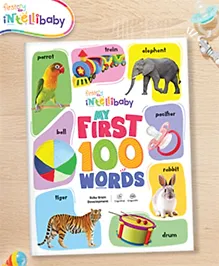
- Board Books: This is a great time to start making your little one’s library by buying children’s board books. These books are visually strong and easily captivate children’s attention.
- Teething Toys: Your little peanut is about to start teething or has already started teething. To soothe the pain in their gums, you can purchase quality, baby-safe teething toys that are safe to chew on. Make sure the material of the teething toy is either BPA-free, wood, silicone, or fabric.
Tips to Take Care of Your 13-Week-Old Baby
Here are some tips that you should follow to take care of your 13-week-old baby.
- Take care of your baby’s skin by making sure it doesn’t get too dry. Make use of moisturisers and humidifiers if dry skin persists.
- Take your baby out in the park or garden, or let him interact with other babies when you go for a morning or evening walk.
- Let your baby sleep for fixed hours and try creating a fixed schedule for all activities so that your baby can start looking forward to them, too.
[Also Read: 3 Months Old Baby Care]
Tests and Vaccinations
Having completed 3 months fully and getting him vaccinated on time, it is time to prepare him for another round of vaccinations. These could be done either via injections or by giving oral medications.
Vaccines that will be given after completing 14 weeks are (8):
- DTaP vaccine: protects from diphtheria, tetanus, and whooping cough (pertussis); 2nd dose of 5
- IPV vaccine: protects from life-threatening disease caused by poliovirus; 2nd dose of 4
- Hib vaccine: protects from bacteria Haemophilus influenzae type b (Hib); 2nd dose of 3 or 4
- PCV vaccine: protects from infections and illnesses caused by Pneumococcal bacteria; administered via injection; 2nd dose of 4
- Rotavirus vaccine: protects from deadly rotavirus; administered orally; 2nd dose of 2 or 3
Games and Activities
The auditory sense of your baby will grow quite a lot. Understanding sounds, music, and tonality, they begin to notice how the same sound can be emitted in different notes as well. But instead of simply using music, you can take your baby to the kitchen for a change of environment and give him a drumming 101 session. Make use of utensils around the house, plastic boxes, cardboard boxes, or anything that is made of a different material than others. Putting them all together in one place, grab a small stick or a ladle and slowly hit each object to make a sound. The different sounds will get your baby intrigued and excited. Start playing something musical, and your baby may start clapping away, too. Then, turn your baby around to look at his face and use your mouth to create those same drumbeat sounds. This entire activity will keep your little one engaged for many days to come.
Babies love water and playing with it. If you have a bathtub or even a smaller tub, fill it with warm water and gently put your baby in it. Make sure his head is always above the water, and use your hand to support him with that. Then splash some water using your hands and then grab his feet to create the splashes as well. Let your baby take some time in figuring out how his feet can make the water splash. Once that is done, your bathroom will turn into a water park within no time.
[Also Read: 3 Months Old Baby Games and Activities]

When to Consult a Doctor
Around this age, babies tend to suffer from thrush, which is mostly a yeast-related infection. This manifests in the form of white spots or patches on the inner areas of the mouth, including the cheeks and lips. This can be passed on to the mother as well during breastfeeding and can make your nipples hurt. Talk to your doctor if such a condition exists.
FAQs
1. How big is your baby at week 13?
At 13 weeks, a baby is as big as 60-61cm or 23-34 inches in length.
2. Can babies have teeth at 13 weeks?
A baby might show signs of teething at 13 weeks or three months, but teeth usually appear after the baby is six months old.
3. What to do if my 13-week-old baby rolls over in their sleep?
If your 13-week-old, cute little one rolls over in their sleep onto their tummy, you may want to stop swaddling them and gently return them to their original position. Don’t panic or keep a watch on them all the time when they are sleeping. Just roll them back to their original position. Remember to put your baby on their back as sleeping on the tummy can increase the risk of SIDS (9).
Heading speedily towards month 4, your baby will start picking up so many activities and learn so many new things that his growth will astound you. Keep all those memories intact and make sure to spend as much time with the baby as possible.
Previous Week: 12 Weeks Old Baby
Next Week: 14 Weeks Old Baby
Was This Article Helpful?
Parenting is a huge responsibility, for you as a caregiver, but also for us as a parenting content platform. We understand that and take our responsibility of creating credible content seriously. FirstCry Parenting articles are written and published only after extensive research using factually sound references to deliver quality content that is accurate, validated by experts, and completely reliable. To understand how we go about creating content that is credible, read our editorial policy here.
1. American Academy of Pediatrics – Your Baby’s Physical Appearance & Growth: 1 to 4 Months
2. Nemours KidsHealth – Teething Tots
3. American Academy of Pediatrics – How Often and How Much Should Your Baby Eat?
4. Pregnancy Birth and Baby – Baby sleep patterns by age
5. NHS – Your baby’s sleep at… 3-6 months
7. Unity Point Health – 12 Types of Baby Poop & What They Mean
9. American Academy of Pediatrics – Safe Sleep Tips for Sleep-Deprived Parents
- Author
- Expert Reviewer


Related Articles
-

Your 51 Week Old Baby - Development, Milestones & Care
-
When Do Babies Eyes Change Color?
-
When Do Babies Start To Play With Toys
-
Baby Brain Development - How to Support Healthy Brain Growth
-
Challenging Behaviour Your 3-6 Months Old Baby May Display
-
11 Months Old Baby Milestones - Cognitive, Social & Emotional Developmental Milestones







.svg)