White Poop in Babies and Toddlers – What Does it Indicate?
Concerned about white poop in your baby or toddler? Understand the causes, health risks, and when it's important to seek medical advice.




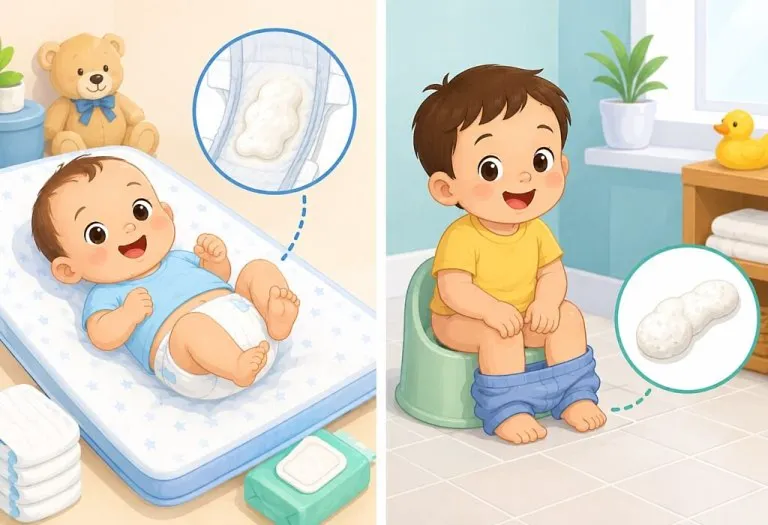
If your baby’s poop is white, it’s not something to brush off as a harmless change; it isn’t considered normal and may be a sign of a problem with bile flow that needs prompt medical attention. According to the American Academy of Pediatrics, pale, grey, or white stools in infants may be an early sign of biliary atresia or other liver diseases and warrant prompt medical evaluation (1). The same concern applies if you notice white poop in toddlers, as this unusual stool colour can also indicate an underlying digestive or liver-related issue. In this article, we’ll explain the possible causes, symptoms to watch for, when to seek medical care, and the treatment options available so you know exactly what to do next.
What Does White Poop Mean in Babies?
While changing your baby’s soiled diaper, if you notice white poop, you’ll worry if something is wrong with your baby’s health. If it’s a one-off occurrence, it is nothing to worry about. It could be as simple as undigested food, but parents should keep checking their baby’s stools. If the stool colours remain white, it could be due to the low production of bile (bile pigments give the yellow or brown colour to the stools) or a blockage that might be stopping bile from reaching the intestine (2). If your baby’s poop colour doesn’t change and continues to be white, you must check with a doctor.
What Are the Causes of White Poop in Babies?
Since most babies are on a liquid or semi-solid diet, the consistency of the poop might differ. However, the colour should be in the normal range for you to be sure of good health. White poop is never a good sign. There could be a range of causes, but here are some reasons you might find white poop in your infant’s bowels.
- Medication could sometimes be the cause of white stools. Some antibiotics for ear infections can lead to white stools. Antacids that treat the baby’s reflux issues can also lead to white spots in baby poop.
- White, along with some red poop, could be a sign of constipation.
- An iron deficiency leads to white stool anaemia.
- It could be a sign of a liver blockage in a more extreme situation. The liver produces bile which helps break down fats in the body. If the bile can’t be drained from the liver through the body’s normal functions, it can be a problem and scar liver cells. This leads to cirrhosis which could lead to liver failure (3).
- Biliary Atresia is a rare but serious liver disease that affects infants. It occurs when the bile ducts are blocked or damaged, leading to a build-up of bile in the liver. One of the symptoms of biliary atresia is white or pale-coloured stools (4).
- In breastfed babies, white stools can sometimes result from feeding exclusively on foremilk, the thinner, less fatty milk that comes at the beginning of a feed. This can lead to a lack of bile in the stool, resulting in a white or light-coloured appearance.
- Some medications, such as antacids or antibiotics, can cause white or light-coloured baby stools. This is because they can affect the digestive system and reduce the amount of bile released into the stool.
- Genetic disorders like cystic fibrosis affect the lungs, pancreas, and other organs. In infants with cystic fibrosis, white or pale stools can be a symptom of a blockage in the pancreatic duct, which can interfere with the digestion and absorption of fats (5).
Symptoms That May Accompany White Stools in Babies and Toddlers
If your baby’s stool colour is white, you’re bound to get concerned. If you notice it once or twice, it’s not a problem. It could be simply due to the medication that your baby might be on or white spots could be the remnants of the milk that your baby is consuming. But if you notice any of the following symptoms, it’s a cause of concern, and you must check with your child’s paediatrician.
- Jaundice is a disease that is caused due to an improperly functioning liver. This disease leads to a slightly yellow tinge on the patient’s skin and eyes. Jaundice can be life-threatening and must be checked out by the doctor immediately (6).
- Dark-coloured urine is never really a positive sign of good health. Darker urine points towards inconsistencies in the kidney, and liver region and should be checked out by a medical health professional.
- Itchy skin could be an accompanying symptom, along with white stools.
- Crying more than usual could be a sign of your baby’s discomfort. You must check with a paediatrician if your baby cries incessantly.
- If your baby is not gaining or losing weight, it could be a sign that they are not absorbing nutrients properly. White stools can be a malabsorption symptom, leading to poor weight gain (7).
- Changes in bowel movements can also be a sign of a digestive problem. White stools and diarrhoea or constipation may indicate a problem with the liver, bile ducts, or pancreas.
- If your baby is experiencing abdominal pain, it could be a sign of a digestive problem. White stools and abdominal pain may indicate a blockage in the bile ducts or pancreas.
- If your baby has a fever, it could be a sign of an infection. White stools, along with a fever, may indicate a bacterial or viral infection that is affecting the digestive system.
These symptoms and chalky poop could point towards something a bit more serious and may require medical intervention. White curds in baby poop in breastfed and formula-fed babies just point towards undigested fats from the milk that did not break down well.



White Stools in Children – Is It Dangerous?
The normal colour of poop in babies and infants should be yellow, brown, green or a mix of these. A doctor must be consulted immediately if parents spot that their 1-year-old baby’s poop colour is white. Home remedies should not be tried since it has to do with a serious internal problem that needs to be sorted out with the help of a medical professional. White stools can indicate some serious problems, so checking with a doctor is a must. The cause of white stools could be a tumour preventing bile from reaching the small intestine. Gallstones form in the bile can also block the bile. These conditions could further build a fever and exacerbate other symptoms (8). Gastrointestinal complications could lead to white poop as well. Hence, you must take your child to a doctor.
Serious Conditions That Can Happen in Baby & Toddlers Because of White Poop
White poop itself is not the complication, it’s often a warning sign that bile isn’t reaching the intestines as it should. If the underlying condition is not diagnosed and treated promptly, it can lead to serious health problems, especially in babies and young children. Here are some of the potential complications:
- Liver damage or liver failure: Conditions such as biliary atresia or cholestasis can cause ongoing liver injury, eventually leading to scarring (cirrhosis) and liver failure if left untreated (9).
- Poor growth and delayed development: Reduced bile flow affects the absorption of fats and fat-soluble vitamins (A, D, E, and K), increasing the risk of poor weight gain, stunted growth, and developmental delays.
- Vitamin deficiencies: Inadequate absorption of essential nutrients can result in weakened immunity, vision problems, poor bone health, and an increased tendency to bleed.
- Severe jaundice: Persistent bile blockage can worsen jaundice, causing yellowing of the skin and eyes and increasing the risk of complications if not managed promptly.
- Need for a liver transplant: In severe or advanced cases, irreversible liver damage may make a liver transplant the only effective treatment option.
When Should You Not Get Worried About White Poop in Babies?
Children’s white stool can be a cause for concern, but it may not be a serious issue in some cases. Here are some situations in which you may not need to worry about white poop in your baby:
- If your baby is less than a week old: In newborns, it’s common for their first few stools to be greenish-black, called meconium (10). After that, their poop may be yellow or brown. However, in some cases, their poop may appear white or pale. This newborn white poop is usually not a cause for concern, simply because their digestive system is still developing.
- If your baby is formula-fed: If your baby is formula-fed, it’s possible for their poop to be a lighter colour, ranging from yellow to light brown. This is normal and may not be a cause for concern if your baby is otherwise healthy and gaining weight.
- If your baby has just started eating solids: As they start to eat solid foods, their poop may change in colour and consistency. It’s common for their poop to be different shades of brown or green; occasionally, it may appear white or pale. This is usually not a cause for concern as long as your baby is healthy and happy.
- If your baby has no other symptoms: If your baby’s poop is white or pale, but they have no other symptoms such as fever, abdominal pain, or poor weight gain, it may not be a serious issue. However, it’s always best to consult your healthcare provider to rule out potential health problems.
White Substance in Poop – What’s That?
It can be concerning if you notice white substances in your baby’s poop, but it’s not always a cause for alarm. Here are some possible causes of white substances in poop:
- Undigested food: Sometimes, you may notice white substances in your baby’s poop that look like pieces of undigested food, such as rice or milk curds. This is usually not a cause for concern, as babies’ digestive systems are still developing and may not fully digest all types of food.
- Mucus: Mucus is a sticky substance that lines the intestines and can sometimes be present in a baby’s poop. Mucus can appear white or yellowish in colour and can be caused by various factors, including infections or inflammation in the digestive tract (11).
- Worms: In rare cases, white substances in poop can indicate the presence of worms, such as tapeworms. If you suspect your baby has worms, it’s important to consult with your healthcare provider for proper diagnosis and treatment.
- Medication or supplements: Some medications or supplements, such as iron supplements or antacids, can cause white substances to appear in the stool. If you suspect a medication or supplement is causing this, speak with your healthcare provider for guidance.
- Infections: In some cases, white substances in the stool can signify a bacterial or viral infection in the digestive tract. If your baby has other symptoms, such as fever or diarrhoea, seeking medical attention is important.
How to Treat White Poop in Babies?
Seeing white baby poop can be a concerning and alarming experience as a parent. Feeling worried and unsure about how to help your little one is natural. White poop in babies can be a symptom of various underlying health problems, ranging from minor issues to more serious conditions that require medical attention. In this context, being proactive and seeking prompt diagnosis and treatment is essential to help your baby feel better quickly. Here are some tips on treating white poop in kids to help ease your worries and get your baby back to good health.
- Consult with your paediatrician: If you notice white poop in your baby, it’s important to contact your healthcare provider for further evaluation and treatment. They can help determine the underlying cause of the white poop and recommend appropriate treatment.
- Adjust your baby’s diet: If your baby is formula-fed, your healthcare provider may recommend switching to a different type of formula. If your baby is eating solid foods, they may recommend eliminating certain foods or ingredients from their diet. Following their recommendations closely ensures your baby gets the proper nutrition.
- Medications or supplements: If your baby has an underlying medical condition causing the white poop, your healthcare provider may prescribe medications or supplements to help treat the problem. It’s important to follow their instructions carefully and closely monitor your baby’s symptoms.
- Surgical intervention: In rare cases, white poop in babies may require surgical intervention. For example, if there is a blockage in the bile ducts or pancreas, surgery may be necessary to remove the blockage.
When to Consult a Doctor?
If your baby’s poop colour is often white, you must check with a paediatrician immediately. While it could be due to a minor cause, it could also be due to serious problems mentioned in the above paragraph. So, see a doctor if you notice anything unusual.
FAQs
1. Which food causes white poop in babies?
While no specific food causes white poop in babies, certain types of formula or changes in diet can affect the colour of a baby’s stool. If you notice white substances in your baby’s stool, it’s vital to consult with your paediatrician for proper evaluation and diagnosis.
2. Why is your toddler poop clay-coloured?
Clay-coloured or pale stools in toddlers can indicate a problem with the liver, gallbladder, or pancreas. It can be caused by various factors, such as an obstruction in the bile ducts or liver disease. If you notice clay-coloured stools in your toddler, it’s important to consult with your doctor for accurate analysis.
3. Can white poop go away on its own?
It depends on the cause. If the stool appears white because of a temporary factor, it may resolve without treatment. However, persistent or repeatedly white stools should never be ignored, as they may indicate a condition that requires medical treatment.
For new parents, discussing their baby’s pooping habits is an everyday task. And if your baby’s poop colour is white, your discussions can leave you worried. But with proper information and your doctor’s guidance, it can be treated, and your little one will be healthy again!
Also Read:
Black Poop in Infants
Watery Stool in Newborns
Abnormal Poos and Wees In Babies
How Often Should your Newborn Baby Poop?
Was This Article Helpful?
Parenting is a huge responsibility, for you as a caregiver, but also for us as a parenting content platform. We understand that and take our responsibility of creating credible content seriously. FirstCry Parenting articles are written and published only after extensive research using factually sound references to deliver quality content that is accurate, validated by experts, and completely reliable. To understand how we go about creating content that is credible, read our editorial policy here.
2. PubMed Central – Case Report: White Colored Stool: An Early Sign of Cystic Fibrosis in Infants
3. Mayo Clinic – White stool: Should I be concerned?
4. Cleveland Clinic – Biliary Atresia
5. Cleveland Clinic – Cystic Fibrosis
7. Cleveland Clinic – Malabsorption
8. Cleveland Clinic – Gallstones
9. Cleveland Clinic – Cirrhosis of the Liver
- Author

Related Articles
-

How to Deal With Gas in Toddlers?
-
Understanding Medical Abbreviations and Acronyms for Vaccines On Your Child's Immunization Record
-
10 Easy and Effective Home Remedies for Stomach Pain in Babies
-
Oral Rehydration Solution (ORS) for Babies
-
Soft Spot on a Baby’s Head (Fontanelle)
-
Congenital Diaphragmatic Hernia in Newborn Baby



.svg)