

Nausea & Vomiting in Pregnancy: Causes & Home Remedies
Find relief from pregnancy nausea and vomiting with safe home remedies, practical tips, and treatment options.





Medically Reviewed By
Dr. Rima Sonpal
(Gynecologist/Obstetrician)

In this Article
- Is Vomiting During Pregnancy Normal?
- When Does Vomiting Start in Pregnancy?
- Causes of Vomiting in Pregnancy
- Will It Affect Your Baby?
- How to Stop Vomiting During Pregnancy?
- Home Remedies for Vomiting During Pregnancy
- When Should You Call the Doctor?
- FAQs
View More
This health content has been medically reviewed by qualified experts and follows the FirstCry Parenting editorial policy to ensure accuracy and reliability.
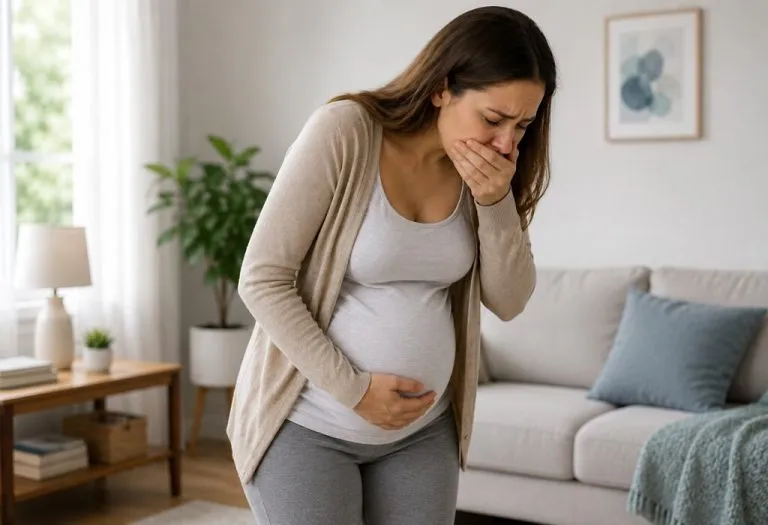
Vomiting during pregnancy is common, especially during the first trimester, but frequent or severe vomiting should not be ignored. According to the Royal College of Obstetricians and Gynaecologists (RCOG), hyperemesis gravidarum (HG), the most severe form of pregnancy sickness, can affect up to 3 in 100 pregnant women (1). For many women, understanding vomiting and pregnancy starts with knowing what is considered normal and when symptoms may need medical attention. While morning sickness often improves by around 20 weeks, severe vomiting can make it difficult to eat, drink, or carry out daily activities. This article explores the causes of vomiting in pregnancy, its potential risks, warning signs, and treatment options.
Is Vomiting During Pregnancy Normal?
Although morning sickness is not a very pleasant experience, it is considered to be normal during a healthy pregnancy. This pregnancy-related condition affects a majority of pregnant women, with the symptoms reducing as time passes by. However, you should immediately get in touch with your doctor if the severity and frequency of vomiting increases. If one persistently vomits through the day and loses weight, she runs the risk of dehydration (2). Also, if this condition is ignored or left untreated, the baby and mother’s health might be compromised.
When Does Vomiting Start in Pregnancy?
If you’re wondering, during pregnancy when will vomiting starts, the timing can vary from person to person, and some women may experience symptoms earlier, later, or not at all. Most pregnancy-related vomiting begins around the 4th to 9th week of pregnancy, often becoming more noticeable around the 8th to 10th week (3).
Causes of Vomiting in Pregnancy
While there is no single cause responsible for vomiting in pregnancy, there are a few that are common and affect a majority of pregnant women. Let us examine a few probable reason for vomiting during pregnancy in detail:
1. Rise in hCG Levels: The Human Chorionic Gonadotropin (hCG) hormone rises quickly during the early stages of pregnancy. The rise of hCG can be linked to nausea and vomiting as the timing of both the occurrences is quite close, especially since the nausea peaks around the same time (4).
2. Multiple Gestations: Carrying twins or triplets pushes the hCG levels higher, leading to bouts of nausea (5).
3. Oestrogen: Like other hormones, oestrogen levels go up too, especially during the initial stages of pregnancy, and are a possible cause of morning sickness (6).
4. Growing Sensitivity to Smells and Odour: Newly pregnant women can often smell things from afar and are easily overwhelmed by certain aromas, which could trigger their gag reflex in an instant. Research points out that this could be a result of higher oestrogen levels.
5. Sensitive Digestion: Few women are able to handle the changes in the early phases of pregnancy, especially when the digestive tract becomes sensitive towards all kinds of food and their tastes. Also, the presence of Helicobacter pylori bacteria in the stomach stimulates vomiting and causes nausea (7).
6. Stress: Vomiting and nausea can also be a result of stress or rather a response to stress. Women who are psychologically predisposed to having morning sickness are more likely to experience it than others.
7. Maternal Genetics: Women whose mothers experienced morning sickness are more likely to experience it.
8. History of Motion Sickness: Women who suffer from nausea and migraines are more likely to experience morning sickness (8).
9. High Intake of Fat: Women who consume higher quantities of unsaturated fats before pregnancy are more likely to experience nausea and morning sickness.
Will It Affect Your Baby?
Mothers-to-be are often worried about vomiting affecting the babies, but generally mild bouts of vomiting do not harm the growing foetus. However, it is best to consult your doctor if the symptoms continue beyond the 14th week to ensure that foetal growth and development are not hampered.
A condition called hyperemesis gravidarum or severe kind of morning sickness that can cause unexplained weight-loss and upset electrolyte balances, due to a lot of vomiting. When this happens, it is best to inform the doctor, as leaving it untreated could harm the baby (9).
How to Stop Vomiting During Pregnancy?
How to prevent vomiting in pregnant women is a question that troubles a lot of expectant mothers and women are anxious to get rid of this extremely uncomfortable and queasy feeling. Treatment can be divided into natural and medical options, and both have their own advantages when administered. Check the following remedies to ease morning sickness and make life a bit more bearable:
Home Remedies for Vomiting During Pregnancy
Let’s look at some practical natural remedies for vomiting during pregnancy that you can try to manage symptoms more comfortably (10).
1. Follow a comfortable routine
Pregnant women are already harried lot, and it is best not to pack too many things into a day, so try and space out your tasks throughout the day. Stress and tiredness will worsen the feeling, so resting and taking time off work are bound to help you.
2. Avoid the kitchen
Begin your day by chewing on a few dry biscuits or cookies, and spend some time in bed resting, before you get on with your routine. Keep a fresh stock of toast or biscuits by your bedside to avoid a trip to the kitchen. Women, pregnant or not, find it difficult to stay out of the kitchen, but if kitchen and food smells are triggering nausea attacks, then ask for external help (hiring a cook might be a good option).
3. Eat all that you can at your convenience
As long as you are able to keep the food down, your baby is safe and protected. Avoid spicy, oily, and fatty foods as they can aggravate your current condition. Eat in small portions, but eat often. You will soon learn the kind of food that suits you and things that don’t. Foods rich in Vitamin B6 like brown rice, sweet potato, banana, corn, chicken (if you are a non-vegetarian) and walnuts, are highly suggested. These are better than supplements that could induce vomiting.
4. Stay hydrated
Drink water at regular intervals to keep your body hydrated as this is known to relieve symptoms of morning sickness as well as problems like indigestion, heartburn, and acidity. Adding the juice of a fresh lime to the water also helps to avert the queasy feeling, as does drinking barley water. Aerated drinks, coffee, and tea should not be considered as a part of your liquid intake as they are diuretics (11).

5. Try yoga
Connect to a trained prenatal yoga instructor to help you practice simple relaxation techniques like yoga nidra (deep relaxation) and shavasan (relaxation pose). You can practice yoga throughout your pregnancy as it will help you in keeping your mind and body calm and reducing the stress levels.
6. Sniff a fresh scent
Certain smells and scents will turn your tummy and make you rush to the nearest washroom, so it is advisable to keep a bottle of fresh lemon extract in your handbag to get a whiff of freshness. This is especially helpful when you are in a crowded place or are unable to rush to an open space.
7. Ginger
Touted as a stomach soother for ages, ginger is ideal for bringing down morning sickness and vomiting and is known for being at the top of the list of home remedies for nausea during pregnancy. You could add a thin slice of ginger to hot water or your daily cup of tea. Taking ginger in various forms like ginger candy, gingerbread, or adding ginger to a soup can be helpful. It is, however, not recommended if your doctor has prescribed anticoagulant drugs for blood clots (12).
8. Try sour food
Many women find sour food like lemons, tamarind, amla (gooseberry), and pudina (mint) soothing and helpful in keeping nausea at bay. Plain lemonade can do wonders for your system, while tamarind in the form of juice or chutneys is also a popular option. A fresh sprig of mint can be refreshing, so keep a few in the refrigerator to tide over a particularly difficult morning (13).
9. Lying down
One of the simplest solutions to alleviate morning sickness and avoid beginning your day with vomiting is to stay in bed. Doctors recommend staying in bed when nausea strikes. Put on dark blinkers, if you like, and draw those thick curtains to keep the sunlight out. Rest can do wonders to you and help you to address the issue without much effort.
10. Experiment with aromatherapy
Scents such as lemon, orange, and mint are great to ward off that nauseous feeling. Pour a few drops of an essential oil into a diffuser and inhale for some time. You can also sprinkle a few drops on your handkerchief when you travel outside.
Medical Treatment for Vomiting During Pregnancy
If you experience a lot of vomiting during pregnancy, your doctor may prescribe medications that will help you to retain your food and fluid intake. These medications include (14):
- Antacids for the absorption of stomach acid and prevention of acid reflux.
- Metoclopramide to assist the stomach in pushing the food to the intestines.
- Phenothiazine for severe vomiting and nausea symptoms.
- Antihistamines to keep motion sickness and nausea at bay.
- Vitamin B-6 supplements are also helpful in relieving morning sickness.
Keep in mind that these medicines should be taken only after a consultation with your doctor.
When Should You Call the Doctor?
You should call your doctor if you experience any of the following symptoms (8):
- Light-headedness or dizziness
- Fever
- Infrequent urination
- Abdominal pain
- Frequent headaches
- Inability to keep the food down
Reach out to your doctor before your condition worsens any further. Extreme vomiting in pregnancy may require hospitalisation, and getting intravenous fluids might be necessary to address dehydration.
FAQs
1. How much vomiting is too much during pregnancy?
Vomiting becomes concerning when you cannot keep food or fluids down, are losing weight, urinating very little, or showing signs of dehydration. Frequent or severe vomiting may indicate hyperemesis gravidarum and should be assessed by a healthcare professional.
2. Does vomiting during pregnancy mean you are having a girl?
No. The severity of pregnancy sickness cannot reliably predict the baby’s sex. Claims that more vomiting means you are having a girl are not a dependable way to determine sex.
As an expectant mother, do not worry as you are not alone in this battle against morning sickness during pregnancy, and more than 70% of women experience nausea and vomiting during their pregnancy.
Also read:
Morning Sickness in Pregnancy
Vomiting in the Third Trimester
How To Overcome Pregnancy Fears
Was This Article Helpful?
Parenting is a huge responsibility, for you as a caregiver, but also for us as a parenting content platform. We understand that and take our responsibility of creating credible content seriously. FirstCry Parenting articles are written and published only after extensive research using factually sound references to deliver quality content that is accurate, validated by experts, and completely reliable. To understand how we go about creating content that is credible, read our editorial policy here.
2. PubMed Central – Nausea and Vomiting of Pregnancy
3. Cleveland Clinic – Morning Sickness
4. Max Healthcare – Navigating Vomiting During Pregnancy: A Guide to Morning Sickness and Relief
5. Cleveland Clinic – Expecting Twins or Triplets
6. Mayo Clinic – Nausea during pregnancy: A good thing?
7. Mayo Clinic – Helicobacter pylori (H. pylori) infection
8. Mayo Clinic – Morning sickness
9. Cleveland Clinic – Hyperemesis Gravidarum
10. Tagore hospital – How to Stop Vomiting in Pregnancy Home Remedies?
11. Tommy’s – How much water should I drink in pregnancy?
12. PubMed Central – Ginger for nausea and vomiting of pregnancy
13. Narayana Health – 15 Foods That Fight Nausea During Pregnancy
14. PubMed Central – Treatment of nausea and vomiting in pregnancy
- Author
- Expert Reviewer


Related Articles
-

Effects of Vaping While Pregnant on Mom & Baby
-

Easy & Safe Exercise during Pregnancy First Trimester
-
Vanishing Twin Syndrome: Symptoms, Effects, & Ultrasound
-
Fibromyalgia and Pregnancy: Symptoms, Risks & Treatment
-

Watching Horror Movies During Pregnancy - Safe or Not?
-
Black Stool During Pregnancy: Causes, Risks, and Prevention