
Easy & Safe Exercise during Pregnancy First Trimester
Stay active during early pregnancy with safe first-trimester workouts, gentle exercises, and practical tips for exercising comfortably.





Medically Reviewed By
Dr. Aruna Kalra
(Gynecologist/Obstetrician)

This content has been reviewed by a qualified expert and follows the FirstCry Parenting editorial policy to ensure accuracy and reliability.
First trimester exercise is generally safe for most healthy pregnancies when there are no medical contraindications. The WHO recommends that pregnant women aim for at least 150 minutes of moderate-intensity aerobic activity each week, along with muscle-strengthening activities and gentle stretching (1).
But does that mean every workout is safe? Not necessarily. Your body is changing quickly during the first trimester, so knowing how to adapt your exercise routine matters. This article covers everything you need to know about exercise and first trimester, including, safe 1st trimester exercises, activities to avoid or modify, and warning signs that mean you should stop and speak with your doctor.
Is Exercise Safe During the First Trimester of Pregnancy?
For most people with an uncomplicated pregnancy, exercise in pregnancy 1st trimester is generally safe and can provide important health benefits, provided there is no medical reason to restrict physical activity (2).
During the first trimester, however, exercise should be comfortable and adapted to how you feel. Walking, swimming, stationary cycling, and pregnancy-appropriate strength exercises are commonly suitable options. Women with pregnancy complications or specific medical conditions should discuss their exercise routine with their doctor before continuing or starting a program (3).
Why Exercise Is Beneficial During the First Trimester
Exercise for pregnant women in first trimester can support a healthy pregnancy by offering several physical and emotional benefits, including (4) (5):
- Supporting healthy weight management by helping you stay physically active as your body changes.
- Reducing the risk of gestational diabetes by supporting healthy blood sugar regulation.
- Supporting cardiovascular health by helping maintain strength and stamina.
- Reducing the risk of high blood pressure and pre-eclampsia during pregnancy.
- Improving mood and reducing stress by supporting emotional well-being.
- Easing common pregnancy discomforts, including mild back discomfort.
- Improving sleep quality and supporting overall energy levels.
Where Should You Start?
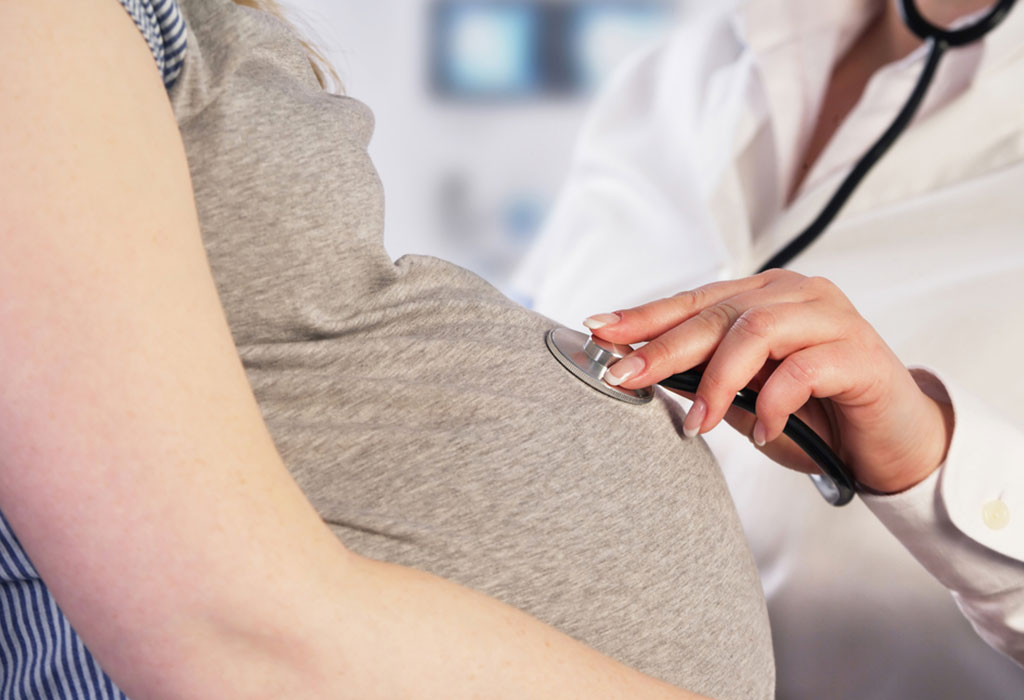
A good kick-start to the whole workout routine is with a visit to your doctor. Getting a physical done and consulting your doctor after preliminary tests are done will help you understand how and when your body is going to change and what you need to do to ensure your baby’s and your safety. It is also recommended that you ask your doctor if there are any exercises to avoid. Remember that, it is extremely important to warm up, stretch and cool down during your workouts, this never changes despite the pregnancy.
A safe way to warm up is by starting with 15 minutes of cardio at a comfortable, low pace on the treadmill or elliptical machine. Ensure you do light stretches before and after the warm-ups. Working on weights can be beneficial too but ensure you stick to light weights and go at a pace that doesn’t strain your body. Remember that during pregnancy, you should probably stay away from intense types of workouts like CrossFit.
Safe Exercises for the First Trimester
Before planning your work-out, it is highly recommended that you consult your medical practitioner and find yourself a personal trainer with experience in managing workouts specific to pregnancy.
Here are some good, low-intensity first-trimester exercises that are highly effective:
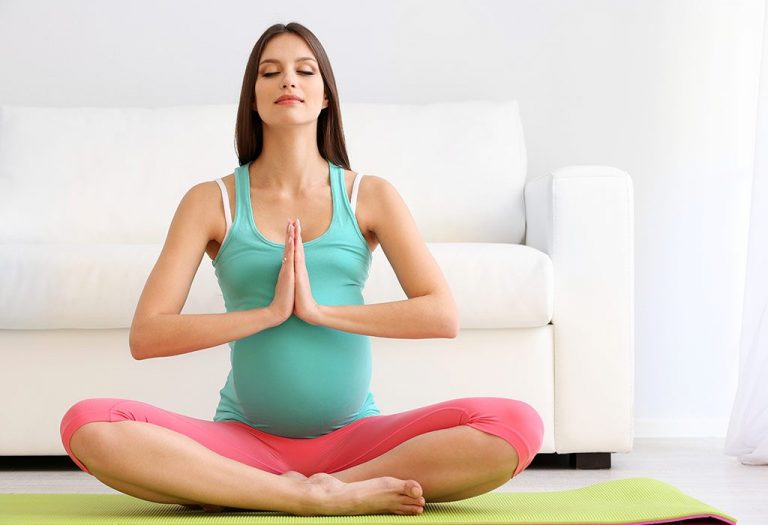
1. Prenatal Yoga
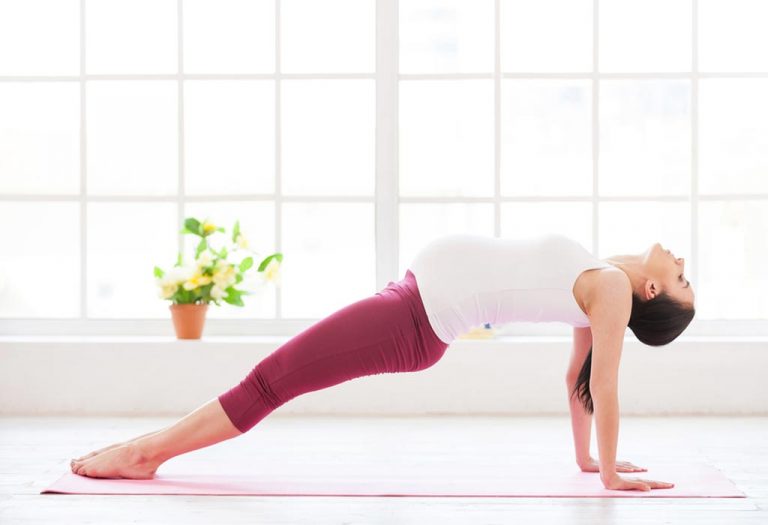
Prenatal yoga is considered a complete workout, it builds strength, has cardio, works on your flexibility and is known to help reduce pain during your delivery (6). The best part? Prenatal yoga cannot be taught by regular yoga instructors; this means the workout is specifically designed for pregnancy and is taught by certified pregnancy exercise specialists.
How Much You Should Do
Atleast once a week for about 10 minutes.
2. Pilates
Like prenatal yoga, Pilates incorporates strength, flexibility and cardio to create a perfect workout routine that is low intensity but highly effective, Pilates is known to help increase blood flow and when taught by an expert is safe for women at any stage of pregnancy (7).
How Much You Should Do
This exercise regime should be done only once a week.
3. Squats
Squats are an amazing way to build lower body strength, squats also help build durability in the groin region and are known to help reduce pain during the delivery, it also is a great way to build your calves, hamstrings and quads. Remember, while doing squats, do not lock your knees.
How Much You Should Do
Between 10-15 repetitions three times a week.
4. Swimming
A great way to tone your body is by going for a swim; it’s great for a cardio workout, can help tone most of your body and is also great for your pregnancy. In fact, there are some cultures that recommend floating in water during the pregnancy to relieve the strain on your body. The best part of this type of exercise is it puts no strain on any joints and is a non-impact activity that is highly effective (8).
How Much You Should Do
Approximately 4 times a week, with each swimming session being no more than 30 minutes.
5. Jogging
One of the safest ways to exercise, jogging at a comfortable pace can help build stamina, regulate blood flow and is known to keep you limber and loose. Jogging is traditionally a great workout for the first trimester; you can trim it down to a brisk walk when you are further along in the pregnancy. Remember, you shouldn’t over-exert yourself, and that means staying at a pace you are comfortable in (9).
How Much You Should Do
Around three times a week if you are a seasoned jogger.
6. Spinning
A spinning class is great for aerobic workouts, it is intense yet low impact, it pushes your heart rate in a healthy and controlled way, it is safe, and best of all it burns calories, tones your lower torso immensely and is a great way to improve your metabolism.
How Much You Should Do
Approximately one hour in a week.
7. Weights
Lifting weights is a great way to build strength; this also helps you tone your muscles all over. When done correctly it can help manage weight distribution to carry that excess pregnancy weight later in the pregnancy. Remember though; you shouldn’t lift weights that are too heavy and ensure you maintain the form of the workout, don’t lock your joints.
How Much You Should Do
Low intensity workouts twice a week is sufficient.
Which Exercises Should You Avoid in the First Trimester?
Not every workout is suitable during early pregnancy, so here are a few 1st trimester exercises to avoid to help you stay active safely (10):
- Contact sports such as boxing, martial arts, and hockey.
- High-fall-risk activities such as horseback riding, skiing, and water skiing.
- Scuba diving and other activities involving hyperbaric conditions.
- Hot yoga or exercising in excessive heat, especially with high humidity.
- High-altitude exercise that can reduce oxygen availability.
Tips for Exercising in Early Pregnancy
Workouts can be extremely beneficial when done in a safe and controlled manner, here are a few tips to help you get the most of your workouts during your pregnancy.
- Get enough rest, when you’re pregnant and working out, it is absolutely essential you get enough rest for your body to recover.
- Don’t overdo it. If you feel tired, rest. Don’t force yourself to work out if your body is telling you to rest.
- Eat well; it is essential to keep your nutrition in mind when working out and when you’re pregnant. Talk to a nutritionist and follow a healthy, well-balanced diet.
- Keep all your doctor’s appointments; this will allow doctors to monitor your baby’s and your progress when working out, this gives them an opportunity to keep an eye on if any changes to your routine are required.
- Stay hydrated, consuming enough water and hydrating foods is essential towards recovery and should not be overlooked. The bouts of nausea and vomiting that you will experience increase the risk of dehydration.
FAQs
1. Can exercise cause a miscarriage in the first trimester?
For people with uncomplicated pregnancies, regular physical activity has not been shown to increase the risk of miscarriage. Exercise is generally considered safe when performed at an appropriate intensity and without contraindications. Speak with your doctor before exercising if you have been advised to restrict activity.
2. How can I tell if I am exercising too hard?
A simple guide is the talk test: during moderate exercise, you should generally be able to hold a conversation. Slow down or stop if you feel unwell, unusually breathless, dizzy, or uncomfortable. Staying hydrated and avoiding excessive heat are also important, particularly during the first trimester.
3. When should I stop exercising during the first trimester?
Stop exercising and contact your doctor if you experience vaginal bleeding, dizziness or fainting, chest pain, severe shortness of breath, headache, calf pain or swelling, painful regular contractions, or fluid leaking from the vagina. These symptoms should not be ignored during pregnancy.
Exercise during the initial stages of pregnancy can be an extremely important and beneficial thing, ensure that any workout plan you design is only implemented after getting the go-ahead from your medical care expert. It is highly recommended that you hire a personal trainer. During pregnancy, it is important that you don’t strain your body too much, as it can it can lead to exhaustion, and that can be dangerous for your baby and you. It is also recommended that you only workout for a limited duration each day, and make it a part of your routine. Try to stick to between 30 to 90 minutes per day and remember to go at your own pace.
Also Read:
Exercise in Second Trimester
Pregnancy Exercises for Normal Delivery
Safe Exercises for Easy Labour & Delivery
Was This Article Helpful?
Parenting is a huge responsibility, for you as a caregiver, but also for us as a parenting content platform. We understand that and take our responsibility of creating credible content seriously. FirstCry Parenting articles are written and published only after extensive research using factually sound references to deliver quality content that is accurate, validated by experts, and completely reliable. To understand how we go about creating content that is credible, read our editorial policy here.
1. World Health Organization – WHO guidelines on physical activity and sedentary behaviour: at a glance
2. Johns Hopkins Medicine – Exercise During Pregnancy
3. NHS – Exercise in pregnancy
5. American College of Obstetricians & Gynecologists – Exercise During Pregnancy
6. PubMed – Benefits of yoga in pregnancy: a randomised controlled clinical trial
7. PubMed Central – The effects of pilates method in pregnant women: scoping review
8. Tommy’s – Swimming in pregnancy
- Author
- Expert Reviewer

Related Articles
-

Prenatal Vitamins During Pregnancy: Importance & Dosage
-
Can Sex Cause Miscarriage in Early Pregnancy?
-
Evening Primrose Oil for Pregnancy: Health Benefits & Side Effects
-
Yoga for Pregnant Women - Best Prenatal Yoga Poses, Benefits and Tips
-
Retinol During Pregnancy: Is It Safe? Risks & Alternatives
-
How to Increase Haemoglobin (HB) during Pregnancy?