
Vitamin K in Pregnancy – Importance, Requirement, and Food Sources





Vitamin K in pregnancy supports normal blood clotting and bone health, and women aged 19-50 need an adequate intake of 90 micrograms daily, according to the NIH Office of Dietary Supplements (1). Although vitamin K deficiency is uncommon in healthy adults, meeting this requirement remains important for maternal nutrition and fetal development.
Fortunately, a balanced diet can provide vitamin K through foods such as spinach, kale, broccoli, cabbage, vegetable oils, and some fruits. But what makes this nutrient important during pregnancy, how much do you really need, and which foods can help you meet your requirement? This article covers all you need to know about vitamin K and pregnancy, including, its role, daily requirement, and practical food sources.
Why Is Vitamin K Important for Pregnant Women?
Vitamin K is important during pregnancy, as it helps heal a woman’s body. Its adequate intake is all the more important during the third trimester, as it helps during labour and post-childbirth. Let’s look at some of the other benefits of Vitamin K in pregnancy.
1. Heal the Body
It helps in the clotting of blood which prevents the body from losing excess blood in case of injury (2). However, too much consumption of Vitamin K can lead to thinning of the blood, which can be potentially harmful during pregnancy.
2. Fights Tooth Decay
Pregnancy can lead to some bad dental issues such as gum disease. Vitamin K helps in bone mineralisation and prevents acids from harming the teeth (3).
3. Promotes Bone Health
Studies have shown that it helps to increase bone strength and improves bone density (4).
How Much Vitamin K Is Needed in Your Pregnancy Diet?
Our body makes Vitamin K with the help of friendly bacteria in the intestine.
Although your pregnancy diet should contain a safe level of the required levels of Vitamin K, there hasn’t been an established safe upper level. The Vitamin K pregnancy dosage will be determined by your size or weight; that would basically be around 1 mcg per kg of your body weight per day (5).
But you must check with your doctor and dietician regarding the quantity of this vitamin during pregnancy. Your diet should include this vitamin in adequate amounts. The lack of this nutrient in your body can lead to continual bleeding, which could lead to infections (2). When the wound is dressed, this nutrient helps in healing quickly.

Food Sources of Vitamin K for Pregnant Woman
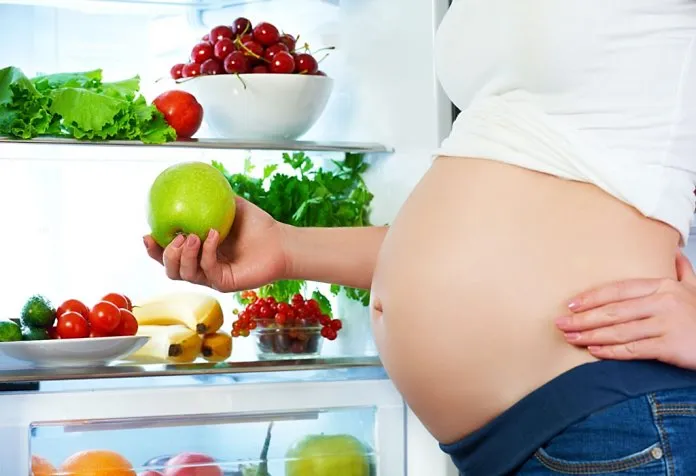
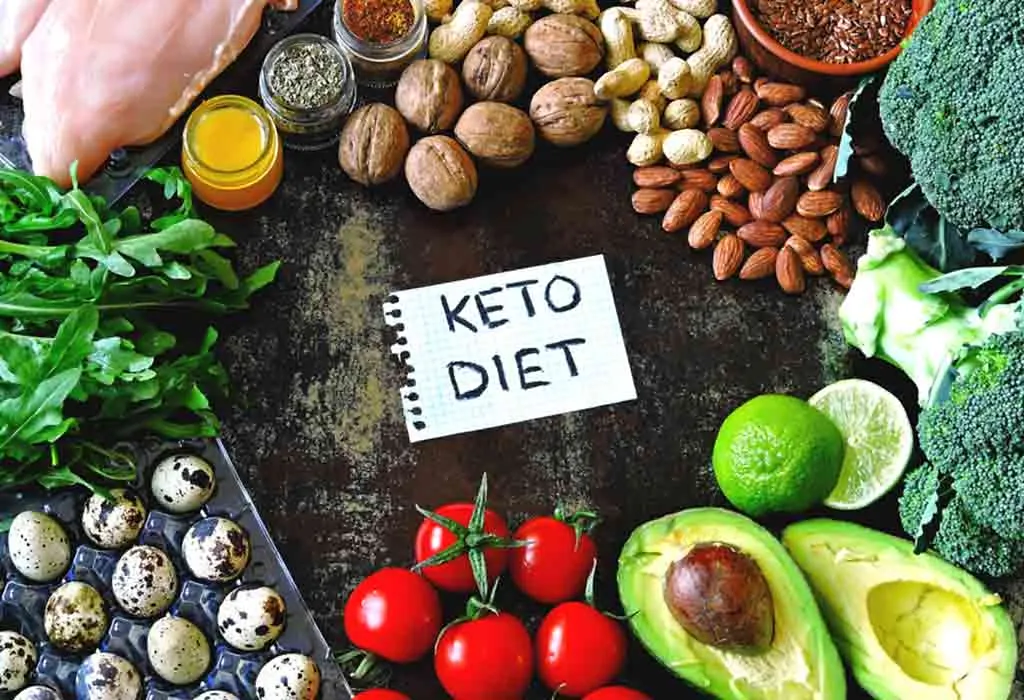
Yummy and nutritious is what you will be craving during the nine months. You can stock up on essential nutrients by including the following food sources, especially for some Vitamin K (1) (6)!
- Leafy veggies like spinach, kale, collard, and lettuce
- Fresh vegetables such as beetroot, broccoli, celery, red cabbage, cucumber, leeks, celery, cauliflower, artichokes, peas and beans
- Well cooked lean meat like beef and liver
- Eggs
- Fish
- Dairy products like cottage cheese and cream or milk
- Olive, canola and soybean oil contain the highest amount
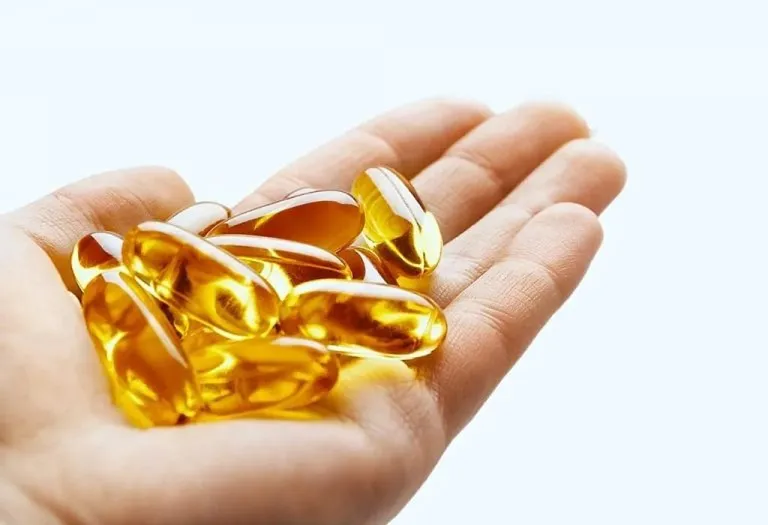
Do You Need to Take Vitamin K Supplements During Pregnancy?
If you maintain a healthy diet, the deficiency of Vitamin K when pregnant will be rare, as you will get it through the food you eat, and it will also be produced by your body.
However, if due to some medical conditions, if your body’s chances of absorbing the nutrient are less. This can be risky as you and your baby may not get the benefits of the nutrient. This is where supplements can help. You need to watch the amount of the nutrient entering your body through food, prenatal vitamins, and supplements. Nothing in excess is ever good. However, Vitamin K injection during pregnancy is not required (7).
Unless your doctor recommends them, do not take supplements. Certain medical situations change the requirement of supplements. If you are on any anti-seizure medications, you should then have supplements for two to four weeks prior to your due date to reduce the risk of bleeding in the newborn. Supplements are also introduced in case you develop cholestasis, a liver disease that occurs during pregnancy, to avoid haemorrhaging.
FAQs
1. What happens if there is a Vitamin K deficiency during pregnancy?
Severe vitamin K deficiency can interfere with normal blood clotting and may increase the risk of excessive bleeding or easy bruising (7). Deficiency is uncommon in healthy adults, but certain health conditions or medicines can affect vitamin K absorption or metabolism.
2. Can Vitamin K deficiency affect a newborn?
Newborns naturally have relatively low vitamin K levels, which can increase their risk of vitamin K deficiency bleeding. This is why doctors commonly recommend a vitamin K injection for newborns shortly after birth (8).
3. Does Vitamin K interact with any medications?
Vitamin K can interact with warfarin and certain other blood-thinning medicines, potentially affecting how they work. Pregnant women taking medications that affect blood clotting should discuss their vitamin K intake and any supplements with their healthcare provider.
A healthy diet is important for a baby’s healthy growth and development. Vitamin K is one of the most vital nutrients that contribute to a very healthy pregnancy, so you must make sure that you get it in adequate amounts. You can check with your doctor about the quantity of the nutrient to make sure that you are getting enough of it, and not more or less!
Also Read:
Vitamin A while Pregnant
Vitamin B1 during Pregnancy
Vitamin C Intake in Pregnancy
Consumption of Vitamin B12 in Pregnancy
Was This Article Helpful?
Parenting is a huge responsibility, for you as a caregiver, but also for us as a parenting content platform. We understand that and take our responsibility of creating credible content seriously. FirstCry Parenting articles are written and published only after extensive research using factually sound references to deliver quality content that is accurate, validated by experts, and completely reliable. To understand how we go about creating content that is credible, read our editorial policy here.
1. National Institutes of Health – Vitamin K
2. Harvard T.H. Chan School of Public Health – Vitamin K
3. University of Pennsylvania – Your Guide to Vitamins for Strong Teeth
4. PubMed Central – The health benefits of vitamin K
6. Cleveland Clinic – These 11 Foods Are High in Vitamin K2 — But That Doesn’t Mean They’re All Healthy
7. PubMed Central – Vitamin K supplementation during pregnancy for improving outcomes
8. American Academy of Pediatrics – Vitamin K and the Newborn Infant
- Author