
What to Do & Not to Do in Your Third Trimester of Pregnancy





Medically Reviewed By
Dr. Rima Sonpal
(Gynecologist/Obstetrician)


This content has been reviewed by a qualified expert and follows the FirstCry Parenting editorial policy to ensure accuracy and reliability.
Key Takeaways
- Eat a balanced diet, stay hydrated, and get enough rest during your third trimester.
- Track your baby’s movements and attend all scheduled prenatal checkups.
- Prepare your hospital bag, birth plan, and baby essentials before your due date.
- Avoid heavy lifting, strenuous activities, alcohol, and unapproved medicines.
The third trimester is the final stage of pregnancy, bringing you one step closer to meeting your little one. As your body prepares for childbirth, taking care of yourself becomes more important than ever. From eating healthy foods and getting enough rest to staying active and preparing for delivery, small steps can make these final weeks easier.
To make things simpler, we’ve created a third trimester to-do list covering the essential things to do in the third trimester and the things to avoid before your baby arrives.
Things to Do in Third Trimester

New mothers may not know what to do in the third trimester, and as contractions and fatigue can have a toll on your memory, we have prepared the third trimester to do list to help keep you on track:
1. Eat Healthy
With so much development taking place inside you, your baby is going to be getting all of the essential nutrients required for this from you, so be strict about keeping a healthy and well-balanced diet to ensure your baby has everything he needs (1).
2. Keep Track of Baby’s Movements
Keeping track of your baby’s movements can help you know immediately if there is anything to worry about. Contact your doctor if you notice any decrease in your baby’s movements (2).
3. Keep Your Prenatal Doctor’s Appointments
You can expect some routine physical exams and prenatal tests to ensure that you and your baby are in good condition for the birth.
4. Consider More Classes
Everyone knows about Childbirth classes, and it is good to get involved in one. However, breastfeeding and infant CPR classes would also be highly beneficial to you, especially if you are a new mom.
5. Read Up on Baby Care
If you have not yet started, now is the perfect time to make the change from reading up on pregnancy to baby care. You will not have the time for much research in the first few weeks after your baby is born.
6. Think About Big Decisions
No mother wants to leave her child, but there is only so long maternity leave lasts. At this point, you and your partner need to sit down and discuss if the best option for your family is if you stayed at home with your child. Part-time options are also available. Other decisions involving your religious background will also need to be made. For boys, circumcision needs to be discussed (3).
7. Assemble Your Baby Gear
Cribs, strollers, car seats are all things that need to be set up. You may also want to think about baby-proofing your house and stock up on baby monitors, mobiles and batteries.
8. Talk to Your Baby
Your baby can hear you now. Talking to your baby helps in developing language skills, and not to mention, your baby will love hearing your voice. If you don’t know what to say, just read a book out loud to your baby (4).
9. Learn About Coping With Labour Pain
For women who are having their first child, labour could take an average of 15 hours, though it can go on for longer. For those who have had previous vaginal births, the time is less; around eight hours. Although there are pain medications available to you, some women opt for natural births and choose not to use them. Think about your situation and explore the options available to you (5).
10. Prepare for Labour
It is also important to discuss a labour plan with your doctor or midwife. You should know when you need to contact them and when to head to the hospital. Spend some time reading up on the stages of labour so you will not be left confused in the middle of it (6).
11. Create a Birth Plan
While labour is something that can easily throw your plan off track, it is always best to make one, so there is a general idea of how you want things to flow. Whom do you want to accompany you to the hospital? Pain medication or natural birth? Private room or sharing? Homebirth or hospital?
12. Wash Your Baby’s Clothing and Bedding
Use very gentle detergents and wash your baby’s clothes and bedding as there is a chance that these could have substances on them that could be irritating to your baby’s skin (7).
13. Start Lining Up Helpers
New mothers are bound to feel overwhelmed and it is not going to be easy to direct help around the house. It would help a lot if you made a list of things you will need help with and who can help you. For example, list down the people who have offered to help and then schedule it so that each person has a specific task and a date to do it. This could include buying groceries to looking after the needs of your other children or pets.
14. Pick a Hospital or Birth Centre
Rather than waiting for the last minute and checking into the nearest hospital, go out and check all your options. Find the place that you feel you will be most comfortable in and who will provide you with the best care. Find out if they accept insurance if you are planning on using your insurance to pay for your medical costs. Once you find somewhere you like, try preregistering to avoid having to deal with paperwork when the big day arrives.
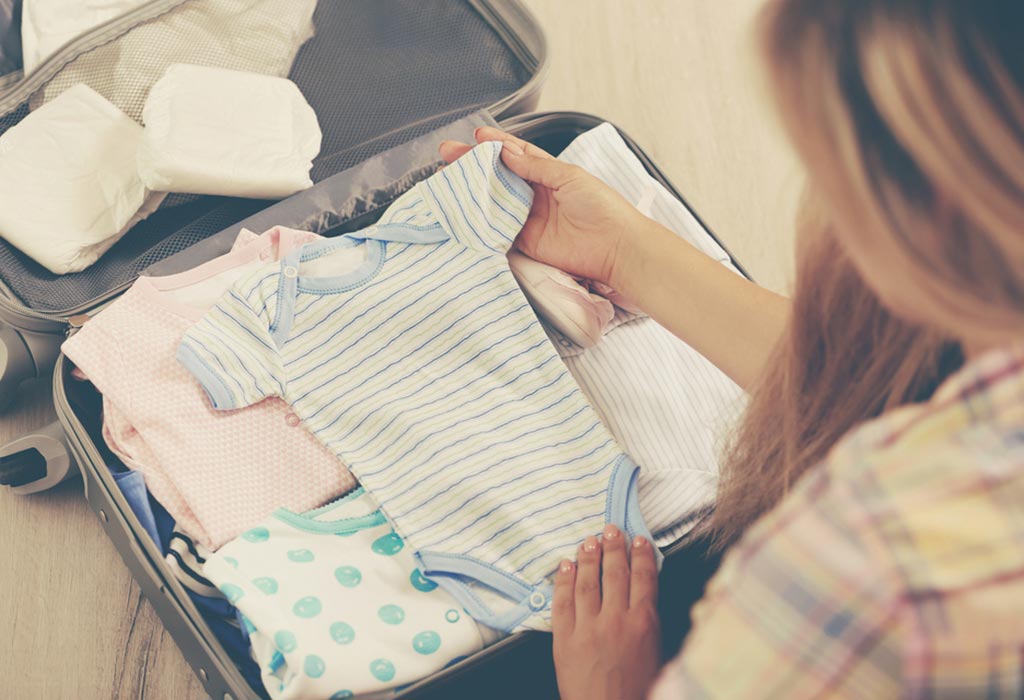
15. Pack Your Bags
You are going to need to prepare yourself for a stay at your birth centre or hospital. Keep a packed bag ready as you are not going to have time to do it once you go into labour. The important things for you to pack are your insurance cards, comfortable clothing, and toiletries, a going home outfit for your baby, and your phone and charger.
16. Have Your House Cleaned
After a hospital stay, it always feels good to come home to a clean house. It would benefit you to have your house cleaned as you will not have the energy to do so while your baby is a new-born.
17. Stock Up on Supplies
Getting anything done with a new-born is not easy, and it is best to stock up on the essential household items to avoid having to go out with your baby. Stock up on pantry items, medicine, toilet paper and other things you will need on a daily basis. Also, make sure you have all the necessities that your little one will need.
18. Stock Up on Light Entertainment
Pick your choice of entertainment, whether it is picking up a few basic art supplies or buying a few new books, make sure you have something to keep you entertained for the times you get a break from caring for your child.
19. Exercise Daily
If you can manage it, do some basic exercises that are pregnancy-friendly or just do some stretching. This is really good for you as it keeps your body in good shape for delivery.
20. Arrange for Child or Pet Care
If you have children already, then you are going to want to arrange for someone to look after them while you and your partner are at the hospital. Your pets daily need such as food and walks will need to be provided for, and it is best to plan ahead for these as well.
21. Prepare Pets for Baby’s Arrival
Most animal people treat their pets like children. But now that you are having a baby, your pet may not get the same attention he was used to and is bound to be confused about the changes and curious about the newest addition. Learn how to ease your pets into their new lifestyle and the best way to introduce your pet to your baby.
22. Celebrate Your Baby Bump
Now is one of the most intimate times you will spend with your child, so do not forget to celebrate that baby bump! Try taking professional pictures of yourself as you are now so you can always remember this memorable time in your life.
23. Stay Hydrated
Drinking plenty of water is crucial during the third trimester. Proper hydration helps maintain amniotic fluid levels, aids digestion, and reduces swelling.
24. Practice Relaxation Techniques
Learning and practicing relaxation techniques such as deep breathing, meditation, or prenatal yoga can help manage stress and prepare you for labour (8).
25. Finalise Baby Names
If you haven’t already, now is a great time to finalise baby names. Discuss with your partner and decide on names you both love.
26. Prepare Freezer Meals
Prepare and freeze meals ahead of time to ensure you have nutritious food options available during the first few weeks after your baby arrives. This will make it easier to manage meals while adjusting to life with a newborn.
What Not to Do in Your Third Trimester of Pregnancy?
Knowing the things to avoid in third trimester is just as important as knowing what to do. Here are the essential third trimester don’ts to keep in mind during the final weeks of pregnancy (9).
1. Heavy Lifting
This is one of the most important things not to do in 3rd trimester. Avoid lifting anything that feels even a little too heavy for you. Even If you have a young toddler to look after, leave the carrying to someone else. You can either make your husband or a close relative be in charge of carrying them around. This may break your heart at first, but it will definitely put a strain on your lower back if you give in, and you should not take any unnecessary risks at this crucial time.
2. Travelling or Sitting for an Extended Period
Travelling on buses and cars for long periods of time can get pretty uncomfortable for you. If you can, it is best to avoid these things. However, if you do need to sit for long, make sure to get up every couple of hours to stretch as this will help the blood circulation to the baby.
3. Heavy Meals
At this point, the baby is pretty low in your belly and digestion may be a bit difficult if you eat a lot at once. A heavy meal may end up causing issues like acidity as the foetus would be pushing up against the stomach. It is better for you to eat more frequently, but do reduce the quantity you eat at one time.
4. High Heels
High heels are great for parties but terrible for posture. Your back is not going to be very happy if you wear high heels as it puts quite a bit of pressure on it. In order to avoid the needless strain and pain, opt for more comfortable flat shoes.
5. High Altitudes
Breathing in high altitudes is difficult as the level of oxygen in the air decreases. Avoid flying or travelling to places that have high altitudes as it could cause your baby to become deprived of oxygen.
6. Heavy Exercise
The most underrated thing to avoid during the third trimester. Although pregnant women are advised to exercise daily, always consult with the doctor about your routine, especially if you are already suffering from an existing medical condition. You do not want to do anything that could cause you to become overly exhausted nor harm the baby.
7. Heavy Household Chores
Get help for your household chores as you should not be handling so much work that involves dust and dirt flying around. Avoid any chemical detergents and go for the natural ones instead.
8. Cleaning Out Cat Litter or Handling Raw Meat
Cat litter and raw meat carry a parasite that causes toxoplasmosis so avoid handling these as it can be very dangerous for your unborn child (10).
9. Love Making
While sex during pregnancy is encouraged, if you find that it is exhausting you or if you are someone who is already in danger of going into preterm labour, it is best to stop until your doctor says you are ready.
FAQs
1. Can I travel by air during my third trimester?
Air travel is generally considered safe during the third trimester until around 36 weeks, but it’s important to check with your healthcare provider first. Some airlines have restrictions for pregnant passengers close to their due date, so be sure to review the airline’s policy and carry a medical clearance if needed.
2. Is it safe to get dental work done during the third trimester?
Routine dental work is generally safe during the third trimester, but it’s best to avoid elective procedures. Make sure to inform your dentist that you are pregnant, so they can take appropriate precautions. Maintaining oral hygiene is important, as pregnancy can increase the risk of gum disease.
3. What to do in third trimester for normal delivery?
To support a healthy pregnancy and prepare for a vaginal delivery, eat a balanced diet, stay hydrated, and do gentle exercises such as walking, if approved by your doctor. Attend regular prenatal checkups, get enough sleep, and practise pregnancy-safe breathing and relaxation techniques. Remember, no diet, exercise, or home remedy can guarantee a normal delivery, as the safest method depends on your and your baby’s health.
4. What is the best sleeping position in the third trimester?
Sleeping on your side is generally recommended during the third trimester. You can sleep on either side and use pillows between your knees or under your belly for support. If you wake up on your back, simply turn onto your side (11).
If you are feeling overwhelmed, don’t worry. For some women the dreaded morning sickness rears its ugly head again, making it difficult to keep anything down or to get much done during the third trimester. Fight through the fatigue and the discomfort and get some help. Your partner, friends and family will all be willing to help you if they know you need it. It won’t be long now before you get to hold the child you have been nurturing with love inside your womb and kiss the little face you have been longing to see. Try to take it easy and keep moving forward. You are almost there!
Also Read:
Third Trimester Diet
Third Trimester Nausea
Safe Third Trimester Exercises
Third Trimester Essentials for Moms-To-Be
Common Pregnancy Problems in the Third Trimester
Was This Article Helpful?
Parenting is a huge responsibility, for you as a caregiver, but also for us as a parenting content platform. We understand that and take our responsibility of creating credible content seriously. FirstCry Parenting articles are written and published only after extensive research using factually sound references to deliver quality content that is accurate, validated by experts, and completely reliable. To understand how we go about creating content that is credible, read our editorial policy here.
1. Narayana Hrudayalaya – Foods to Eat During Your Third Trimester
2. Cleveland Clinic – Third Trimester
3. Mayo Clinic – 3rd trimester pregnancy: What to expect
4. Kent County Council – Talking to your bump during pregnancy
5. The Mother Baby Center – Third trimester checklist: preparing to welcome your baby
6. Tommy’s – 5 positive ways to prepare for labour
7. Tommy’s – Everything you need to know about the third trimester (weeks 28 to 40)
8. PubMed Central – Relaxation techniques for pain management in labour
9. UNICEF – Your third trimester guide
- Author
- Expert Reviewer

Related Articles
-

Prenatal & Postnatal Massages – Importance & Benefits
-

Can You Dye or Colour Your Hair While Pregnant?
-

Smelly Urine in Pregnancy – Causes and Remedies
-

Going To Beach While Pregnant: Benefits & Safety Tips
-
10 Amazing Facts About Baby Kicking during Pregnancy
-
Back Massage During Pregnancy - Benefits and Precautions to Take