
Prunes While Pregnant – Benefits and Side Effects
Everything Expecting Moms Should Know Before Adding Prunes to Their Diet.





Image Credit : AI Generated Image
Pregnancy comes with its own list of food doubts. You hear advice from everywhere, and suddenly even a small bowl of dried fruit feels like a decision that needs thought. Prunes are often brought up when digestion slows down or discomfort creeps in, but many expecting mothers wonder if they are actually a good idea. Can prunes really help, are they safe to eat regularly, and could dried prunes during pregnancy cause unwanted side effects? If these questions sound familiar, you are in the right place. This article walks you through everything you need to know about eating prunes during pregnancy.
What Are Prunes?
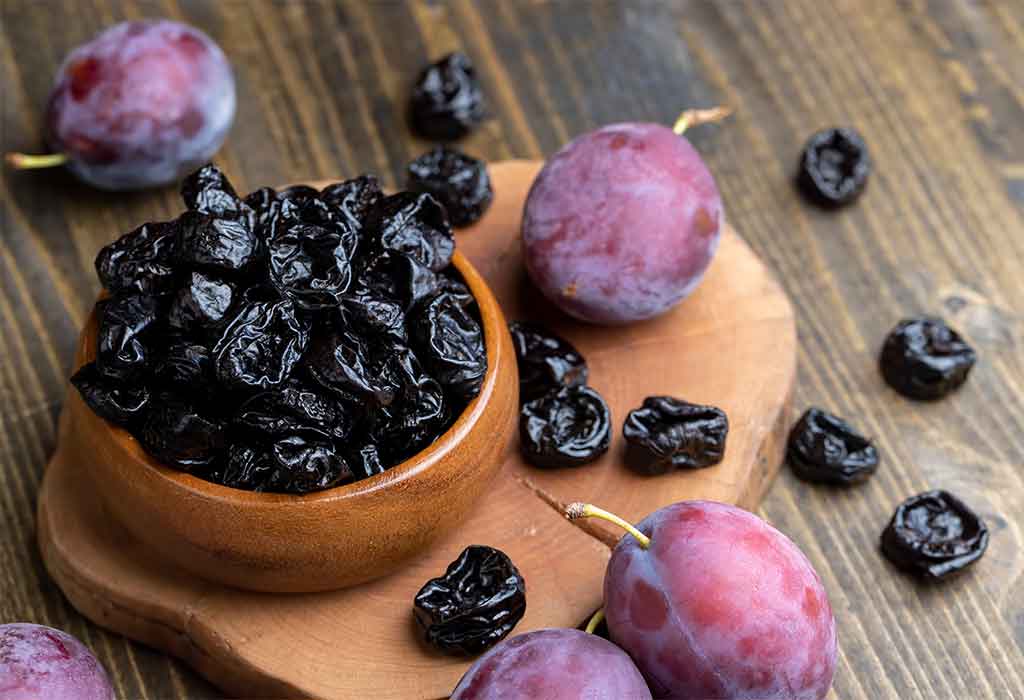
Prunes are dried plums made by removing most of the water from fresh plums while keeping their natural nutrients (1). They have a soft, chewy texture and a mildly sweet taste, which makes them easy to eat on their own or add to meals. Prunes are best known for supporting digestion, but they also contain fibre, vitamins, and minerals that can be useful during pregnancy. Because they are concentrated, a small amount goes a long way, both in nutrition and effect on the body.
Can I Eat Prunes While Pregnant?
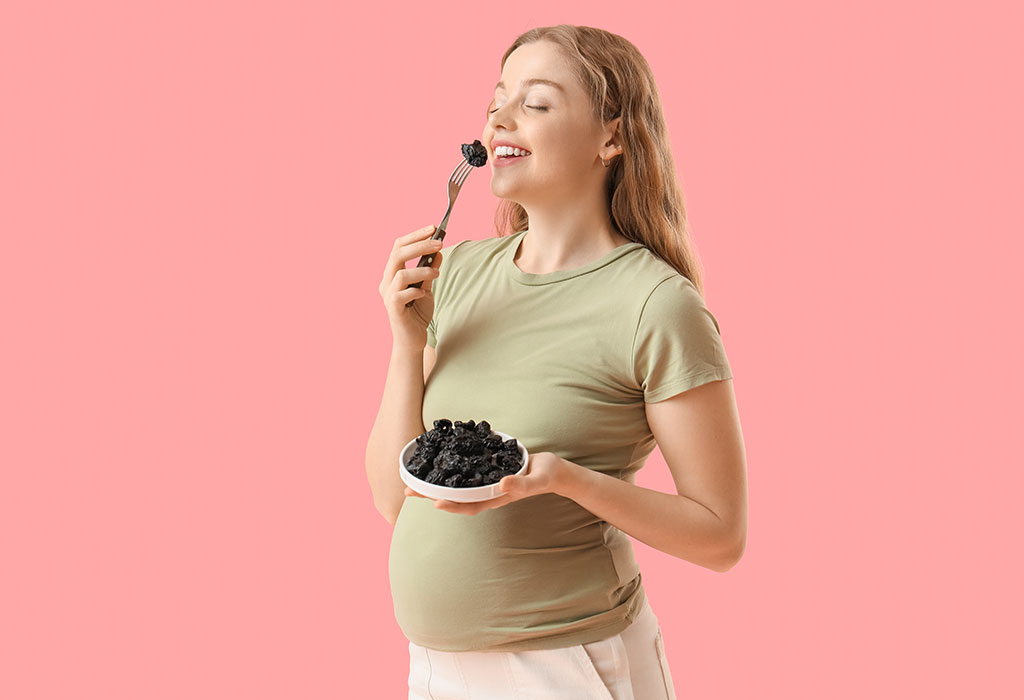
Yes, you can eat prunes during pregnancy, and for most women they are safe when eaten in moderation. Because prunes are dried fruit, they are more concentrated than fresh plums, which means a small serving can have a strong effect on digestion. Eating too many at one time may cause bloating, gas, or loose stools. Paying attention to portion size and how your body responds can help you enjoy prunes without discomfort.

Nutritional Profile of Prunes
Prunes are tiny but mighty when it comes to nutrition! Here’s a look at the nutrient value of prunes per 100 grams (2).
| Nutrients | Value |
| Energy | 240 kcal |
| Water | 30.9 g |
| Protein | 2.18 g |
| Total fat | 0.38 g |
| Carbohydrate | 63.9 g |
| Total dietary fibre | 7.1 g |
| Total sugars | 38.1 g |
| Potassium | 732 mg |
| Phosphorus | 69 mg |
| Calcium | 43 mg |
| Magnesium | 41 mg |
| Vitamin C | 0.6 mg |
| Sodium | 2 mg |
| Iron | 0.93 mg |
| Vitamin B9 (Folate) | 4 µg |
| Vitamin B6 | 0.205 mg |
| Choline | 10.1 mg |
Benefits of Prunes During Pregnancy
During pregnancy, prunes might just be the sweet little powerhouses you’ve been overlooking! Here are some of the benefits of prunes in pregnancy (1):
1. Helps Relieve Constipation
Hormonal changes during pregnancy can slow digestion, often leading to constipation (3). Prunes are packed with fibre and natural sorbitol, which act as gentle laxatives to keep bowel movements regular (4).
2. Maintain Healthy Blood Pressure
Thanks to their high potassium content, prunes can help regulate blood pressure during pregnancy (5). Eating prunes regularly can support a healthy heart and maintain balanced blood pressure, which is important for both you and your baby.

3. Boosts Iron Levels
Iron is crucial for your baby’s growth and for maintaining your energy levels. Prunes are a good source of iron, which supports the production of haemoglobin, helps prevent anaemia, and ensures you feel energised throughout your pregnancy (6).
4. Helps Prevent Joint Pain
Joint aches and cramps are common during pregnancy. The anti-inflammatory compounds in prunes can help reduce discomfort and protect your joints, keeping you more active and comfortable (7).
5. Strengthens Bones
Vitamin K and minerals found in prunes help maintain bone strength, which is important as your body adapts to carrying extra weight and supporting your baby’s growth (8).
6. Promotes Healthy Skin
Vitamin A in prunes nourishes the skin, helping maintain your natural glow while also supporting the healthy skin and immune system of your developing baby.
Side Effects of Prunes When Pregnant
Dried plums in pregnancy can be a healthy choice, but they are not without downsides if eaten in excess. Let’s take a look at a few risks to be aware of when consuming prune for pregnancy.
1. Bloating and Gas
Prunes contain fermentable sugars that can lead to bloating and gas, especially if your digestive system is already sensitive during pregnancy.
2. Diarrhoea or Loose Stools
Eating too many prunes at once may overstimulate the bowels. This can result in frequent trips to the bathroom and dehydration if it happens often.
3. Blood Sugar Spikes
Prunes are naturally sweet, and over-consumption may cause a rise in blood sugar levels. This is particularly important for women managing gestational diabetes.
4. Allergic Reactions
Some women may be allergic to prunes or sulfites used in dried prunes, leading to symptoms like itching, swelling, or skin rashes (9).
FAQs
1. How many prunes can I safely eat per day?
Typically, 3-4 prunes per day are enough to enjoy the benefits without causing digestive upset or excessive calorie intake (1).
2. Are there alternatives to prunes during pregnancy?
Yes! Other fibre-rich fruits like figs, apricots, dates, and raisins can provide similar digestive and nutritional benefits if you want to switch things up.
3. How can I incorporate prunes into a pregnancy diet?
Prunes are versatile and easy to include in your pregnancy diet. You can enjoy them as a quick snack on their own, or chop them into oatmeal, yoghurt, or smoothies for a natural sweetness boost. They also work well in baked goods like muffins or energy bars, and can be simmered into sauces or stews for added flavour and nutrition (1).
4. Are there any myths related to prunes and pregnancy?
Yes, several myths surround prunes during pregnancy, but most are exaggerated or untrue. Some people believe prunes can cause excessive weight gain, but when eaten in moderation, they are safe and nutritious.
Pregnancy is full of little moments where you can nurture both yourself and your baby, and prunes are a simple way to add a touch of goodness to your day.
Also Read:
Avocado in Pregnancy
Eating Pear Fruit when Pregnant
Jujube (Ber) Fruit during Pregnancy
Can you Eat Peaches when Pregnant?
Eating Plums (Aloo Bukhara) during Pregnancy
Was This Article Helpful?
1. California Prunes – Everything You Need to Know About Dried Prunes
2. U.S. DEPARTMENT OF AGRICULTURE – Plums, dried (prunes), uncooked
3. Cleveland Clinic – Pregnancy Constipation
4. Bladder and Bowel Community – 8 Remedies To Relieve Constipation
5. Jackson Health System – Five Benefits of Prunes
6. Johns Hopkins Medicine – Iron-Deficiency Anemia
8. International Nut & Dried Fruit Council – Health Benefits of Prunes
- Author
 About the Author
Sapna Tyagi
Related Articles
-

Low-Carb Diet During Pregnancy - Is It Advisable?
-
Drinking Soft Drinks During Pregnancy – Is It Safe?
-
Can You Eat Honey While Pregnant? - Benefits & Safety
-
Kiwi Fruit During Pregnancy - Benefits & Precautions
-
Chia Seeds in Pregnancy - Benefits, Side-effects, and Safety
-
Can You Eat Sausage When Pregnant?