
Pregnancy Supplements: What’s Safe and What to Avoid




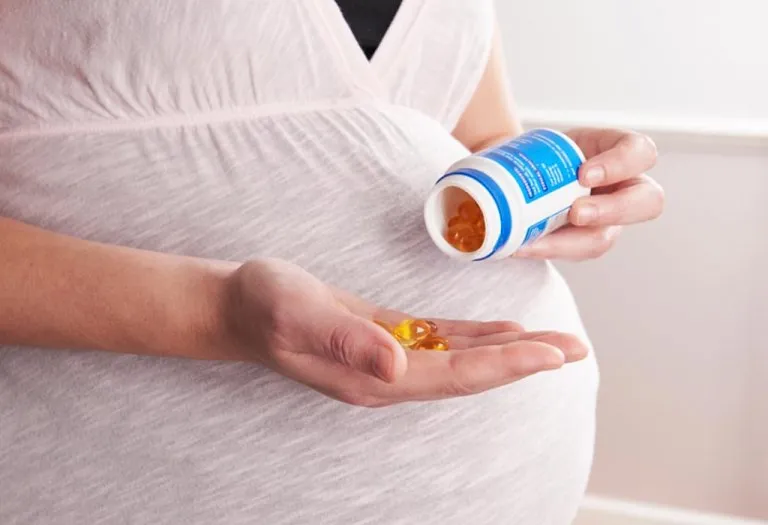
Pregnancy increases a woman’s need for several micro- and macronutrients to meet the fetus’s nutritional requirements, and pregnancy supplements play a crucial supporting role in nutritional development, alongside a healthy pregnancy diet. Taking supplements during pregnancy does not mean relying on them solely and neglecting nutrition from food. Instead, it provides nutrients that are usually lost or present in small amounts in food compared to the requirements during pregnancy. But are all supplements safe during pregnancy? Since pregnancy is a delicate phase, it is important to exercise high caution when taking supplements during pregnancy. One, supplements for pregnant women should be prescribed only by the doctor after consultation, and two, they should be pregnancy safe and taken in moderation. Consuming more than prescribed can be dangerous for the mother and the baby.
Why You Need to Take Supplements in Pregnancy?
Here’s why supplements may be essential during pregnancy.
- Every woman has unique dietary requirements and specific nutritional needs. With all the variation that is possible, getting a good amount of vitamins and minerals on a daily basis is an absolute necessity for a pregnant woman.
- Due to nutritional deficiencies, the reduced nutrient density of food, and the higher intake of nutrient-poor processed foods, supplement use in pregnancy may be beneficial in some instances and may reduce the risk of adverse outcomes (1).
- Proteins are extremely necessary throughout the entire duration of pregnancy since it’s a complete period of growth of another life form, and that requires lots of protein. Most of it can be acquired from meat, eggs, and other sources. But if that consumption is not up to the mark, or if you are a vegetarian, then you may need to supplement your intake of protein with something else.
- Vegetables, on the other hand, have a lot of minerals in them. Green leafy vegetables, especially, come with tons of nutrients associated with them, such as folate and iron, that are integral to the healthy growth of the foetus. However, their percentage in the vegetables may not be as much as required for you, and that might need an additional source of vitamins and minerals, too.
- Fat is not bad; moreover, pregnant mothers are advised to consume healthy amounts of healthy fats, not trans fats. Fats are key to organ growth in the baby, brain development, and breast milk production in the mother. Fats can be consumed from a bunch of sources, but if you are facing issues of milk production or your doctor doesn’t seem to be happy with the baby’s growth, you might be lacking in fat consumption.
Safe Pregnancy Supplements
If you are considering supplements during pregnancy, here are some safe and best pregnancy supplements (2):
1. Folate
Folic acid supplementation in pregnancy is highly recommended, especially in the very early stages of pregnancy. It is one of the most prioritised pregnancy supplements in the first trimester of pregnancy (3). In the initial weeks, your baby’s growth consists of the formation of the spinal cord. Folic acid has been known to be instrumental in the formation of the cord in a proper manner. This supplement could be a part of a multivitamin, too. It is recommended to take at least 600 micrograms (mcg) of folic acid per day to prevent complications in the fetus, including neural tube defects and congenital abnormalities like cleft palate and heart defects (4).
2. Prenatal Vitamins
These supplements are generally recommended to all mothers by most doctors everywhere. It’s good to take prenatal multivitamins, as they ensure adequate intake of the crucial nutrients required for both the pregnant mother and the fetus to grow healthily. These are supplements to an originally balanced and nutritious diet and cannot be the sole source of nutrition ever. Doctors advise taking prenatal vitamins 1-3 months before trying to conceive or starting as soon as you get to know that you are pregnant because some common birth defects in babies develop before some women get to know they are pregnant (5).
3. Omega-3 DHA
Omega-3 is one of the essential fatty acids that are vital in the journey of pregnancy. There are a number of supplement sources that can provide you with omega-3 nutrition, but the most popular and safe is cod liver oil. It has been scientifically observed that cod liver oil supports brain development and growth during the foetal stage and is known to make the baby smarter in life. The acids in the oil, such as DHA and EPA, are known to maintain low levels of mental stress in the mother and cope with post-pregnancy depression, too. DHA is one of the important third trimester supplements as it is primarily found in the brain and the retina, and it builds up most significantly during the third trimester of pregnancy (2).
4. Iron
The demand for iron significantly increases during pregnancy as the mother’s blood volume increases by about 45% (6). It is one of the essential supplements to take while pregnant. Iron is essential for transporting oxygen and the growth and development of the fetus. Moreover, anaemia, caused by low levels of iron, is a common health issue among pregnant women. Anaemia during pregnancy can lead to maternal depression, infant anaemia, and even preterm delivery. While the iron requirement is met by most prenatal vitamins, which provide about 27 milligrams, women who are iron-deficient must take additional iron to meet the requirement (7). Iron pregnancy supplementation can be started as early in pregnancy, right after conception (8).
5. Vitamin D3
With the current indoor-oriented lifestyle, most of us are deficient in vitamin D3 due to reduced exposure to the morning sun and a diet that does not focus on vitamin D at all. Vitamin D3 is extremely important in having a good and healthy bone structure, which is formed only by absorbing calcium and phosphorus in the body. Beyond bones, it also improves immunity, cell growth, muscle function, and much more. During pregnancy, vitamin D3 helps prevent premature labour, gestational diabetes, and other infections. The child, too, gains a good bone mass, making him healthier ahead in life. 10-15 micrograms (mcg) of vitamin D per day is recommended during pregnancy (9) (10).
6. Calcium
Calcium is one of the essential pregnancy supplements in the second trimester, as the bone development of the fetus happens at a rapid rate. Synonymous with bone growth and teeth strength, calcium is also responsible for improving blood clotting mechanisms and preventing high blood pressure. The foetus requires a lot of calcium to develop the baby’s bones. In case the requirement falls short, it will start absorbing it from the mother’s bones, causing further complications later on, such as leg cramps during pregnancy. It’s best to take a calcium supplement in pregnancy on an empty stomach since it absorbs into the body easily and quickly.
7. Magnesium
Magnesium is synonymous with one of the most important requirements during pregnancy: sleep. The right dose of magnesium helps reduce cramping of legs and provides a good amount of sleep, which is directly related to the production of breastmilk in the mother. Certain calcium supplements may or may not have magnesium present in them already.
8. Coconut Oil
Combining good saturated fat with lauric acid, this is a double whopper that provides nutrients to both the mother and the baby simultaneously. On one hand, it helps develop the fat stores in your body necessary for pregnancy and breastfeeding, while maintaining good energy levels. On the other hand, it also builds antiviral and antibacterial properties in the mother’s milk that are extremely crucial in building immunity in the baby.
9. Probiotics
Not all bacteria are bad. There are some good bacteria that need to be present in your gut in the right amount. These bacteria are essential in fighting off illnesses and keeping the digestive process going well. Babies do not have any bacteria when they are born, and their first exposure to bacteria is while they are emerging from the birth canal. Therefore, it is essential to have these good bacteria present in the right quantity, in the gut as well as in the breastmilk.
Taking probiotics during pregnancy is safe and does not pose any harmful side effects (11). As with all supplements, choose probiotics carefully by reading their genus and strains.
Which Supplements to Avoid When Pregnant?
Apart from the list of supplements that are beneficial for pregnancy, there are certain that should definitely be avoided. Many unsafe herbal supplements during pregnancy need to be avoided completely since they may cause complications further.
1. Vitamin A
Yes, vitamin A is a vital nutrient necessary during pregnancy. The development of the baby’s eyes and their immune function relies heavily on it. However, excessive vitamin A intake can be more harmful than beneficial. The solubility of vitamin A in fat results in the liver storing large amounts of it. This storage can become toxic and damage the liver. It could also be the reason for various birth defects in the baby (12). Most multivitamins and healthy diets contain a good amount of vitamin A. Therefore, using supplements for it is generally not advised.
2. Vitamin E
This vitamin, too, is extremely important in ensuring that many bodily processes function smoothly. Moreover, some crucial ones, such as the functioning of the immune system and gene expression, rely on it, too. But supplementing it additionally with external sources is ill-advised. Such supplementation barely has any positive effects on the mother or her baby, but is known to aggravate pain in the abdomen as well as rupture the amniotic sac inside the mother prematurely.
3. Black Cohosh
Many people advise using the black cohosh plant for a large variety of reasons. Most of them revolve around control of hot flashes as well as relief from menstrual cramps. But black cohosh is a known factor in causing liver damage in people. Moreover, in the case of pregnant women, there is a possibility of black cohosh resulting in contractions of the uterus that could trigger premature labour.
4. Goldenseal
This plant is rather well known to be a part of people’s diets as a supplement that takes care of infections in the respiratory tract, as well as relief from diarrhoea. However, there are doubts about its side effects on pregnancy. The goldenseal plant is known to have a substance called berberine. This has been single-handedly responsible for causing extreme cases of jaundice in babies, as well as causing a rare brain-damaging condition termed kernicterus, which is known to be fatal.
5. Dong Quai
Dong Quai is one of those exotic roots that has been used by people for a thousand years. It is quite popular in China with its traditional medicinal treatments. This, too, has been known to bring relief from menstrual cramps as well as control high blood pressure to a great degree, although conclusive proof for the same has not been obtained. However, taking this herbal supplement during pregnancy may cause stimulation in the uterus, resulting in contractions that could lead to an unfortunate miscarriage.
6. Yohimbe
This supplement hails from the faraway land of Africa. It is said to be derived from the bark of a tree that is native to the continent. A popular constituent in a number of herbal remedies of the area, it is rumoured to treat conditions of erectile dysfunction as well as reduce obesity in people. However, for pregnant women, this is absolutely a strict no-no since this herb is highly known to have adverse effects on the body, such as increasing blood pressure, triggering heart attacks and even seizures.
7. Multiple Others
Apart from the ones mentioned above, there are many other herbal supplements that are termed as being extremely helpful during pregnancy but are not completely safe for consumption. Some of them are – saw palmetto, tansy, red clover, angelica, yarrow, wormwood, blue cohosh, pennyroyal, ephedra, mugwort, and many more.
FAQs
1. Are herbal supplements safe during pregnancy?
No, not all herbal supplements are safe to consume while pregnant. While some herbal supplements work well during pregnancy, some should be strictly avoided. It is best to consult your doctor and determine the need and safety of herbal supplements, and take the discussion further.
2. What are some herbal supplements considered unsafe during pregnancy?
The following herbs and their supplements should be avoided during pregnancy, as they could pose health risks for the health of the mother and the baby:
- mugwort
- red clover
- blue cohosh
- pennyroyal
- saw palmetto
- tansy
- angelica
- yarrow
- wormwood
- ephedra
3. Are there any side effects of prenatal vitamins during pregnancy?
Reported side effects of prenatal vitamins during pregnancy include nausea and constipation (5).
4. If I don’t take prenatal vitamins, will my baby be born with birth defects?
Not taking prenatal vitamins does not guarantee birth defects in the baby. But doctors advise these vitamins as it reduces the risk of pregnancy complications, including birth defects in the baby, ensuring a healthy child.
A healthy life and a nutritional diet have to be at the apex of all factors during pregnancy without a doubt. Certain supplements are absolutely necessary and beneficial for good growth, but not every supplement is. These are meant as a support system to the existing diet and should not be completely relied on. A good lifestyle, exercise, meditation, relaxation, deep sleep, and healthy food cannot be beaten by the consumption of a few supplements. As with anything out of the ordinary, it is good to run them by your doctor and get their professional opinion specific to your case, so that you always stay safe and healthy, no matter what.
Also read:
Vitamin B1 in Pregnancy
Vitamin E during Pregnancy
Iron Supplements while Pregnant
Was This Article Helpful?
Parenting is a huge responsibility, for you as a caregiver, but also for us as a parenting content platform. We understand that and take our responsibility of creating credible content seriously. FirstCry Parenting articles are written and published only after extensive research using factually sound references to deliver quality content that is accurate, validated by experts, and completely reliable. To understand how we go about creating content that is credible, read our editorial policy here.
1. National Library of Medicine – Safety and efficacy of supplements in pregnancy
2. National Institutes of Health – Dietary Supplements and Life Stages: Pregnancy
3. HealthXchange – Supplements During Pregnancy: What You Need and Top Food Sources
4. National Institutes of Health – Folate
5. Cleveland Clinic – Prenatal Vitamins
6. National Library of Medicine – Physiological changes in pregnancy
7. National Institutes of Health – Iron
8. WHO – Antenatal iron supplementation
9. National Institutes of Health – Vitamin D
10. NHS – Vitamins and supplements in pregnancy
11. National Library of Medicine – Are probiotics safe for use during pregnancy and lactation?
12. Pregnancy Birth and Baby – Vitamins and supplements during pregnancy
- Author


Related Articles
-

Eating Avocado in Pregnancy - Benefits and Precautions
-
Vitamin B2 (Riboflavin) in Pregnancy - Benefits and Recommended Intake
-
Foods to Eat & Avoid During First Trimester of Pregnancy
-
Kiwi Fruit During Pregnancy - Benefits & Precautions
-
Ice Apple (Nungu/Tadgola) in Pregnancy: Benefits, Risks, & Safety
-
Can You Eat Pesto When Pregnant? Benefits & How to Eat It Safely