
No Heartbeat at 6 Weeks: What Does It Mean?
No heartbeat at 6 weeks? Understand common causes, medical insights, and what steps to take next in early pregnancy.




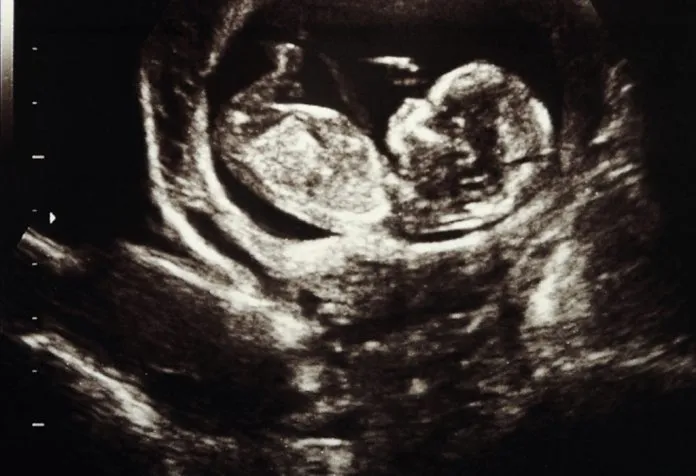
Getting pregnant and expecting is a very exciting but nerve-wracking time in your life. You want the best for yourself and your growing child. You’ll remember all your firsts, the first time you see them on the ultrasound and when you get to hear their heartbeat. Foetal heartbeat is one of the indicators of a baby’s growth, health and development. Normally, a baby’s heart begins to beat after the 6th week of pregnancy. If, during an ultrasound, there is no heartbeat at 6 weeks, it is quite natural to get worried. However, the key thing to remember is not to panic. There can be many reasons why you’re not able to hear the heartbeat. Here’s all you need to know about 6 weeks pregnant and no heartbeat.
What Is a Normal Foetal Heartbeat?

A normal foetal heart rate ranges from 120 to 160 bpm (beats per minute) when it is first detected (1) (2). The heart rate can then rise to 170 bpm around the 10th week and fall to 130 bpm until the end of the gestational period.
While the myocardium in your baby starts contracting around the 3rd week, a sonogram picks it up only after 6 weeks. The table below lists the ideal heartbeat rate at different weeks of pregnancy.
| Week | Heart rate |
| 5 to 6 | 110 |
| 9 to 10 | 170 |
| 14 | 150 |
| 20 | 140 |
| By delivery | 130 |
Is 6 Weeks Too Early to Detect Heartbeat?
In some cases, 6 weeks is too early to detect a fetal heartbeat. However, a vaginal ultrasound can help detect a fetal heartbeat at 6 weeks (3).
No Heartbeat At 6 Weeks – Is it Normal?
It is very common to not hear a heartbeat at a 6-week ultrasound scan. In some cases, moms-to-be don’t hear their baby’s heartbeat until they’re 7 weeks pregnant (4).
Possible Reasons for No Heartbeat at 6 Weeks
Early pregnancy ultrasounds can sometimes feel uncertain, especially when a heartbeat is not yet visible. At around six weeks, development is still in its early stages, and several factors can affect what appears on the scan. Here are a few possible reasons why a heartbeat may not be detected at this stage (3).
1. Technological Limitations
The quality and sensitivity of ultrasound equipment can affect the ability to detect a heartbeat this early. Older machines or less sensitive abdominal ultrasounds may not pick up subtle cardiac activity that a transvaginal scan could detect (5).
2. Variability in Embryonic Development
Not all pregnancies develop at the same pace. Some embryos may take a little longer to reach the stage where a heartbeat becomes visible, making it possible for a healthy pregnancy to show no heartbeat at six weeks.
3. Fetal Positioning
The position of the embryo within the uterus can make it harder to detect a heartbeat. If the embryo is positioned in a way that obscures the view, the ultrasound may not capture cardiac activity clearly (6).
Is There a Chance of Miscarriage If You Don’t Hear or See a Heartbeat During the Ultrasound?
Lack of foetal heartbeat indicates a miscarriage in the following instances:
- There’s no heartbeat and your hCG levels start dropping.
- You don’t hear a heartbeat in subsequent ultrasound checkups.
- Ultrasound measurements indicate that a heartbeat should have been present.
Your doctor may also measure the crown to rump measurements with the foetal pole as a basis to determine the risk of a miscarriage.
If an embryo is larger than 5 millimetres and has no heartbeat, it may indicate a miscarriage (7). Also, if a gestational sac which is larger than 8 millimetres has no yolk sac or a gestational sac which is larger than 16 millimetres has no embryo is could indicate a miscarriage.
What If There Is No Heartbeat At the 7th Week Ultrasound Scan?
While no heartbeat in follow-up ultrasound scans may signal a miscarriage, there is still hope. If there’s no heartbeat at the 7th week ultrasound, it may still be too early. Assuming seven weeks have passed after your menstrual cycle, you may still be at four weeks during your first ultrasound and five weeks at the subsequent one in case of irregular periods.
Can You Detect Heartbeat After 7 Weeks?
Yes, you can detect a heartbeat after 7 weeks. The first time you can hear a fetal heartbeat is between 6.5-7 weeks of gestation.
No Foetal Heartbeat At 8 Weeks Ultrasound – Is There Any Hope?
If your conception date is accurate and there is no heartbeat at 8 weeks, then you might have lost your baby. However, there are also instances of healthy babies who didn’t have a heartbeat at 8 weeks.
What If You’re Told That You’ve Had a Miscarriage?
If your gynaecologist tells you that you’ve miscarried and suggests a particular course of treatment, make sure you’re confident of the treatment being the right choice. If you aren’t 100% sure, ask for another follow-up ultrasound. You can also wait for a few more days so long as you’re not at risk of an ectopic pregnancy. Alternatively, also get a second opinion from an Ob-Gyn.
Can Baby Still Be Alive With No Heartbeat?
Yes, your baby can still be alive even if you can’t hear a heartbeat. This can be caused due to various reasons, but the parents should wait for a week for the heartbeat to appear. If it still does not, the chances of you have had a miscarriage are high.
Is It Possible to Hear the Baby’s Heartbeat At Home?
According to doctors, it’s difficult to hear foetal heartbeat at home with the human ear. Some expecting mothers claim that they can hear their baby’s heartbeat through their belly, but this can only be possible in a quiet room and in the later stages of pregnancy. If you can’t hear your foetus’ heartbeat at home, schedule a sonogram with a qualified gyneacologist.
How Can You Keep Your Foetus’ Heart Healthy?
There are several reasons why there may be no heartbeat at 6 week ultrasound. Although there’s little you can do about it, you can take the following steps to ensure your foetus’ heart is healthy.
- Take folic acid during pregnancy as it prevents congenital heart defects in the baby (8).
- Quit smoking if you do. Did you know that 2 percent of heart defects in babies are caused due to smoking in the first trimester (9)?
- Keep your blood sugar levels under control, especially if you have gestational diabetes.
- Avoid using Accutane if you have acne as it puts your baby at risk of foetal heart defects.
- Stay away from alcohol and drugs to avoid foetal alcohol syndrome and other complications (10).
FAQs
1. What does it mean to have a fetal pole at 6 weeks but no heartbeat?
Seeing a fetal pole is a positive sign, as it confirms early embryonic development. However, the absence of a heartbeat at this stage may simply mean the pregnancy is earlier than expected or that cardiac activity has not yet become detectable.
2. Does no heartbeat always mean miscarriage?
No, the absence of a heartbeat at 6 weeks does not always indicate a miscarriage. Doctors usually recommend a follow-up ultrasound after a week or so before making any diagnosis.
Remember that 6 weeks may be too early to hear your baby’s heartbeat. But if you don’t hear it even after 8 weeks, then consult your gynaecologist to rule out possible complications.
Also Read:
Heart Palpitations in Pregnancy
Fast Heartbeat during Pregnancy
Can You Feel Baby’s Heartbeat in your Stomach while Pregnant
Was This Article Helpful?
Parenting is a huge responsibility, for you as a caregiver, but also for us as a parenting content platform. We understand that and take our responsibility of creating credible content seriously. FirstCry Parenting articles are written and published only after extensive research using factually sound references to deliver quality content that is accurate, validated by experts, and completely reliable. To understand how we go about creating content that is credible, read our editorial policy here.
1. PubMed Central – What is the “normal” fetal heart rate?
2. Great Ormond Street Hospital for Children – Prenatal ultrasound showing fetal tachycardia
3. International Ultrasound Services – No heartbeat at 6 weeks
4. Miscarriage Association – Ultrasound scans
5. Cleveland Clinic – Transvaginal Ultrasound
6. The Open University – Antenatal Care Module: 11. Assessing the Fetus
7. Cleveland Clinic – Fetal Pole
- Author

Related Articles
-

Using Salicylic Acid in Pregnancy - Is It Safe?
-
Human Papillomavirus Infection (HPV) During Pregnancy - Signs, Risks & Treatment
-
6 Genius Ways to Wear Regular Clothes When Pregnant
-
20 Effective Tips on How to Be Happy During Pregnancy
-
100+ Pregnancy Jokes That Are Great Stress Relievers
-
Is it Safe to Practise Yoga Inversions During Pregnancy?