
Mucus in Stool in Pregnancy: Causes and Treatment




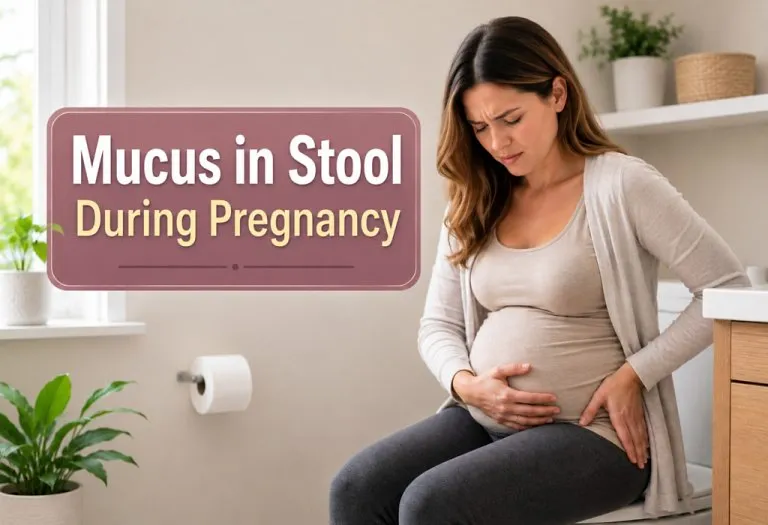
Mucus in stool in pregnancy can understandably be a cause of worry, especially during this delicate phase of life when anything slightly odd catches the attention. So, what is this mucus in stool and pregnancy all about? To give you some context, seeing a small amount of mucus in poop during pregnancy does not necessarily mean something is wrong with your pregnancy. Mucus is normally present in stool and can increase during instances such as pregnancy, constipation and diarrhoea. On the contrary, if you see mucus accompanied by blood, abdominal pain, fever, or persistent diarrhoea, you should get it checked (1). When mucus in stool in pregnancy is fine and when it is not requires getting a clear understanding of this topic. Read on!
What Is Mucus?
Mucus is a viscous fluid produced by the body’s mucous membranes, which line various organs and cavities. It is composed of water, proteins, electrolytes, and other substances. The primary function of mucus is to lubricate and protect the body’s organs and tissues (2).
In the respiratory system, mucus acts as a protective barrier, trapping and removing airborne particles such as dust, allergens, and pathogens. It also helps humidify the air we breathe. Mucus plays a vital role in the digestive system as well. It protects the lining of the stomach and intestines and aids food movement through the digestive tract. Mucus contains enzymes that assist in breaking down food molecules, facilitating digestion and nutrient absorption.
Various factors can affect mucus production and composition, including hydration levels, hormonal changes, infections, allergies, and environmental exposures. Excessive mucus production or abnormalities in its consistency can lead to conditions such as nasal congestion, chronic cough, or respiratory infections.
Is It Normal to Have Mucus in Stool During Pregnancy?
The presence of mucus in stool in early pregnancy is considered normal. This is because mucus in stool can be due to the changes your body goes through during pregnancy. If there’s only a little mucus in your poop, you probably don’t need to worry. The Cleveland Clinic states that if you notice blood and mucus in your stool during pregnancy and notice it often, you should contact your gynaecologist (3). Also, if you have lower abdominal pain and notice a lot of mucus in your stool, don’t take the problem lightly. You should consult a doctor.
What Are the Possible Causes of Mucus in Stool While Pregnant?
Usually, digestive problems can lead to mucus in your poop. Some of the causes of mucus in poop are mentioned below.
- A hormone imbalance in your body can cause mucus in your stool.
- Another common cause for the presence of mucus in your body during pregnancy could be the prenatal vitamins you take. If these vitamins have an excess of iron or calcium, you may notice mucus in your poop.
- The expansion of your uterus commonly also displaces your intestines, and this can also lead to mucus excretion in your body.
- If you have food allergies associated with nuts or lactose, it can cause mucus in your stool.
- Parasitic infections, such as giardiasis or amebiasis, are uncommon causes of mucus in the stool during pregnancy. These infections can be acquired through contaminated food or water sources (4).
- In some cases, pregnancy can trigger or exacerbate underlying conditions like Crohn’s disease or ulcerative colitis, collectively known as inflammatory bowel disease.
- Infections caused by bacteria, such as Campylobacter, Salmonella, or Shigella, can cause gastrointestinal symptoms, including mucus in the stool.
- Some gastrointestinal issues, such as piles or haemorrhoids, can also cause mucus in stool.
- You may have increased mucus in your stool during pregnancy due to irritable bowel syndrome (IBS) (5).
Treatment for Mucus in Stool When Pregnant
When you notice mucus in your stool during pregnancy, try to find its type, as it will help you identify its cause. You can tell if it is because of an infection, dehydration or something else. This problem can be treated with antibiotics, which your doctor can provide. Other than that, here is what you can do to treat this problem at home.
- Change your prenatal vitamins.
- You can ask your doctor if you can use a stool softener during pregnancy.
- In case of an infection, complete the antibiotics your doctor prescribed. Do not stop it midway.
Tips to Prevent Mucus in Poop while Pregnant
The best course of action for any condition is prevention. Here are four ways to prevent mucus in your stool during pregnancy.
1. Stay Hydrated
White mucus in stool during pregnancy could be due to dehydration. Consult your doctor about the amount of water you should drink during pregnancy. Drink plenty of water and, if needed, use hydration salts. The American College of Obstetricians and Gynaecologists advise drinking 8-10 cups or 64-96 ounces of water every day (6). This will help avoid mucus buildup.
2. Exercise
You should try a prenatal workout as it can improve your immune strength. A strengthened immune system will combat infections better and keep the infections that cause green mucus in the stool at bay. However, before you try any exercise, talk to your doctor. Perform safe exercises, and don’t exercise for more than 45 minutes. You must listen to your body during this time and rest if you feel tired. You can resume the workout after a short break.
3. Follow a Balanced Diet
Constipation is a common cause of mucus buildup during pregnancy, so your diet should be well-balanced, and you should consume plenty of minerals and vitamins. Take supplements if necessary. Make sure your meals are high in fibre. Dietary fibre helps soften the stool, keeps you full throughout the day, and combats constipation.
4. Stay Calm
The mucus in your body could be due to numerous different aspects, but you need not stress. It may make it a lot worse. Stress can also increase the likelihood of further complications that lead to blood or abdominal pain in your body. Both of which are signs of anything from IBD to premature birth. So, remember to quell the anxiety by exercising. You can try yoga, tai chi or meditation. Use essential oils and diffusers to calm yourself down.
5. Fibre-rich Diet
Consuming a diet high in fibre can promote healthy digestion and prevent constipation. Include plenty of fruits, vegetables, whole grains, and legumes. These foods are rich in dietary fibre and can help regulate bowel movements. Gradually increase your fibre intake and ensure you get soluble and insoluble fibre, as they have different roles in promoting healthy digestion. Improved gut health due to high fibre consumption will automatically reduce the chances of stomach infections and other reasons leading to mucus in the stool.
6. Probiotics
Adding probiotics to your daily routine may help promote a healthy gut microbiome and improve digestion. Probiotics are beneficial bacteria that can support the balance of microorganisms in your digestive system. You can find probiotics in certain yoghurts, fermented foods (such as sauerkraut or kimchi), or supplements in pharmacies or health food stores.
7. Avoid Trigger Foods
Some foods, such as dairy, spicy foods, or greasy meals, can trigger an upset stomach, especially during pregnancy, when the digestive system is already sensitive. If you suspect certain foods or ingredients upset your stomach or increase the mucus in poop, try avoiding them.
5. Talk to Your Doctor About Prenatal Vitamins
Prenatal vitamins can also, in rare but possible cases, cause digestive issues. If you notice your vitamins causing any disturbance in your tummy, consulting about it with your doctor is advised.
When to Consult a Doctor?
You need not worry if you see a little mucus in stool in pregnancy. But in the following cases, you should consult a doctor –
- If you notice blood and mucus in your stool.
- If you have lower abdominal pain.
- If you have haemorrhoids.
- If you notice a persistent presence of mucus in your stool or if the amount of mucus increases significantly.
- If you have certain risk factors or pre-existing medical conditions.
FAQs
1. Is it normal to have bloody mucus in stool while pregnant?
Passing bloody mucus in the stool during pregnancy is not considered normal and should be evaluated by a healthcare professional. It can signify various conditions, such as haemorrhoids, anal fissures, inflammatory bowel disease, or infections. It is important to seek medical attention to determine the cause and receive appropriate treatment.
2. Can consuming probiotics cause mucus in stool?
In some cases, consuming probiotics can increase mucus production, which may be noticed in the stool. This is usually a temporary and harmless side effect. The presence of mucus in the stool after taking probiotics is typically not a cause for concern unless other symptoms like abdominal pain, diarrhoea, or fever accompany it. If you have any concerns or if the symptoms persist or worsen, it is recommended to consult with a healthcare professional for further evaluation (7).
3. Can mucus in stool when pregnant affect the baby’s health?
Mucus in stool in pregnancy is generally not a thing of caution and usually doesn’t harm the fetus. However, blood along with mucus in the stool, sharp abdominal pain, or sudden and severe changes in bowel habits are indicators of something troubling. Such symptoms should be checked, and consulted with a doctor.
4. Can anxiety cause mucus in stool?
It is possible for anxiety to increase the secretion of mucus in stool in some people (8). The exact reason for this is unknown.
Although mucus in early pregnancy is not a big problem, it is best to talk to a doctor if that makes you anxious. Discuss this problem with your doctor; he will provide the right treatment. Furthermore, don’t strain yourself during pregnancy. Make sure that you complete the course of medications you have been prescribed. If you are afraid the medication is the cause, consult your doctor.
Also Read:
Is Green Poop Normal during Pregnancy?
Causes of Dark Stool While Pregnant
Effective Treatments to Cure IBS during Pregnancy
Was This Article Helpful?
Parenting is a huge responsibility, for you as a caregiver, but also for us as a parenting content platform. We understand that and take our responsibility of creating credible content seriously. FirstCry Parenting articles are written and published only after extensive research using factually sound references to deliver quality content that is accurate, validated by experts, and completely reliable. To understand how we go about creating content that is credible, read our editorial policy here.
1. Brown Health University – Gastrointestinal Issues During Pregnancy
3. Cleveland Clinic – Mucus in Stool (Poop)
4. CDC – About Giardia Infection
5. BetterHealth Channel – Irritable bowel syndrome (IBS)
6. American College of Obstetricians & Gynecologists – How much water should I drink during pregnancy?
- Author