
Keto Diet in Pregnancy – Safety, Risks, and Tips




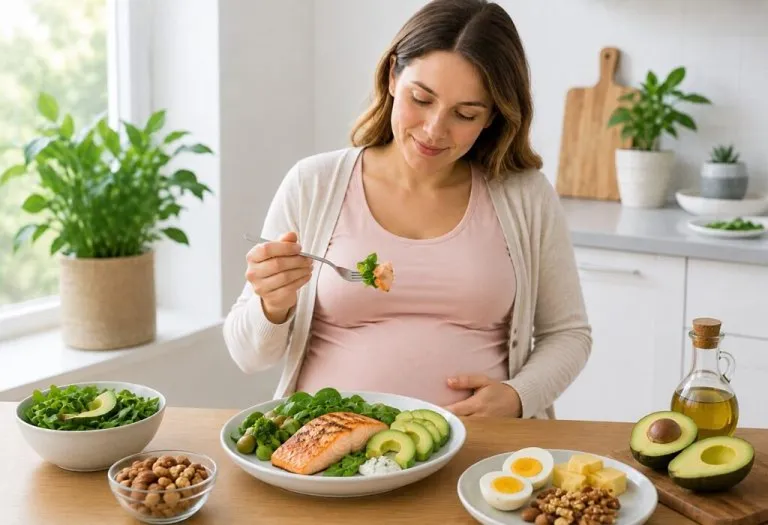
Touted as an effective weight-loss tool today, the keto diet was once used to reduce seizures in children with epilepsy. This fat-rich and carb-deficient diet may seem beneficial for the general public, but it may hold a different perspective for pregnant people. At times, when pregnant women are recommended to eat nutritious and balanced meals, a keto diet may not seem so assuring, as the baby’s optimal health and development relies heavily on the mother’s nutrition. Thus, a diet, especially keto, is not a wise choice to take part in. In this article, we explore all corners of the keto diet and pregnancy and provide answers to your questions like, “Is a keto diet safe while pregnant?”
What Is Keto Diet?
As per the Academy of Nutrition and Dietetics, a keto diet comprises an eating pattern of high fat, very-low carbohydrate, and moderate protein, which is different from a general eating pattern to reach the stage called ketosis. In ketosis, the body makes use of the fat stores in the body for fuel instead of taking it from the food glucose that is consumed. The process produces acids called ketones (1).
This diet is known for building strength and losing weight. Since the goal is to keep carbs to a minimum, below 50 grams a day, people doing the keto diet often don’t eat bread, grains, or cereals (2). Similarly, certain fruits, vegetables, dairy items, and whole grains are avoided as they, too, have carbs.
The Keto diet is one of the popular diets to gain strength as well as to lose weight. The ketogenic diet also reduces the risk of diabetes and obesity, with no hunger pangs. It is very simple to understand but hard to follow. According to the NIH, typical macronutrient distribution in a Keto diet includes (3):
- 55 to 60% fat
- 30 to 35% proteins
- 5 to 10% carbohydrates
A few foods that are included in the Keto diet are:
- Oils like olive oil, avocado oil, and coconut oil.
- Avocado
- Heavy cream
- Butter
- Cream cheese
- Cheese
- Non-starchy vegetables, including zucchini, asparagus, cucumber, broccoli, cauliflower, and bell peppers
- Green leafy vegetables
- The meat of chicken, beef, pork, lamb
- Eggs
- Fish (particularly salmon and sardines)
- Unsweetened coconut
- Nuts like almonds, macadamia, etc.
- Seeds to reduce weight, such as chia seeds, flaxseed, and sunflower seeds.
While these are essential foods in the diet, a keto pregnancy diet plan needs to be carefully curated around the expecting mother’s health. Unless proper care is taken, it may lead to ketosis in pregnancy, potentially harming both mother and child.
Can You Do Keto Diet While Pregnant?
No, pregnant women should not do the keto diet (4). The main reason behind avoiding the keto diet is its composition. It doesn’t have all the nutrients required to carry a baby. Being pregnant involves a lot of energy and nutrients as well. Especially, all the nutrients that include Calcium, Iron, Iodine, Choline, Vitamin A, Vitamin D, Vitamin B6, Vitamin B12, and folic acid are essential. Also, a minimum of 300 calories is required for the growth of a baby inside the womb.
Another reason to avoid the diet is the increase in weight. Pregnant women usually gain some weight by taking proper food, fruits, vegetables, and medicines. If the keto diet increases weight, it may lead to overweight. It might become an obstacle while giving birth to a baby.
During pregnancy, women usually have a few health disorders like high blood pressure, diabetes, etc. Doctors may prescribe low-saturated foods, which keep can keep blood pressure or diabetes under control. In contrast, the keto diet contains enormous amounts of saturated fats. So, it will become a risk factor for pregnant women to adopt keto diets. These few reasons prevent the adoption of the keto diet for pregnant women.
According to a 2013 study, a ketogenic diet for pregnancy could result in alterations in embryonic organ growth, which means there could be organ dysfunction and potentially behavioural changes in postnatal life (5).
Pros of Keto Diet for General People
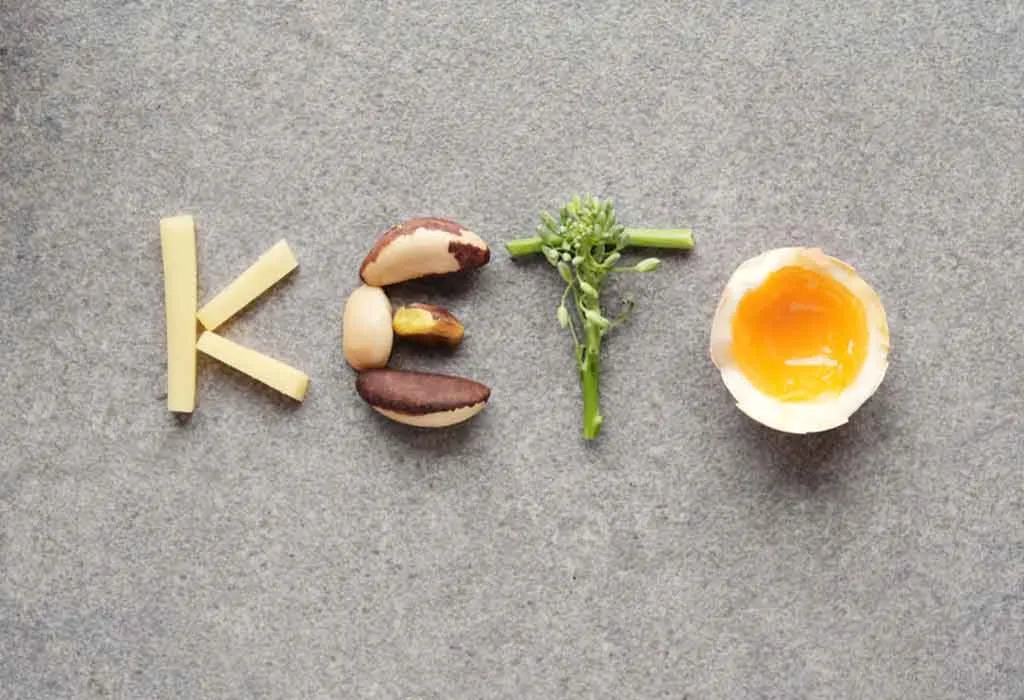
Based on the research at an early stage, a few possible benefits of the keto diet were found. The Keto diet became more popular within a short span. It entered the minds of people through an innovative concept. It is quite interesting and understanding. Also, it has several benefits, such as:
1. Diagnosis of seizures in children
Initially, the keto diet is helpful in the diagnosis of seizures. It successfully reduces seizures in children.
2. Weight loss
Another advantage of the keto diet is reducing body weight (6). Yes, as it brings about metabolic changes, the body starts burning fat and insulin. Then, when the body feels that it has reached saturation, it starts fat oxidation by itself. It is a continuous process of reducing weight while locking nutrients. It is a quiet contrast to burning calories.
3. Cures Type 2 Diabetes
The composition of the keto diet shows that the intake of carbohydrates is significantly less. So, if carbs are not there, then the body starts neutralising the glucose levels. Hence, the keto diet checkmates type 2 diabetes (7).
4. Anti-cancer agent
The Keto diet is also good for curing cancer. Using the fasting method, the keto diet impacts the growth of tumour cells and prevents cancer-causing factors.
5. Improved Chances of Fertility
A Keto diet increases fertility chances by reducing inflammation. It works especially for women suffering from PCOS.
Cons of Keto Diet for Pregnant Women
Besides the benefits of the Keto diet, complete research has not been done yet. The keto diet has a set of techniques and plans to reduce weight and become thinner in a few weeks. Though there are several plans, there is no proper logic and clarity. So it has a few disadvantages which give clarity to pregnant women on whether to opt for it or not (8).
1. Potential nutritional deficiencies
If the composition of the keto diet is not suitable for the body, it leads to the exposure of nutritional deficiencies. Especially, pregnant women need high amounts of calcium and folate, which are not included in the keto diet.
2. Negative impact of overweight on expecting mothers
The keto diet can become an add-on to the increasing weight during pregnancy. In many cases, pregnant women following keto restrict themselves from eating because they are overweight.
3. Constipation
Another con of the diet is that it leads to constipation. It seems silly, but it is a critical problem for many. Alongside such cons, there are some side effects of the keto diet that pregnant women may face. They are listed below:
- Fatigue
- Dizziness
- Nausea
- Keto flu
- Vomiting
- Dehydration
- Bloating
- Headaches
- Bad breath
- Muscle cramps
- Stomach pain
- Acidity
- Constipation
- Uncomfortable stomach
- Diarrhea
- High cholesterol
Apart from all these health issues, the Keto flu was observed in many people. It is a short-term disorder due to sudden changes in the diet. Typically, they heal themselves within a few days or weeks. If not, it is advised to contact a physician.
Is the Keto Diet Safe if You Have Gestational Diabetes?
Gestational diabetes has been a common disorder for most pregnant ladies. It occurs during pregnancy and heals quickly after giving birth. Though it gets normalised, it leaves its instances in mom and baby. So they may develop type 2 Diabetes at an early age. So consuming low carbs is good to prevent gestational diabetes but not preferable for pregnant ladies. It may lead to ketosis, which can require further treatment and may potentially affect the baby’s health as well.
Which Nutrients Are Needed in Pregnancy?
Pregnancy increases the body’s need for several vitamins, minerals, protein, and essential fats to support maternal health and the baby’s growth. A varied diet is the foundation, while a prenatal supplement may be recommended when dietary intake alone does not provide enough of particular nutrients (9).
- Folate/Folic acid: Important for fetal development, particularly the formation of the neural tube. Pregnant women need about 600 mcg dietary folate equivalents (DFE) per day. Folic acid supplementation is especially important before conception and during early pregnancy.
- Iron: Pregnancy increases the need for iron because it is required to make additional haemoglobin and support the growing baby and placenta. The recommended intake during pregnancy is 27 mg per day. Good sources include meat, poultry, seafood, beans, lentils and fortified foods.
- Calcium: Calcium supports the development and maintenance of the baby’s bones and teeth. The recommended intake is 1,000 mg daily for pregnant adults aged 19–50 and 1,300 mg for adolescents. Milk, yoghurt, cheese and calcium-fortified foods are useful sources.
- Vitamin D: Vitamin D helps the body absorb calcium and contributes to healthy bones and other biological functions. The recommended intake during pregnancy is 15 mcg (600 IU) per day. Sources include fortified foods, fatty fish and sunlight exposure.
- Iodine: Iodine is needed to make thyroid hormones, which are important for fetal growth and brain development. The recommended intake during pregnancy is 220 mcg per day. Sources include dairy products, eggs, seafood and iodised salt.
- Choline: Choline contributes to fetal growth and nervous-system development. Pregnancy increases the adequate intake to 450 mg daily. Eggs, meat, fish, dairy products, soybeans and some vegetables can provide choline.
- Vitamin B12: Vitamin B12 supports red blood cell formation and neurological function. Pregnant adults need 2.6 mcg per day. It is naturally found mainly in animal foods, so people following vegan diets may need fortified foods or supplements under professional guidance.
- Omega-3 fatty acids: Omega-3 fats, particularly DHA, are important components of the developing brain and eyes. Low-mercury seafood can provide DHA and other nutrients; guidance commonly recommends choosing lower-mercury fish during pregnancy.
- Protein: Protein supplies amino acids needed for maternal tissues, the placenta and fetal growth. Include varied sources such as eggs, poultry, fish, dairy products, beans, lentils, soy foods, nuts and seeds.
What You Should Be Eating for a Healthy Pregnancy?
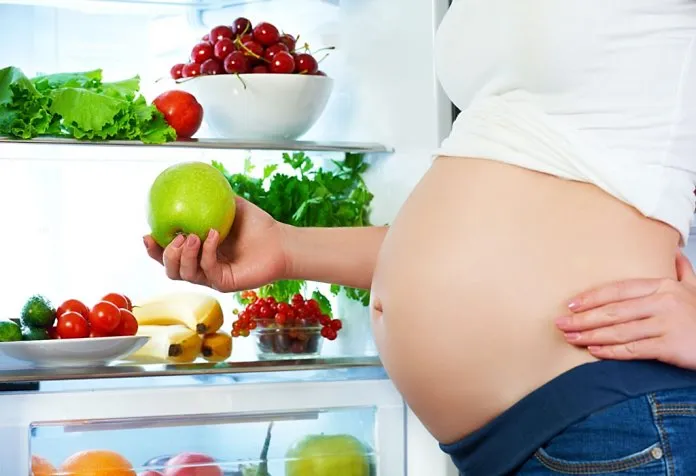
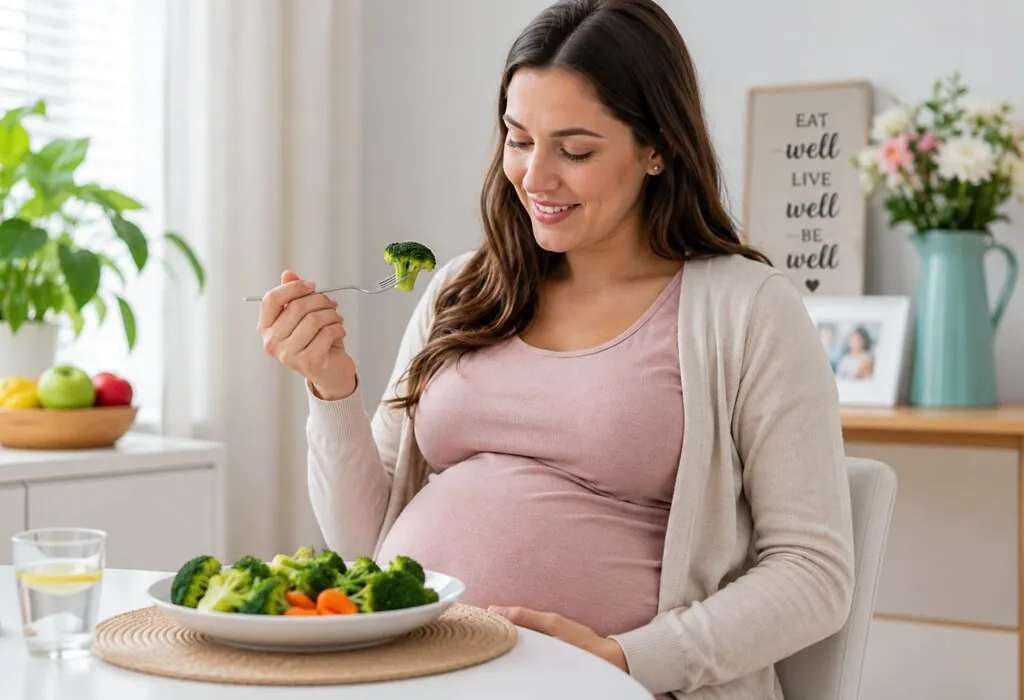
A healthy pregnancy diet does not need to be complicated or restrictive. Aim for variety across food groups, with plenty of fruits and vegetables, whole-grain or other high-fibre carbohydrates, protein-rich foods and appropriate dairy or fortified alternatives.
- Fruits and vegetables: Try to include a variety of colourful fruits and vegetables every day. They provide fibre, vitamins, minerals and other beneficial plant compounds. Wash fresh produce thoroughly before eating (10).
- Whole grains and other starchy foods: Include foods such as whole-wheat roti or bread, oats, brown rice, potatoes, whole-grain cereals and other high-fibre carbohydrates. These foods provide energy, fibre and several micronutrients.
- Protein-rich foods: Include eggs, well-cooked poultry, lean meat, beans, lentils, peas, tofu, nuts and seeds. Protein provides building blocks needed for fetal growth and development.
- Low-mercury fish and seafood: Fish can provide protein and omega-3 fatty acids. Choose lower-mercury varieties and follow local pregnancy guidance regarding safe amounts and types. Avoid raw fish and raw shellfish because of food-safety risks (11).
- Dairy or calcium-fortified alternatives: Milk, yoghurt and cheese provide calcium and other nutrients. If you use plant-based alternatives, choose unsweetened products fortified with calcium.
- Healthy fats: Include foods such as nuts, seeds, avocado and appropriate vegetable oils. Fish can also provide beneficial omega-3 fats. These foods can form part of a balanced pregnancy diet without eliminating carbohydrates or other food groups.
- Safe, nutrient-dense snacks and fluids: Options such as fruit with yoghurt, nuts with fruit, hummus with whole-grain bread, or a boiled egg can provide useful nutrients between meals. Drink enough fluids throughout the day and pay particular attention to food-safety practices during pregnancy.
FAQs
1. Is the keto diet safe during pregnancy?
No, a ketogenic diet is generally not considered safe and is not recommended during pregnancy. There is no evidence for its safety for fetal development. Moreover, it could cause severe carbohydrate deficiency, which may increase the risk of nutritional deficiencies and other health concerns.
2. Can keto cause ketones during pregnancy?
Yes. A keto diet can increase ketone production by reducing carbohydrate intake. Ketosis, a condition that is caused by the production of ketones in the body, is not recommended without specialist supervision.
3. Can I follow keto to control gestational diabetes?
No, pregnant women are not advised to start a ketogenic diet on their own to manage gestational diabetes.
4. What side effects can a keto diet cause during pregnancy?
Severe carbohydrate restriction can make it harder to obtain enough fibre and certain vitamins and minerals and may contribute to inadequate energy or nutrient intake. Pregnancy also increases nutritional requirements, making restrictive diets particularly difficult to balance safely.
Hence, the Keto diet is a short form of the ketogenic diet. It is composed of fat, protein, and carbohydrates. In contrast to other diets, the keto diet increases the amount of fat and decreases the amount of carb intake. It is a process like boosting the body to gain weight, to oxidize to burn fat by itself. But it has a few side effects, and the composition doesn’t act as a complete food bowl for pregnant ladies. So, it is not safe to suggest a keto diet to expecting mothers to protect their lives and their children.
Also Read:
Paleo Diet while Pregnant
Vegetarian Diet While Pregnant
Diet to Reduce High Blood Pressure in Pregnancy
Was This Article Helpful?
Parenting is a huge responsibility, for you as a caregiver, but also for us as a parenting content platform. We understand that and take our responsibility of creating credible content seriously. FirstCry Parenting articles are written and published only after extensive research using factually sound references to deliver quality content that is accurate, validated by experts, and completely reliable. To understand how we go about creating content that is credible, read our editorial policy here.
1. UC Davis Health – What is the keto diet, and can it be beneficial for you?
2. Academy of Nutrition and Dietetics – What Is the Ketogenic Diet?
4. Healthdirect Australia -Ketogenic diet
6. Northwestern Medicine – Pros and Cons of the Keto Diet
7. Harvard T.H. Chan – Diet Review: Ketogenic Diet for Weight Loss
8. Boston Children’s Hospital – Ketogenic Diet
9. National Institutes of Health – Dietary Supplements and Life Stages: Pregnancy
- Author


Related Articles
-
Eating Goat Cheese During Pregnancy - Is It Safe?
-

Barley Water During Pregnancy: Benefits, Safety and How to Prepare
-
Kiwi Fruit During Pregnancy - Benefits & Precautions
-

Is Mosambi (Sweet Lime) Juice Safe During Pregnancy?
-
Soya Bean During Pregnancy: Benefits, Risks & Safe Intake Guide
-
Olive Oil in Pregnancy - Benefits, Side-effects, & Safety