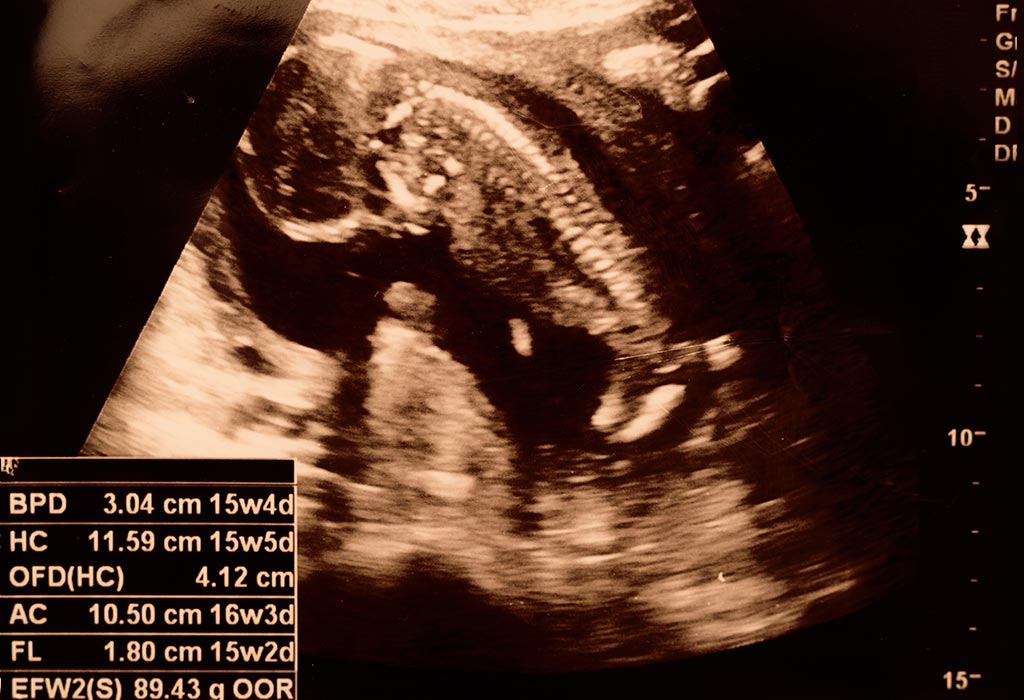


Jumping During Pregnancy: Is It Safe, Risks, & Alternatives
Is jumping In pregnancy safe? Medically reviewed guide on trimester-wise risks, safety tips & safer exercise alternatives.





Medically Reviewed By
Dr. Sabiha Anjum
(Gynecologist/Obstetrician)

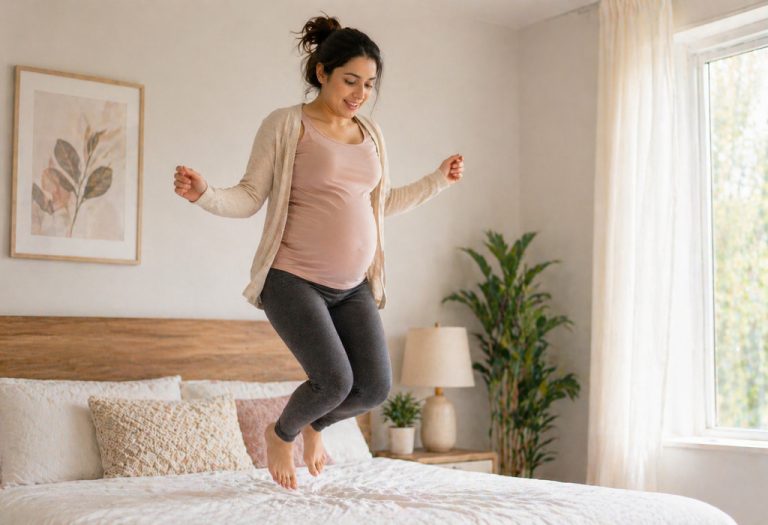
Image Credit : AI Generated Image
In this Article
- How Is Exercise Beneficial During Pregnancy?
- What Are the Risks of Jumping While Pregnant?
- Other Options You Can Try
- Tips for Exercising Safely When Pregnant
- FAQs
View More
This health content has been medically reviewed by qualified experts and follows the FirstCry Parenting editorial policy to ensure accuracy and reliability.
Exercising during pregnancy helps a woman stay fit and healthy. Nowadays, more and more pregnant women are taking up yoga and exercises to make sure they have a safe and healthy pregnancy. Exercising is recommended during pregnancy, but it is very important to understand that you should do the right kind of exercises when pregnant. Sometimes, rigorous exercises can lead to abdominal trauma. You may want to take up jumping, but before taking it up, you will wonder if jumping during pregnancy is safe or not! Jumping as a means of exercise is beneficial, but it may not be the best option for pregnant women. The chances of health complications can increase in prospective mothers. Let’s find out how exercise helps during pregnancy and if jumping while pregnant is safe or not.
How Is Exercise Beneficial During Pregnancy?
Exercising during pregnancy increases your strength and endurance level, and promotes better sleep. Prenatal exercises keep your health in check. Some light exercises like swimming, stretching or walking are recommended during pregnancy and are also safe (1). However, women should avoid exercises with jarring motions such as jumping, hopping, or skipping during pregnancy. Some of the benefits of exercising during pregnancy are given below:
- It helps reduce swelling, bloating, backaches, and constipation (2).
- It improves blood circulation.
- It increases endurance, strength, and muscle tone (3).
- It helps increase energy level.
What Are the Risks of Jumping While Pregnant?
Light exercises during pregnancy are generally considered safe, but you should avoid jumping when pregnant (4). If you jump vigorously during pregnancy, it could result in vaginal bleeding, preterm labour or a miscarriage. Some other risks of jumping in pregnancy are given below:
- Increased downward pressure on the cervix.
- Triggering of uterine contractions.
- Strain or injury to ligaments and joints due to increased laxity.
- Loss of balance from a shifting centre of gravity, raising the risk of falls or injury.
- Increased risk of placental complications, such as placental abruption (partial detachment of the placenta) (5).
- Potential for other pregnancy complications, particularly in high-risk cases.
Other Options You Can Try
Pregnant ladies should be extra cautious when doing any exercise. Jumping jacks while pregnant should be avoided. There are some other options to try to avoid any complications during pregnancy. Light jumping exercises are still acceptable, but it is best to avoid jumping in pregnancy. Light aerobic exercises, walking, or stretching can also be safely practised by moms-to-be (6).
Tips for Exercising Safely When Pregnant
Vigorous exercises involving high impact aerobics or jumping jacks may cause harm. Whereas, moderate exercises can lift your spirits and keep your baby healthy and safe. If you want to start exercising during pregnancy, avoid jumping. Here are some tips to keep in mind while exercising when pregnant:
- Discuss your fitness routine with a healthcare provider; it is only after the discussion that you should start doing any exercise.
- Whenever you exercise, make sure someone is there to watch you in case you lose balance.
- You might be an adventurous person, but it is best to avoid any form of dangerous sports during pregnancy.
- When exercising during pregnancy, it is suggested that you wear loose clothes, so that you can move easily.
- It is also suggested to drink plenty of water after exercising, although not immediately. However. you should drink enough water if you are exercising to keep yourself hydrated.
- Avoid exercising in the high heat, as it can prove to be dangerous. The best time to exercise is early in the morning.
- Choose the right kind of shoes for exercising and maintain a proper posture to increase your flexibility and grip.
- Practice exercises on a flat surface to avoid any injury or sudden fall.
FAQs
1. Is there a risk of brain damage from jumping while pregnant?
No, there is no such risk of brain damage from jumping while pregnant.
2. Is jumping in first trimester dangerous?
Jumping in first trimester may not always cause immediate harm, but it can still pose risks such as strain or triggering early complications. Since this is a critical stage of development, it’s best to avoid high-impact activities unless cleared by your doctor.
3. When should I stop to do jumping while pregnant?
You should avoid jumping in the second trimester or if you have a high-risk pregnancy. However, high-performance athletes can usually continue to exercise only if their pregnancy is not complicated.
4. Can I do jumping jacks during pregnancy?
No. You should not do jumping jacks when pregnant as they are considered high-impact exercises that are not generally recommended for pregnant women.
5. Can jumping cause miscarriage?
There is no guarantee that jumping will cause a miscarriage, but vigorous or repeated impact may increase the risk, particularly in high-risk pregnancies or if there are underlying complications.
6. Can I go jumping while pregnant in the second trimester?
Jumping while pregnant in the second trimester is generally not recommended. Although energy levels may feel higher during this stage, the growing uterus and shifting centre of gravity increase the risk of imbalance, strain, and pressure on the cervix.
Expectant moms should absolutely avoid contact sports, as it can harm the baby. Moderate jumping and pregnancy exercises can improve health and make delivery easier, but don’t overdo it. A well-chosen exercise program can prove beneficial. Practice low impact exercises to keep your baby safe and healthy. Though the baby remains protected in the uterus, stress and jumping movements can pose a risk. Therefore, go for light workouts and have a safe pregnancy.
Also Read:
Travelling during Pregnancy
Running while Pregnant
Butterfly Exercise in Pregnancy
Exercises to Avoid during Pregnancy
Should You Play Sports during Pregnancy?
Was This Article Helpful?
Parenting is a huge responsibility, for you as a caregiver, but also for us as a parenting content platform. We understand that and take our responsibility of creating credible content seriously. FirstCry Parenting articles are written and published only after extensive research using factually sound references to deliver quality content that is accurate, validated by experts, and completely reliable. To understand how we go about creating content that is credible, read our editorial policy here.
- Author
- Expert Reviewer


Related Articles
-

Third Trimester Nausea - Causes, Remedies & Preventive Measures
-

Does Taking Progesterone During Pregnancy Help Prevent a Miscarriage?
-

Skin Care During Pregnancy: What Products to use & Beauty Tips
-

Labetalol In Pregnancy - Safety, Dosage and Side Effects
-

Horse Riding During Pregnancy - Is It Safe?
-

Skin-care Secrets to Keep Your Skin Healthy During Your Pregnancy