
Restless Legs Syndrome (RLS) During Pregnancy
Learn about Restless Leg Syndrome (RLS) in pregnancy, including its symptoms, causes, triggers, and ways to find relief.





Medically Reviewed By
Dr. Rashmi Prakash
(Psychologist/Psychotherapist)


This content has been reviewed by a qualified expert and follows the FirstCry Parenting editorial policy to ensure accuracy and reliability.
Restless legs syndrome in pregnancy can turn an exciting time of pregnancy into an uncomfortable one, especially when you are trying to relax or get a good night’s sleep. Although RLS usually improves after delivery, persistent or severe symptoms can affect sleep and daily comfort. Since sleep is of utmost importance for pregnant women, RLS during pregnancy can cause hindrance, often contributing to other pregnancy issues, though not directly. There’s not one reason for what causes restless legs syndrome during pregnancy or how it could be treated to bring relief to the mother. This article discusses what the syndrome is and what you could do about it in case you experience it.
What Is Restless Legs Syndrome (RLS)?
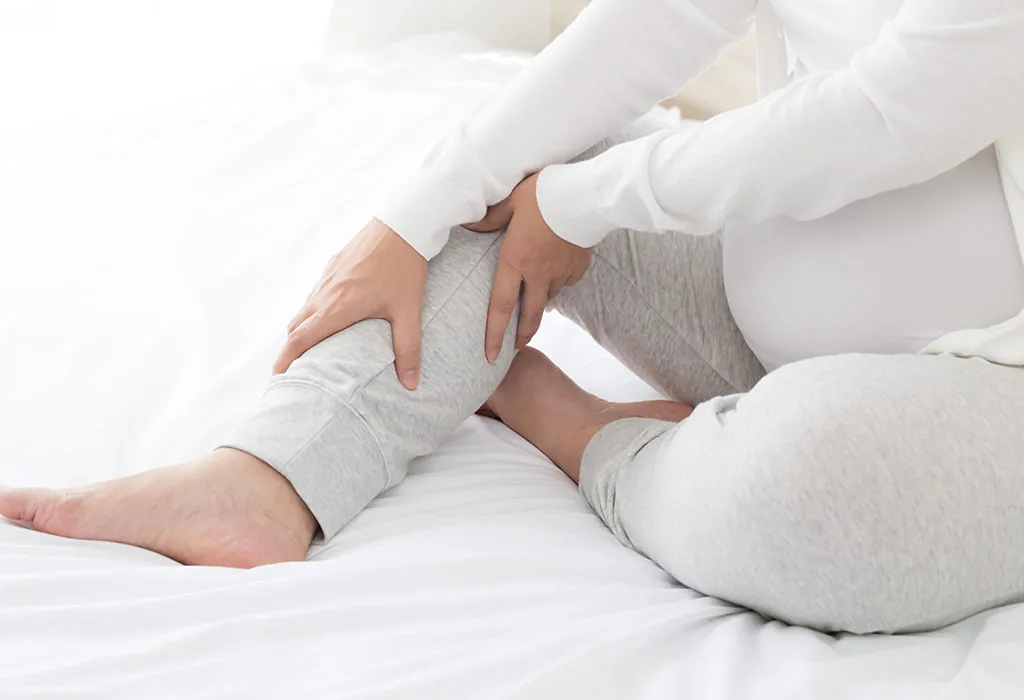
Restless legs syndrome is the uncontrollable need to move your legs while you are sleeping or resting. You may feel a burning, itching or crawling sensation in your foot, upper leg and calf if you have RLS. It usually subsides once you move your legs, but it ends up waking you up from sleep and can even return once you’ve moved your leg. MotherToBaby further states that moving or massaging your legs provides relief, and you may notice a pattern of it worsening in the evening or at night (1).
The occurrence of pregnancy restless legs first trimester is usually lower compared to restless legs pregnancy 2nd trimester and the third trimester, when it is most common.
Is It Common in Pregnancy?
Yes. Restless legs syndrome is fairly common during pregnancy, with about one in every five women experiencing it, as recorded by a 2020 study published in Sleep Medicine Reviews (2).
When Does Restless Legs Syndrome Begin During Pregnancy?
The occurrence of restless legs syndrome can happen at any time, at any stage of pregnancy. One recent meta-analysis shows the prevalence of RLS varying by trimester. It showed the chances of restless legs in the third trimester as most profound and common, at 38.8%, 32.8% in the second trimester, and 15.5% diagnosed in the first trimester (3).
It may even worsen as you approach the date of delivery.
Causes of RLS During Pregnancy
Scientists haven’t been able to pinpoint the exact cause of RLS, but there are a few factors that many researchers believe to be the cause of the condition (4).
- Lack of iron or folic acid
- Increase in the oestrogen level
- Vitamin D deficiency
- Venous insufficiency in the legs
- Family history
- Conditions like diabetes and kidney disease
Symptoms of Restless Legs Syndrome While Pregnant
The symptoms of RLS largely show up as uncomfortable sensations in the legs, but they may also be experienced in other parts of the body. The British government’s charity, Tommy’s notes some of the most common signs of RLS (5):
- Crawling or burning sensation in the legs
- Itching sensation in the legs
- Cramps in your calf muscles
- Fidgety feeling in the legs
- Jerking of the limbs while sleeping
- Sleep disruption due to ache or pain
Diagnosis of RLS in Pregnancy
There is no test to diagnose RLS in patients. Doctors may conduct a blood test to rule out the possibility of other conditions, though. Doctors usually diagnose RLS based on the symptoms you experience. You may be asked to give a medical history and details of any medications that you have been using that may have triggered the condition. You may also be tested for iron deficiency, as it is a common cause of RLS.
Treatment for Restless Legs Syndrome in Pregnancy
There are no direct ways to treat restless legs syndrome in pregnancy; the treatment options will show result in consecutive time. If your symptoms are severe and disrupt your sleep, your doctor may opt for the following treatment methods:
- Iron supplements: In case you have a deficiency of iron, the Cleveland Clinic suggests that you will be prescribed iron supplements (6).
- Opioid medication: Some doctors may prescribe opioid medication in very severe, very refractory cases if you don’t respond to iron supplements (7). But this is only given for a short time to prevent the risk of withdrawal symptoms in babies.
- Relaxis: This is an FDA-approved device that is only available by prescription.
- Adjustment of medication: Your doctor may also check whether your current medications, such as SSRIs and dopamine antagonists, could aggravate your condition. They may adjust your medications if so.

Usually, Mirapex and Requip are prescribed for RLS; however, treating RLS with medication during pregnancy may be a challenge as the drugs normally prescribed for RLS patients haven’t been studied in pregnant women. Since the effects of these drugs on the foetus haven’t been researched, doctors will refrain from prescribing them to you.
Ways to Prevent Restless Leg Syndrome in Pregnancy
Although there are no ways to completely prevent restless legs syndrome during pregnancy, you can try to lower the risk of getting it by making a few lifestyle changes (8).
- Reduce or avoid caffeine: Pregnant women can have about 200mg of caffeine each day. Ensure that you keep your coffee and tea intake to fit this restriction. Caffeine can make the symptoms of RLS even worse and keep you awake. It is a good idea to completely forgo caffeine, including coffee, all kinds of tea, Coke, chocolate, etc. If you do consume it, do so within a limit and avoid consuming it in the evening or late afternoon.
- Track your food intake: Sometimes, certain foods trigger RLS. Hence, it is a good idea to keep track of what you’ve consumed on the day you experience symptoms. Avoiding these food items is recommended to prevent RLS.
- Exercise regularly: Exercising every day may help relieve RLS. But only engage in mild exercises that do not exert you too much, as it can make it harder for you to sleep.
- Sleep well and on time: Establish a sleep routine and get a lot of sleep and rest. Fatigue may also trigger RLS in many women.
Can RLS Affect Your Baby?
No, RLS will not affect your baby. However, there are certain medications that are prescribed for RLS that may have an adverse effect on the baby. Always discuss the pros and cons with your healthcare practitioner and seek approval before taking any medication.
Home Remedies for RLS During Pregnancy
Here are a few simple home remedies that can be used to relieve discomfort during RLS.
- Massage your legs: If you wake up to RLS or experience the symptoms, you can massage your legs or ask your partner to massage your legs to relieve the pain. Using pain-relieving massage oils may also be beneficial.
- Temperature changes: When you start having symptoms, use a hot compress or an ice pack to relieve the pain. You can also dip your legs in warm water in the bath.
- Soak your feet: This pregnancy restless legs remedy does wonders. Dissolve some Epsom salt in warm water and soak your feet in it for 30 minutes. After this, dry your feet and rub a thin layer of Vicks VapoRub on your feet.
- Eat bananas: Bananas are potassium-rich and help send nerve impulses and contract your muscles. Pregnant women are advised to include bananas in their diet.
- Take supplements: With proper consultation with your doctor, you can start taking calcium, iron or magnesium supplements to relieve RLS.
- Relaxation techniques: Try relaxation techniques like flexing your muscles before sleep. Stretch your legs or flex your ankles immediately if you experience symptoms. You can also practice meditation to calm your mind before you go to sleep.

Does RLS Go Away After Childbirth?
If you haven’t had restless legs syndrome before pregnancy, the symptoms begin to subside within four to six weeks after you have given birth.
FAQs
1. When will restless legs syndrome in pregnancy go away?
Although restless legs syndrome and pregnancy are an uncomfortable pair, the condition usually improves gradually after pregnancy. In most cases, it usually disappears within four weeks of delivery.
2. Can I wear compression stockings all day during pregnancy?
Graduated compression stockings are generally safe for pregnant women on a daily basis when properly fitted; neither too tight nor too loose. Your doctor may recommend the correct compression level to make sure it helps and provides comfort.
3. Is exercising safe when you have restless legs syndrome during pregnancy?
Generally, gentle exercises, such as walking and prenatal yoga, are safe and beneficial and help with the restless legs condition. However, it is best to consult with your doctor if you are thinking of trying any new exercise with restless legs syndrome.
Restless legs syndrome is surely the raw end of the pregnancy bargain. But the relief for most women is that, unless you have had a pre-existing condition of RLS, most pregnancy-induced RLS is short-lived and will subside once you give birth to your little one.
Also Read:
Bed Rest in Pregnancy
Pregnancy and Sleeplessness
Tiredness and Fatigue during Pregnancy
Was This Article Helpful?
Parenting is a huge responsibility, for you as a caregiver, but also for us as a parenting content platform. We understand that and take our responsibility of creating credible content seriously. FirstCry Parenting articles are written and published only after extensive research using factually sound references to deliver quality content that is accurate, validated by experts, and completely reliable. To understand how we go about creating content that is credible, read our editorial policy here.
1. MotherToBaby – A Not-So-Silent Night: Restless Legs Syndrome and Pregnancy
3. Oxford University Press – Don’t shake it off: the importance of restless legs syndrome in pregnancy
5. Tommy’s – Restless legs syndrome during pregnancy?
6. Cleveland Clinic – Restless Legs Syndrome
7. National Library of Medicine – Management of Restless Legs Syndrome in Pregnancy and Lactation
8. Allegheny Health Network – Managing Restless Legs Syndrome for a More Comfortable Pregnancy
- Author
- Expert Reviewer


Related Articles
-

10 Effective Pregnancy Exercises for Normal Delivery
-
Cleaning During Pregnancy- Safety, Do's and Don'ts
-
Pregnancy Skin Changes - Common Changes to Expect
-
20 Easter Pregnancy Announcement to Start a New Life
-
Dengue In Pregnancy - Does It Affect Baby?
-
Overweight and Pregnant - Risks & Tips to Manage Your Weight