


Can You Get Laser Hair Removal While Pregnant?
Is laser hair removal safe during pregnancy? Learn about risks, precautions, and safer alternatives for expecting mothers





Medically Reviewed By
Dr. Rima Sonpal
(Gynecologist/Obstetrician)

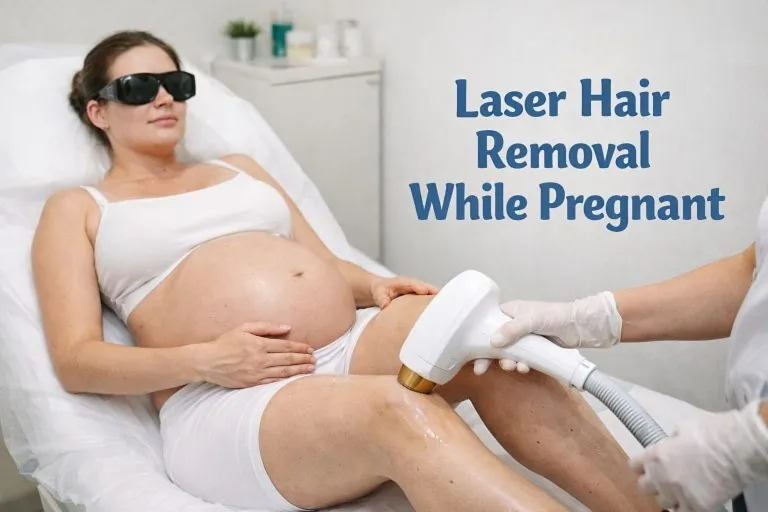
Image Credit : AI Generated Image
In this Article
- Is Laser Hair Removal Safe During Pregnancy
- How Does Laser Hair Removal Work?
- How Long Does Laser Hair Treatment Take to Complete?
- How Effective Is Laser Hair Removal?
- Problems That May Arise If You’ve Laser Hair Removal Treatment While Pregnant
- Can Laser Hair Removal Treatment Affect Your Baby?
- Can We Get Laser Hair Removal Done on the Bikini Area During Pregnancy?
- Should You Postpone Laser Hair Removal Sessions Until You Deliver Your Baby?
- Alternative Methods of Hair Removal
- FAQs
View More
You may admire your pregnancy glow and the baby bump until you notice thick hair in unwanted places. Hormonal changes during pregnancy (especially a boost in hormones such as oestrogen, progesterone and hCG) can result in excess hair growth during pregnancy. It’s natural for you to worry ,and you may look for various hair removal methods to get rid of that hair on your belly, bikini line, upper lip, and armpits. While shaving is an easy solution, many women today consider laser hair removal. Laser hair removal is used to reduce and stop hair growth, but is it safe during pregnancy? Let’s find out all about laser hair removal during pregnancy!
Is Laser Hair Removal Safe During Pregnancy
The simple answer is ‘no’. Most doctors and laser hair removal clinics advise against the laser hair removal procedure during pregnancy as it may not be safe for the mother-to-be and her baby (1). So it’s best you follow the advice of a doctor and put off this treatment for a while.
How Does Laser Hair Removal Work?
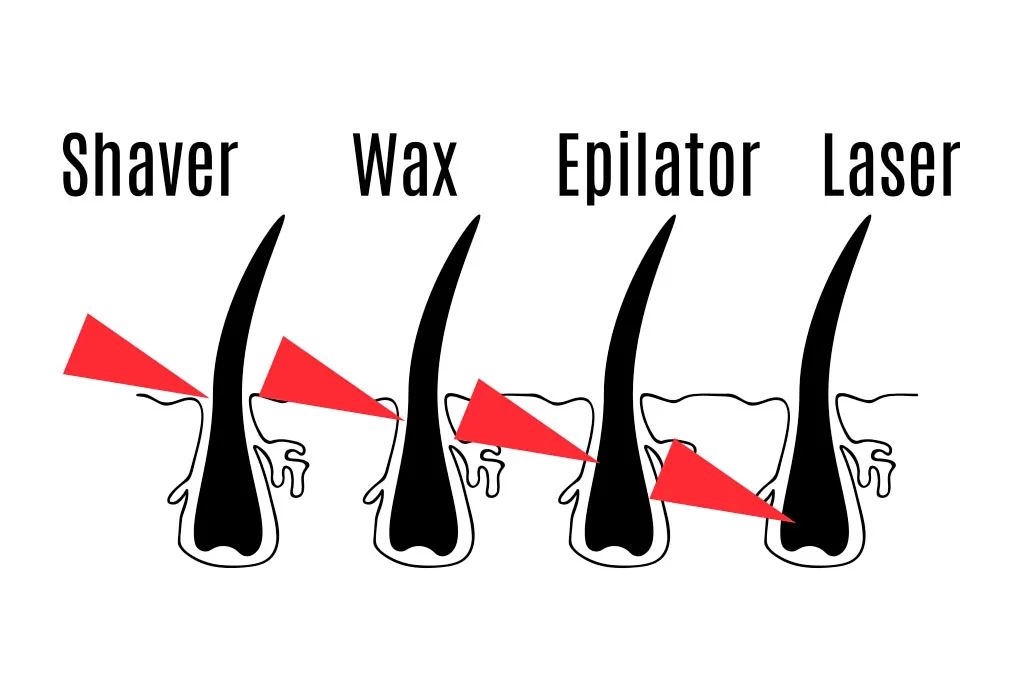
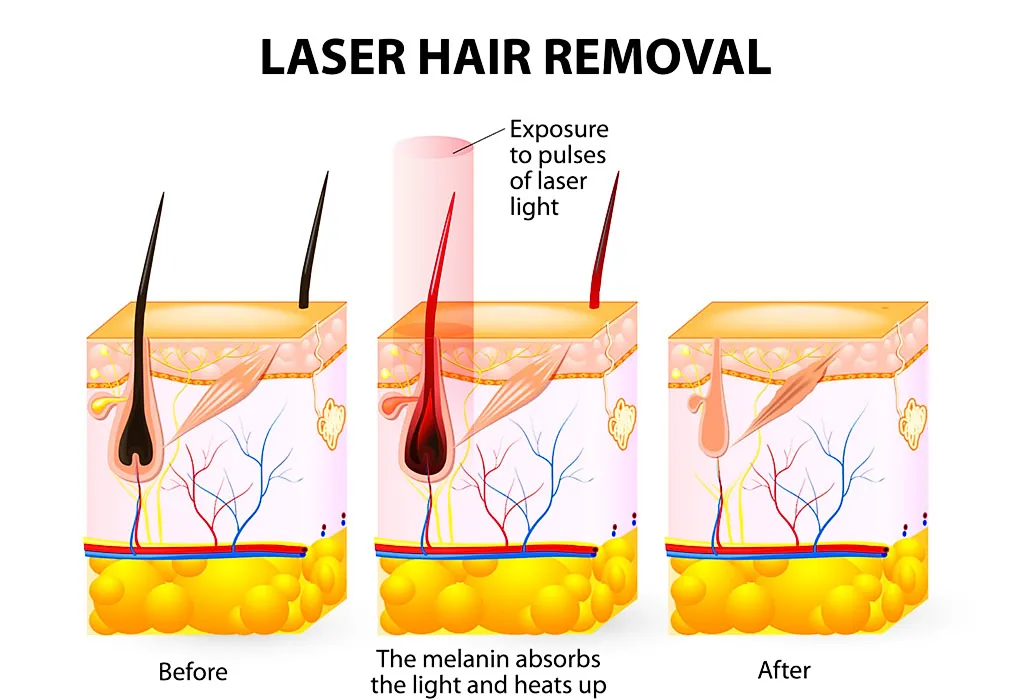
If shaving simply takes care of the hair present outside, laser hair removal can be considered as a method that goes deeper. The clinic professionals make use of a small instrument that aims a beam of light on the area from where you want to remove hair. The laser beam targets the hair follicles present in the skin, which are exposed to these powerful rays, and are destroyed. The dark hair pigments undergo thermal destruction, causing the follicles themselves to get damaged and removing excessive hair (2).
How Long Does Laser Hair Treatment Take to Complete?
Since laser hair removal is usually opted for to get rid of hair permanently, the entire treatment procedure could take anywhere from 6 months to about 2 years. A number of factors govern the time duration, such as the rate of hair growth, the hair constitution, previous sessions, etc. In the initial stages, most professionals recommend a minimum of 6 laser removal sessions to be able to see progress. Once the initial phase is completed, a repeat treatment is required once in 6 weeks to fully remove any trace of excessive hair. Even after that, minimal hair regrowth is possible, which might deem the requirement of another session (3).
How Effective Is Laser Hair Removal?
Laser hair removal is one of the most effective ways to reduce body hair, but it may not remove hair permanently. Laser sessions may lighten the hair colour, morph the texture, or postpone the regrowth of hair (4).
Problems That May Arise If You’ve Laser Hair Removal Treatment While Pregnant
Although laser hair removal might be the most obvious choice earlier in life, during pregnancy, there are enough and more reasons to avoid this treatment. Here are some reasons why you should avoid it:
- A basic laser hair removal treatment can take anywhere from 6 months to a year. This would mean that the sessions will continue in the later stages of your pregnancy as well. Not only will your body have trouble moving around and staying in a position that is required for the treatment, but the sensitivity of your skin and other areas of the body will be higher, too. This could cause you irritation or discomfort during the treatment.
- Undergoing laser removal in the major areas of the breasts and bikini regions can be irritating during pregnancy since these are the most sensitive areas at this time. Some redness or swelling could also occur due to the treatment.
- Since the laser rays are powerful enough to destroy hair follicles, their administration in the areas of the lower abdomen and thighs could induce cramps and make it quite painful to continue.
- The fluctuating hormone levels lead to excessive production of melanin. This darkens the skin further, making it more sensitive, which ends up making the laser treatment painful and not as effective as before.
- The sessions of the laser treatment are spaced out in accordance with the time duration taken for hair to regrow. Given the fact that a woman’s body undergoes a bunch of internal changes in pregnancy, the hormone levels end up shortening the growth cycle duration and even activate previously inactive follicles. This could result in quicker hair growth than before.
- Due to the higher sensitivity of the skin, there is a risk that you could suffer from skin-related problems. You may experience skin irritation from exposure to laser rays.
- Many clinics recommend using a numbing cream since pregnant women tend to face more pain than others during the treatment. However, this cream is easily absorbed into the body, and it may not be safe for you or the baby.
- The radiation from the laser is not harmful since it is non-ionising and does not penetrate deep into the body. However, the tissues that surround the area of impact could end up absorbing some of the radiation.
Can Laser Hair Removal Treatment Affect Your Baby?
While there is no conclusive evidence to prove the harmful effects of laser hair removal on pregnancy, there is no evidence supporting the opposite as well. The best thing you can do is avoid getting laser hair treatment during pregnancy.
Can We Get Laser Hair Removal Done on the Bikini Area During Pregnancy?
The bikini area is very sensitive, so it’s best not exposed to heat. So, avoid getting laser hair removal done for the bikini area or any other region during pregnancy.
Should You Postpone Laser Hair Removal Sessions Until You Deliver Your Baby?
If you are planning to get a laser hair treatment during pregnancy, or have just begun with your treatment, or are in the middle of one, it is best to postpone further treatment sessions until you have given birth. Laser hair removal in pregnancy is not a cumulative effect, so any interruption in the schedule will not take away the benefits of the previous treatment sessions. Once the delivery has been successfully completed and the baby is good enough to be a bit independent, you can resume your treatment sessions. Until then, opting for alternative hair removal techniques is a possibility after getting a recommendation from your doctor.
Alternative Methods of Hair Removal
Apart from laser hair removal for pregnant women, there are a bunch of traditional techniques and a few professional techniques that can take care of excessive body hair. These are (5):
1. Hair Removal By Electrolysis
The method used for removing hair is quite painful. Similar to laser removal, electrolysis targets the hair follicles by damaging them using electricity. A process called galvanic electrolysis is undertaken that emits small amounts of electric current and destroys the hair follicle. This should be highly avoided since the electric current can reach the baby due to the conducting properties of the amniotic fluid surrounding the child.
2. Hair Removal By Waxing
Most women are used to waxing and are quite well-versed in carrying it out on their own. It is rather efficient and easier to be done at home itself, saving you a trip outside and the costs associated with it. However, waxing is brutal for the skin, and during pregnancy, the sensitive skin can react strongly to it. Be extremely careful since waxing could leave bruise marks on your body in such a case.

3. Hair Removal Using Creams
Certain creams in the market make use of chemicals and other elements to destroy the hair and remove it. Some of the major constituents in such creams are the powders of barium sulphide and calcium thioglycolic acid. Applying cream on the skin at the risk of absorption of these chemicals is tricky since their safety or harmful nature has not been defined for pregnant women. However, the strong odour that accompanies the creams and their chemical reactions to the sensitive skin can deem them unsuitable for use.
4. Hair Removal Using a Shaver
This method is cheap, convenient, and extremely safe during pregnancy. Be careful with your skin, as you could very easily cut yourself with a razor. Let your partner help you out in reaching difficult areas below the abdomen.
FAQs
1. Could the hormonal glow of pregnancy make my treatment results better?
No, it likely makes results less predictable and effective. The surge in pregnancy hormones like estrogen and progesterone can stimulate new hair growth (a condition called hypertrichosis) and may awaken dormant follicles, making it difficult for the laser to target a stable hair cycle. Any perceived reduction may be temporary.
2. If I had a series of treatments before knowing I was pregnant, should I be worried?
There is no evidence of harm from prior treatments, and concern is minimal. The laser’s energy is highly localised and does not store in the body. The recommended course is to simply pause all further sessions until after delivery and, if you are breastfeeding, until after weaning, as a universal precaution.
We’ve covered everything you need to know about laser hair removal and pregnancy. Laser hair removal during early pregnancy and their effects have not been established, but it is best to avoid it when pregnant. It is best to opt for standard ways of hair removal, such as shavers or wax strips, instead of techniques involving chemicals, electrolytes, and lasers. Do everything you can to keep you and your baby safe. Body hair can be taken care of at any other time.
Also Read:
How to Remove Pubic Hair During Pregnancy
Hair Growth on Stomach During Pregnancy
Hair Removal Cream During Pregnancy
Was This Article Helpful?
Parenting is a huge responsibility, for you as a caregiver, but also for us as a parenting content platform. We understand that and take our responsibility of creating credible content seriously. FirstCry Parenting articles are written and published only after extensive research using factually sound references to deliver quality content that is accurate, validated by experts, and completely reliable. To understand how we go about creating content that is credible, read our editorial policy here.
- Author
- Expert Reviewer
 About the Author
Mahak Arora
Related Articles
-

Vitamin C in Pregnancy: Benefits, Risks & Recommended Intake
-

Sleep Problem - Snoring During Pregnancy
-
How Much Weight Should You Gain during Pregnancy?
-

Chromium in Pregnancy - Importance, Dosage, and Food Sources
-

Ear Popping in Pregnancy – Causes, Symptoms, and Treatments
-

Swimming During Pregnancy: Is It Safe? Benefits & Tips