


Pineapple in Pregnancy: Safety, Benefits, and Risks
Everything you should know if you can eat pineapple while pregnant, explained simply and safely.





Medically Reviewed By
Megha Mukhija
(Paediatric Nutritionist)


In this Article
- Can Pregnant Women Eat Pineapples?
- Nutritional Value of Pineapple
- Benefits of Pineapple in Pregnancy
- Risks of Consuming Pineapple During Pregnancy
- Common Myths About Eating Pineapple While Pregnant
- How Many Pineapples Can a Pregnant Woman Eat?
- How to Include Pineapple in Your Pregnancy Diet?
- Precautions to Take While Consuming Pineapple During Pregnancy
- Easy Pineapple Recipes for Pregnant Women
- FAQs
View More
Pineapple is a refreshing tropical fruit loved for its sweet-tangy taste and rich nutrient profile, but is pineapple safe during pregnancy? Several pregnant women wonder whether pineapple during pregnancy is safe to eat or not, as it is often surrounded by myths and conflicting advice. Certain fruits, such as pineapples and papayas, are considered risky, but whether those risks are genuine or just myths is hard to determine. Questions, like “Does pineapple juice cause miscarriage?” “Is pineapple for a pregnant woman safe?” Let’s read this article and uncover whether pineapple and pregnancy make a great pair. Understanding the facts can help expectant mothers enjoy pineapple safely and confidently.
Can Pregnant Women Eat Pineapples?
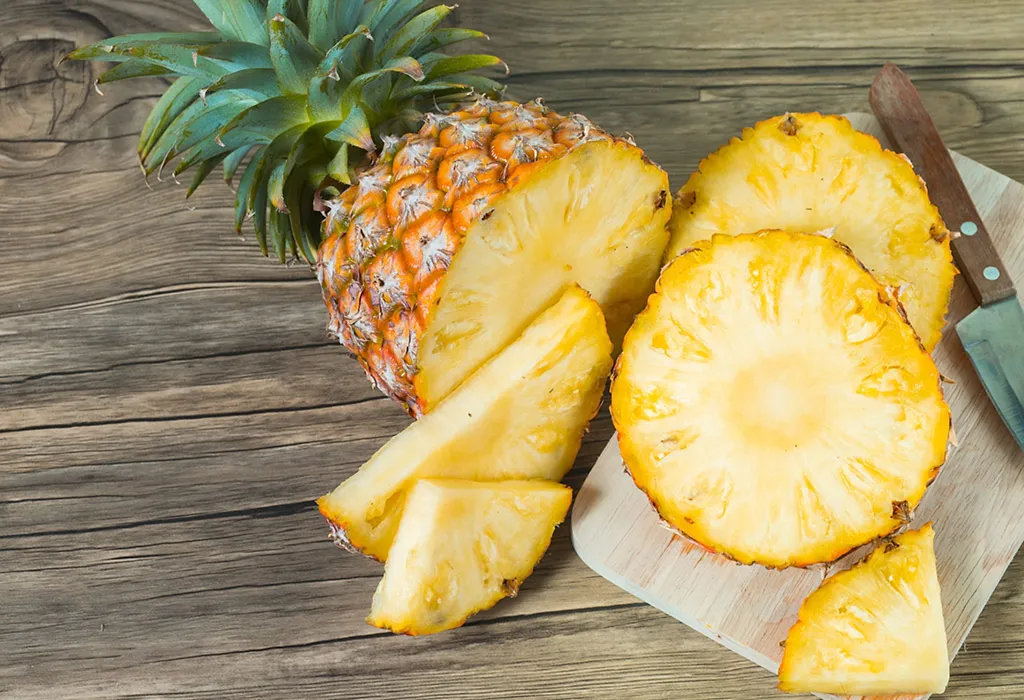
Although pineapple and pregnancy don’t quite resonate with many, it is safe to eat pineapples during pregnancy. Adding a cup or two of pineapple is not just safe, but may even have health benefits for both you and your little one. Pineapple during pregnancy, in the first, second, and third trimesters, is safe when consumed in moderation.
Pineapple is usually shunned by pregnant women as it contains an enzyme called bromelain, which may be responsible for miscarriages or premature labour when present in large quantities in the body. While bromelain is present in the pineapple, there is only a small amount in the edible flesh. The quantity of bromelain in a typical serving of pineapple is unlikely to have an effect on your pregnancy. Thus, consuming this fruit in normal amounts is not expected to negatively influence your pregnancy.
Remember, moderation is key, and anything consumed in excess is harmful.
There is another myth surrounding pineapple that it is hot in nature and thus should be avoided in the first trimester, as it could cause uterine contractions (1). However, it is a myth.
Try to limit your pineapple intake during pregnancy. You can also choose canned pineapples, as bromelain is extracted from the fruit during the canning process (2). If you are unsure about its consumption, please consult your doctor; they will be able to give you more personalised guidance based on your pregnancy progress.
Nutritional Value of Pineapple
Did you know that about a cup of pineapple contains only about 74 calories? This cholesterol-free and fat-free fruit is rich in several other minerals and nutrients. Let’s uncover!
| Nutrient | Amount |
| Water | 86 g |
| Energy | 50 Kcal |
| Protein | 0.54 g |
| Carbohydrate | 13.1 g |
| Fibre, total dietary | 1.4 g |
| Total Sugars | 9.85 g |
| Calcium | 13 mg |
| Magnesium | 12 mg |
| Potassium | 109 mg |
| Vitamin C | 47.8 mg |
| Folate | 18 mcg |
| Carotene | 35 mcg |
| Vitamin A | 58 IU |
Source: USDA (3)
Benefits of Pineapple in Pregnancy
If you are wondering can you eat pineapple while pregnant, the answer lies in how it is consumed. Pineapples, when eaten in limited quantities, have a lot to offer to pregnant women. Some health benefits that pineapples provide to pregnant women include:
1. Supports Immunity
Pineapples are a rich source of vitamin C. One cup of pineapple can provide 80 to 85 mg of vitamin C, which meets the daily requirement during pregnancy (4). Vitamin C not only boosts immunity and prevents cell damage, it also reduces the development of urinary tract infections during pregnancy (5). Vitamin C also aids the production of collagen, a structural protein that is responsible for the growth of the baby’s skin, bones, tendons, and cartilage.
2. Aids Digestion
The bromelain content in pineapple supports digestion by breaking down proteins. In moderate amounts, it may help relieve bloating and improve gut comfort, which is often a concern during pregnancy
3. Keep Your Bones Healthy
Pineapple provides manganese, an essential mineral that plays a role in bone formation and connective tissue development, supporting both maternal bone health and fetal growth. It also prevents the risk of osteoporosis.
4. Regulate the Functioning of the Nervous System
Pineapples contain vitamin B1 or thiamine, which regulates the functioning of the heart and the nervous system.
5. Increase the Production of RBCs
Vitamin B6 promotes the production of red blood cells, thereby preventing anaemia. It also produces antibodies and relieves morning sickness. Copper in the pineapple is necessary during the formation of your baby’s heart. It also aids in the production of red blood cells.
6. Ease the Pressure on Your Bowels
The dietary fibre in pineapples prevents constipation during pregnancy.
7. Prevent Congenital Disabilities in the Baby
They boost the production of folic acid, a vital nutrient that prevents congenital disabilities in babies.
8. Keep the Gut Healthy
This fruit keeps the gut healthy and repairs damage in the gastrointestinal tract.
9. Prevent Water Retention in the Body
Water retention and swelling are common during pregnancy. Pineapple acts as a diuretic and prevents the build-up of fluids in your body.
10. Varicose Veins
Varicose veins occur when the veins in the legs of pregnant women swell, twist and enlarge, causing pain. Bromelain is known to reduce the formation of fibrous deposits on these veins and lower discomfort.
11. Lower the Blood Pressure
Bromelain is a natural blood thinner and can lower blood pressure in pregnant women (5). It can also prevent the formation of blood clots.
12. Elevate the Mood
The smell of pineapples is known to enhance the mood and lower stress, in turn, preventing depression and anxiety.
13. Helps Manage the Pregnancy Fatigue
Natural sugars and B vitamins in pineapple can provide a gentle energy boost, helping to combat pregnancy-related tiredness when consumed as part of a balanced diet.
14. Helps Reduce Inflammation
The antioxidants and enzymes in pineapple may help reduce mild inflammation and support tissue repair. This can be beneficial as the body undergoes physical changes during pregnancy.

Risks of Consuming Pineapple During Pregnancy
Moderate consumption of pineapple during pregnancy is fine. However, pineapples can affect pregnancy when they’re consumed in excess, if you have a sensitive stomach, or are allergic to the fruit. Here are a few risks you may be taking by eating pineapples when you’re expecting (5).
1. Acid Reflux
Pineapples have acids that can contribute to acid reflux or heartburn. Excess consumption of ripe pineapple cores can cause fibre balls in the digestive tract, which may irritate the gut lining. So, if you have a weak or sensitive digestive system, it’s best to avoid this fruit.
2. Miscarriage/Premature Labour
Accumulation of bromelain in the body may soften the cervix and lead to miscarriage or premature labour. It may also cause uterine contractions, rashes, and vomiting during the first trimester of your pregnancy.
3. Increase the Blood Sugar
Pineapples contain a lot of sugar; hence, they are not suitable for women with gestational diabetes.
4. Increase Body Weight
Pineapples have a high-calorie content and aren’t recommended for overweight pregnant women.
5. Cause Diarrhoea
Bromelain is also responsible for diarrhoea if consumed in large quantities.
In case you’re not used to eating pineapples and are trying it for the first time, you may have a few allergic reactions like itching, swelling in the mouth, runny nose or asthma in some cases.
Common Myths About Eating Pineapple While Pregnant
Myth 1: Pineapple induces a miscarriage
People believe that eating pineapples induces labour. This belief stems from bromelain’s presence, but the amount in fresh pineapple is too low to cause harm when eaten in normal portions. The myth is true only if the fruit is consumed in large quantities.
Myth 2: Pineapple induces early labour
There is no scientific evidence to support that eating pineapple in moderate amounts can trigger labour (6).
Myth 3: Pineapple is completely unsafe in pregnancy
When consumed in reasonable quantities, pineapple is generally safe for most pregnant women.
How Many Pineapples Can a Pregnant Woman Eat?
The USDA’s MyPlate guidelines suggest that pregnant women should consume approximately 4.5 cups of fruits and vegetables each day during their first trimester. In the second and third trimesters, the suggested intake increases to 5 cups. You can mix pineapple with other fruits in the daily fruit diet.
During the second trimester, you can eat around 50 – 100g of pineapple a week. In the third trimester, you may consume around 250g of pineapple a day. However, since excess consumption can cause uterine contractions, check with your gynaecologist about how many pineapples you can safely eat.
How to Include Pineapple in Your Pregnancy Diet?
There are plenty of ways to include this delicious fruit in your pregnancy diet. If you are wondering is pineapple good in pregnancy, the following ideas show how it can be enjoyed safely and in moderation. Let’s check how:
- Add fresh pineapple chunks to fruit salads for a nutrient-rich snack.
- Blend pineapple into smoothies with yoghurt or coconut water.
- Use small amounts as a topping for oatmeal or curd.
- Pair pineapple with other fruits to avoid excess acidity.
- Have fresh pineapple rather than canned versions that come with added sugar. Excess sugar is not good during pregnancy.
- Make cakes, cupcakes, or tarts with pineapple.
- Make a sandwich with whipped cream and pineapple.
- Pineapple juice and pregnancy are a good pair. Make sure to have it in a limit.
Precautions to Take While Consuming Pineapple During Pregnancy
Although pineapple is considered safe to eat during pregnancy, it is important to ensure some precautions are in place to ensure its moderate and correct consumption, especially if you are unsure can I eat pineapple while pregnant.
- Consume pineapple in moderation to avoid stomach irritation.
- Avoid pineapple if you experience acidity, heartburn, or mouth sensitivity.
- Do not consume pineapple on an empty stomach if you have a sensitive digestive system.
- Avoid pineapple if advised by your doctor due to high-risk pregnancy conditions.
- Wash and cut fresh pineapple properly to prevent contamination.
Easy Pineapple Recipes for Pregnant Women
Here are some dishes you can make with pineapple:
1. Mangalorean Pineapple Curry
This curry is a speciality of Mangalore.
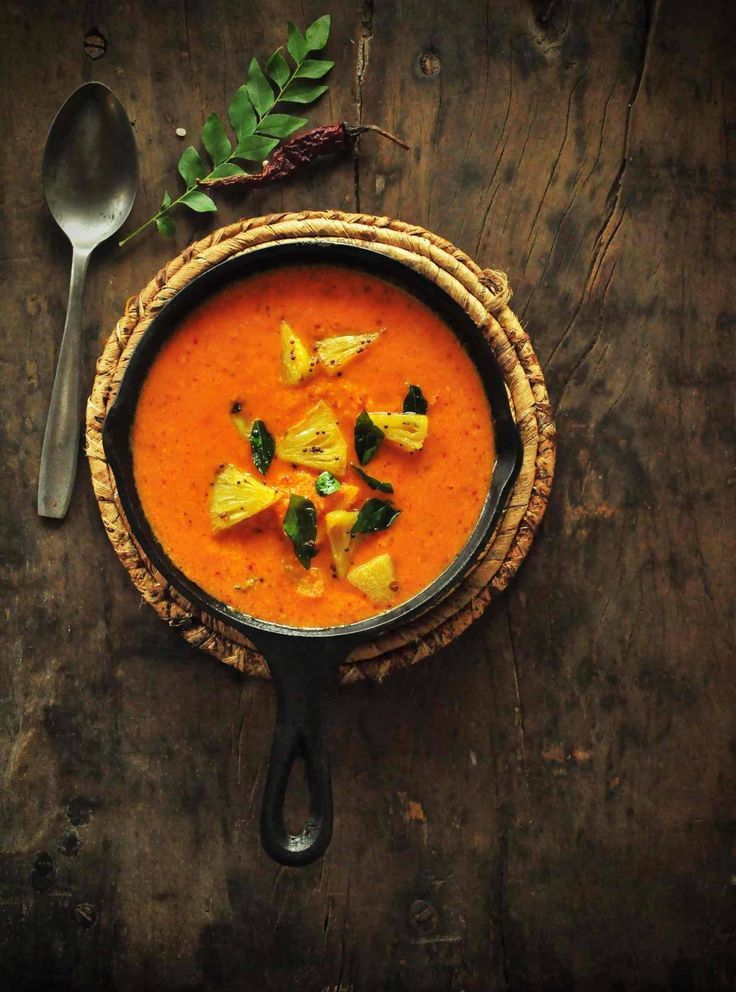
Image Credit: Pinterest
Ingredients:
- Chicken – 1 kg
- Green mango, chopped – 1
- Pineapple, chopped – 1/2
- Red chilli powder – 1/2 tsp
- Turmeric powder – 3/4 tsp
- Palm sugar – 1 1/2 tsp
- Oil
- Salt – as required
- Fresh coriander for garnishing
Ingredients for the dry masala:
- Sesame seeds – 1 tsp
- Methi seeds – 1 tsp
- Coconut, grated – 1 tbsp
Ingredients for tadka:
- Mustard seeds – 1 tsp
- Curry leaves – 6-7
Method:
- Roast the dry masala ingredients and grind them.
- Blend the pineapple and green mango into a thick puree.
- Sear the chicken in oil and salt until it turns golden brown. Remove it and keep aside.
- Pour the pineapple puree into the pan.
- Mix the red chilli powder, turmeric powder, salt and palm sugar.
- Add a little water to the dry masala.
- Add the chicken to the gravy, and cook for a few minutes.
- Heat oil in a separate pan and roast the tadka ingredients.
- Pour the tadka over the chicken.
- Garnish and serve hot.
2. Cheese and Pineapple Rounds
Pineapples can also be used to make sandwiches!

Image Credit: Pinterest
Ingredients:
- Brown bread slices – 6
- Hung curd, seasoned with salt and black pepper – 2 tbsp
- Cheese, grated – 3/4 cup
- Onion, chopped – 1
- Mint, chopped – 1 tbsp
- Pineapple slices – 6
- Mint leaves for garnishing
Method:
- Spread curd on the bread slices.
- Mix the cheese, chopped onions and mint leaves.
- Spread this paste on the bread slices.
- Place a pineapple slice over them.
- Serve.
FAQs
1. Is it safe to eat pineapple during the first trimester?
Yes, pineapple is generally safe to eat in moderation during the first trimester. However, women with a history of miscarriage or sensitive digestion should consult their healthcare provider before including it regularly.
2. How much pineapple is safe during pregnancy?
A few slices, or about 1 cup, of fresh pineapple, occasionally, is considered safe for most pregnant women. Excessive consumption should be avoided.
3. Can pineapple increase acidity during pregnancy?
Yes, pineapple is acidic and may trigger heartburn or acid reflux in some women. If this happens, it’s best to limit intake or consume it with other foods.
4. Is canned pineapple safe during pregnancy?
Canned pineapple can be consumed occasionally, but fresh pineapple is a healthier choice. Many canned versions contain added sugar or preservatives.
Whether pregnant women can eat pineapples or not is debatable. People have different opinions on this. But it’s best to proceed with your doctor’s suggestions. It’s always better to be safe than sorry!
Also Read:
Ice Apple in Pregnancy
Avocado during Pregnancy
Eating Pear Fruit when Pregnant
Eating Passion Fruit in Pregnancy: Is It Safe?
Was This Article Helpful?
Parenting is a huge responsibility, for you as a caregiver, but also for us as a parenting content platform. We understand that and take our responsibility of creating credible content seriously. FirstCry Parenting articles are written and published only after extensive research using factually sound references to deliver quality content that is accurate, validated by experts, and completely reliable. To understand how we go about creating content that is credible, read our editorial policy here.
- Author
- Expert Reviewer
 About the Author
Deboshree Bhattacharjee


Related Articles
-

Vegan Pregnancy: Nutrients & Tips for a Healthy Diet
-

8 Effective Tips to Stay Healthy This Diwali
-
Consuming Cabbage During Pregnancy
-
Is Mosambi (Sweet Lime) Juice Safe During Pregnancy?
-

Can Pregnant Women Eat Crab? Safety, Benefits & Risks
-
Taking Vitamin B3 (Niacin) During Pregnancy - Importance, Food Sources and Dosage