
Can You Get Pregnant with One Ovary? Chances and Facts





Medically Reviewed By
Dr. Archana Dhawan Bajaj
(Gynecologist/Obstetrician)

This content has been reviewed by a qualified expert and follows the FirstCry Parenting editorial policy to ensure accuracy and reliability.
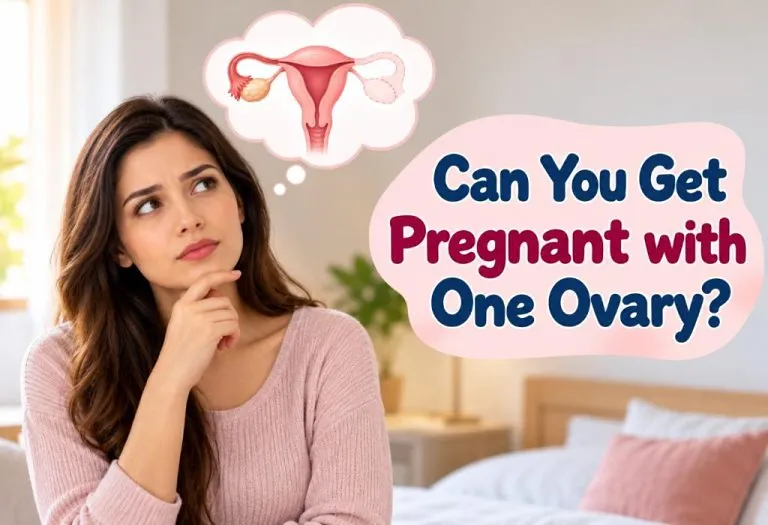
Can you get pregnant with one ovary? For most women, the answer is yes. In many instances, getting pregnant with one ovary is as normal as getting pregnant with two ovaries. Due to medical reasons, some women may have an ovary surgically removed, while others may be born with a single ovary. If the ovary removal procedure damages a woman’s fallopian tubes or leads to the removal of one or both fallopian tubes, a woman may have difficulty in getting pregnant. In this case, you should talk to your doctor. But if the fallopian tubes are fine, then a woman with a single ovary may respond well to fertility treatments and will not have any fertility issues.
What Are the Reasons for Ovary Removal?
Unilateral oophorectomy is a surgical procedure for the removal of one or both ovaries (1). Fallopian tubes are also removed in many cases. Most of the time, oophorectomy and hysterectomy are done together. The removal of both ovaries is not necessary if at least one of the ovaries is functioning correctly. But in the following conditions, your one ovary might be removed (2).
1. Ovarian Cysts
Fluid-filled sacs on the surface or in an ovary is called ovarian cysts. Many women having ovarian cysts show no symptoms, but women with large cysts or polycystic ovarian syndrome (PCOS) might show signs other than pain. In such a case, your ovary might be removed (3).
2. Ovarian Cancer
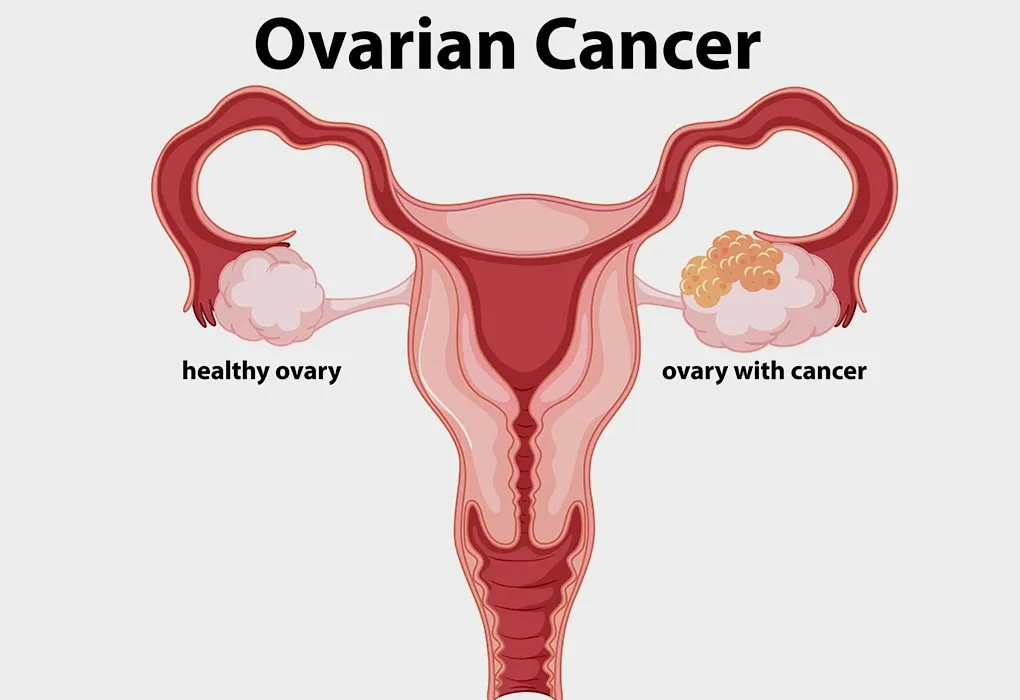
Ovarian cancer begins in the ovary when the cells are mutated and multiply in an uncontrolled manner. Women with a family history of breast cancer or ovarian cancer are more susceptible to ovarian cancer. Thus, ovarian cancer may make a woman consider removing her ovaries (4).
3. Endometriosis
During the menstrual cycle, the lining inside the uterus sheds and emerges out of the vagina, which is termed as period. However, this does not happen if a woman has endometriosis. In endometriosis, the uterine lining or the uterus tissues grow out of the uterus. If the uterine tissue reaches the ovaries, women experience pain, which may lead to the removal of the ovaries (5).
4. Abscess
In many cases, due to infection, a pocket of pus gets formed in the ovary – this is called an abscess. In such a case, a woman’s ovary might have to be removed.
Can Women Get Pregnant With One Ovary?
Women with one ovary, either because of birth or surgery for ovary removal, can still get pregnant. As long as the ovary still in the body is producing healthy eggs for the fusion of healthy cells, the chances of getting pregnant with one ovary are the same as with two. In fact, you can still get pregnant if you have one fallopian tube and one ovary (6). Another factor pregnancy depends upon is the age of the mother. Women with age above 40 might have a little difficulty in conceiving with one ovary.
Effects on Fertility With One Ovary
Can a woman with one ovary get pregnant? Yes, the chances of getting pregnant with one ovary are equal to the chances of getting pregnant with two ovaries. What plays an important role in fertility is the reason for the removal of the ovary. Pregnancy with one ovary risks the chances of fertility. Yes, if the ovary had to be removed due to serious conditions, then it lowers the chances of fertility.
The most significant aspect of getting pregnant with one ovary is that it should be next to a healthy fallopian tube. Fallopian tubes hang near the ovaries and are not attached to them. Their primary role is to catch the egg when it is released from the ovaries. If the egg can reach the uterus through the tube, then there is no fertility problem.
Every month the ovaries release the egg alternatively. If only one ovary is present, an egg is still normally released every month. If the ovary is not adjacent to the fallopian tube, as long as it is healthy, the egg can reach the tube. Through this tube, the egg reaches the uterus. However, this increases the chances of an ectopic pregnancy.
How to Get Pregnant With One Ovary?
One ovary pregnancy can seem tricky but it is certainly not impossible. Ovulation takes place normally in most women with a single ovary, and these women have no other problems in getting pregnant, although some women might have some fertility issues because they ovulate less frequently. When a woman with one ovary who wishes to conceive a child has concerns about her condition, she should talk to a doctor. Follow these steps to get pregnant.
Step 1
Visiting your doctor is the first step. Your doctor may suggest an ultrasound to check whether the single ovary is functioning properly. With the help of an ultrasound, your doctor will confirm if the ovary is releasing eggs at the right time or not. Other tests will also be done to make sure that you don’t face any other complications that might impair fertility.
Step 2
Keep a calendar handy while trying to get pregnant. Mark in your days of ovulation. Women usually ovulate between days 11 and 21 of their menstrual cycle, counting from the first day of their last menstrual cycle.
Step 3
Look for the signs of ovulation. You will experience a change in cervical mucus. During ovulation, your basal body temperature may increase. So, do not miss these signs.
Step 4
The sperm can survive in a woman’s body for several days while the eggs can survive only less than 24 hours after ovulation. So, have sexual intercourse when you are ovulating or even before that, this will increase the chances of getting pregnant.
Step 5
Yes, it will be hard for you to wait to see those blue lines on a pregnancy stick but wait a little more. Take pregnancy tests two weeks after ovulation. If the result is negative, repeat the process in the next menstrual cycle. It may take you several months to conceive but don’t get disheartened; keep trying. However, if you cannot get pregnant within 6 to 12 months, visit a doctor again.
Fertility Treatment Options For Women with One Ovary
When the pregnancy is delayed due to several medical factors, pregnancy treatment options can be employed. The following are the known assisted treatment options for women with one ovary:
1. Ovulation Induction
This process is usually the starting point for women whose remaining ovary isn’t releasing eggs regularly. Oral medications such as clomiphene citrate or letrozole, or injectable gonadotropins (FSH-based drugs), are used to stimulate the ovary to mature and release an egg on a predictable schedule. These medications stimulate the ovaries to produce eggs during the treatment cycle.
2. Intrauterine Insemination (IUI)
Intrauterine insemination (IUI), often combined with ovulation induction, is a common next step. IUI can be paired with medications to help stimulate ovulation and improve the chance of pregnancy.
3. In vitro fertilization (IVF)
IVF is recommended when ovulation induction and IUI haven’t worked or when the when the cause of infertility is advanced (tubal blockage, severe male-factor infertility, or diminished ovarian reserve), requiring more advanced intervention (1).
How to Improve the Chances of Getting Pregnant With One Ovary?
To improve your chances of conceiving with one ovary, here are some suggestions to follow (7):
- Eat food rich in antioxidants and folic acid. Make sure your diet is rich in foods containing folic acid, non-dietary fatty acids, vitamins, low-pesticide fruits and vegetables, whole grains, seafood, and dairy (8).
- Quit alcohol consumption, smoking, and recreational drugs.
- Exercise regularly.
- Maintain a healthy weight.
- Have vaginal intercourse by tracking your fertility window.
- Avoid direct contact with pesticides and harmful chemicals and pollutants.
- If you have a doubt or dilemma regarding your pregnancy, speak freely to your obstetrician.
- Maintain your pre-pregnancy weight (9). Stay away from overeating or excess junk food.
- Keep your stress levels low. You can meditate, do yoga, or pursue your hobby to keep your stress low.
- Sleep well on time and for a minimum of 8 hours.
What Is the Success Rate of Pregnancy with One Ovary?
There is no “fixed” success rate of pregnancy with one ovary as it the chances of conception vary significantly depending on whether we’re talking about natural conception or assisted reproduction. Also, the number of eggs is not the second factor; hormonal balance, age, fertility, and reproductive health also matter.
Women undergone ovarian surgery for cysts or endometriosis have a slightly reduced chance of getting pregnant, depending on the severity of the scarring or damage inside.
When to Consult a Doctor?
The following cases require you to consult a fertility specialist if you are trying to get pregnant with one ovary:
- You are under the age of 35 and have been persistently trying for pregnancy for the last 12 months without any success.
- You are 35 years or older and have been planning for pregnancy for the last 6 months or more.
- You have irregular or absent menstrual cycles.
- You have a history of recurrent miscarriages.
- You have a history of pelvic surgery or infection, or endometriosis.
- Your one fallopian tube is either blocked or damaged.
- Suspected male partner’s fertility issues are affecting the chances of pregnancy
FAQs
1. Can I get pregnant without ovaries?
No, you cannot conceive naturally without ovaries. To conceive without both ovaries present, you can opt for the in-vitro fertilisation method.
2. What is left ovary pregnancy, and how can I conceive a baby from the left ovary?
If the egg released from the left side of the ovary gets fertilised in the uterus, it is called left ovary pregnancy. Although there is a higher chance of getting pregnant from the right ovary than the left one when both ovaries are intact, a left ovary pregnancy is also possible in case one ovary is left (10).
3. Is it hard to get pregnant naturally with one ovary?
Yes, it is possible to conceive naturally with one ovary, but one may or may not experience some delays or difficulties, depending on the health of the ovary. If the ovary is fine, there might be no problem, and vice versa.
4. If I have one ovary, will it continue to produce eggs monthly?
Yes, the remaining ovary will typically release the eggs every month.
See your OBGYN or fertility specialist about possible treatments if you have been trying to get pregnant without success for more than 6 months. Your doctor may suggest that you go for fertility treatments, but the good news is that you will get pregnant. So, don’t lose hope and keep trying!
Also Read:
Do Ovary Size Matter To Get Pregnant?
Ovarian Follicle and Its Role in Fertility
Chances of Pregnancy Before, During and After Periods
Was This Article Helpful?
Parenting is a huge responsibility, for you as a caregiver, but also for us as a parenting content platform. We understand that and take our responsibility of creating credible content seriously. FirstCry Parenting articles are written and published only after extensive research using factually sound references to deliver quality content that is accurate, validated by experts, and completely reliable. To understand how we go about creating content that is credible, read our editorial policy here.
1. Cleveland Clinic – Oophorectomy
2. Mayo Clinic – Oophorectomy (ovary removal surgery)
3. Cleveland Clinic – Ovarian Cysts
4. Ovarian Cancer Research Alliance – Stages of Ovarian Cancer
5. Office on Women’s Health – Endometriosis
6. Mayo Clinic – Fallopian tubes: Is pregnancy possible with only one?
7. Mayo Clinic – How to get pregnant
8. BCMJ – Optimizing fertility Part 1: Evidence-based lifestyle changes
9. Mayo Clinic – Female fertility: Why lifestyle choices count
10. Oxford Academic – Right-sided ovulation favours pregnancy more than left-sided ovulation
- Author
- Expert Reviewer