
Breastfeeding While Pregnant – Is It Safe?




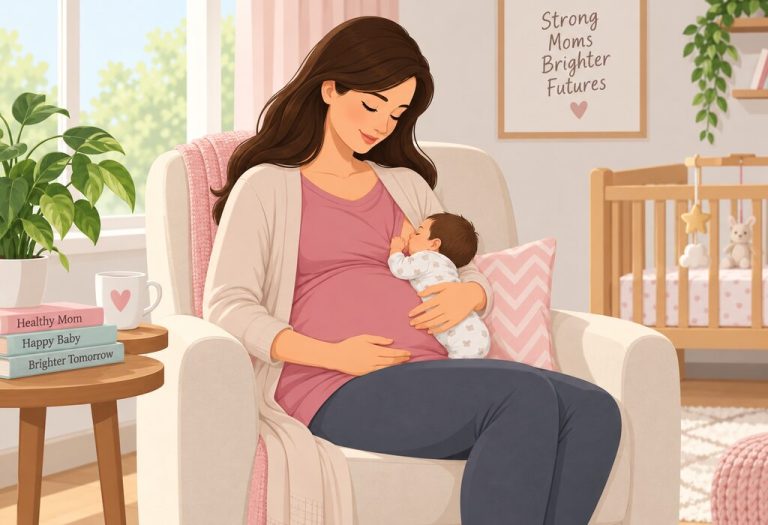
Giving birth and nurturing a little one can be one of the most rewarding experiences of motherhood. But what happens when you discover that you are expecting another baby while still breastfeeding your older child? Nursing while pregnant can bring a mix of feelings and concerns about the “what’s next?” If you are pregnant and breastfeeding, you may wonder about your milk supply, your nutritional needs and whether nursing could affect your unborn baby. For most people with a healthy, low-risk pregnancy, breastfeeding can continue, although individual circumstances matter. In this article, we discuss breastfeeding during pregnancy, the changes you may experience, how to effectively manage breastfeeding your baby during pregnancy, and when you should consult a doctor.
Is Breastfeeding Safe During Pregnancy?
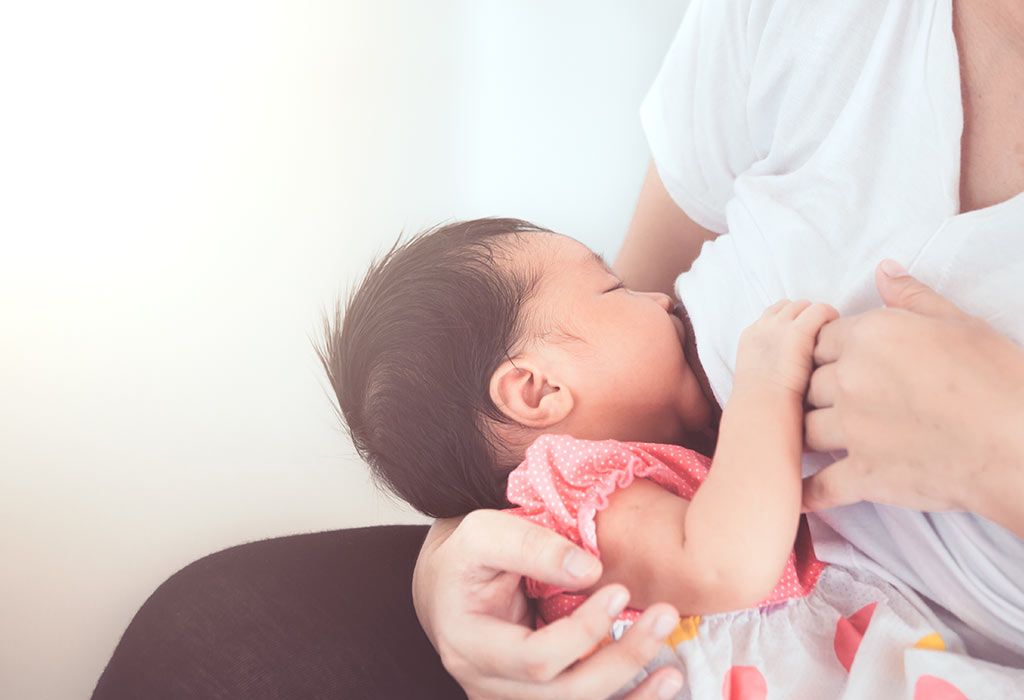
Women often search for “Can I breastfeed while pregnant?” “Can you nurse while pregnant?” Getting pregnant while you are still breastfeeding can be a new experience. The answer is yes, it ok to feed your baby during pregnancy unless you have been advised not to by your doctor. Breastfeeding is considered absolutely safe during pregnancy (1). Your body does not stop producing milk, which means that you may continue to feed your baby.
Sometimes women who have had a miscarriage in the past may not be advised to breastfeed. However, there is not enough scientific evidence to prove otherwise.
You should eat a well-balanced diet to support your unborn baby and your breastfeeding baby. Therefore, you should let your toddler reap the benefits of breastfeeding while pregnant because it is perfectly safe for you and your unborn baby (2).
Can Breastfeeding During Pregnancy Cause a Miscarriage?
Yes, you can safely breastfeed during pregnancy.
There are many myths about breastfeeding during pregnancy, and one of the myths is that it may cause miscarriage. The American College of Obstetricians & Gynecologists (ACOG) states that when you are breastfeeding, your body releases the same hormone, oxytocin, which is released by your body during labour to stimulate contractions (3). La Leche League GB further adds that the amount of oxytocin released by the breastfeeding mom is very low, and it is not sufficient to cause any kind of major contractions that may harm your unborn baby (4).
Therefore, you should not worry about any miscarriage risks if you are breastfeeding while pregnant. The pregnancy hormones do get transferred into your breast milk; however, it does not pose any threat to your baby. There are no substantial breastfeeding while pregnant risks, if you have a healthy pregnancy, and this study confirms it (5).
When Should You Not Breastfeed Your Baby During Pregnancy?
You may wonder when to stop breastfeeding when pregnant. Though breastfeeding during pregnancy is extremely safe for your toddler and also for your unborn child, your doctor may advise you whether you should wean off your toddler or not under the following circumstances (6):
- You are carrying twins or more babies.
- You are having uterine pain and bleeding.
- You have to refrain from having sexual intercourse during pregnancy.
- Your pregnancy is a high-risk pregnancy and may cause preterm labour.
- You are having problems in your first trimester.
- You have a history of early miscarriages
- You have had a previous preterm delivery
What Changes Take Place in Breast Milk While You Are Pregnant?
As you enter your fourth month of pregnancy, your breast milk composition will change. The mature milk will start getting thicker and turn yellow in colour; this is called colostrum. Colostrum is the milk that your newborn baby consumes after birth. However, sometimes toddlers may not like the taste and wean off on their own, but if your baby is fine with the changed taste, you may continue nursing your baby. Please note that your baby might latch on again later, and that is fine.
Benefits of Breastfeeding During Pregnancy
Here are some of the benefits of breastfeeding during pregnancy:
- Breastfeeding during pregnancy ensures that you keep sharing a special bond with your toddler.
- It helps in building your toddler’s immunity.
- It helps build a sibling bond between your toddler and unborn child because your toddler may adjust well to the new baby if he is already feeling secure and comforted.
- Some mothers feel less nauseous if they are breastfeeding during pregnancy.
Risks of Breastfeeding While Pregnant
If you are wondering what are the side effects of breastfeeding while pregnant, take a look at these issues or discomforts that may crop up during breastfeeding while pregnant:
1. Sore Nipples
As soon as you become pregnant, your body starts releasing progesterone and estrogen, the sex hormones that make your nipples and breasts sore. Thus, when you nurse your baby, you may feel that the pain and discomfort are intensified.
2. Hormonal Changes
Pregnancy takes a toll on your hormones, and you also experience changing hormones while you practise breastfeeding. Therefore, your body undergoes a lot of hormonal changes, which can make you more irritable while breastfeeding. Please note that this happens if you’re pregnant, irrespective of whether you’re breastfeeding or not.
3. Changes to the Breast Milk
It is possible that your breast milk colour, taste, and consistency will change. Even if you wish to continue breastfeeding, your little one might choose to wean on their own because of the changes in the breast milk (7).
4. Contractions
You may experience contractions while breastfeeding. This is because breastfeeding induces the hormone oxytocin, which helps induce contractions. Although the risk of going through preterm labour is less, you may want to consult your doctor if you have had a history of miscarriages or preterm deliveries.
How Many Calories Should You Consume If You Are Breastfeeding During Pregnancy?
To ensure both the babies, inside and outside the womb, have enough nutrition, you will need to amp up your calorie intake to maintain pregnancy and breastfeeding nutritional needs. In this case, it is recommended to consume an extra 650 calories per day if your baby is under 6 months and breastfeeding exclusively — an 500 calories per day if your little one is consuming solids as well as breastfeeding.
You may want to amp up your calorie intake by 350 calories in the second trimester and an extra 450 calories in the third. Breastfeeding during pregnancy can make you extra hungry, so this will be fine.
Follow a well-balanced diet with fresh fruits, vegetables, meat and dairy in the right amounts. Do not forget to drink an adequate amount of water because lack of water or dehydration may cause various complications during pregnancy.
If you experience nausea and morning sickness in your first trimester and find it difficult to eat extra calories, you may relax, as you can go without extra calorie intake in your first trimester.
Can Pregnancy Affect Breast Milk Supply?
If you find your milk supply is less than before or your milk supply reduces after you become pregnant, this may be due to the changing hormones in pregnancy. Here’s what you should be aware of about your milk supply during pregnancy:
- Your milk supply may reduce or drop as soon as you become pregnant or a little later in your pregnancy journey.
- If your nursing baby is less than a year old and your breast milk supply diminishes, you should talk to your baby’s doctor about it. Your doctor may recommend that you give formula milk to compensate for your baby’s milk requirements.
- If your baby is more than a year old, then it will be a good idea to include more solid food in his diet to make up for the reduced milk intake. You may continue to breastfeed your baby.
- In some cases, the reduced milk supply may make your baby irritable and fussy, and they may stop breastfeeding completely.
However, if your baby has adjusted well to the changed milk supply, is getting adequate nutrition from solid food and gaining enough weight, there is no requirement to add formula milk to your baby’s diet. But if your baby is not gaining weight and seems fussy, get in touch with your baby’s paediatrician.
What If You Are Not Able to Breastfeed Your Baby During Pregnancy?
If you are healthy, then you may continue to breastfeed your baby even during your pregnancy. However, sometimes due to certain health concerns, you may not be able to breastfeed your baby. Under such circumstances, you have to make up for your baby’s nutritional requirements through other sources. If your baby is under six months of age, you can start giving him formula milk. If your nursing baby is older than six months, then along with formula milk, you can also start giving solid food to your baby. Though the sudden transition may be difficult for your baby to cope with, gradually your baby will adjust well to it.
Tips to Keep in Mind When Nursing During Pregnancy
Here are some tips that you should keep in mind while nursing:
- Consume a well-balanced and healthy diet.
- Drink adequate water.
- Keep a check on your baby’s latching position to avoid sore nipples.
- Brace yourself to meet your toddler’s additional nutritional requirements due to your decreased milk supply.
- Try new positions for feeding as your pregnancy bump may make it difficult for you to feed.
- If you feel nauseous, keep a few snacks handy and eat them before you begin nursing.
- Make sure you check with your doctor if breastfeeding is safe for you during pregnancy.
FAQs
Here are some frequently asked questions or facts about breastfeeding during pregnancy:
1. Can breastfeeding affect the nutrition of a baby in the womb?
No. If you are eating a healthy and nutritious diet, your body can take care of you, your nursing baby and also your unborn child.
2. Will a breastfed baby get nutritious breast milk during pregnancy?
Yes. Your nursing baby will get adequate nutrition from your milk. However, your milk composition may change, and some of your pregnancy hormones may get into your breast milk, but it will not cause any harm to your nursing baby.
3. Can you wean your baby during pregnancy?
Weaning your breastfeeding child after you have become pregnant is a personal decision. It is wise to connect with an OB-GYN for personalised guidance.
4. What is tandem nursing?
Tandem nursing involves breastfeeding two babies of different ages – a newborn and a toddler. Tandem nursing is totally safe and normal.
However, if you have any complications in your pregnancy, you should consult your doctor about breastfeeding your baby.
Also Read:
Nipple Care during Pregnancy
Can You Get Pregnant while Breastfeeding?
Myths & Facts about Breastfeeding while Pregnant
Was This Article Helpful?
Parenting is a huge responsibility, for you as a caregiver, but also for us as a parenting content platform. We understand that and take our responsibility of creating credible content seriously. FirstCry Parenting articles are written and published only after extensive research using factually sound references to deliver quality content that is accurate, validated by experts, and completely reliable. To understand how we go about creating content that is credible, read our editorial policy here.
1. ScienceDirect – Breastfeeding during pregnancy: A systematic review
3. American College of Obstetricians & Gynecologists – Breastfeeding Your Baby
4. La Leche League GB – Pregnant and Breastfeeding
5. National Library of Medicine – Does breastfeeding induce spontaneous abortion?
6. UT Southwestern Medican Center – Can I breastfeed during pregnancy?
7. La Leche League International – Breastfeeding during pregnancy and tandem nursing
- Author