
10+ Interesting Electric Eel Facts for Kids
Fun and interesting electric eel facts for kids that spark curiosity teach science basics and make learning about ocean life exciting.




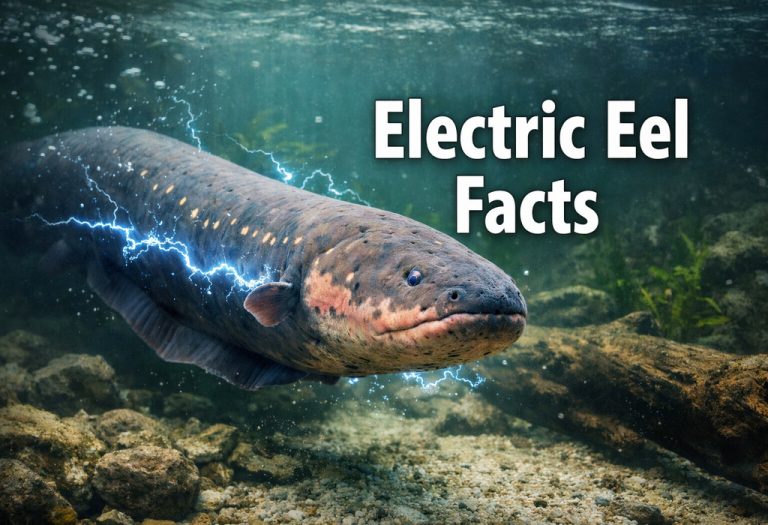
Image Source: AI-Generated Image
Electric eels are the kind of animal that makes kids’ eyes go wide with excitement. A fish that can produce electricity? That sounds like a superhero straight out of a comic book—but it’s 100% real! These shocking creatures live in slow, muddy rivers, and people have been fascinated by them for hundreds of years. But electric eels aren’t just about zapping things. Their bodies, behaviour, and survival tricks are packed with clever adaptations that help them thrive in tough environments where many other animals wouldn’t stand a chance.
This article is written especially for young readers and parents who love sharing cool nature stories together. You’ll discover how electric eels hunt, breathe, communicate, and even protect themselves. Along the way, we’ll clear up common myths and explain things in a simple, friendly way. If you’ve ever searched for electric eel facts that are fun, accurate, and easy to understand, you’re in the right place. Let’s dive into the world of one of nature’s most surprising creatures.
What Is an Electric Eel?
An electric eel is a long fish that lives in slow rivers and muddy waters, mostly in South America. It is known for its ability to make electricity to survive and protect itself (1). This may sound scary at first, but for the eel, it is simply a natural tool like claws or sharp teeth. Learning what an electric eel is helps kids understand how amazing and clever nature can be.
Different Types of Electric Eels
For a long time, people thought there was only one kind of electric eel. Turns out, nature had a few surprises hiding underwater! Here are a few of the fascinating types of electric eels you’ll get to meet next (2) (3):
1. Electrophorus electricus
This is the most well-known electric eel and the one found in many books and classrooms. It lives mainly in the Amazon River basin. Its electric shocks are strong enough to defend against predators and stun prey.
2. Electrophorus voltai
This type is famous for producing the strongest electric shock of all electric eels. It lives in the deeper parts of the Amazon, where survival can be tough. Scientists were amazed to discover just how powerful it really is.
3. Electrophorus varii
This electric eel prefers slightly different river systems in South America. Its electric power is lower than the others, but still very effective. It shows that even quieter animals have smart ways to stay safe and fed.
How Do Electric Eels Make Electricity?
At first, it feels hard to believe that an animal can produce electricity on its own. Electric eels do this naturally as part of their everyday life. They are not trying to be dangerous; it is simply how their bodies work. Once you understand the process, it feels less scary and more fascinating (4).
- Most of an electric eel’s body is made of special electric organs.
- These organs contain thousands of tiny cells called electrocytes.
- Each electrocyte works like a small battery.
- When the eel wants to make electricity, the cells activate together.
- The tiny charges line up and create a strong electric pulse.
- The eel controls how strong the shock needs to be.
Where Do Electric Eels Live?
Electric eels live in warm freshwater where the water moves slowly. They are most often found in muddy rivers, streams and swamps where vision is poor. These places may seem uncomfortable to us, but they suit electric eels very well. Living there allows them to use electricity to sense the world when sight is not enough.
Most electric eels live in South America, especially around the Amazon River basin and nearby river systems (5).
What Do Electric Eels Eat?
Electric eels eat other animals found in the rivers where they live. They are patient hunters and do not rush their meals. In dark water, food is not always easy to find, so they rely on smart methods. Their diet changes as they grow, which helps them survive at every stage of life.
Young electric eels mostly eat small insects and tiny fish. As they grow bigger, they move on to larger fish, frogs, and small water animals (5).
Why Don’t Electric Eels Shock Themselves?
This is a question many kids ask, and it makes a lot of sense. Electric eels produce strong electricity, yet they stay safe. Well, their bodies are built in a way that guides the electric current outward. This smart design lets them use their power without hurting themselves.
The eel’s thick skin and special tissues act like natural protection. The electricity flows around the body instead of through important organs.
Can Electric Eels Hurt or Kill Humans?
This question often comes from worry and curiosity, and that is completely natural. Electric eels do not attack people on purpose and usually try to avoid humans. Most encounters happen by accident when someone steps near one in shallow water. Learning the facts helps replace fear with calm understanding and respect.
Electric eel information shows that their shock can be painful and may cause muscle spasms. In rare situations, repeated shocks can be dangerous, especially in water. This is why it is always best to keep a distance and let the eel live peacefully in its natural home (4).
Are Electric Eels at Risk of Extinction?
Electric eels are not often talked about when people think of endangered animals. Even so, their lives are closely tied to the health of rivers and wetlands. When water becomes polluted, or rivers are damaged, their homes shrink. This makes it harder for them to survive and find food.
Some types of electric eels are more at risk than others. Protecting rivers, forests and clean water helps keep electric eels safe, along with many other animals.
Other Cool Facts About Electric Eels
Electric eels have many surprising traits beyond their famous shocks. Electric eel fun facts help kids discover small details that spark curiosity instead of fear. These animals are quite clever and well-adapted to their environment. Simple discoveries can turn interest into real respect for wildlife.
- Electric eels can grow up to nine feet long (1). Their long bodies help them move smoothly through muddy water.
- Most of an electric eel’s body is made for producing electricity. This special design helps it survive in dark rivers.
- Electric eels live only in freshwater environments. They are never found in oceans or salty seas (4).
- Electric eels can produce weak electric signals. These help them sense objects around them like a natural radar.
- Strong electric shocks are used for hunting or defence. The eel does not use this power unless it needs to.
- Electric eels must breathe air to stay alive. They come to the surface often, which is unusual for fish (5).
- Electric eels have poor eyesight. Electricity helps them understand their surroundings better than vision.
- Baby electric eels can already produce small electric signals. This helps them survive even when they are young.
- Electric eels are usually calm animals. They prefer avoiding trouble instead of fighting.
- Electric eels rest quietly during the daytime. They become more active when it gets darker.
- Electric eels can communicate using gentle electric pulses (5). This helps them interact without causing harm.
- Electric eels can live for many years in the wild. A stable environment helps them live longer and healthier lives.
Electric eels show us that nature can be powerful and gentle at the same time. What seems scary at first is often just a clever survival tool doing its job. These amazing animals play an important role in keeping river ecosystems healthy and balanced. The more we understand them, the more likely we are to care about protecting their homes.
Also Read:
Facts About Light for Kids
Facts About Space for Kids
Facts About Science for Kids
Was This Article Helpful?
Parenting is a huge responsibility, for you as a caregiver, but also for us as a parenting content platform. We understand that and take our responsibility of creating credible content seriously. FirstCry Parenting articles are written and published only after extensive research using factually sound references to deliver quality content that is accurate, validated by experts, and completely reliable. To understand how we go about creating content that is credible, read our editorial policy here.
- Author
 About the Author








.svg)