

14 Interesting Cow Facts That You Should Know About
Fascinating cow facts packed with surprising details, unique habits, and farm insights that make learning about cows truly engaging.




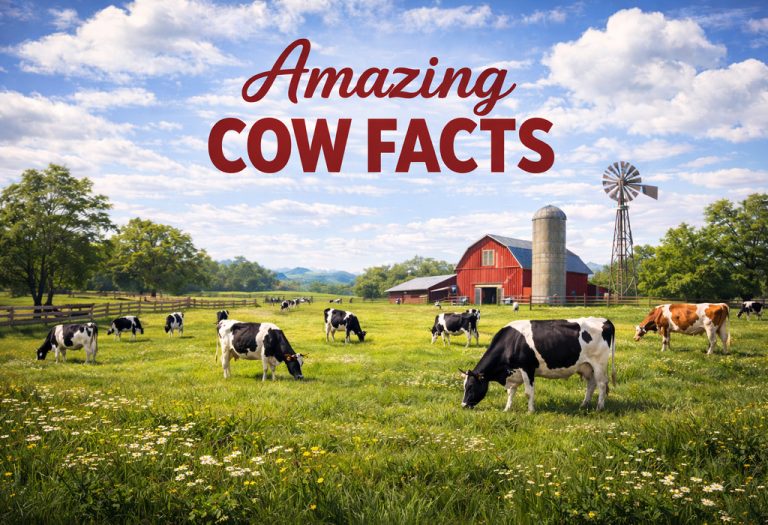
Image Source: AI-Generated Image
Cows are one of the most common animals in the world, but many people can only view them from afar as they drive by farms. But when you spend even a little time around them, you start to realize their personalities, behavior patterns, and intelligence. Whether you’re a parent trying to teach your child about farm life, a student looking for information about agriculture, or simply a person who loves to learn about animals, delving into cow facts can be a great way to learn more about these gentle giants. Many also look for facts about cows for preschoolers and kids, because the cow is often the first exposure to farming, milk, and nature that a child will have. In addition to their use in food production, cows have significant cultural, ecological, and emotional value worldwide. This guide will explore the interesting, little-known facts that show just how complex, valuable, and interesting cows
What Is a Cow?
A cow is a gentle farm animal that belongs to the cattle family and has lived alongside humans for thousands of years. People usually use the word cow to describe an adult female cattle, though in daily life, many refer to all cattle this way. Cows are raised for milk farming, and in many places, they are respected as an important part of rural life. When you spend time around cows, you notice their calm eyes, slow movements, and the quiet comfort they bring to farms and open fields.
Where Do Cows Live?
Cows live in many parts of the world, and they can adapt to different climates and landscapes. Most cows stay on farms where they have open fields, fresh grass, clean water, and shelter from heat or rain. In rural areas, you often see cows moving slowly across green pastures, which feels peaceful and familiar. Farmers care for their living space every day because a comfortable environment helps cows stay healthy, calm, and productive.
What Do Cows Like to Eat?
Cows are known to love fresh grass, which is their favorite food. Farmers also provide them with hay, grains, and mineral supplements to keep them healthy and strong. You can observe that cows tend to chew their food for a long time since their stomach is capable of breaking down tough plant food. Watching a cow eat in a peaceful field is very relaxing, and it teaches us that taking care of animals is very easy.
Behavior of Cows
Cows are calm social animals that feel safe when they stay with their herd. Their behavior shows emotions like curiosity, comfort, stress, and affection in simple ways that farmers learn to read over time. When you spend time around cows, you notice their slow rhythm, gentle sounds, and quiet communication with each other. Understanding their behaviour helps people care for them better and build trust instead of fear.
1. They stay close to their herd
Cows feel secure when they are surrounded by other cows. Being alone can make them anxious and restless. Staying together helps them move, feed, and rest in a peaceful way.
2. They build friendships
Cows often choose certain companions and spend most of the day near them. Friends eat, walk, and rest side by side. When separated, they can show signs of stress, which shows emotional bonding.
3. They communicate through sounds
Mooing is not random, and each sound can carry meaning. A mother calling her calf sounds different from a cow asking for food. Farmers learn to understand these small differences over time.
4. They use body language
Ear movement, tail swishing, and posture reveal how a cow feels. A relaxed cow stands calmly and chews slowly. Sudden stiffness or fast tail movement can signal discomfort.
5. They enjoy routine
Cows feel calm when daily activities happen at the same time. Regular feeding and milking reduce stress and improve health. Even small changes in schedule can make them unsettled.
6. They show curiosity
Cows often walk toward new objects or visitors to observe quietly. They sniff and look carefully before feeling comfortable. This gentle curiosity is a sign of their awareness.
7. They care deeply for their calves
Mother cows stay very close to their young and respond quickly to their calls. They lick their calves to clean and comfort them. This bonding helps the calf feel safe in its early days.
8. They rest for long hours
Resting is important for digestion and overall health. Cows lie down many times a day while chewing cud. A comfortable resting space keeps them relaxed and productive.
9. They remember people
Cows recognize regular caregivers through voice, smell, and routine. Gentle handling builds trust over time. Rough treatment can make them fearful, which shows their strong memory.
10. They react to stress
Loud sounds, sudden movement, or overcrowding can cause stress. A stressed cow may stop eating or move nervously. Calm surroundings help them return to normal behaviour.
11. They groom each other
Cows lick each other as a sign of comfort and bonding. Grooming often happens between friendly cows. It helps keep their skin clean and strengthens social connections.
12. They follow leaders
Within a herd, one confident cow often guides movement. Others follow when it is time to walk, eat, or return to shelter. This natural leadership keeps the group organized and safe.
How Do Cows Adapt to Their Environment?
Cows are strong animals that slowly adjust to the places where they live. Whether the weather is hot, cold, dry, or rainy, they find ways to stay comfortable with support from farmers. Their body behaviour and feeding habits all help them handle changes around them. Watching cows adapt reminds us how nature teaches patience, balance, and quiet resilience.
1. Thick skin protects them
Their skin helps protect against the sun, insects, and rough weather. It acts like a natural shield that supports daily outdoor life.
2. Coat changes with the climate
In colder regions, cows grow thicker hair to stay warm. In warmer places, their coat stays lighter to release heat.
3. Efficient digestion of rough food
Cows can digest grass and plant material that many animals cannot. This allows them to survive even where food choices are limited.
4. Seeking shade and shelter
Cows naturally move toward trees, sheds, or shade during strong heat. This behaviour prevents stress and keeps their body temperature steady.
5. Drinking large amounts of water
Water helps cows regulate heat and support digestion. They drink more during hot weather to stay hydrated.
6. Resting patterns change with the weather
In hot conditions, cows rest during the day and become more active later. This simple shift helps them conserve energy.
7. Social movement as a herd
Moving together helps cows find food, water, and safe resting areas. Herd behaviour also protects weaker animals from stress.
8. Human care supports adaptation
Farmers provide shelter, balanced feed, and health care based on the climate. This partnership between people and animals makes adaptation smoother and safer.
How Long Do Cows Live?
Cows can live for many years when they are cared for with proper food, shelter, and medical attention. On average, a cow lives between fifteen and twenty years, though this can vary by breed, environment, and purpose. Farm conditions, daily care, and health support all play a big role in their lifespan. When cows are allowed to live naturally in calm surroundings, they often show steady ageing with the same gentle presence that people notice throughout their lives.
Do Cows Have Any Natural Predators?
Cows are large animals, so adult cows are usually safe in farm settings. In the wild or open grazing areas, some predators can still pose a threat, especially to calves. Learning about predators helps farmers protect their animals and plan safer grazing spaces. Understanding these realities is part of real-life farming and adds depth to the facts of cows that people often do not think about.
1. Wolves can hunt cattle
Wolves mainly target weak or young animals rather than strong adults. They move in packs, which increases their hunting success. Farmers use fencing, lights, and guard animals to reduce risk.
2. Big cats may attack calves
Lions, tigers, and leopards sometimes prey on cattle in regions where habitats overlap. Calves are more vulnerable because they are smaller and slower. Close supervision and night shelters help protect them.
3. Bears occasionally threaten livestock
Bears usually search for easy food and may approach farms near forests. They rarely attack healthy adult cows but can disturb herds. Noise barriers, fencing, and human presence help keep bears away.
4. Coyotes target newborn calves
Coyotes often hunt alone or in small groups and look for newborn animals. Their attacks are more common in open grazing lands. Farmers watch closely during calving season to prevent loss.
5. Stray dogs can cause stress and injury
Groups of stray dogs sometimes chase cattle, which creates fear and panic. Even without serious attacks, this stress can affect health and milk production. Community control and secure fencing reduce these incidents.
6. Human protection lowers predator risk
Modern farming methods provide shelter, monitoring, and veterinary care. These steps make predator attacks less common than in the past. The relationship between farmers and cows plays a big role in keeping herds safe.
Are Cows Dangerous to Humans?
Cows are generally gentle animals, and most human interactions with them are calm and safe. Problems usually happen when cows feel scared, protective, or confused by sudden movement. Understanding their behaviour helps people stay respectful and avoid risky situations. Spending quiet time around cows shows that patience and space create trust.
1. Protective mothers can react strongly
Mother cows become very alert when someone goes near their calf. This reaction comes from instinct rather than aggression. Giving distance helps the cow feel safe and prevents sudden movement.
2. Fear can lead to unpredictable movement
Loud noise, fast actions, or unfamiliar people can make cows nervous. A frightened cow may run, push, or try to escape. A calm approach and slow movement reduce this risk.
3. Large size can cause accidental injury
Cows are heavy animals, so even gentle movement can knock someone off balance. Most incidents are unintentional rather than aggressive. Being aware of their space helps avoid accidents.
4. Bulls are more territorial
Male cattle can show stronger defensive behaviour, especially during the breeding season. They may react to perceived threats quickly. Proper fencing and experienced handling keep people safe.
5. Safe handling builds trust
Regular gentle interaction helps cows become comfortable around humans. Farmers use routine voice and calm presence to create familiarity. Trust lowers stress for both animals and people.
Are Cows Endangered?
Cows as a species are not endangered because they are widely raised across the world for farming and rural livelihoods. However, some traditional and native cattle breeds are slowly declining due to changing farming practices and loss of grazing land. When older breeds disappear, we also lose genetic diversity, cultural heritage, and knowledge passed through generations. Caring for local breeds, supporting responsible farming, and valuing animal welfare help ensure cows continue to be part of everyday life in a balanced and respectful way.
Fun Facts About Cows
Cows have many little surprises that make learning about them a pleasure for kids and adults alike. These little surprises make ordinary farm scenes into special memories and create many cool facts that people just love to share. Learning about cows is also important for parents and teachers who search for cow facts for kindergarten, because animal stories help kids connect with nature in a warm way.
- Cows have an excellent sense of smell and can recognize familiar people from a distance.
- They chew cud for hours, which helps them digest grass slowly and comfortably.
- Each cow has a unique nose pattern similar to human fingerprints.
- Cows can sleep while lying down, but they can also doze while standing.
- They enjoy listening to calm music, which can help them feel relaxed.
- Cows form friendships and prefer staying close to their favorite herd mates.
- A cow can drink large amounts of water in a single day, especially during hot weather.
- They have almost panoramic vision, which helps them notice movement around them.
- Calves can stand and walk within a few hours after birth.
- Cows use gentle licking as a way to bond and comfort each other.
- Some cows show excitement during feeding time and may run or jump playfully.
- Their stomach has four compartments designed for digesting plant food.
- Cows remember routines and often walk to feeding or milking areas on their own.
- Spending quiet time around cows can feel calming because of their slow, steady rhythm.
At first, cows may appear to be quite simple, but they live complex emotional and social lives. Learning about cow behavior patterns and needs helps people appreciate farm animals and country life. From their kindness to their adaptability, cows are the silent contributors to human society every day. Details as small as whether they make friends or follow a routine help people remember that cows feel comfort, stress, and friendship just like humans do.
Also Read:
Exciting and Fun Facts About Animals for Kids
Facts and Information About Gravity for Kids
Interesting Facts about India for Kids
Was This Article Helpful?
Parenting is a huge responsibility, for you as a caregiver, but also for us as a parenting content platform. We understand that and take our responsibility of creating credible content seriously. FirstCry Parenting articles are written and published only after extensive research using factually sound references to deliver quality content that is accurate, validated by experts, and completely reliable. To understand how we go about creating content that is credible, read our editorial policy here.
- Author
 About the Author
Ruchelle Fernandes
Related Articles
-

Tips to Help A Child Hold A Pencil Correctly
-
Amazing Fish Facts for Kids
-
Letter S Tracing Worksheets - Free Printables To Learn
-
75 Open-Ended Questions for Kids to Develop Their Speech and Verbal Skills
-
Why and How You Should Teach Your Mother Tongue to Your Child
-
List of Government Schemes for School Education in India








.svg)