
Excessive Saliva in Pregnancy: Causes & Treatments





Medically Reviewed By
Dr. Sabiha Anjum
(Gynecologist/Obstetrician)

This health content has been medically reviewed by qualified experts and follows the FirstCry Parenting editorial policy to ensure accuracy and reliability.
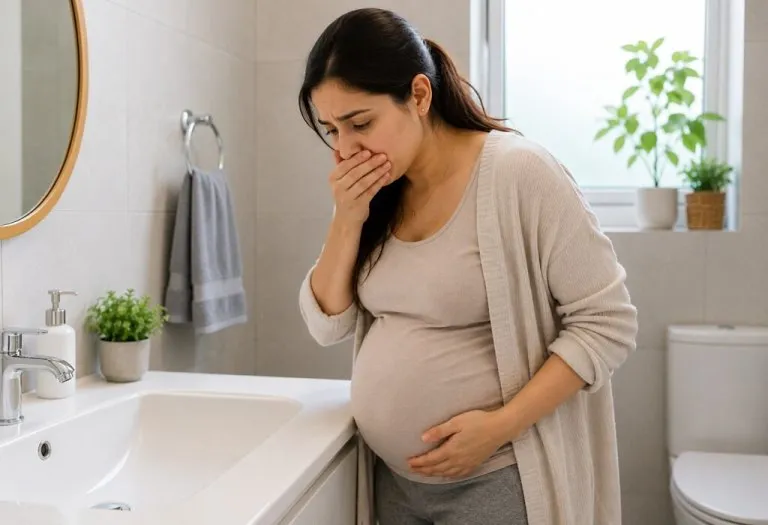
Excessive saliva in pregnancy is an uncommon but pesky symptom that affects some women, especially during the first trimester. Also known as ptyalism gravidarum, this condition causes the mouth to produce more saliva than usual, and is usually experienced by pregnant women who have morning sickness. Although it’s uncomfortable and interferes with eating, sleeping, and daily activities, according to a 2018 study published in the Israel Medical Association Journal, excessive saliva during pregnancy is generally harmless for both mother and baby (1). Learning why this happens and how the symptoms can be managed can make pregnancy more comfortable. To learn more about ptyalism in pregnancy or excessive saliva in pregnancy, read this article. The article details the topic of excessive saliva and pregnancy comprehensively, from causes to treatment options. Read on!
Is It Normal to Have Excess Saliva During Pregnancy?
Yes, it is perfectly normal to salivate a lot more than usual during pregnancy. Usually, the glands that produce saliva tend to generate approximately 400ml to 1 litre of saliva in an entire day. We know, that seems like a large amount, but it goes unnoticed since we constantly keep swallowing it throughout the day. However, during pregnancy, if a woman has excess saliva in her mouth, it could be because of increased saliva production or decreased swallowing tendency or a combination of both.
A few pregnant women may salivate intensely when they are nauseous. The saliva in such cases can make one feel like spitting it out.
When Does Excess Saliva Production Start During Pregnancy?
Some women may believe that excess saliva could be an early pregnancy symptom. However, excess production of saliva starts around the 2nd or 3rd week of the pregnancy and settles down around the end of the first trimester. For certain women, this condition continues throughout the pregnancy and up until the delivery. Experts believe that excess saliva production is the body’s way of protecting the mouth, throat, and teeth from the corrosive effects of stomach acid.
Causes of Salivation During Pregnancy
Some of the possible causes of excessive salivation during pregnancy are given below –
- Experts aren’t sure but one of the possible reasons for an increase in saliva during pregnancy is pregnancy hormones. Hormonal changes during pregnancy can lead to an increase in saliva production.
- The usual tendencies of morning sickness and nausea may prevent women from swallowing the saliva as the taste might make it unpleasant and even more nauseous. This leads to saliva build-up in the mouth.
- Producing excess saliva during pregnancy can be because of heartburn, which is a common problem during pregnancy. As the uterus expands to accommodate the baby and pushes the stomach, it can cause the stomach to push up its contents in the oesophagus, leading to a bad irritating and burning sensation. As a bodily reflex, the oesophagus causes the glands to produce more saliva in order to soothe the stomach acid and burning sensation.
- If the pregnant woman suffers from any oral infections such as tooth decay, cavities, dental caries or so, there is a chance of salivation increasing in such scenarios and being excessive.
- Being exposed to some toxic chemicals might cause the body to react in a manner of producing more saliva than usual.
- Specific medications namely anticonvulsants, lithium, tranquillizers, and so on, are known to react with the salivary glands causing them to produce excessive saliva.
- Various factors, including smoke, certain medications, contact with harmful substances like mercury and pesticides, and specific health issues, can lead to heightened saliva production.
Benefits of Increased Salivation
Some of the benefits of excess saliva production during pregnancy are given below –
- Increased salivation works directly in neutralizing stomach acids that can cause a burning or irritating sensation.
- Saliva in the mouth is a natural defence against bacteria that can harm the teeth.
- The major function of saliva is that it starts the digestion process right in the mouth, helping the stomach and intestine break down the food easily.
- With vitamin supplements or so, one may experience a dry mouth. Salivation helps keep the mouth lubricated and wet.
- Maintaining oral health is crucial during pregnancy. While nausea and vomiting may raise the risk of oral infections, excess saliva helps keep the mouth moist, wards off germs and halitosis, and acts as a defense against gum issues and tooth decay.
Treatments for Excessive Saliva While Pregnant
The problem of excessive saliva in the mouth is not serious, and you need not worry about the same. Ptyalism treatment during pregnancy is all symptomatic. That means there’s no particular cure, but doctors treat the symptoms to provide relief and lessen the production of saliva in your mouth.
- Try making some dietary changes such as removing carbohydrate-rich or starch-based foods from your diet.
- Visit your dentist and check for any infections that might be present in your mouth. Certain gum- related problems could result in excessive production of saliva.

- Re-plan your meal times by having smaller meals at frequent intervals.
- Brush your teeth often and use a mouthwash. Using a mouthwash intermittently through the day can help with the saliva.
- Drink plenty of water to keep your mouth wet. Keep a bottle handy and take small sips frequently. Not only will it keep your saliva in check but also keep you hydrated
- Chew sugarless gums or mints to help with the swallowing of saliva.
- Take an ice cube and suck on it for some time. Your mouth will feel numb and will produce less saliva for some time.
- Try chewing on lime or ginger to reduce the salivation. Consult your doctor for the same.
- Add a lot of crunchy and fibrous fruits and vegetables in your diet.
- If swallowing the saliva starts makes you nauseous, spit it out.
- When eating biscuits, go for dry and plain ones that help soak the saliva.
- If this escalates to severe vomiting, visit your doctor immediately to get medications for it.
Can You Prevent Excess Saliva During Pregnancy?
As much as one would like to know how to stop excessive saliva during pregnancy, unfortunately, there are no precautions, habits, or techniques that can help reduce the saliva production. It is just a phase, like pregnancy and all the other changes that your body undergoes, and will pass away with time. Do not overthink about it or let down your mood and be disgusted by what’s happening to you. It is natural, it is a bodily response, so don’t worry about it.
When Does Excessive Saliva Stop in Pregnancy?
If you are salivating excessively during pregnancy, obviously, you will be annoyed. But don’t worry, it’s just a symptom of pregnancy and should subside after the first trimester of pregnancy. However, this symptom may last longer in some women. If the same happens with you, don’t panic because it will subside after you give birth to your baby. But if you feel miserable, you can always check with your doctor and ask what can be done.
When to Consult the Doctor?
Excess saliva might seem extremely weird when it starts happening, but it is just as natural as morning sickness. Unless the salivation becomes too intense for you to lead a normal life or is combined with frequent episodes of vomiting, there is no reason to visit your doctor for it. They might help you put your mind to ease but on a medical level, there isn’t anything to worry about.
FAQs
1. Is saliva thick or watery during pregnancy?
Hormonal shifts in pregnancy can lead to the development of thicker saliva. In some cases, women may even experience hypersalivation in pregnancy, medically known as sialorrhea (2).
2. Is excessive saliva during pregnancy normal?
Yes. Excessive saliva, or ptyalism gravidarum, is an uncommon but recognised pregnancy symptom that most often occurs during the first trimester and usually improves as pregnancy progresses.
3. Can excessive saliva harm my baby?
No. Excessive saliva itself during pregnancy doesn’t harm the baby, but if it occurs with severe vomiting that leads to dehydration or weight loss, it may affect the health of the baby (3).
4. Does excessive saliva go away after pregnancy?
Yes. In most cases, excessive salivation resolves on its own after childbirth and often improves during the second half of pregnancy.
5. How can I reduce excessive saliva naturally at home?
You can reduce the frequency as well as intensity of excessive saliva naturally by trying some tricks and tips, such as taking frequent sips of water, chewing sugar-free gum, sucking on ice chips or sour candies, maintaining good oral hygiene, and eating small meals.
6. Are there any medical treatments available for excessive saliva while pregnant?
Research indicates clonidine hydrochloride is a potentially effective treatment for increased saliva in pregnancy. However, additional studies are needed to confirm its efficacy and safety in this context (4).
Extra saliva during pregnancy can seem a bit embarrassing, but you need not worry, it is a sign of pregnancy. It a natural response to the changes in your body and drooling or excessive saliva is nothing than a minor annoyance. Keep it at that and focus on the better parts of your journey through pregnancy.
Also Read:
Mouth Ulcers in Pregnancy
Bleeding Gums when Pregnant
Metallic Taste in Mouth during Pregnancy
Was This Article Helpful?
Parenting is a huge responsibility, for you as a caregiver, but also for us as a parenting content platform. We understand that and take our responsibility of creating credible content seriously. FirstCry Parenting articles are written and published only after extensive research using factually sound references to deliver quality content that is accurate, validated by experts, and completely reliable. To understand how we go about creating content that is credible, read our editorial policy here.
- Author
- Expert Reviewer