
Energy Drinks While Pregnant – Is It Safe?
Are energy drinks safe for expecting moms? Learn about their risks and healthier alternatives




Image Credit : AI Generated Image
Among the numerous health benefits of energy drinks, their ability to improve physical performance, mental concentration, and alertness is significant.
Anaemia associated with pregnancy can be caused by consuming energy drinks while pregnant, and these women frequently experience exhaustion and cannot perform at their highest levels. Excessive caffeine consumption has also been shown to be harmful to the fetus. While energy drinks are generally considered safe to consume in pregnancy, pregnant women should avoid these beverages because they can cause weight gain.
According to the labels of the majority of energy drink brands, pregnant and lactating women should refrain from consuming energy drinks to avoid complications. Continue reading to find out more information about energy drinks during pregnancy.
Can You Drink Energy Drinks While Pregnant?
Pregnant women should know the risks of consuming energy drinks containing potentially hazardous substances. Several issues are stating what happens if you drink energy drinks while pregnant. Likewise, too much sodium can cause swelling in the hands and feet; too much caffeine has been linked to growth restriction and a possible increase in certain conditions such as ADD or ADHD later in life; too much sugar can make you feel bad when it drops suddenly after digestion and contribute to weight gain, and too many calories or carbohydrates can contribute to excessive weight gain in children (1).
What Are the Components of Energy Drinks?
Energy drinks are popular beverages known for their stimulating effects, often consumed to enhance alertness and combat fatigue. While these beverages can provide a quick energy boost, it’s crucial to understand their components and potential health implications. Energy drinks typically contain the following components (2):
- Caffeine: A central nervous system stimulant that enhances alertness and reduces fatigue.
- Sugar: Provides a quick source of energy, but excessive consumption may have adverse health effects.
- Taurine: An amino acid that is naturally found in the body and may play a role in energy metabolism.
- B vitamins: Essential for various metabolic processes and energy production.
- Amino acids: Some energy drinks may include amino acids like L-carnitine or L-arginine, which are involved in energy metabolism.
- Herbal extracts: Certain energy drinks may contain extracts from herbs like ginseng or guarana, believed to have stimulant effects.
What Are the Risks of Having Energy Drinks When Pregnant?
When it comes to consuming energy drinks while pregnant, many expectant mothers are concerned about the potential risks. It is important to keep in mind that the consumption of energy drinks while pregnant may also have risks. So, why can’t you drink energy drinks while pregnant? Check out these hidden risks of having energy drinks when pregnant.
1. High in sugar content
Even though they are called “energy drinks,” these beverages are high in sugar, and Coca-Cola contains less sugar per 12-ounce cup than a standard energy drink, with significantly more sugar. This may increase the risk of gestational diabetes, preeclampsia, and congenital disabilities in infants and children during pregnancy and childhood. These dangers are particularly concerning because most energy drinks do not specify their sugar content, making it impossible to know precisely how much sugar you are consuming on a given day.
2. Caffeine
Caffeine serves as the primary active ingredient in energy drinks. A 24-ounce serving can contain up to 500 milligrams of caffeine, approximately the same as 5 cups of coffee on an average day. The caffeine content of these beverages can be extremely high, which can be harmful to the developing fetus (3). In addition to caffeine, energy drinks may contain other toxic substances, such as additives and colouring agents, which are not recommended for consumption during pregnancy.
3. Stimulant and diuretic properties
Caffeine has stimulant and diuretic properties, among other things. Coffee is a stimulant; it raises your blood pressure and increases your heart rate, and thus is not recommended during pregnancy. Caffeine also has the additional effect of increasing the frequency of urination, causing your body fluid levels to drop and leading to dehydration.
4. Caffeine enters the unborn child’s system
Caffeine crosses the placenta and enters the system of your unborn child. Your baby does not have the enzymes necessary to break down caffeine, even though the levels of caffeine you consume may be tolerable for you. In large doses, caffeine has the potential to cause changes to your unborn baby’s sleep pattern or typical movement pattern during the latter stages of pregnancy, especially if consumed in the first trimester. Remember that coffee is a stimulant and may cause both you and your baby to become restless due to its consumption.
5. Breakdown of caffeine slows with age
As pregnancy progresses, the adverse effects of caffeine become more apparent to you. The fact that your body’s ability to break down caffeine diminishes with age means that you end up with a higher concentration of caffeine in your bloodstream. To compensate for this, it takes nearly twice as long to eliminate caffeine from your system during your second trimester as it does when you are not pregnant. It takes approximately three times as long to complete the task during the third trimester of pregnancy. This means that more caffeine passes through the placenta and reaches your child, who is unable to properly digest it.
6. Additional considerations
There are other elements to consider. Several energy drinks contain B vitamins and herbs and plants, such as ginseng and guarana, frequently marketed as health-promoting nutritional supplements. However, these plants are best advised to be consumed “with extreme caution” to avoid any complications during pregnancy. Even though they are beneficial, taking a large number of B vitamins could have negative consequences.
7. Potential for Miscarriage and Low Birth Weight
High caffeine intake has been consistently linked to an increased risk of miscarriage and the baby being born with a low birth weight (4). Since energy drinks often contain very high and unregulated levels of caffeine, along with other stimulants, they pose a significant threat to the viability of the pregnancy and the baby’s healthy development.
8. Interference With Nutrient Absorption
The high levels of caffeine and other compounds in energy drinks for pregnant women can interfere with the body’s ability to absorb essential nutrients, most notably iron and calcium. Pregnancy already increases the demand for these nutrients, and impairment of their absorption can contribute to maternal anaemia and affect the development of the baby’s bones and teeth.
Healthy and Safe Energy Drinks to Take in Pregnancy
Pregnancy and energy drinks go hand in hand, and several alternatives are available to you. Are you looking for options for pregnancy-safe energy drinks? The following is a list of 12 DIY energy drink recipes that are safe to consume while pregnant.
1. Lemon juice
How to Make
If you have some freshly squeezed lemons on hand, you can quickly and easily make lemon juice by pressing the fruit. While pregnant, you should avoid drinking caffeinated beverages or sugary energy drinks to keep you going throughout the day. Lemon juice contains a high concentration of vitamin C, which serves as a powerful energy source for the body. Pour the juice of two lemons into a glass of cold water and whisk it together until it is well mixed. Use sugar, honey, or any other sweetener of your choice. If desired, sprinkle a pinch of salt.
2. Banana and Strawberry Smoothie
How to Make
If you make a banana and strawberry smoothie, it may serve as a healthy substitute for energy drinks, which are high in calories and may harm your child’s development. An estimated 230 additional calories per day are required by a baby, resulting in extra calories to be consumed by the mother. It would help to thinly slice the bananas and strawberries to prevent browning from occurring. Blend them well in a food processor, adding up to a cup of milk as needed to keep them from sticking together. You can add sugar or honey to make it sweeter.
3. Pomegranate Juice
How to Make
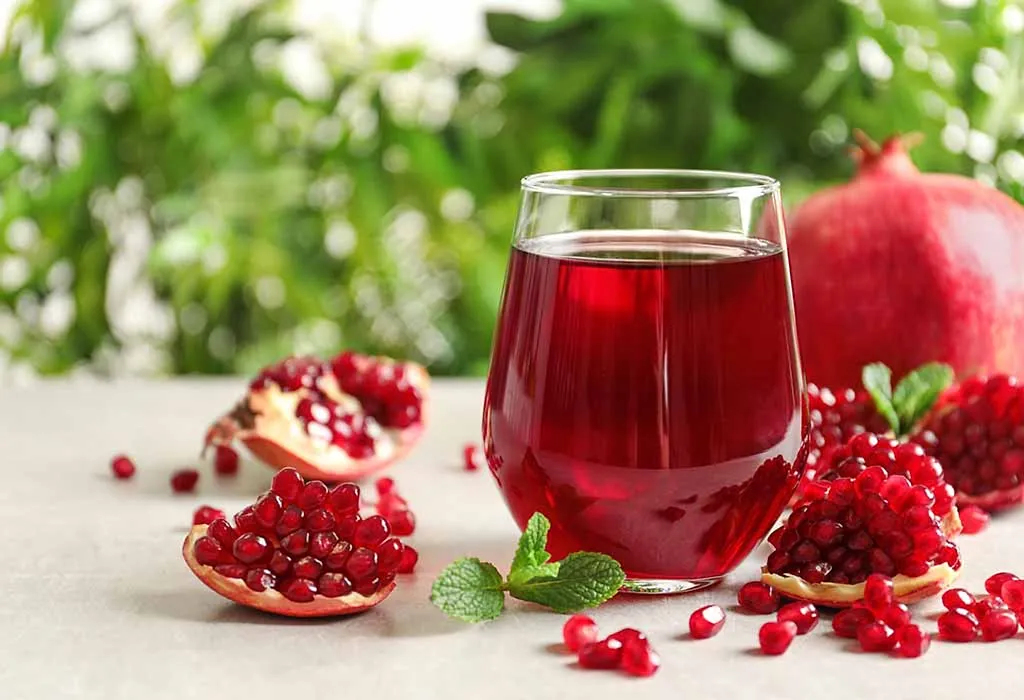
Consuming pomegranate juice while you are pregnant is recommended for the growth of your unborn child. It is one of the best pregnancy health drinks and can be easily made at home. It contains a high concentration of nutrients and minerals and is thus a popular choice. Peel a pomegranate, put the seeds in a blender, and blend them well until the seeds break and release juice. Strain the juice using a strainer and the back of a spoon to squeeze the juice out.
4. Mango and Apple Juice
How to Make
Making fresh mango and apple juice at home from fresh fruits or apple juice concentrate is one of the most effective strategies available for combating fatigue and ensuring your baby’s normal development. Peel the apples and mangoes, dice them into pieces with a knife, and blend them with a cup of milk. Add sugar or honey if you wish to make it sweeter.
5. Chia Fresca
How to Make
For those looking for a caffeine – and stimulant-free alternative to coffee, this is a fantastic health drink that also serves as a great energy source. Chia Fresca is a traditional prenatal energy drink that is safe for pregnant women to consume in moderate amounts. It is necessary to soak and thoroughly mix the chia seeds before using them. Leave them in the water for about 10 minutes to soak in to remove the seeds. Improve the flavour by squeezing in some fresh lime juice.
6. Piping-hot Tea
How to Make
Tea is an energising beverage you can consume while pregnant. Many people have been using tea as a mood enhancer and stress reliever for a very long time. For pregnant women, it’s a wonderful way to relax and unwind during their pregnancy. Iced tea, herbal tea, and green tea are among the many options available to customers. Use a teabag or brew tea leaves in boiling water. Add any sweetener as desired.
7. Buttermilk
How to Make
This energy drink contains a significant amount of calcium. It is a fantastic beverage to consume with a healthy diet. From start to finish, it takes only a few minutes, making it the most straightforward DIY energy drink you’ll ever make. To reap the most benefits, blend yoghurt with probiotic bacteria and water until smooth; serve immediately.
8. Coconut Water With Fresh Citrus
How to Make
Coconut water is not only hydrating but also rich in electrolytes, making it an excellent choice for maintaining energy levels. Mix fresh coconut water with a splash of citrus juice, such as orange or lime, for added flavour. Optionally, add a pinch of sea salt to enhance the electrolyte content. This drink is light, refreshing, and a healthy alternative to traditional energy drinks.
9. Watermelon and Mint Cooler
How to Make
Blend fresh, seedless watermelon chunks with a few fresh mint leaves and the juice of half a lime until smooth. You can strain it for a clear juice or enjoy it as a hydrating smoothie. Watermelon is rich in electrolytes and naturally hydrating, while mint can help soothe an upset stomach.
10. Ginger and Turmeric Elixir
How to Make
Steep a few thin slices of fresh ginger and a pinch of turmeric powder in a cup of hot water for 5-10 minutes. Strain, then add a teaspoon of honey and a squeeze of lemon to taste. This warm beverage is excellent for fighting inflammation and nausea, a common cause of fatigue in pregnancy.
11. Beetroot and Orange Juice
How to Make
Juice or blend one small, peeled raw beetroot with the freshly squeezed juice of two oranges. The natural nitrates in beetroot may help improve blood flow and oxygen delivery, combating fatigue, while the orange juice provides a natural sugar boost and vitamin C for energy and iron absorption.
12. Sparkling Water with Berries and Herbs
How to Make
Muddle a handful of fresh berries (like raspberries or blueberries) in a glass. Add a sprig of fresh basil or rosemary, fill the glass with plain sparkling water, and stir. This provides a satisfying, soda-like fizz without sugar or caffeine, and the berries offer a subtle, natural sweetness and antioxidants.
These additional options offer a variety of flavours and nutritional benefits while avoiding the potential drawbacks associated with caffeine and excess sugar consumption during pregnancy. As always, it’s essential for pregnant individuals to consult with healthcare professionals before introducing new beverages into their diet.
Eight ounces of a standard energy drink contain approximately 80 and 150 milligrams of caffeine. That’s the caffeine equivalent of five cups of coffee or two 12-ounce cans of caffeinated soda. Thus, these are the greatest DIY energy drink alternatives for pregnant women. Make your preferred drink based on your body’s nutritional requirements.
FAQs
1. Can energy drinks induce labour?
Many myths exist about pregnancy and labour, but one of the most common is that drinking coffee can cause labour to begin. These two products contain caffeine as an active ingredient; this substance causes rapid heartbeat, rapid breathing, and anxiety, leading to preterm labour in some women (5). Keeping these beverages out of your system as much as possible is the most effective strategy for reducing this risk. If you are still unsure, you might want to talk to other pregnant women about their experiences to get their perspectives.
2. Are sports drinks safe during pregnancy?
These ultimate hydrating drinks are available at any grocery shop or convenience store for purchase. They are, however, not recommended for consumption during pregnancy. They are high in sugar and other additives, and they are not the ideal option for pregnant women to consume (6). Even though sports drinks might be beneficial in certain situations, they are not suitable for pregnant women.
3. Can I have energy drinks while breastfeeding?
It is generally advisable to limit or avoid energy drinks while breastfeeding (7). The caffeine and other stimulants in these beverages can pass into breast milk and potentially affect the baby’s sleep patterns and overall well-being. Additionally, the high sugar content may contribute to unhealthy dietary habits. It’s recommended to prioritise water, herbal teas, or other caffeine-free and nutritious beverages while breastfeeding. Always consult with a healthcare professional for personalised advice based on your individual health and circumstances.
4. Can energy drinks affect my baby’s taste preferences later in life?
Yes, it’s possible. The amniotic fluid you swallow can carry flavours from your diet, shaping your baby’s early taste memories. The intense artificial sweeteners and flavours in energy drinks may expose your unborn baby to these extreme tastes, potentially influencing a preference for very sweet foods later in childhood.
So, this was all about energy drinks and pregnancy. In conclusion, the safety of consuming energy drinks in pregnancy remains a topic of concern and caution. While some natural alternatives to drinks for energy while pregnant, such as homemade fruit juices and smoothies, can offer a refreshing and healthy energy boost, traditional energy drinks with high caffeine and sugar content may pose potential risks. Prioritising a balanced and nutritious diet, consulting healthcare professionals, and opting for beverages that promote maternal and fetal well-being are crucial. The well-being of both mother and baby is of utmost importance, and making informed choices during pregnancy ensures a healthy start for the journey ahead.
Also Read:
Buttermilk When Pregnant
Drinking Cold Drinks in Pregnancy
Drinking Warm Water During Pregnancy
Is It Safe to Consume Soda While Pregnant?
Was This Article Helpful?
Parenting is a huge responsibility, for you as a caregiver, but also for us as a parenting content platform. We understand that and take our responsibility of creating credible content seriously. FirstCry Parenting articles are written and published only after extensive research using factually sound references to deliver quality content that is accurate, validated by experts, and completely reliable. To understand how we go about creating content that is credible, read our editorial policy here.
- Author
 About the Author