
Radish in Pregnancy – Benefits, Risk, and Safety Measures





Medically Reviewed By
Dr. Rima Sonpal
(Gynecologist/Obstetrician)


This health content has been medically reviewed by qualified experts and follows the FirstCry Parenting editorial policy to ensure accuracy and reliability.
Radish is good for pregnancy when it is thoroughly washed, properly prepared, and eaten in moderation. While radish and pregnancy can be a safe combination, consuming raw or improperly washed radish may increase the risk of foodborne infections due to harmful bacteria present in contaminated soil or produce. According to the World Health Organization (WHO), an estimated 866 million people, nearly 1 in 9 worldwide, fall ill from contaminated food every year, making food safety especially important during pregnancy (1).
In this article, you’ll learn whether white radish is good for pregnancy, its nutritional benefits for both mother and baby, the possible risks of eating raw radish, essential safety measures to follow, and the best ways to include this crunchy vegetable in a healthy pregnancy diet.
Can Pregnant Women Eat Radish?
Pregnant women can eat radish as long as it is thoroughly washed, peeled if necessary, and properly prepared before consumption. Radish is a nutritious vegetable that provides vitamin C, folate, fibre, potassium, and antioxidants, all of which support a healthy pregnancy.
Nutritional Value of Radish
Radish may be low in calories, but it is rich in several nutrients that support a healthy pregnancy. Here’s the nutritional profile of 100 grams of raw radish (2):
| Nutrient | Amount per 100 g |
|---|---|
| Energy | 16 kcal |
| Water | 95.3 g |
| Carbohydrates | 3.4 g |
| Dietary Fibre | 1.6 g |
| Total Sugars | 1.86 g |
| Protein | 0.68 g |
| Total Fat | 0.10 g |
| Vitamin C | 14.8 mg |
| Folate | 25 µg |
| Potassium | 233 mg |
| Calcium | 25 mg |
| Magnesium | 10 mg |
| Phosphorus | 20 mg |
| Iron | 0.34 mg |
| Sodium | 39 mg |
Radish Benefits in Pregnancy
There are several health benefits of making radish a part of your regular diet. Some of them are:
1. Weight Control
Radishes fill you up easily, managing your hunger while reducing your calorie intake. Additionally, they are low in carbohydrates and sugar while having high amounts of dietary fibre, which can ease constipation.
2. Cancer Prevention
Several powerful anti-carcinogens such as isothiocyanate and sulforaphane are known to be present in radish (3).
3. Optimises Cardiovascular Health
The abundance of potassium in radishes have been known to reduce blood pressure by improving the circulation of blood. Antioxidants named anthocyanins can also help lower the risk of cardiovascular diseases (4).
4. Improves Urinary Problems
The diuretic properties of radishes improve the flow of urine. The anti-inflammatory properties help treat urinary tract swellings, infections, and so on (5).
5. Diabetes
Radishes have a low glycemic index, which means it does not affect the levels of glucose in the blood. This is quite important for people with diabetes who need to pay attention to their diet constantly.
6. Skin Conditions
Vitamin C, B-Vitamins and Zinc are excellent for skin healing and production. These nutrients improve the efficiency of certain enzymes used in the synthesis and development of collagen, the protein structure that holds skin cells together (5).
7. Immunity
Radishes boost immune cell production in your body, as well as your baby’s, due to the presence of Vitamin C. In fact, a cup of cooked radish would provide you thirty per cent of your daily requirement of the vitamin.
8. Support Baby’s Growth
Radishes are infused with vitamin C, which plays a crucial role in the brain development of babies. It also helps regulate blood sugar levels and the synthesis of collagen.
Safety Measures to Follow While Eating Radish
As mentioned, while radishes are a phenomenal addition to a balanced diet, there are several precautionary measures to follow before consuming them:
- Washing radishes and radish sprouts thoroughly to remove dirt is the first step to avoid infections. This is because radishes are root vegetables and are often sold caked in mud and grime. If necessary, peel the radish to avoid eating the skin altogether.
- Avoid raw radish for the same reason, as cooking them first kills any harmful pathogens present.
- Please wash your cutting board with water and detergent properly after chopping radishes before using it for other vegetables.
- Always wash your hands before preparing food for yourself, especially radishes and other underground vegetables like carrots, turnips, potatoes and beetroots.
- Properly cook or steam the radish before consuming. Heat kills the pathogens that cause infections and makes it safe for consumption.
- Consume hot or warm dishes made with radish, which are prepared under heat.
- Remove all bruised or browned parts of the radish before they are cooked and eaten.
Risks and Consequences of Eating Radish When Pregnant
As long as you follow the precautions mentioned above, there is no reason to exclude such nutritious food from your diet. However, if they are not cleaned or cooked well, you might risk a chance of dangerous infections like Salmonellosis, Toxoplasmosis and Shigellosis. These cause high fever, dehydration, body aches and other symptoms that could affect your pregnancy. If the infection is particularly severe, it could lead to premature labour, miscarriage or stillbirth (6) (7).
How to Incorporate Radish in Your Pregnancy Diet?
Here are a few ways to add radish in 2nd and third trimester diet:
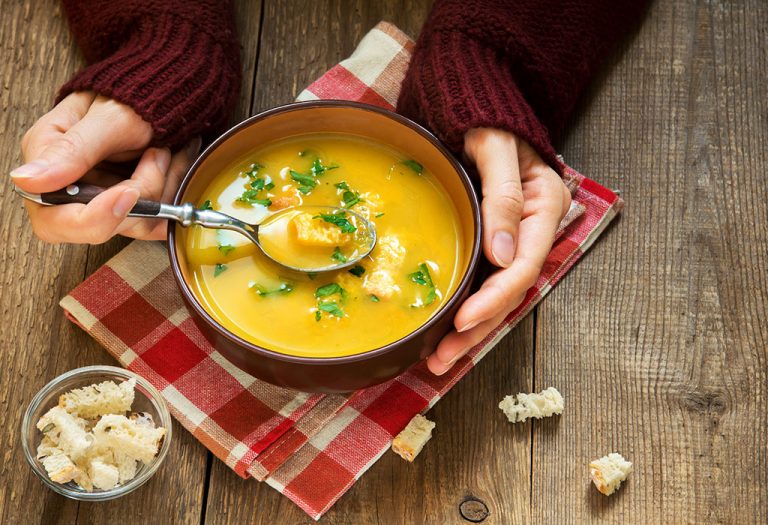
- Use it in soups and stews with other vegetables as a delicious snack.
- Cook it along with pasta or ghee rice for some added nutrient boost.
- Radishes are commonly used in various Indian dishes including paratha, chutney, and sambar.
- You can add washed radish leaves in a variety of ways in cooking, like sautéing it with garlic.
- You can add finely chopped radish leaves and add them to soups.
- You can add radish leaves to the dough of chapati or add them on top of aloo sabzi.
When to Avoid Radish During Pregnancy?
Although radish is generally safe and nutritious during pregnancy, there are certain situations when it is best to avoid or limit its consumption to reduce the risk of foodborne illness and digestive discomfort.
- Avoid eating raw radish that has not been washed thoroughly, as it may contain harmful bacteria or parasites from contaminated soil.
- Do not consume raw radish sprouts, as they have a higher risk of bacterial contamination and are considered unsafe during pregnancy unless cooked.
- Limit or avoid radish if it causes heartburn, bloating, gas, or stomach discomfort, which can be more common during pregnancy.
- Avoid eating spoiled, moldy, or improperly stored radishes, as they may harbour harmful microorganisms.
Radish Recipes for Pregnant Women
Radish is a versatile vegetable that can be included in a pregnancy diet when it is thoroughly washed and cooked. Here are a few simple and delicious radish recipes that are suitable for pregnant women.
1. Radish Yogurt Raita
Ingredients
- 1 cup grated radish (lightly steamed and cooled)
- 1 cup plain yogurt
- ½ teaspoon roasted cumin powder
- 1 tablespoon chopped coriander leaves
- Salt to taste
How to Make
- Steam the grated radish for 2-3 minutes and let it cool completely.
- Whisk the yogurt until smooth.
- Add the cooled radish, roasted cumin powder, coriander leaves, and salt.
- Mix well and chill for 15 minutes before serving.
- Enjoy as a cooling side dish with rice or chapati.
2. Radish Sambar
Ingredients
- 2 medium radishes, sliced
- ½ cup toor dal (split pigeon peas)
- 1 small tomato, chopped
- 1 tablespoon sambar powder
- ½ teaspoon mustard seeds
- 1 sprig curry leaves
- 1 tablespoon tamarind pulp
- 1 tablespoon oil
- Salt to taste
How to Make
- Cook the toor dal until soft and mash it well.
- Boil the sliced radish and tomato until tender.
- Add the cooked dal, tamarind pulp, sambar powder, and salt, then simmer for 10 minutes.
- Heat oil in a small pan, splutter the mustard seeds, and add the curry leaves.
- Pour the tempering over the sambar and serve hot with steamed rice or idlis.
3. Stuffed Radish Paratha
Ingredients
- 2 cups whole wheat flour
- 2 medium radishes, grated and squeezed to remove excess moisture
- 1 teaspoon grated ginger
- 1 tablespoon chopped coriander leaves
- ½ teaspoon cumin powder
- Salt to taste
- Water for kneading
- Ghee or oil for cooking
How to Make
- Knead the whole wheat flour with water into a soft dough and let it rest for 15 minutes.
- Mix the grated radish with ginger, coriander, cumin powder, and salt.
- Divide the dough into small balls, fill each with the radish mixture, and seal the edges.
- Roll each stuffed dough ball into a flat paratha.
- Cook on a hot griddle using a small amount of ghee or oil until both sides are golden brown.
- Serve hot with plain yogurt or homemade curd for a wholesome pregnancy-friendly meal.
FAQs
1. Does radish help with pregnancy nausea?
Including radish during pregnancy 1st trimester can help some women manage mild morning sickness, as radish contains B-6 vitamins and zinc, nutrients associated with reducing nausea. Although it can be a healthy addition to a balanced pregnancy diet, radish is not a cure for morning sickness.
2. Can eating radish during pregnancy lead to food poisoning?
No, generally, radish is not the cause of food poisoning during pregnancy, but as they are a root crop, the risk is there if you don’t wash and cook them properly before consumption.
3. Can you eat pickled radish while pregnant?
Yes, as pickled radish is reasonably safe during pregnancy when consumed in moderation. But do check the list for artificial sweeteners and preservatives used in the pickle before eating.
4. Does radish help to improve digestion in pregnancy?
Radish has high fibre content, which helps improve digestion during pregnancy. It also facilitates the secretion of digestive juices and bile for better overall digestive function.
Pregnancy is a difficult time in a woman’s life, so it is important that you pay heed to your diet for the sake of your baby’s wellbeing as well as yours. As long as safety measures are considered and implemented, there is no reason why you shouldn’t have a successful pregnancy.
Also Read:
Eating Parsley while Pregnant
Can you Eat Sprouts in Pregnancy
Consuming Cabbage during Pregnancy
Was This Article Helpful?
Parenting is a huge responsibility, for you as a caregiver, but also for us as a parenting content platform. We understand that and take our responsibility of creating credible content seriously. FirstCry Parenting articles are written and published only after extensive research using factually sound references to deliver quality content that is accurate, validated by experts, and completely reliable. To understand how we go about creating content that is credible, read our editorial policy here.
1. World Health Organization – Food safety
2. U.S. DEPARTMENT OF AGRICULTURE – Radishes, raw
3. PubMed Central – Prebiotic and Anti-Adipogenic Effects of Radish Green Polysaccharide
4. Medanta – Radish Benefits: Nutrition, Uses, and Health Advantages
5. Basrah university College of pharmacy – Importance of radish
- Author
- Expert Reviewer