
Eating Peanuts During Pregnancy – Is It Safe?
From nutrition benefits to allergy myths, this guide breaks down everything about eating peanuts in pregnancy. Explore it now.





Medically Reviewed By
Dr. Rima Sonpal
(Gynecologist/Obstetrician)

This content has been reviewed by a qualified expert and follows the FirstCry Parenting editorial policy to ensure accuracy and reliability.
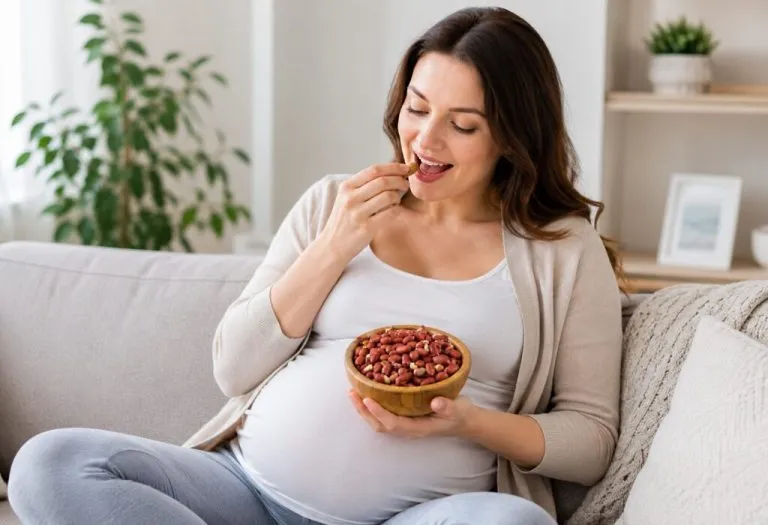
Eating peanuts during pregnancy is safe for most women unless they have a peanut allergy or their healthcare provider advises against it. Rich in protein, healthy fats, folate, and other essential nutrients, peanuts can be a nutritious addition to a well-balanced pregnancy diet. However, many expectant mothers still wonder whether eating peanuts could trigger allergies in their baby or pose other health risks. With changing recommendations over the years, it’s understandable why there’s so much confusion. In this article, we’ll clear up common myths, explain the benefits and potential risks of eating peanuts during pregnancy, and share tips for including them safely in your daily diet.
Can Pregnant Women Eat Peanuts?
The fear of allergies is the main reason why many women refrain from consuming peanuts during pregnancy. About a quarter of expectant mothers experience allergies – some allergies spring up during pregnancy, while some women have allergies running in their families. So, can a pregnant woman eat peanuts? Unless the mother has a proven allergy to peanuts, there is no established evidence that eating peanuts (or any food containing them, such as granola bars, cereals, etc.) will affect you or put the baby at risk of developing an allergy.
So, you can feel free to consume peanuts during pregnancy if you don’t have an allergy yourself.
Nutritional Profile of Peanut
Despite being classified as legumes, peanuts share many characteristics with tree nuts, including a robust nutritional profile. According to the USDA, here are the key nutrients found in 100 g of peanuts (1).
| Nutrients | Amount |
| Calories | 567 kcal |
| Carbohydrates | 16.13 g |
| Water | 6.50 g |
| Protein | 25.80 g |
| Fat | 49.24 g |
| Fiber | 8.5 g |
| Sugars | 3.97 g |
| Folic acid | 240 mcg |
| Sodium | 1 mg |
| Potassium | 332 mg |
| Iron | 2.09 mg |
| Calcium | 62 mg |
| Zinc | 3.34 mg |
| Magnesium | 184 mg |
| Phosphorus | 336 mg |
| Monounsaturated fatty acids | 21.41 g |
| Saturated fatty acids | 7.32 g |
| Polyunsaturated fatty acids | 16.5 g |
Benefits of Eating Peanuts During Pregnancy
Contrary to popular belief, eating peanuts is good for pregnancy for most women. Their impressive nutritional profile makes them as nutritious as many other nuts. Here are a few benefits of eating peanuts while pregnant:
1. Antioxidant Properties
Packed with natural fats and vitamins, especially Vitamins B and E, peanuts provide the antioxidant properties needed to defend the body from flu and other common ailments (2).
2. Help Cure Skin Ailments
The oil content in peanuts helps control dermatological problems and serves as a natural cure for sores and skin irritations.
3. Bone Development
According to Mount Sinai, including manganese in the diet is essential for healthy bones (3). The manganese content in peanuts helps boost healthy bone development in the baby.
4. Aid Digestion
The fibre content in peanuts is known to relieve constipation issues. Mothers-to-be could add a small amount to their diet daily to eliminate bowel problems.
5. Cure Anaemia
During pregnancy, your body will need to produce more blood to support the baby’s growth. But if you are not getting enough iron, your body will not be able to do so effectively, leading to anaemia. To combat this risk, pregnant women must ensure they get adequate iron, and peanuts are a great source of iron (4). This makes peanuts an ideal food to treat anaemia.
Side-Effects of Peanuts in Pregnant Women
During pregnancy, consuming peanuts can sometimes have side effects. The chances of side effects are especially higher if you have an underlying health issue, which could make you intolerant to peanut consumption.
Some side effects of peanuts during pregnancy are:
1. Risk of Eating Stale Peanuts
Make sure that you do not eat stale and old peanuts. Old, stale and stored peanuts can sometimes cause food poisoning.
2. Toxic Peanuts
If peanuts are stored in hot and humid places, they can get affected by mould and become toxic.
3. Stomach Irritation
Eating peanuts could increase stomach irritation if you have gastritis (inflammation of the stomach lining).
4. Weight Gain
Peanuts contain a lot of fat that can make you gain weight. If you are overweight, it is best to avoid peanuts.
5. Cholesterol Buildup
Peanuts contain a significant amount of fats, and while they are mostly unsaturated, they do contain some saturated fats as well. Excessive consumption of saturated fats can contribute to cholesterol buildup, potentially impacting cardiovascular health.
Peanut Allergy Symptoms During Pregnancy
Some women might develop allergies during pregnancy. Here are the symptoms of a peanut allergy (5) (6):
- Diarrhoea or vomiting
- A cough
- Wheezing and shortness of breath
- Itchy throat and tongue
- Itchy skin or rash
- Swollen lips and throat
- Runny or blocked nose
- Sore, red and itchy eyes
- Anaphylaxis: This is the most serious symptom that results in a drop in pulse rate. Since this symptom can be life-threatening, consult a doctor immediately if it occurs.
When to Avoid Peanuts While Pregnant?
Peanuts and pregnancy go well together for most women, but there are certain circumstances when they should be avoided to ensure the health and safety of both the mother and the developing baby. Here are some situations where you should avoid peanuts while pregnant:
- If you have a known peanut allergy, it’s crucial to avoid peanuts and peanut-based products. Consuming them can lead to severe allergic reactions, which can be dangerous for both you and your baby.
- If there’s a strong family history of peanut allergies or other severe food allergies, it might be wise to avoid peanuts during pregnancy. Consult your doctor to assess the risk to your baby.
- Peanuts can be hard to digest for some people and may exacerbate stomach issues, such as gastritis or irritable bowel syndrome (IBS). If you experience digestive discomfort, consider avoiding peanuts.
- Peanuts are high in fat and calories, which can contribute to weight gain or increased cholesterol levels. If you’re already dealing with these issues, avoiding peanuts might be a sensible choice to maintain a healthy pregnancy.
Ways to Eat Peanuts in Pregnancy
Recent studies have proved that eating peanuts during pregnancy could reduce the risk of your baby developing an allergy (7). So, if you do not have a history of peanut allergy, go ahead and try the many ways you can eat peanuts when pregnant.
- Fry peanuts in a little oil as frying keeps those allergens away.
- Boil peanuts with the skin on in water and salt. Boiled peanuts make for a great snack if there is a long gap between lunch and dinner.
- There is no harm in consuming peanuts when the pregnant woman is craving them, but the added salt in the peanuts can lead to water retention in the body, as well as high blood pressure.
- Toss a small portion of peanuts in your salad, dips, and chutneys to give them a thick, creamy texture.
FAQs
1. Can eating peanuts during pregnancy reduce the risk of peanut allergies in children?
Recent studies suggest that eating peanuts during pregnancy might lower the risk of peanut allergies in children (8). This is because early exposure to allergens in the womb might help the baby’s immune system develop a tolerance.
2. Is there a specific trimester when it’s best to eat peanuts?
There isn’t a specific trimester recommended for consuming peanuts during pregnancy. Generally, it’s safe to eat peanuts throughout pregnancy unless you have a peanut allergy or other medical conditions that suggest otherwise.
3. Do groundnut during pregnancy have any benefits beyond nutrition?
Peanuts are not only nutritious, providing protein, healthy fats, and essential vitamins and minerals, but they also contain folic acid, which is crucial during pregnancy. Folic acid helps prevent neural tube defects in the developing baby. Eating peanuts might be an enjoyable way to increase your folic acid intake, but always ensure you’re getting enough from other sources too.
4. How should peanuts be stored to ensure they are safe during pregnancy?
Peanuts should be stored in a cool, dry place to avoid mold growth and spoilage. If they are exposed to heat and humidity, they can become toxic due to mold, leading to aflatoxin contamination. To ensure safe peanuts during pregnancy, use airtight containers and avoid keeping them in warm, damp places. If you notice a musty smell or visible mold, discard them immediately.
5. Is peanut butter safe during pregnancy?
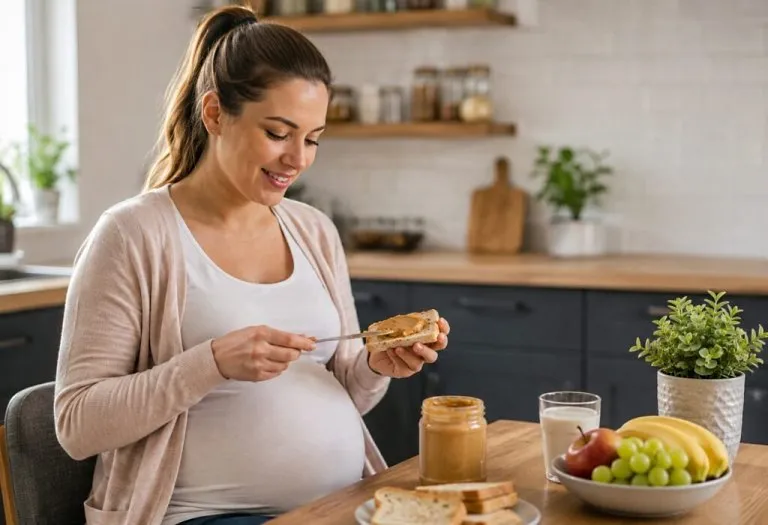
Yes. Its is safe to consume peanuts during pregnancy first, second and third trimesters. Any food containing a reasonable amount of peanut as an ingredient can be eaten as long as you enjoy the taste and do not have any history of a peanut allergy. If you are craving peanut butter, go ahead and occasionally spread it on that sandwich to relish it.
So, we have seen above that groundnut is good for pregnancy. A pregnant woman is encouraged to have a well-balanced diet – fruits, vegetables, rice, wheat, milk, nuts, pulses, and others. Peanuts can provide you with the essential nutrients that come from nuts. Consult a dietician to understand if you can eat peanuts, and confirm the quantity recommended for you as per your body weight and the overall condition of your pregnancy.
Also Read:
Eating Cashew Nuts in Pregnancy
Consuming Almonds while Pregnant
Eating Pista (Pistachios) when Pregnancy
Consuming Peanut Butter during Pregnancy
Was This Article Helpful?
Parenting is a huge responsibility, for you as a caregiver, but also for us as a parenting content platform. We understand that and take our responsibility of creating credible content seriously. FirstCry Parenting articles are written and published only after extensive research using factually sound references to deliver quality content that is accurate, validated by experts, and completely reliable. To understand how we go about creating content that is credible, read our editorial policy here.
- Author
- Expert Reviewer

Related Articles
-

Chocolates During Pregnancy - Is It Safe?
-
Elderberry in Pregnancy - Is It Safe?
-
Loss of Appetite During Pregnancy – Causes & Treatment
-
Horse Gram During Pregnancy - Benefits, Risks, and How to Eat
-
Peanut Butter During Pregnancy - Safety, Benefits & Risks
-
Figs in Pregnancy - Benefits & Ways to Eat It