Do Diapers Expire? Shelf Life, Storage, & When to Discard Them
Wondering do diapers expire? Learn about diaper shelf life, proper storage, signs of damage, and when old diapers may no longer be safe.




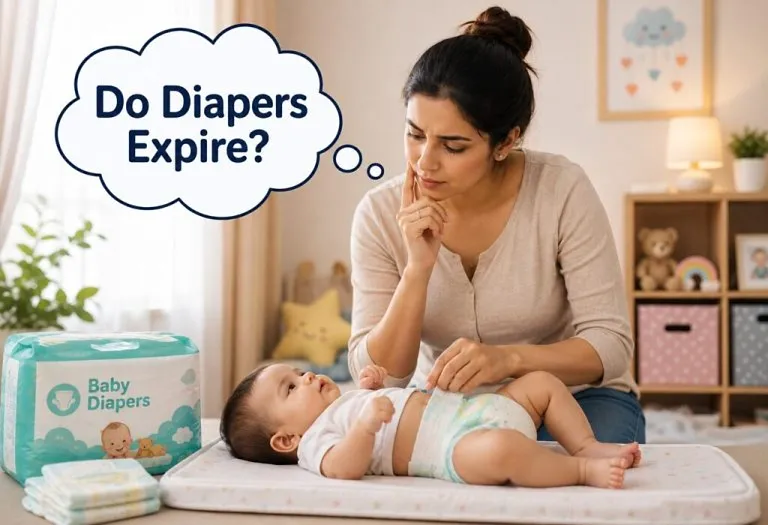
Babies seem to outgrow everything overnight, including diapers. That is why so many parents end up with unopened packs sitting in a nursery, closet, or storage box, waiting for a “just in case” moment that never comes. Then, months or even years later, you come across them again and wonder, do diapers expire? It is a fair question. Although diapers do not come with an obvious expiration date like milk or medicine, they are not designed to last forever. Before you open that forgotten pack, read on to learn when do diapers expire, how long diapers typically last, the best way to store them, and the signs that indicate whether they’re still safe to use or it’s time to toss them.
Do Diapers Have Expiration Dates?
No, disposable diapers do not have an official expiration date printed on the packaging like food or baby formula. So, can diapers expire? Yes, but not in the traditional sense. While diapers are non-perishable products and most manufacturers don’t assign a fixed shelf life, they can still deteriorate over time (1).
When stored properly in a cool, dry place, most disposable diapers remain in good condition for about 2 to 3 years.
Factors That Impact the Shelf Life of Diapers
Although there is no fixed expiration of diapers, several factors can affect how long they stay in good condition. Here are the most important ones:
- Storage Conditions: Heat, humidity, and direct sunlight can weaken the diaper’s materials and reduce its performance over time.
- Packaging: Diapers stored in their original, sealed packaging are better protected from dust, moisture, and contaminants.
- Age: Even when stored properly, elastic bands, adhesive tabs, and absorbent materials can gradually deteriorate after several years.
- Moisture Exposure: Damp conditions can damage the absorbent core and, in some cases, lead to mold or mildew.
- Physical Damage: Torn packaging, crushed boxes, or improper handling can affect the diaper’s quality before it is ever used.
How Does Time Affect Diapers?
Even when diapers are stored in their original packaging, time can gradually affect their quality and performance. While these changes may not always be visible at first, they can impact how well a diaper works. Below are the few ways time can affect diapers.
1. Elastic Bands Lose Their Stretch
The elastic around the waist and leg openings can weaken as diapers age. When this happens, the diaper may not fit snugly, increasing the chances of leaks and blowouts.
2. Adhesive Tabs Become Less Sticky
Over time, the fastening tabs may lose some of their adhesive strength. As a result, they may not stay securely fastened, making diaper changes more difficult.
3. Absorbency Can Decline
The absorbent core can become less effective after years of storage, particularly if the diapers have been exposed to heat or moisture. This may reduce their ability to lock in liquid and keep your baby dry.
4. Materials Can Deteriorate
Prolonged storage may cause the diaper’s materials to become brittle, discoloured, or develop an unusual odour. If you notice any of these signs, it is best to discard the diapers rather than use them.
When Diapers Might Not Be Good to Use?
Before putting an older diaper on your baby, take a moment to inspect its condition. The following signs indicate that it is better to replace the diapers than risk discomfort or leaks (1).
- The elastic feels loose or brittle: If the waistband or leg cuffs have lost their stretch, the diaper may not fit properly and could leak.
- The adhesive tabs no longer stick: Fastening tabs that won’t stay in place can make it difficult to keep the diaper securely fitted.
- There is discolouration or yellowing: While slight colour changes are not always harmful, significant discolouration may indicate that the materials have deteriorated over time.
- The diaper has a musty smell or signs of mold: Any unusual odour, moisture, mold, or mildew is a clear sign that the diaper should be discarded immediately.
- The packaging is damaged or the diaper is torn: Open, ripped, or moisture-damaged packaging can expose diapers to dirt and contaminants, making them unsuitable for use.
Risks of Using Old Diapers
Using an old diaper is not always a problem, especially if it has been stored properly. However, diapers that have deteriorated with age or poor storage may not perform as intended. Here are some potential risks to keep in mind:
1. More Frequent Leaks
Over time, a diaper’s absorbent core may become less effective, and the elastic around the legs can weaken. This can make it harder for the diaper to lock in moisture, leading to more frequent leaks.
2. Poor Fit and Discomfort
The waistband, leg cuffs, and adhesive tabs may lose their strength as diapers age. A loose or poorly fitting diaper can shift during movement, making it less comfortable and less effective.
3. Diaper Rash
Old diapers with reduced absorbency may leave your baby’s skin damp for longer periods. Prolonged exposure to moisture can increase the risk of diaper rash and skin irritation (2).
4. Skin Irritation
As diaper materials age, they may become rough or begin to break down. This can create friction against your baby’s sensitive skin, causing redness or discomfort (3).
5. Higher Chance of Blowouts
Weakened elastic and loose fasteners may not create a secure seal around the legs and waist. As a result, the diaper is more likely to leak or experience blowouts, especially during active movement.
How to Properly Store Diapers?
Proper storage can help preserve diaper quality for years. Follow these simple storage tips to extend the diaper expiry date and keep diapers in their best condition for longer.
- Keep them in a cool, dry place: Store diapers in a room with a stable temperature and low humidity to prevent material deterioration.
- Leave them in their original packaging: The manufacturer’s packaging protects diapers from dust, moisture, and other contaminants.
- Avoid direct sunlight: Prolonged exposure to sunlight can weaken the diaper’s elastic and affect the quality of its materials.
- Store them off the floor: Place diaper boxes on shelves or pallets to reduce the risk of moisture damage, especially in basements or garages.
- Protect them from humidity: Avoid storing diapers in damp areas such as bathrooms, laundry rooms, or other places prone to moisture.
Do Eco-Friendly Diapers Expire?
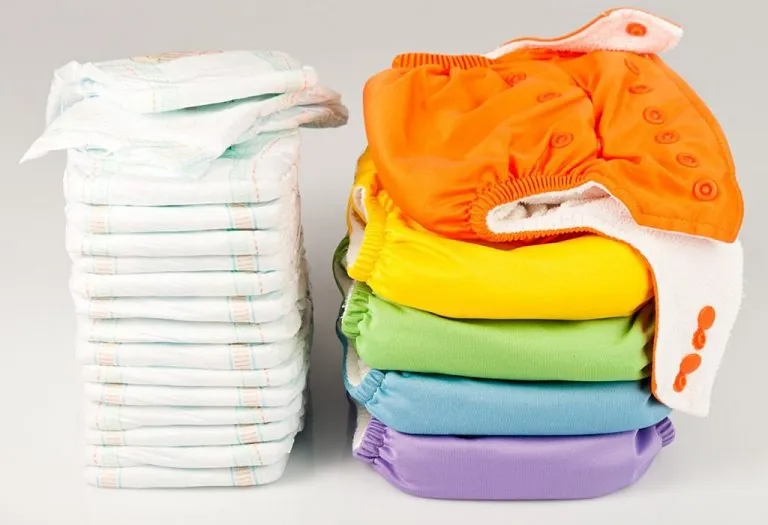
Eco-friendly diapers do not have a strict expiration date, but they often have a shorter practical shelf life than conventional disposable diapers. Because they are made with more plant-based and biodegradable materials, some components may break down more quickly, especially if the diapers are stored in warm or humid conditions.
What Should I Do With Old, Unused Diapers?
If you have old, unused diapers that are still in good condition, you do not necessarily have to throw them away. The best option depends on their condition and whether they are still safe to use.
1. Donate Unopened Packs
If the diapers are unopened, clean, and undamaged, consider donating them to local diaper banks, baby shelters, charities, or community organisations.
2. Give Them to Friends or Family
If you have friends, relatives, or neighbours with a baby who wears the right size, passing along unused diapers is a simple way to reduce waste. Before giving them away, make sure the diapers are free from damage, odours, or signs of deterioration.
3. Discard Damaged Diapers
If the diapers have a musty smell, mold, discoloration, torn packaging, brittle elastic, weak adhesive tabs, or any other signs of damage, it’s best to dispose of them. Using deteriorated diapers may lead to leaks, poor performance, or skin irritation, so replacing them with a fresh pack is the safest choice.
FAQs
1. Do cloth diapers expire?
Cloth diapers don’t expire in the traditional sense, but repeated washing and long-term use can wear out the fabric, elastic, and waterproof layers. Regular inspection and proper care can significantly extend their lifespan (4).
2. Are yellow stains on old diapers normal?
Slight yellowing can occur naturally as diaper materials age and doesn’t always mean they’re unsafe. However, if yellowing is accompanied by odours, mold, or material damage, it’s best to discard the diapers.
3. Can you vacuum-seal diapers for long-term storage?
Vacuum-sealing is generally unnecessary and may compress the diapers, affecting their shape. It’s usually best to keep them in their original packaging and store them in a cool, dry location.
Fortunately, age alone does not determine whether diapers are still usable. A quick look at their condition is often enough to tell you if they are ready for use or better off replaced, helping you avoid both unnecessary waste and unwanted surprises.
Also Read:
Diaper Blowouts
Does Baby Powder Expire
How to use Diaper Safely for Newborn
Was This Article Helpful?
1. WonderBaby.org – No, Diapers Don’t Expire—But Here’s When to Toss Them Anyway
2. Cleveland Clinic – Diaper Rash (Diaper Dermatitis)
3. American Academy of Pediatrics – Diapers: Disposable or Cloth?
4. Children’s Hospital Los Angeles – Cloth Diapers: Truth, Facts and Benefits for Infant and Family
- Author


Related Articles
-

A to Z Baby Guide: 25 Things Your Baby Needs to Grow Up Healthy & Strong!
-
What Is a Swaddle Bath and How to Give One?
-
This Common Household Item Can Make The Inside of your Baby's Nose Black
-
New Baby Skin and Hair Care Products Every First-Time Parent Needs
-
Baby’s Skin Rash – Causes, Treatment & Prevention Tips
-
Cloth Diapers Versus Disposable Diapers - Which One You Need to Choose?




.svg)