
Dancing In Pregnancy – Benefits Risks, and Safety Tips
Gynaecologist-reviewed guide to dancing in pregnancy, covering safe dance styles, real benefits and warning signs to watch for.





Medically Reviewed By
Dr. Deepinder Kaur
(Gynaecologist)

This health content has been medically reviewed by qualified experts and follows the FirstCry Parenting editorial policy to ensure accuracy and reliability.
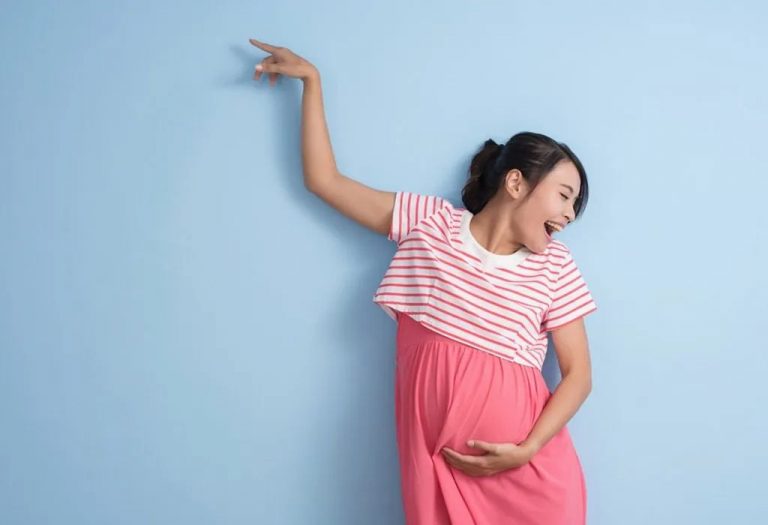
Is dancing safe during pregnancy? Yes, dancing during pregnancy offers a myriad of benefits beyond just physical fitness. It uplifts the mood, boosts energy levels, and enhances overall sense of well-being during this transformative time. Nonetheless, it’s imperative to approach dancing in pregnancy with caution and awareness of your body’s changing needs. Opting for gentle, low-impact dance styles, such as salsa, ballet, or even prenatal dance classes, tailored specifically for expectant mothers can minimise the risk of injury while still allowing you to enjoy the rhythm and movement. Dancing and pregnancy are okay, but it is crucial to ensure it aligns with your individual health needs and pregnancy status. There’s a lot more in this article that will help you enjoy your passion for dancing during pregnancy. Read on!
Is It Safe to Dance During Pregnancy?
Moderate dancing is safe during pregnancy. But can dancing while pregnant hurt the baby? The short answer to this is no.
Pregnancy requires that you take it easy, but not so easy that you skip exercises altogether. Dancing for short periods of time every day is completely safe, but only if your doctor has given you the go-ahead to perform cardio. In fact, according to a study, prenatal dance activity enhances foetal and postnatal cognitive and motor development (1). It is important to pick less vigorous styles of dance, meaning a dancing style which involves very little jumping and darting about.
Types of Dance Forms You Can Try When Pregnant
Try finding a dance class, especially designed for pregnant women. However, you can also do it at home if you so prefer. Here are a few dance forms you can attempt:
- Dancing during the first trimester of your pregnancy affords you choices like jazz and samba, but these styles become tricky later in pregnancy.
- Belly dancing during pregnancy is preferred as it employs unhurried controlled motions that strengthen your abdominal and back muscles.
- Ballroom dancing sounds complicated, but it can help you lower your resting heart rate.
- Please avoid dance styles that have a lot of movements and lifts like Bharatanatyam, ballet and hip-hop, as they could lead to overheating, pulled muscles and so on.
Benefits of Dancing in Pregnancy
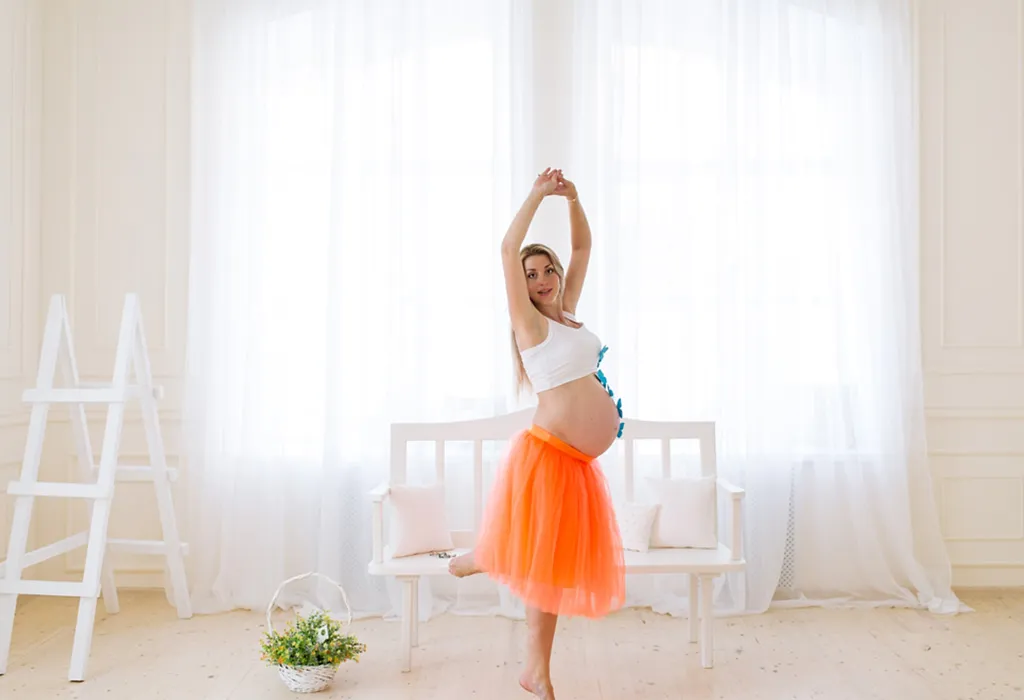
Pregnancy dance workouts offer loads of advantages for both you and your unborn child. According to the East Tennessee State University, some of the benefits of dance for pregnancy are (2):
- Improved flexibility will help you deal with the growing weight of your body as well as your foetus through the pregnancy.
- Higher stamina levels, so you don’t feel tired or fatigued as often, which in turn improves mood and reduces the likelihood of depressive symptoms.
- Dancing can reduce the amount of stress and anxiety by stimulating the production of endorphins (3).
- Reduced risk of going through a troubled delivery, such as protracted labour or the need for caesarean surgery.
- Improves muscle tone, strengthens the limbs and alleviates the leg and backache that come with pregnancy (4).
- Enhances the functioning of the heart and lungs by improving the circulation of blood.
- It is the perfect alternative for someone who does not frequent the gym or is uninterested in the usual exercises.
- Dancing can be done anywhere and at any time, allowing you the freedom to choose how you want to do it.
- Dancing can help with bloating by easing the release of any accumulated gas in the bowels.
- It can slow down weight gain, a common pregnancy problem that sometimes leads to complications.
- Dancing reduces the risks of developing pregnancy conditions such as gestational diabetes and preeclampsia.
Precautionary Measures for Dancing During Pregnancy
Pregnancy is usually not the right time to experiment with your body. However, dance offers the same benefits as a cardio workout with reduced risks. Nevertheless, there are a few precautions to consider before you start:
1. Pay Attention to Your Body
Human bodies are usually tolerant of a wide range of stresses, but pregnancy imposes several limitations. It is important that you keep an eye out for any symptoms like feeling faint, difficulty breathing, abdominal pain or vaginal bleeding during or after your dance workouts.
2. Don’t Skimp on Nutrition
Make sure you consume a balanced diet as well as enough calories to support the growing baby inside you. Remember to drink enough water or juices throughout the day, and especially during and after dancing (5).
3. Find the Right Trainer
You can dance at home by yourself, but finding a dance class is also a feasible idea. However, ensure you look for a dance instructor who has experience with pregnant women or new mothers, especially those who know about pregnancy physiology and its interactions with exercise.
4. Warm Up
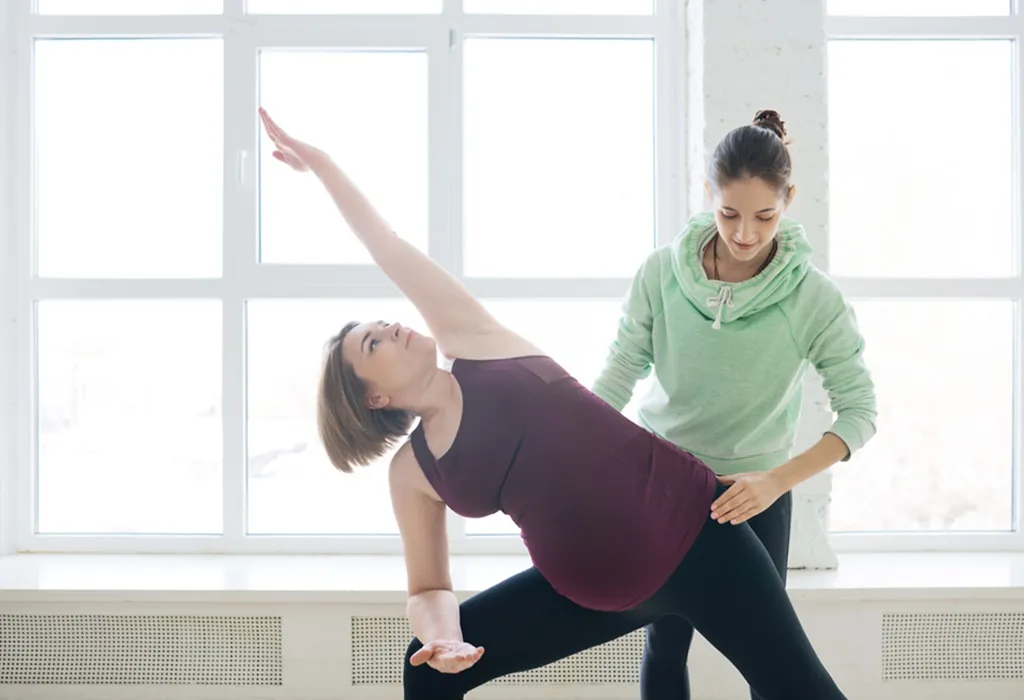
Preparing your muscles and joints for a workout is the first and most crucial step before you start dancing. Warm-up exercises also serve to improve your resting heart rate, keeping you fighting fit. Avoiding this might lead to strained muscles and injuries.
5. Avoid Burnout
Ensure you choose the right postures. For example, until the second trimester, it is alright for you to stay on your feet or lie on your back during the exercise. However, it is better to avoid them afterwards as they can slow the blood flow to your uterus. Stop dancing immediately if you feel exhausted or under pressure.
6. Use the Right Footwear
The right shoes can make all the difference. Don’t wear jogging or running shoes as they are usually heavy and their broad soles might cause you to trip while dancing. Buy a good pair of shoes meant to be worn for dancing. However, you might have to buy more pairs as feet tend to increase in size during pregnancy.
7. Learn From Others
Talk to other pregnant women who use or are considering dance as a form of exercise. This is an excellent way to share knowledge and experiences and help make your pregnancy more fun while supporting others in the process. Communication establishes a strong support network, and you are less likely to make mistakes if you learn from others’ mistakes first.
When Should You Avoid Dancing?
- Don’t dance if you are feeling fatigued, sleep-deprived or dizzy, as it could cause oxygen deprivation for you and your foetus
- Dancing is not recommended if you have chronic health problems or complications such as gestational diabetes.
- Back or pelvic joint pain is also a good reason to avoid dancing, as it could exacerbate the symptoms.
When to Consult a Doctor?
Please consult your doctor before beginning any new exercise regimen, especially if you encounter any of the following signs:

- Bursts of abdominal pain
- Severe pain in the glutes or calves
- Feeling dizzy or experiencing palpitations
- Blurry vision
- Having trouble walking or standing
- A constant headache
- Fluid leakage from your vagina
- Persistent pain in the muscles or joints
FAQs
1. Can dancing during pregnancy help with labour and delivery?
Yes, some dance movements, such as expanding hip circles that relax and loosen muscles of the pelvic floor, can be beneficial for women during their labour. As per a 2020 study published in the Journal of Patient-Centered Research and Reviews, dancing during the first stage of labour may decrease the intensity as well as duration of pain, but further study is required (6).
2. Are there any specific precautions to take when dancing during the first trimester?
When it comes to dancing in early pregnancy, especially dancing during pregnancy’s first trimester, it’s crucial to be cautious and avoid any movements that may strain the abdomen or cause excessive pressure on the pelvis. Additionally, if you experience nausea or fatigue, take breaks as needed and consult with your healthcare provider before continuing your dance practice.
3. How can I modify my dance routine as my pregnancy progresses?
As your pregnancy progresses, it’s essential to modify your dance routine to accommodate your changing body and energy levels. Focus on slower movements, avoid deep stretches or high-impact jumps, and incorporate more rest breaks as needed. Additionally, listen to your body and adjust your routine accordingly to ensure comfort and safety.
4. Can dancing cause miscarriage?
No, light dancing does not directly cause miscarriage. However, high-impact dance styles, including a lot of spinning, jumping, or leaping, could increase the risk of falls, which could lead to complications (7).
5. When should I stop dancing during pregnancy?
If you feel nauseous, dizzy, tired, faint, have difficulty breathing, chest pain, vaginal fluid leakage, or contractions, you must stop dancing and consult your doctor as a precaution (8).
This was all about pregnancy and dancing. Dance for pregnant women is a fun and easy way to stay fit during pregnancy. But please make sure you only choose the gentler styles, especially in your third trimester. Pay heed to how you feel so you don’t push yourself too much. Also remember to get the go-ahead from your doctor beforehand, whether you want to dance at home or under the supervision of a professional trainer. With all these precautions in mind, you will find that dancing will reduce your tension, elevate your mood and help you stay in perfect shape.
Also Read:
Bowling when Pregnant
Yoga for Pregnant Women
Performing Zumba during Pregnancy
Hobbies Worth Taking Up during Pregnancy
Was This Article Helpful?
Parenting is a huge responsibility, for you as a caregiver, but also for us as a parenting content platform. We understand that and take our responsibility of creating credible content seriously. FirstCry Parenting articles are written and published only after extensive research using factually sound references to deliver quality content that is accurate, validated by experts, and completely reliable. To understand how we go about creating content that is credible, read our editorial policy here.
2. East Tennessee State University – Dancing While Pregnant: Benefits and How to do it Safely
3. National Library of Medicine – Effects of Dance and Music on Pain and Fear During Childbirth
4. Harvard Health Publishing – Let’s dance! Rhythmic motion can improve your health
5. Better Health Channel – Dance – health benefits
8. American Pregnancy Association – Exercise and Pregnancy
- Author
- Expert Reviewer


Related Articles
-

Fascinating Birthday Celebration Ideas While Pregnant
-
Ajwain in Pregnancy - Safety, Benefits & Side Effects
-
Bleeding From Anus in Pregnancy: Causes, Symptoms, & Treatment
-
Urinary Tract Infection (UTI) in Pregnancy – Causes, Symptoms & Treatment
-
Pelvic Girdle Pain (PGP) in Pregnancy: Causes, Symptoms, & Treatments
-
Pregnancy Acne - Cause, Treatment, and Prevention