
Eating Carrots in Pregnancy: Heath Benefits and Risks
Why carrots are a nutritious pregnancy food and how to include them safely in your diet





Medically Reviewed By
Trishita Nalvath
(Diabetologist/Nutritionist/Dietitian)

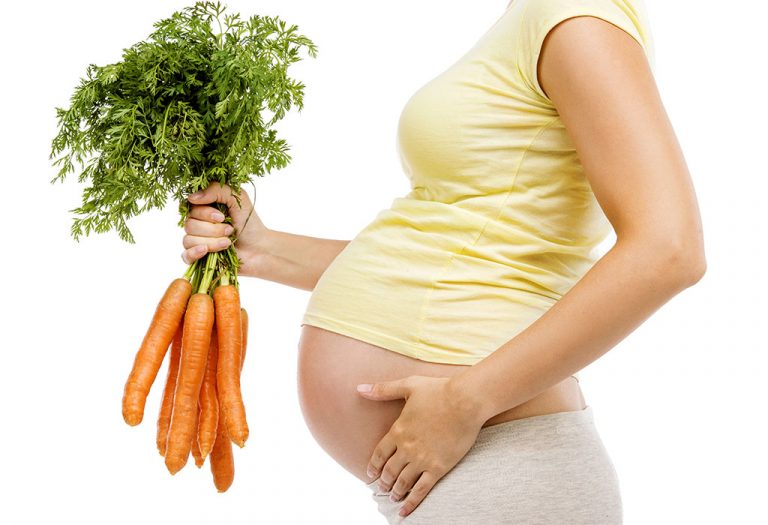
Image Credit : AI Generated Image
If you’re pregnant, it’s obvious that you would wish to do everything correctly for the sake of your unborn baby’s health and well-being. First and foremost, you should pay attention to your pregnancy diet and nutrition. In the beautiful journey of pregnancy, nourishing oneself becomes an act of love for both mother and baby. Amidst the colourful palette of wholesome choices, one vegetable emerges as a vibrant star – the humble carrot. Bursting with an earthy sweetness and a vibrant hue, consuming carrots during pregnancy unlocks a treasure trove of benefits. If you wonder whether including carrots in a pregnancy diet is a good option, read the following article. We shall discuss the various benefits and risks of consuming carrots during pregnancy. Trust us; everything goes well with the union of carrot and pregnancy.
Is It Safe to Eat Carrots in Pregnancy?
Absolutely, eating carrots is good for pregnancy! Eating carrots during pregnancy is safe and highly beneficial for you and your growing baby. Packed with essential nutrients, carrots are a delightful addition to your pregnancy diet. These vibrant root vegetables are rich in beta-carotene, a precursor to vitamin A, which is crucial for developing your baby’s eyes, skin, and immune system (1). Furthermore, carrots are a fantastic source of dietary fibre, aiding in maintaining healthy digestion and preventing constipation, a common discomfort during pregnancy. The fibre also helps regulate blood sugar levels and contributes to a feeling of fullness, keeping unnecessary cravings at bay.
Carrots are also known for their antioxidant properties, which can help protect your body from harmful free radicals and support overall maternal health. Additionally, they contain essential vitamins and minerals, like vitamin C, vitamin K, potassium, and folate, all of which are vital for a healthy pregnancy. When incorporating carrots into your diet, it’s important to ensure they are fresh and properly washed to remove dirt or pesticides. It’s advisable to cook carrots thoroughly, whether steamed, roasted, or in soups, as this helps to enhance their digestibility and nutrient absorption.
So, enjoy the delightful crunch of carrots while relishing their nutritional benefits. Your baby will thank you for it as you journey towards a healthy and joyous pregnancy.
How Many Carrots Should a Pregnant Woman Eat in a Day?
Determining the ideal number of carrots to consume in a day during pregnancy can depend on various factors, including individual dietary needs and preferences. However, it is generally recommended that pregnant women aim for a well-rounded and balanced diet that includes a variety of fruits and vegetables, with carrots being one of the nutritious choices. As a guideline, incorporating around 2 to 3 medium-sized carrots into your daily diet is considered healthy and reasonable. This portion size allows you to benefit from the array of nutrients present in carrots without overwhelming your overall caloric intake.
The recommended daily allowance of vitamin A is 770 mcg/2565 IU, while one dose in a standard one-a-day prenatal multivitamin is 4000 IU. 100 grams of raw or cooked carrots are enough to provide you with the daily requirement (2).
While carrots offer numerous health advantages, it’s important to pair them with other nutrient-rich foods to ensure you’re receiving a comprehensive range of essential vitamins, minerals, and macronutrients. Strive for a colourful plate that includes a mix of fruits, vegetables, whole grains, lean proteins, and healthy fats. Additionally, it’s worth noting that cooking methods can influence the quantity of carrots you consume. Raw carrots may be slightly more challenging for some individuals, so lightly steaming or roasting them can enhance their digestibility while retaining their nutritional value.
Nutritional Value of Carrot
Carrots are wondrous root vegetables loaded with vital vitamins and minerals. The following table will acquaint you with the nutritional value of 100 grams of carrots.
| Nutritional Value | Per 100 grams |
| Energy | 41 kcal |
| Carbohydrates | 9.58 g |
| Sugar | 4.5 g |
| Protein | 0.93 g |
| Fat | 0.24 g |
| Fibre (dietary fibre) | 2.8 g |
| Vitamin C | 6 mg |
| Vitamin A | 5 mg |
| Vitamin B-6 | 0.135 g |
| Vitamin K | 13. 2 ug |
| Calcium | 33 mg |
| Sodium | 69 mg |
| Phosphorus | 35 mg |
| Potassium | 320 mg |
| Magnesium | 12 mg |
| Copper | 0.045 mg |
| Iron | 0.30 mg |
| Zinc | 0.24 mg |
| Manganese | 0.143 mg |
| Selenium | 0.1 ug |
Source: USDA (3)
Benefits of Eating Carrots During Pregnancy
Carrots are a powerhouse of various vitamins and minerals. These root vegetables can be eaten both raw and cooked. Carrots have immense health benefits for you during your pregnancy. Here’s a sneak peek at carrot benefits in pregnancy:
1. Good for Eyesight
Being a rich source of Vitamin A, carrots are very good for your eye health in general and during pregnancy (4). It takes care of your eyes and vision in pregnancy and is beneficial for foetal eye development.

2. Strengthens the Immune System
Carrots contain good amounts of Vitamin C, which is highly beneficial in strengthening your immune system. Immunity tends to become low during pregnancy, and consuming carrots regularly helps reduce inflammation in the body and improve your immunity (5).
3. Helps in Foetal Development
Carrots are very effective for foetal growth and development because carrots contain ample amounts of calcium and Vitamin A carotene, which is very important for foetal bone and teeth formation. Including carrot for pregnancy in your diet can further support your baby’s overall development in a natural and nutritious way.
4. Helps In Preventing Anaemia
Including carrots in your daily pregnancy diet may help in warding off anaemia in pregnancy. This is because carrots are not only rich in iron but also contain Vitamin C, which helps the body absorb iron (6).
5. Relieves Constipation
Constipation is one of the most common problems faced by pregnant women. Carrots have an adequate amount of fibre in them, and consuming carrots regularly may help you overcome your constipation woes. Carrots also help in keeping other digestive problems at bay (7).

6. Prevents Cramping During Pregnancy
Many pregnant women may experience cramping and muscle stiffness during pregnancy. Though these are very common pregnancy problems, they can be very uncomfortable. Carrots contain phosphorus, which supports proper muscle function during pregnancy and helps prevent cramping.
7. Effective in Managing Gestational Hypertension
Some would-be mommies may experience gestational hypertension and diabetes, which can lead to various complications in pregnancy. However, if carrots are consumed daily, they may reduce the risk of gestational hypertension and diabetes, as they contain good amounts of fibre and beta-carotene.
8. Helps in the Formation of Foetal Bone and Cartilage
Carrots contain manganese, a vital mineral required for better bone and cartilage formation in your unborn baby. You can pep up your manganese intake by including carrot juice in your pregnancy diet.
9. Helps in the Development of the Foetal Nervous System
The adequate amounts of Vitamin B and folic acid in carrots are beneficial for developing your unborn baby’s nervous system and brain. Consuming carrots daily may also reduce your baby’s risk of having neural birth defects such as spina bifida. Carotenoids, especially lutein and zeaxanthin, play a major role in the development of vision and the nervous system (8).
10. Helps in the Prevention of Cancer
Carrots contain beta-carotene, which is beneficial in reducing the risk of cancer. Beta-carotene acts as an antioxidant for a pregnant woman. It reduces the impact of free radicals in your body, thus saving you and your baby from the potential threat of cancer.
11. Supports Collagen Production
Carrots contain a nutrient called silica, which is often overlooked but plays a crucial role in collagen synthesis. Collagen is a protein that structures the skin, joints, and blood vessels. Consuming carrots during pregnancy can support collagen production, promote healthy skin elasticity, reduce the risk of stretch marks, and contribute to overall skin health.
12. Boosts Mood and Reduces Fatigue
Pregnancy can bring about hormonal changes that may lead to mood swings and fatigue. Many may not realise carrots can be a natural mood booster and energy enhancer. They contain nutrients, such as vitamin B6 and magnesium, that are crucial for producing serotonin, a neurotransmitter that helps regulate mood. Additionally, the natural sugars present in carrots provide a quick and sustainable energy boost, combating pregnancy-related fatigue.
13. Enhances Oral Health
While it may not be commonly known, consuming carrots while pregnant can contribute to maintaining good oral health for both you and your baby. Carrots possess natural antibacterial properties that can help combat harmful bacteria in the mouth, reducing the risk of gum disease and tooth decay. Chewing on crunchy carrots stimulates saliva production, which aids in neutralising acids and maintaining a healthy pH balance in the mouth. Thus, eating raw carrots is a safe and good choice.
14. Helps Manage Type 2 Diabetes
Carrot has the potential to improve oral glucose tolerance and help manage T2D through GM modulation (9).
There are many benefits of consuming carrots that you can enjoy during pregnancy, for yourself, as well as your baby’s health and well-being.
Tips to Consume Carrots in Pregnancy
If you are thinking about how you can effectively add this miraculous root vegetable to your diet, we have some tips for you that may help you to know how to consume and add this vegetable to your diet:
- Choose smaller carrots if you like a sweeter taste, else you can choose longer carrots, too.
- You should choose fresh carrots for consumption, as they are not only crunchier but taste better too. Break the tip of the carrot, and if it breaks easily, then it is fresh.
- Carrot is a root vegetable. Therefore, it is very important to wash it nicely to get rid of any traces of soil.
- Ideally, you can scrape a carrot, but do not scrape the skin completely, as most of the vital nutrients are present in the skin.
- Carrots are versatile vegetables and, thus, you can not only eat them raw or in a cooked form but also use them in pureed, shredded or chopped form to cook various kinds of dishes.
Risks of Having Carrots or Carrot Juice While Pregnant
Though eating raw carrots during pregnancy is considered safe and does not pose any threat to you or your unborn baby, there are some risks associated with consuming carrots or carrot juice in pregnancy.
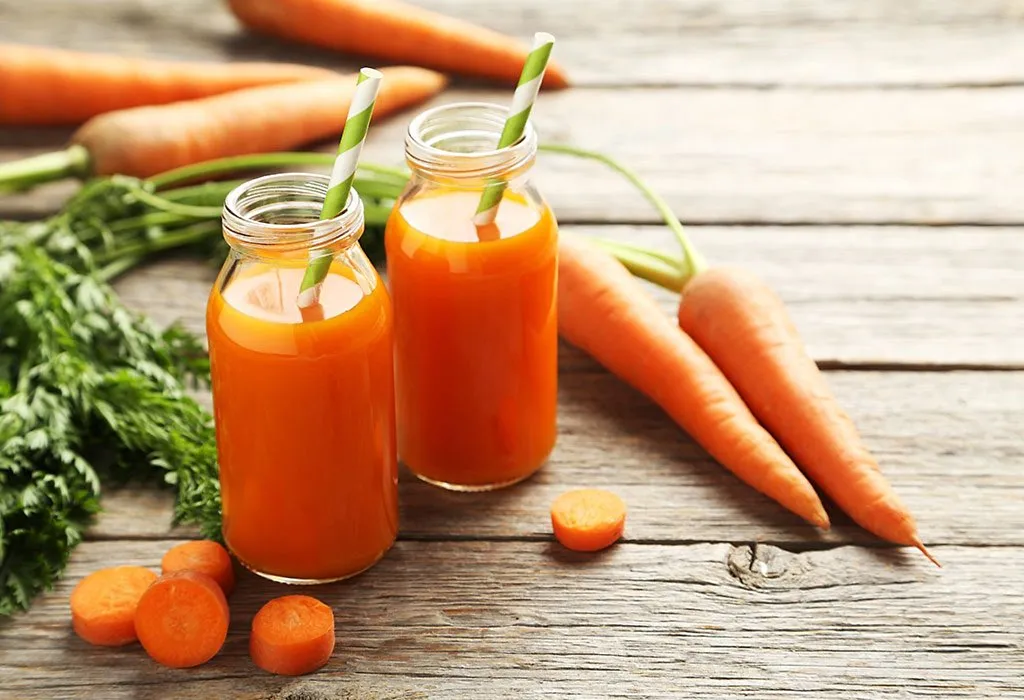
Let us discuss what may possibly go wrong:
- Carrots are orange or red in colour and, thus, when you consume them in higher amounts, your skin colour may turn pale or yellow. This is because carrots contain a substance called carotene, and excessive amounts may cause a skin condition called carotenemia (10).
- More than the required amounts of Vitamin A may not be good for your baby’s health. When you consume high amounts of carrots, your body loads up on more Vitamin A than required, which can hamper or interfere with foetal growth and development. This puts carrot juice for pregnancy in an unsafe category.
- Consumption of carrots may sometimes cause allergic reactions. It may lead to severe headaches, nausea, etc. You may need to exercise caution before adding carrots to your pregnancy diet.
- If you are suffering from a biliary tract infection in pregnancy, then it will be a good idea to limit the consumption of carrots.
- Drinking excessive amounts of carrot juice is also not good in pregnancy. Carrot juice in more than the required amounts may cause headaches and lethargy.
- Carrots, like many other fruits and vegetables, contain oxalates, naturally occurring substances that can form crystals and contribute to developing kidney stones in susceptible individuals.
- Suppose a pregnant woman consumes unusually large amounts of carrots or carrot juice over an extended period. In that case, she may suffer from Carotenemia, a condition characterised by a yellowish discolouration of the skin caused by excessive carotenoids.
Tips for Storing Carrots
Carrots may be seasonal, but with the right storage habits, you can enjoy their nutrients throughout the year. Here are some simple ways to keep them fresh and nutritious:
- Trim off the leafy tops as soon as you bring them home; this helps the carrots stay crisp for several days.
- Pick firm, unpeeled carrots without blemishes and store them in the fridge at around 0 to 4°C.
- If you prefer them prepped, cut the carrots into small pieces, soak them in clean water, and refrigerate them for a couple of days.
- Unwashed carrots last longer. Keep them in a sealed box in the vegetable drawer with a bit of moisture, and they’ll stay good for a few weeks.
- When you have a large harvest, layer the carrots in slightly damp sand in a bucket and store them in a cool, dry spot; this method can keep them fresh for up to 3 or 4 months.
- For long-term use, make fresh carrot juice, pour it into sterilised bottles, and lightly pasteurise it to extend its shelf life.
- You can also ferment carrots, which not only preserves them for several months but also adds a tasty probiotic twist.
Delicious Carrot Soup Recipe
If you are looking for an easy and drool-worthy recipe related to carrots for a pregnant woman, this is it. This easy carrot soup is scrumptious, healthy, and perfect in the cold weather.
Ingredients
- Garlic- 2 cloves (finely chopped)
- Ginger- 1-2 inches (finely chopped)
- Onion- 1 (finely sliced)
- Oil- 2 tbsp
- Carrots- 5 (chopped)
- Water- 2 cups
- Pepper- 1 tsp
- Salt- to taste
- Fresh cream- 1 tbsp
How to Cook?
- Heat oil in a pressure cooker and add the ginger and garlic. Sauté for two minutes.
- Add the onion and further saute for a minute or until light brown.
- Add the carrot and salt, top it up with water, and pressure cook for four whistles.
- Wait for the pressure to release, open, and wait until completely cool.
- Transfer only the cooked veggies to a blender, leaving out the water, and blend to a smooth paste.
- Transfer the paste to a vessel on the stovetop.
- Add the remaining water from the pressure cooker, little by little, till you reach the consistency you desire.
- Bring the soup to a boil and add the pepper.
- Serve with a dash of fresh cream.
FAQs
1. Is it safe to drink carrot juice in pregnancy?
Yes, it is generally safe to drink carrot juice during pregnancy. However, it’s important to consume it in moderation and ensure the juice is freshly prepared and free from contaminants.
2. What is the best time to drink carrot juice when pregnant?
There isn’t a specific best time to drink carrot juice during pregnancy. You can enjoy it at any time that suits your preference and fits well into your daily routine.
3. Should you eat raw carrots during pregnancy?
While raw carrots can be consumed during pregnancy, some individuals may find them harder to digest. Lightly cooking or steaming carrots can enhance their digestibility while retaining nutritional value.
4. Can consuming carrots in pregnancy help improve your baby’s eyesight?
Yes, consuming carrots during pregnancy can contribute to healthy vision. However, there’s no evidence that eating carrots during pregnancy could improve a baby’s eyesight. Carrots are rich in beta-carotene, which the body converts to vitamin A, an essential nutrient for eye health.
5. Can eating carrots during pregnancy improve my baby’s complexion?
While carrots can contribute to overall skin health, there is no conclusive evidence that eating carrots alone can significantly improve your baby’s complexion. A varied and balanced diet and proper skin care are important for maintaining healthy skin.
6. Is a carrot good for constipation when pregnant?
Yes, carrots are good for constipation during pregnancy. They are a great source of dietary fibre and water, which helps regulate bowel movements and alleviate constipation, a common discomfort during pregnancy (7).
7. Can excessive carrot consumption during pregnancy have any adverse effects on the baby?
Excessive consumption of carrots, particularly in supplements or concentrated doses, can lead to excessive vitamin A intake, which poses a risk to the baby’s development. However, consuming moderate amounts of carrots as part of a balanced diet is unlikely to affect the baby adversely. Maintaining a varied and well-rounded diet is important to ensure optimal nutrition for both you and your baby.
There is no denying the fact that carrots have immense health benefits for a pregnant woman, but the probable risks cannot be undermined. Carrots also add essential nutrients to your breast milk and nourish the baby post-birth. (5) If you plan to include carrots in your pregnancy diet, it is suggested that you consult your doctor about the same. Once your doctor approves and signals you to include it in your diet, you can reap many health benefits from carrots during pregnancy. However, ensure you do not go overboard with its consumption, as it may cause various complications and side effects.
Also Read:
Herbs in Pregnancy
Eating Beetroot during Pregnancy:
Spices You Can Consume and Avoid in Pregnancy
Shatavari (Asparagus Racemosus) when Pregnant
Was This Article Helpful?
Parenting is a huge responsibility, for you as a caregiver, but also for us as a parenting content platform. We understand that and take our responsibility of creating credible content seriously. FirstCry Parenting articles are written and published only after extensive research using factually sound references to deliver quality content that is accurate, validated by experts, and completely reliable. To understand how we go about creating content that is credible, read our editorial policy here.
1. Nemours Kids Health – Pregnant or Breastfeeding? Nutrients You Need
2. NIH – Vitamin A and Carotenoids
4. Harvard T.H. Chan – Vitamin A
5. PCRM – Foods To Boost the Immune System
6. UNM Health – Avoid Anemia: Tips to Get More Iron in Pregnancy
7. UNM Health – 5 Tips to Relieve Pregnancy Constipation
8. PubMed Cexntral – Health Effects of Carotenoids during Pregnancy and Lactation
10. Cleveland Clinic – Can Eating Too Many Carrots Turn Your Skin Orange?
- Author
- Expert Reviewer
 About the Author
Mahak Arora
Related Articles
-

Craving Ice While Pregnant - Is It Normal?
-
Is Mosambi (Sweet Lime) Juice Safe During Pregnancy?
-
Raspberry Leaf Tea in Pregnancy - Benefits, Side Effects, and More
-
Eating Water Chestnut (Singhara Fruit) During Pregnancy - Benefits and Side-effects
-
Mustard in Pregnancy - Types, Benefits, and Side-effects
-
Can You Drink Non Alcoholic Beer While Pregnant?