
Calcified Placenta in Pregnancy: Causes, Diagnosis, and Prevention





Medically Reviewed By
Dr. Sabiha Anjum
(Gynecologist/Obstetrician)


This health content has been medically reviewed by qualified experts and follows the FirstCry Parenting editorial policy to ensure accuracy and reliability.
Key Takeaways
- Placental calcification is usually a natural part of placental aging, especially near the end of pregnancy.
- Early or extensive calcification may require closer monitoring of your baby’s growth and well-being.
- Ultrasound is commonly used to identify and assess placental calcification.
- There is no proven way to prevent normal placental calcification, but healthy pregnancy habits can support overall maternal and fetal health.
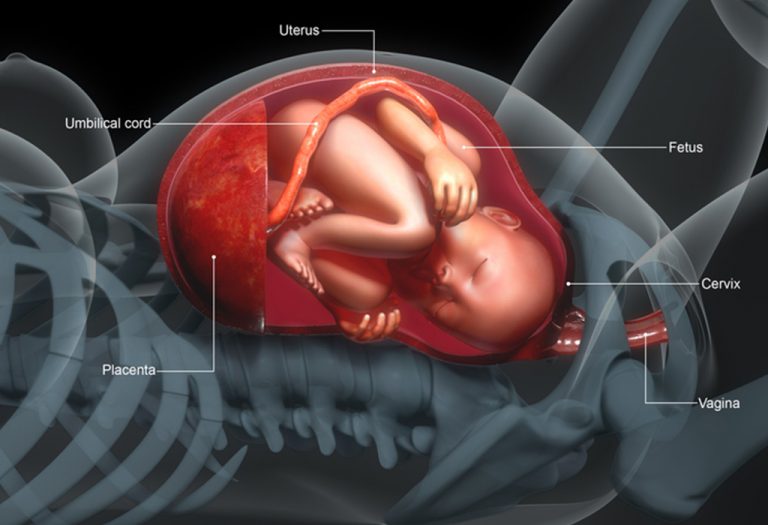
A calcified placenta means calcium deposits have developed in the placenta, often as part of the natural changes that occur as pregnancy progresses. In many cases, these deposits simply reflect a normally aging placenta, especially toward the end of pregnancy. However, when calcification appears earlier than expected or is more extensive, your doctor may recommend closer monitoring of your baby’s well-being.
But when should placental calcification raise concern, and what causes it to happen earlier? This article covers the possible causes and risk factors, how calcification is diagnosed on ultrasound, what it may mean for your pregnancy, and whether it can be prevented.
What Is a Calcified Placenta?
A calcified placenta refers to calcium deposits that develop within the placenta as it matures during pregnancy. This is a natural change that typically becomes more noticeable as the due date approaches, reflecting the placenta’s normal aging process. In most cases, late-pregnancy calcification is a common finding and does not indicate a problem with the pregnancy (1).
When Does Placental Calcification Occur?
Placental calcification can start as early as the 12th week of pregnancy and may gradually increase as the placenta matures. The timing and extent of these calcium deposits are commonly described using four stages, from stage 0 to stage 3 (2).
- Stage 0: Before 18 weeks of pregnancy
- Stage 1: 18-29 weeks of pregnancy
- Stage 2: 30-38 weeks of pregnancy
- Stage 3: Around 39 weeks of pregnancy
What Causes Placental Calcification?
Calcification of the placenta is quite common, with over half of all placentas showing some level of calcification when a pregnancy reaches full term. Some of the possible causes for the calcification of placenta include (3):
- Smoking
- Hypertension
- Bacterial presence in the placenta
- Placental abruption
- Unexpected reaction to supplements or medication
- Exposure to radiation or low-frequency noise
What Are the Symptoms of a Calcified Placenta?
The most common symptoms indicating placental calcification include less or no movement of the baby, even though they are close to term. We recommend seeking medical advice immediately if you notice any of the following (4):
- If you haven’t felt any movement from your baby by the time you reach 24 weeks of pregnancy.
- If your baby’s movements are noticeably reduced compared to their usual activity.
- If, during the third trimester, your baby moves less than ten times within a span of 1-2 hours.
How Is the Age of the Placenta Calculated?
Estimating the exact age or calcification of the placenta is difficult. Trained radiologists who conduct ultrasounds may be able to tell you the approximate age of the placenta through the ultrasound images. However, different doctors may have different interpretations of the same image.
How Is Placental Calcification Diagnosed?
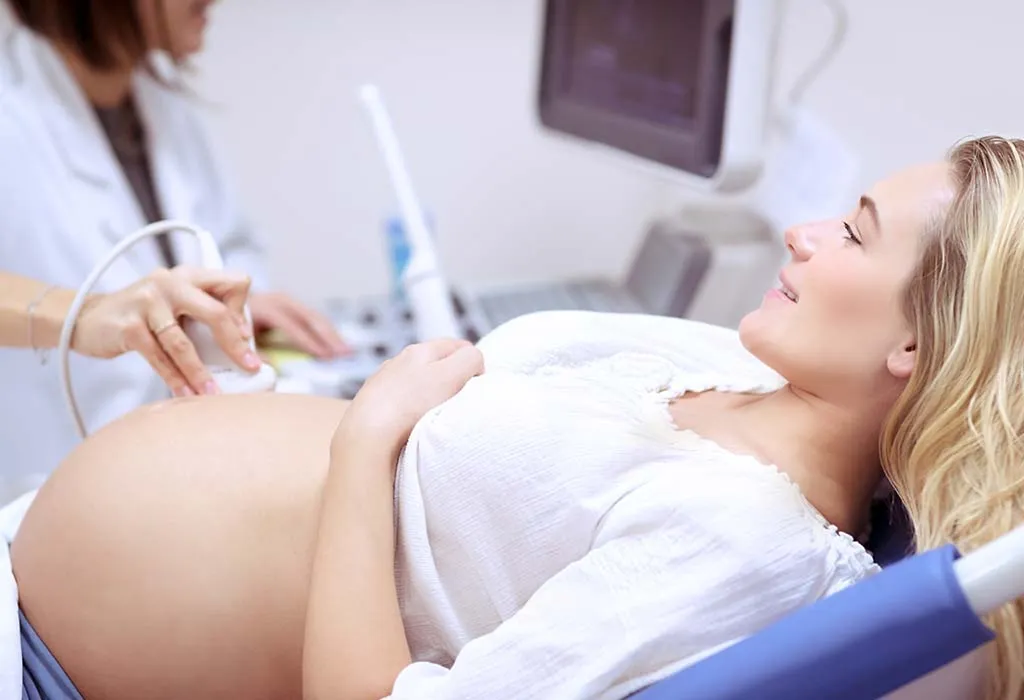
The solitary way in which we can diagnose placental calcification is through pelvic ultrasonography (5). However, in many cases, it gets diagnosed during the routine sonography that is conducted during pregnancy.
How Does Placental Calcification Affect Delivery?
Placental calcification near the end of the pregnancy period is termed normal. In fact, the start of placental calcification could mean that you are nearing your delivery time. However, calcification before the 37th week or the maturity of the foetus can pose a problem for the baby. It can cause low birth weight, preterm birth and, in rare cases, the death of the foetus (6). However, with immediate medical intervention and continuous monitoring of the mother and baby, it can be taken care of. Let’s understand placental calcification at different weeks and what it implies.
1. Calcification of Placenta Before 32 weeks
- If calcification starts before the 32-week gestation, it is termed as early preterm placental calcification.
- The start of calcification at this period of pregnancy can be extremely dangerous for the mother as well as the baby (7).
- The mother may experience postpartum haemorrhage and placental abruption.
- The baby may be born preterm and may experience all types of risks associated with premature births.
- The baby may have a very low Apgar score and a low birth weight.
- In rare cases, the foetus may die in the mother’s womb itself.
2. Calcified Placenta Between 28 and 36 weeks
- Pregnant women, who suffer from hypertension, diabetes, kidney disorders, anaemia, cardio problems etc., or in other words, women with high-risk pregnancies, are more at risk or danger than women with low-risk pregnancies or normal pregnancies.
- It requires continuous monitoring of the foetus and the mother by doctors.
- Calcification at this stage of pregnancy could result in adverse outcomes for the mother as well as the foetus.

3. Placental Ageing at 36 weeks
- Grade III placental calcification can induce hypertension during pregnancy which can prove to be fatal for the foetus and result in pregnancy-related complications for the mother.
- The baby born in this condition will probably have a low birth weight.
- The mother has to have a preterm delivery which will in all probability, be through C-section.
4. Placental Calcification from 37 to 42 weeks
- Delivery from the 37th week onwards can be termed as safe. The foetus is fully matured and may not face any risks.
- The weight of the baby is usually normal.
- Doctors do not term it as risky for the mother or the baby.
- However, babies should be delivered before the 42nd week since placental calcification makes the placenta incapable of delivering nutrition and oxygen to the foetus. An inadequate supply of oxygen could also pose a risk to the baby’s brain and damage it.
Can Early Placental Calcification Affect the Baby?
Premature placental calcification may pose several complications for the mother and baby. Since it is a condition wherein deposits of calcium form in the placenta and obstruct the flow of oxygen and nutrients to the foetus, it can be termed as a dangerous condition. As the baby does not receive the required amount of nutrients or oxygen, it has to be delivered preterm, which results in low birth weight. Due to the calcification process, some parts of the placenta become dead and don’t function normally. The obstruction of oxygen can also damage the baby’s brain and prove to be fatal.
Can Placental Calcification Be Prevented?
Placental calcification can hinder a baby’s development inside the mother’s womb and also cause several other complications. Placental calcification symptoms like less movement of the foetus than usual, the smaller size of the abdomen than in earlier pregnancies, vaginal bleeding or experiencing contractions before the 37th week should immediately be brought to the notice of your doctor.
One of the main causes of calcification of the placenta is smoking during pregnancy. Therefore, it is important that pregnant women forgo smoking during pregnancy. It has also been seen that nanobacteria which also causes kidney stones are one of the reasons behind this condition (8). However, there are no ways to prevent it. It can be found in the bloodstreams of healthy people too.
However, regular intake of vitamins, nutrients and healthy food which contains antioxidants can stop preterm ageing of the placenta. Foods containing Vitamin E, Vitamin C and Beta carotene should be taken in more quantity to prevent this serious condition during pregnancy. The condition is most likely to affect women who get pregnant at an early age. Therefore, avoiding pregnancy until your body matures can be a way to avoid premature ageing of the placenta.
FAQs
1. Is there any treatment for calcified placenta?
There is no placenta calcification treatment or the ageing of the placenta. It is a natural progression of the organ.
2. Which placenta grade is good for normal delivery?
During pregnancy, the placenta undergoes a natural process of calcification, which is categorised into four grades ranging from 0 (the least mature) to 3 (the most mature placenta). These grades indicate the level of calcium deposits within the placenta, starting from none in grade 0 and increasing as it progresses to grade 3.
3. Can a calcified placenta cause premature delivery?
A calcified placenta does not necessarily cause premature delivery. However, calcified placenta complications may be associated with certain pregnancy concerns when calcification occurs early or is extensive. Your doctor may recommend additional monitoring to assess your baby’s growth and overall well-being.
The exact cause of placental calcification is not known. However, following a healthy lifestyle, eating nutritious foods, and going for regular check-ups during pregnancy could prevent it or detect the condition.
Also Read:
Placenta Previa
Anterior Placenta in Pregnancy
Does Placental Lakes Affect Pregnancy?
Common Positions of the Placenta in Pregnancy
Was This Article Helpful?
Parenting is a huge responsibility, for you as a caregiver, but also for us as a parenting content platform. We understand that and take our responsibility of creating credible content seriously. FirstCry Parenting articles are written and published only after extensive research using factually sound references to deliver quality content that is accurate, validated by experts, and completely reliable. To understand how we go about creating content that is credible, read our editorial policy here.
- Author
- Expert Reviewer