
10 Pregnancy Complications Every Expectant Mother Should Be Aware Of





Medically Reviewed By
Dr. Priyanka Kalra
(Gynecologist/Obstetrician)


This content has been reviewed by a qualified expert and follows the FirstCry Parenting editorial policy to ensure accuracy and reliability.
Complications are health problems that occur during pregnancy that can involve the health of the mother, the baby or both. Complications can be experienced even by women who have been healthy before, and those who have had problems before have a higher chance of experiencing them again. Complications can make the pregnancy a high-risk pregnancy that requires regular care and monitoring. Although most pregnancies are uncomplicated, it is helpful to know which ones are likely to affect expectant mothers.
The pregnancy complications list compiled here discusses various commonly occurring complications during pregnancy that all expectant mothers need to be aware of.
What Is a Pregnancy Complication?
A pregnancy complication is a health condition that affects the mother, baby, or both during pregnancy. Some complications are mild and manageable, while others may require urgent medical attention. Regular prenatal check-ups help identify potential risks early and improve outcomes for both mother and baby (1).
Common Complications During Pregnancy
1. Miscarriage
Miscarriage is a loss of pregnancy in the first 20 weeks of gestation, and is also known as a “spontaneous abortion” in medical circles. More than 80% of miscarriages occur within 12 weeks, and about 10 -20% of the pregnancies that are known end in a miscarriage. It is characterised by vaginal spotting or bleeding, which may be accompanied by abdominal pain and cramps (2). When these symptoms are observed, you must contact your doctor or midwife immediately so they can perform further tests, such as an ultrasound scan or a blood test, to confirm a miscarriage.

Miscarriage is one of the most common pregnancy complications in the first trimester, and about 50 to 70% of them are thought to occur due to chromosomal abnormalities in the fertilised egg, such as an incorrect number of chromosomes in the egg or the sperm. Sometimes, problems during the critical process of early development can also lead to a miscarriage, such as an embryo with physical defects, or an egg that implants improperly. Factors such as age, chronic disorders, uterine or cervical problems, a history of birth defects, or lifestyle choices such as smoking, drinking, and drug abuse are known to increase the risk of miscarriages.
2. Premature Labour and Birth
Premature or preterm labour is when women start having regular contractions that result in the cervix dilating or thinning out (effacing) before they reach 37 weeks. A preterm birth is when the baby is delivered before 37 weeks, and it is considered premature. However, going into preterm labour doesn’t mean the baby will be premature. About half of the women who experience preterm labour go on to deliver at 37 weeks or later (3). About a third of preterm births are planned; if the mother or the baby has a complication and is not doing well, in cases such as severe preeclampsia or if the baby’s growth has stopped. The medical team then might induce labour early, or perform a C-Section prior to 37 weeks.
The symptoms of preterm birth include:
- Higher-than-usual vaginal discharge
- Leaking watery fluid that is mucous-like, which is bloody or tinged with blood.
- More than four contractions in an hour with or without abdominal pain, menstrual–like cramping
- Pressure in the pelvic region with a feeling that the baby is pushing down
- Low back pain that feels dull or rhythmic, when you didn’t previously have back pain
3. Preeclampsia
Preeclampsia is one of the high-risk pregnancy complications that occurs mostly during the third trimester, but can start at any time after the second half of the pregnancy, or even up to six weeks after delivery. Preeclampsia leads to high blood pressure by causing the blood vessels to constrict and damage vital organs in the body, such as the kidneys, liver, and brain. The condition may not cause any symptoms in some cases, but it can be potentially life-threatening. Restricted blood flow to the uterus from preeclampsia causes problems such as too little amniotic fluid, poor growth, and placental abruption. The condition can cause small blood vessels to leak fluid into body tissues, resulting in swelling (oedema), and when the tiny blood vessels leak in the kidneys, some of the protein from the blood spills into urine (4).
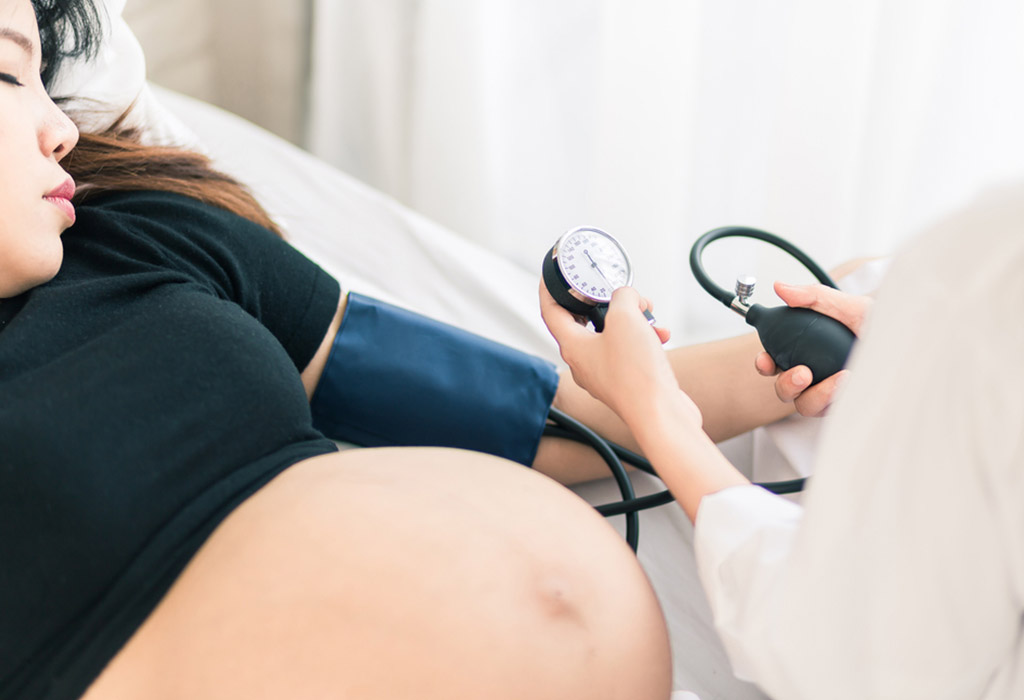
The symptoms of preeclampsia include:
- Swelling or puffiness in the face and around the eyes
- Swelling in hands, feet, and ankles
- Gaining more than 2 kg in a week (that often results from water retention)
However, not all women with weight gain or swelling have preeclampsia. If you notice symptoms such as severe headache, vision changes, nausea, and vomiting along with the rest of the warning signs, contact your doctor immediately. If the preeclampsia is not controlled, it results in eclampsia, which causes convulsions in the mother.
4. Low Amniotic Fluid (Oligohydramnios)
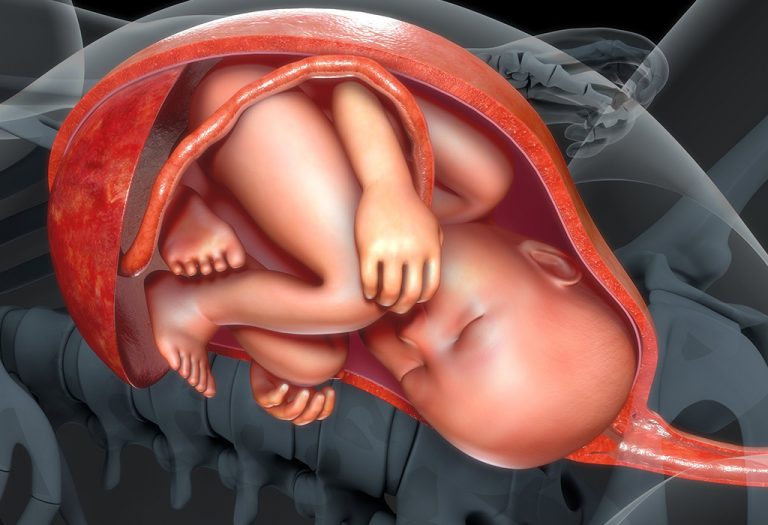
Amniotic fluid fills the amniotic sac, which protects and supports the developing baby. Its function is cushioning the baby from impact, maintaining a constant temperature in the womb, protecting against infection, and preventing compression of the umbilical cord, which would reduce the baby’s oxygen supply. Normally, the amount of amniotic fluid increases until the start of the third semester, and after 34 to 36 weeks, it gradually decreases. When there is too little amniotic fluid, the condition is called oligohydramnios. It is measured by an ultrasound scan to check the amniotic fluid index (AFI). In the third semester, a normal measure would be between 5 and 25 cm. Less than 5 cm is considered low. However, practically, 8 cm is the lower limit. Low levels of amniotic fluid can cause foetal abnormalities when it occurs in the first or second trimester. Labour is induced in women who are near term with low amniotic fluid if the baby isn’t thriving well or the mother has preeclampsia.
5. Ectopic Pregnancy
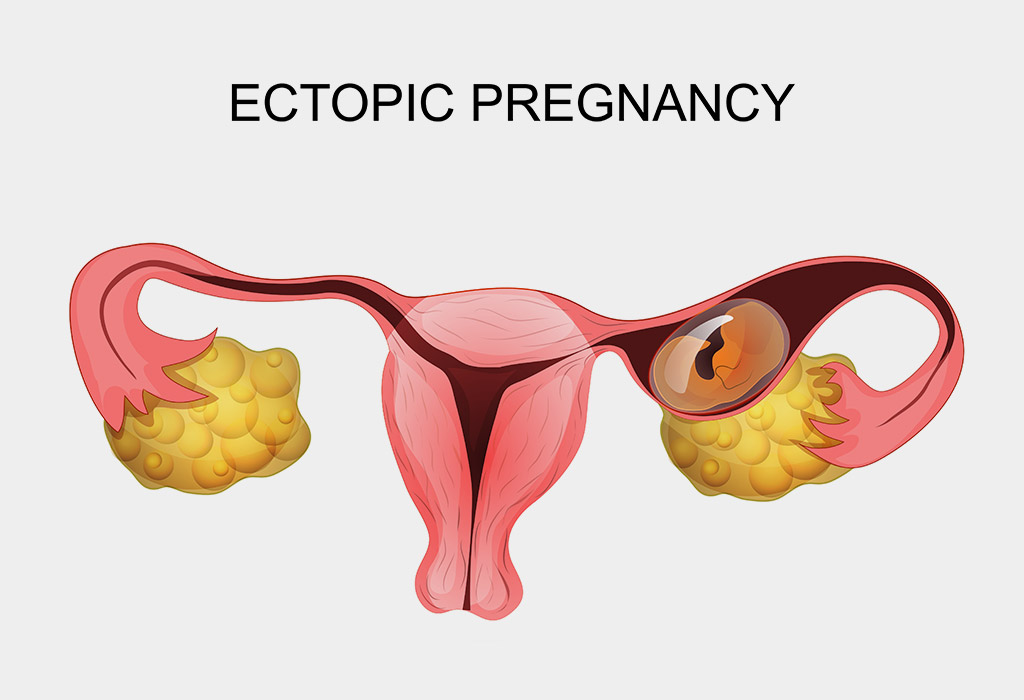
Ectopic pregnancy occurs when a fertilised egg implants outside the uterus. This condition is potentially dangerous and must be treated immediately. Around 2% of pregnancies are ectopic, and since there is no way to transplant an ectopic pregnancy into the uterus, it must be terminated. It occurs when, after conception, the fertilised egg travels down the fallopian tube on its way to the uterus. If the tube is unable to propel the egg toward the womb or is blocked or damaged, the egg might implant there and continue to develop. Since most ectopic pregnancies occur in the fallopian tubes, they are often termed tubal pregnancies. Unrecognised ectopic pregnancies can result in a ruptured fallopian tube, causing severe internal bleeding and abdominal pain, accompanied by tube damage, tube loss and can be fatal if the bleeding is heavy.
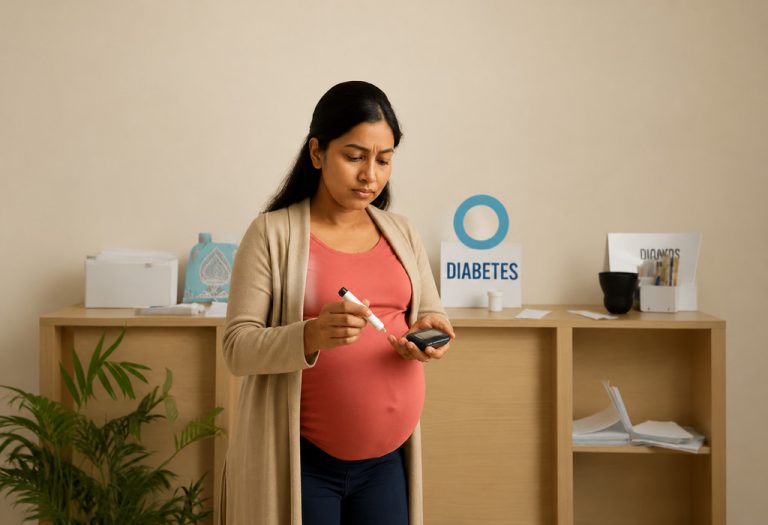
6. Gestational Diabetes
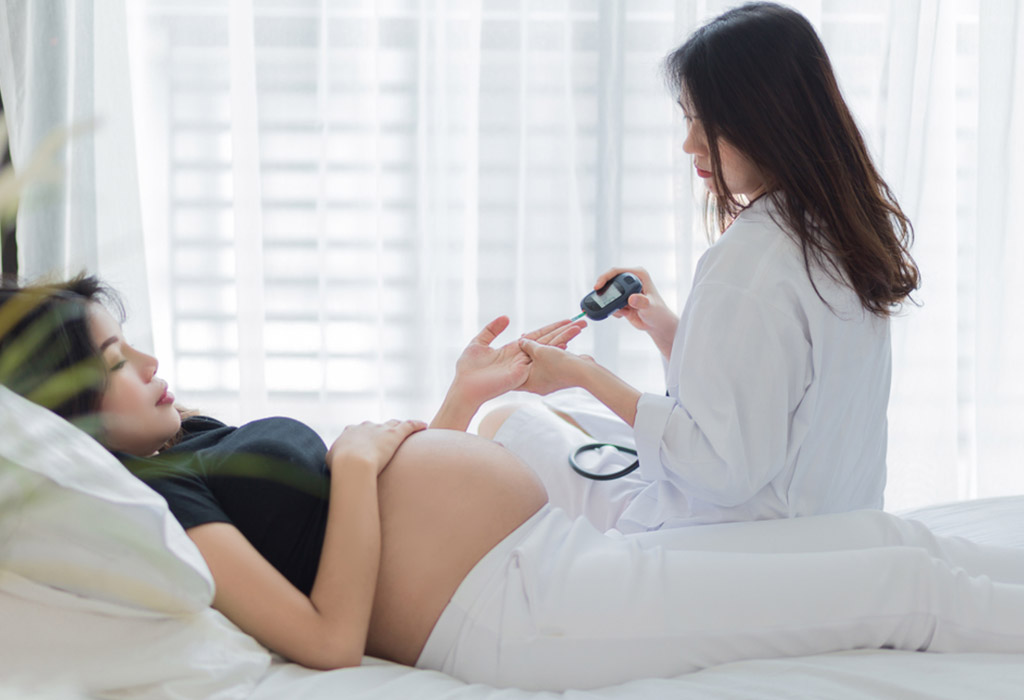
It is one of the most common complications during pregnancy and occurs when a woman who didn’t have diabetes before the pregnancy develops it during the pregnancy. Gestational diabetes can cause the blood sugar levels to become too high and is a serious problem for the baby. Unlike other types, gestational diabetes isn’t permanent, and the blood sugar levels return to normal after the baby is born. However, it puts a woman at a 25 to 50% risk of developing type-2 diabetes later in life. Diet Plan for Gestational Diabetes might be an option worth considering.
7. Placenta Previa
Placenta praevia is a condition in which the placenta is lying unusually low in the uterus, is next to the cervix or covers it. The placenta, under normal conditions, is located close to the top of the uterus and supplies the baby with nutrients through the umbilical cord. Although it is not a problem early on in the pregnancy, if it remains dangerously low as the pregnancy progresses, it can cause bleeding and other complications. Ultrasound scans during mid-pregnancy check for the condition, and it usually corrects itself in a small percentage of women. The condition occurs in up to 1 in 200 deliveries, and since the placenta is close to the cervix, the baby has to be delivered by C-section.
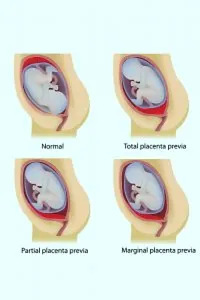
Image Credit : Pinterest
8. Infections During Pregnancy
The baby is well-protected against most passing illnesses by the mother’s body, such as a cold or a stomach bug. But some diseases can harm both the mother and the baby, with consequences such as birth defects in the child. Some of them include:
- Bacterial Vaginosis (BV): Vaginal infection linked to preterm birth and low birth weight in babies
- Group B Strep (GBS): A bacterial infection that can be deadly to the baby if passed during childbirth
- Cytomegalovirus (CMV): A viral infection that leads to hearing and vision loss and other disabilities
- Toxoplasmosis: Parasitic infection when passed from mother to baby leads to vision and hearing loss, along with other disabilities
- Urinary tract infections (UTI): Bacterial infections that can cause preterm labour
9. Hyperemesis Gravidarum
Unlike regular morning sickness, this condition causes severe nausea, vomiting, dehydration, and weight loss during pregnancy. Medical treatment may sometimes be necessary. While morning sickness is a common symptom during pregnancy, with up to 80% of women reporting experiencing it, it is not as intense as hyperemesis gravidarum. The condition starts to subside on its own or disperse completely after the first trimester’s 12 weeks. Lack of nutrients and fluid causes a majority of complications, such as low body weight or preterm birth. If there is excessive bleeding, you may also experience side effects like bleeding in the throat (5).
10. Blood Clots
Pregnancy increases the risk of blood clots because the body naturally changes to reduce bleeding during childbirth. Sudden swelling, pain, or breathing difficulty should never be ignored (6).
Who Is More Likely to Have Pregnancy Complications?
Certain health and lifestyle factors may increase pregnancy-related risks (1) (6).
- Women above 35 years or below 18 years of age.
- Those with diabetes, hypertension, or heart disease.
- Women carrying twins or multiple babies.
- Pregnant women with obesity or poor nutrition.
- Those with a history of pregnancy complications.
- Women who smoke, consume alcohol, or use drugs.
- People with limited or delayed prenatal care.
How Can Pregnancy Complications Be Prevented?
Healthy habits and timely medical care can lower the chances of serious pregnancy complications.
- Start prenatal care as early as possible. That starts with consulting a doctor and getting everything diagnosed to learn about any deficiency or a potential complication.
- Take prenatal vitamins, including folic acid, early on in conceiving. It is usually advised to start the folic acid supplement before pregnancy and continue it during pregnancy. Doctors advise women planning to conceive to take about 400 mcg of folic acid to avoid the risks of birth defects like neural tube defects.
- Maintain a balanced pregnancy-friendly diet. Consume plenty of fresh fruits and vegetables, leafy greens, healthy fats (nuts, olive oil), lean meats, pasteurised dairy and eggs, and plenty of water.
- Stay physically active after medical approval. Engage in moderate exercises, like walking, swimming, and prenatal yoga. You can even try meditation, your favourite hobby, or a new pastime activity you may want to try.
- Avoid smoking, alcohol, and recreational drugs. All these can have grave effects on the health and development of the growing fetus.
- If you have any ongoing medical conditions, it is advised to consult your doctor and start managing those existing medical conditions carefully.
- Attend all scheduled pregnancy check-ups.
When to Consult the Doctor?
If at any stage of your pregnancy, you experience any of the following symptoms, do not ignore them and get immediate medical guidance:
- Severe headaches or blurred vision
- Heavy bleeding or fluid leakage
- Persistent vomiting and dehydration
- Sudden swelling of the face, hands, or feet
- Fever or signs of infection
- Reduced baby movement
- Chest pain or breathing difficulty
- Painful contractions before 37 weeks
FAQs
1. Are pregnancy complications always dangerous?
Not always. Many pregnancy complications can be managed safely when detected early through regular prenatal visits. This is why doctors prescribe screening tests in early pregnancy and provide preventive information to stay safe throughout the pregnancy.
2. Does stress increase pregnancy complications?
High stress levels can be instrumental in affecting sleep, increasing blood pressure, and degrading overall pregnancy health. Thus, stress management in pregnancy is important to be done on time.
3. What are the first-trimester pregnancy complications?
Complications of first-trimester pregnancy include miscarriage, severe morning sickness, or ectopic pregnancy (7). Although mild symptoms like nausea, back pain, or spotting are common, heavy bleeding, severe cramping, and frequent or intense dizziness demand immediate medical assistance to ensure the mother’s safety (8).
4. Can pregnancy complications affect the baby?
Some complications may increase the risk of premature birth, low birth weight, diabetes, or developmental issues.
5. Can healthy women develop pregnancy complications?
Yes. Even healthy pregnancies may sometimes develop unexpected complications. There is no fixed rule that healthy women cannot develop any complication.
Although complications are a cause for concern, they are not a cause for despair. Complicated pregnancies, when taken care of and monitored on a regular basis, can turn out well for both the mother and the baby.
Also Read:
Overdue Pregnancy
Overeating in Pregnancy
Malnourishment while Pregnant
Common Problems during Pregnancy
Pregnancy Problems in the Third Trimester
Was This Article Helpful?
Parenting is a huge responsibility, for you as a caregiver, but also for us as a parenting content platform. We understand that and take our responsibility of creating credible content seriously. FirstCry Parenting articles are written and published only after extensive research using factually sound references to deliver quality content that is accurate, validated by experts, and completely reliable. To understand how we go about creating content that is credible, read our editorial policy here.
- Author
- Expert Reviewer


Related Articles
-

Gestational Diabetes Mellitus
-
Large for Gestational Age Babies - Causes, Symptoms, and Treatment
-
Blood Clot in the Uterus During Pregnancy
-
Placenta in Pregnancy - Functions and Complications
-
9 Tips to Lower Your Chances of Miscarriage After IVF
-
Meet The Real Life Miracle Baby Born to a Mom With No Muscles!