
Bronchitis During Pregnancy – Causes, Risks, and Prevention
Learn how to treat bronchitis safely during pregnancy with doctor-approved care and relief tips.





Medically Reviewed By
Dr. Aruna Kalra
(Gynecologist/Obstetrician)

This health content has been medically reviewed by qualified experts and follows the FirstCry Parenting editorial policy to ensure accuracy and reliability.
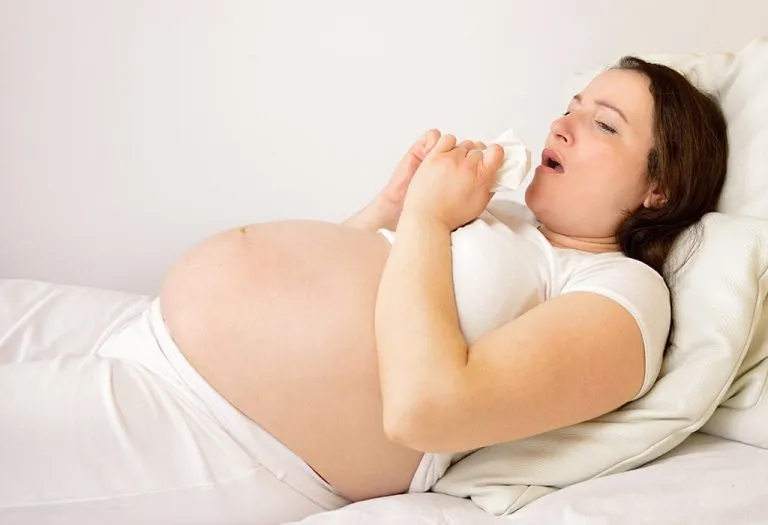
In case you feel like you have come down with a bad cough or sore throat, you may want to consult your doctor, as it may be a case of bronchitis during pregnancy. What could feel like a normal cold or flu, could actually be untreated bronchitis. But, why? Pregnancy can make you more susceptible to common illnesses as your immunity is lowered at this time to make room for the baby in your body. Not only will you catch a cold or flu faster than usual, but these illnesses may even last longer than they would before. It is important not to take your health lightly and consult a doctor if it is compromised, especially in cases of bronchitis and pregnancy. And how to know if you have bronchitis in pregnancy? Let’s find out everything about acute bronchitis and pregnancy in this article.
What Is Bronchitis?
Bronchitis is characterised by an inflammation of the airways or the lower respiratory tract, which can make it difficult for you to breathe. Also, a viral infection in the mucous membrane can cause you to develop extra mucous, which makes it harder for the bronchi to clear themselves. About 95% of bronchitis cases in healthy adults are due to viruses, and bacterial bronchitis cases are less common and unusual (1).
Bronchitis may be of two main kinds – acute and chronic.
- Acute bronchitis is common among pregnant women and is caused by viruses. This is a temporary inflammtion of the bronchial tubes in the lungs that is often followed by a cold or flu. Acute bronchitis typically resolves in a few weeks (2).
- This is a temporary kind of inflmmation in the that can be treated easily.
- Chronic bronchitis lasts from several months to several years and causes damage to the lungs as the infection keeps coming back.
Is It Contagious?
According to the Cleveland Clinic, Bronchitis, which is the inflammation of the airways, isn’t contagious, but its causes (viruses and bacteria) are. If the bronchitis is caused by a virus, you would be contagious for a few days to a week. If the bronchitis is caused by bacteria, you would be contagious for not more than 24 hours after starting antibiotics (3).
Other pathogens causing bronchitis are not contagious.
Let us explain to you with an example: If you are sick with the flu, you might get bronchitis (there’s a probability of inflamed airways). But if someone gets the flu from you, they won’t particularly get bronchitis, but the flu.
Causes of Bronchitis During Pregnancy
Some of the common causes of bronchitis are:
1. Virus and Bacteria
Almost 95% of the cases of bronchitis are due to viruses. It is caused by the same viruses that spread flu and cold: rhinoviruses, parainfluenza viruses, and adenovirus. It can also be caused by bacteria, such as Mycoplasma pneumoniae and C pneumoniae (4). Mucus that builds up due to the flu or a cold can also cause bronchitis. Most of the viral cases are observed in the influenza season.
2. Irritants
Common breathing irritants like smoke from cigarettes, dust particles, chemical fumes, etc., can trigger bronchitis (4). They can also worsen inflammation, which can lead to chronic bronchitis, be harmful to the baby, and cause respiratory tract conditions and congenital effects.
3. Prolonged Exposure to Certain Substances
Long exposure to dust, grain, ammonia, strong acids, chlorine, and others can also be the cause of bronchitis.
Signs & Symptoms of Bronchitis in Pregnancy
The symptoms of bronchitis in pregnant women may be slightly more severe than in others. Some of the commonplace signs are (5):
- Cough
- Difficulty in breathing or a feeling of choking in the throat
- A low fever or a steady rise in temperature
- Sore throat
- Weakness in the body, fatigue, and body aches
- Chest pains
- Lack of appetite
- Shortness of breath
- Dry cough
- Irritability
You may also produce mucous, which can be yellow, grey or even clear-coloured.

Diagnosing Bronchitis While Pregnant
The first diagnosis is usually carried out in the form of a physical exam. After noting the symptoms, the larynx is examined for redness, and the ribs are examined to detect any swelling. The doctor will also use a stethoscope to listen to the heartbeat.
Although a chest X-ray is done to determine the extent of the infection, it may be avoided in pregnant women to prevent the risk of radiation to the foetus. The sputum (the mucus coughed up from the lungs) test is done to determine whether the condition can be treated with antibiotics. It can also be tested for any allergies.

A different test is conducted to rule out other diseases like pneumonia and tuberculosis that show similar symptoms. Pulmonary function tests, in which you have to blow into a device called a spirometer, can be conducted to check the amount of air that the lungs can hold.
An accurate diagnosis is generally obtained from blood tests, which detect signs of inflammation and measure the haemoglobin (Hb) and hematocrit (Ht) levels.
Risks of Bronchitis While Pregnant
While it is unlikely that you will develop any serious complications due to bronchitis, there are a few risks that you need to be mindful of.
1. Difficulty in Breathing
Due to the inflammation of the bronchial walls, your lungs may take in a lower amount of oxygen, which in turn may hamper the level of optimal oxygen that the foetus requires.
2. Medications That Interfere With Baby’s Growth
Certain antibiotics and drugs may interfere with the development of the baby. Hence, doctors usually recommend alternative remedies and rest, and only administer medications when all other methods have failed.
3. Pneumonia
Fever is a symptom of bronchitis. Sometimes, this temperature may increase, and you may develop pneumonia, putting your baby at risk.
Bronchitis Treatment When Pregnant
The treatment of bronchitis in pregnancy is usually with antibiotics. Bronchitis caused by bacterial infection is treated with an antibiotic prescription. However, it is important to exercise caution over the choice of antibiotics as many of them are considered to be harmful to the foetus.
Some antibiotics that are safe during pregnancy include amoxicillin, erythromycin, clindamycin, penicillin, ampicillin, and nitrofurantoin (6).

Antibiotics like sulfamethoxazole, tetracycline, and trimethoprim can cause harm to the baby. Also, sulfamethoxazole and trimethoprim are known to be responsible for birth defects in the baby (7).
However, if your bronchitis has stemmed from a virus, you will not need antibiotics as they are ineffective against viruses. This kind of infection will get better on its own. However, if the symptoms persist, you may be diagnosed with a bacterial infection and administered antibiotics.
Trimester-Wise Treatment
Timely treatment, when the symptoms are first noticed, can help prevent bronchitis from further affecting the mother and the baby. Treatments for pregnant women can also be dependent on the trimester they are in. Take a look at a detailed treatment for bronchitis during pregnancy in the first, second and third trimesters.
During the first trimester, a Bioparox drug will be prescribed to reduce inflammation by targeting the infection. In the first trimester, you will usually be given an antibiotic that belongs to the penicillin group.
During the second trimester, cephalosporin antibiotics, which are safe for the baby, are prescribed. Expectorants like bromhexine, halixol, ambroxol and mukaltin, which help clear the mucous, are prescribed for a cough.
During the third trimester, if there is an intrauterine infection, intravenous immunoglobulin therapy is done. Based on the severity and the nature of the condition, treatment for preterm labour or possible miscarriage may also be done.
Home Remedies for Bronchitis During Pregnancy
As soon as you feel the onset of bronchitis, you may want to begin a few home remedies to relieve the condition without having the need to take medications. Some of the best home remedies for acute bronchitis while pregnant are:
1. Gargling With Salt Water
Gargling with salt water is one of the best natural remedies for bronchitis while pregnant. Stir one teaspoon of salt in about 250 ml of water and gargle with the same. This can relieve you of a sore throat and help you get rid of mucous.
2. Turmeric
Turmeric is loaded with anti-inflammatory properties and can help you clear out mucous and ease a sore throat. Just add one teaspoon of turmeric powder to milk and boil it. Drink it when it’s warm.
3. Ginger
Ginger is another kitchen essential that has anti-inflammatory properties. Grate some ginger into boiling water and drink this liquid once warm. You may also want to add some honey to sweeten it. Ginger can also treat the common cold effectively.
4. Lemon-Honey Mixture
Take a glass of warm water, squeeze some lemon in it, and add a spoonful of honey. Lemon is rich in Vitamin C and flavonoids that fight infection, and honey has antiviral and antibacterial properties.
5. Inhale Steam
Bring a pot of water to a boil, take it off the heat, and inhale the steam once the water stops bubbling. You may want to throw a towel over your head to take in all the steam, which can help clear out any congestion in your throat and nose.
6. Irrigate Your Nasal Passage
Mix 250 ml of water with half a teaspoon of baking soda and salt. Lean over a sink at a 45-degree angle so that your nostrils are pointing in the direction of the sink. You can use a syringe or a squeeze bottle to pour the mixture into one of the nostrils as you breathe through your mouth. The solution will come out of the other nostril. This, when repeated several times a day, can help relieve difficulty in breathing.
7. Yoghurt
Yoghurt has healthy bacteria, also known as probiotics, which can help alleviate respiratory tract infections.
Prevention of Bronchitis in Pregnancy
Proper precautions during pregnancy can minimise the possibility of contracting bronchitis, if not prevent it altogether. Here are a few preventive measures that you can keep in mind.
- Take a doctor-prescribed inactivated flu vaccine during pregnancy to reduce the risk of flu complications, including bronchitis (8).
- Stay away from people suffering from bronchitis. Use a mask around anyone who is suffering from a cold or flu to avoid germs.
- Wash your hands frequently to reduce the risk of viral infections.
- Keep away from allergens and irritants like smoke, chemical fumes, etc.
- Build your immunity with proper sleep, exercise, diet, and lifestyle.
- Avoid cigarette smoke, and wear face masks while going out.
- Avoid crowded places, especially during the flu and cold season.
How Long Does It Take To Recover?
Bronchitis during pregnancy usually takes about two to three weeks of recovery, as the body fights the virus and repairs inflamed airways. Most often, the troubling symptoms improve within a few days to a week, whereas a lingering cough may stay beyond three weeks. In some cases, where the mother’s immunity is extremely low, the symptoms can last for more than four weeks.
When to Seek a Doctor’s Help?
Because of low immunity, bronchitis can very quickly and easily progress in pregnant women, further developing into pneumonia if left untreated. Immediate medical assistance is advised if you are pregnant with bronchitis and experience the following symptoms:
- Fever above 38 degrees Celcius
- Chest pain
- Shortness of breath
- Coughing up blood
FAQs
Here are a few frequently asked questions about bronchitis.
1. Can You Use Albuterol Inhalers if You Have Bronchitis?
Albuterol inhalers are known to interact with the medications prescribed for bronchitis and may pose a risk to women with underlying heart conditions caused by high blood pressure and heart rate. They are also known to have teratogenic effects on the baby; in other words, they may hamper the development of the foetus.
2. Can You Use Steroids for Bronchitis?
Many doctors commonly prescribe steroids during pregnancy to treat pre-existing medical conditions, allergies, and asthma.
3. What can I take for bronchitis while pregnant?
If you are looking for medicated options for bronchitis, your doctor can prescribe you antibiotics, but they aren’t always necessary. At home, you can try simple home remedies that provide symptomatic relief for flu and cold, such as gargling with saltwater, lemon and honey water, and ginger tea.

4. Can Extreme Coughing Affect Your Unborn Baby?
Coughing can cause physiological stress in the pregnant woman, leading to the release of a hormone called cortisol. This hormone, when it reaches the placenta, may cause adverse reactions in the baby and lead to birth defects or even low birth weight in the baby.
Bronchitis in pregnancy is a common condition. While viral bronchitis can resolve itself with proper home remedies and care, it is important to take proper precautions to prevent contracting bronchitis. In case the symptoms of bronchitis do not subside within a few days, you may have a bacterial infection and will need to consult your doctor immediately. Ensure that you stay informed about the drugs and antibiotics that you can and cannot take during pregnancy to prevent causing any harm to the baby.
Also Read:
Listeria in Pregnancy
Typhoid during Pregnancy
Torch Infection while Pregnant
Dry Cough During Pregnancy
Was This Article Helpful?
Parenting is a huge responsibility, for you as a caregiver, but also for us as a parenting content platform. We understand that and take our responsibility of creating credible content seriously. FirstCry Parenting articles are written and published only after extensive research using factually sound references to deliver quality content that is accurate, validated by experts, and completely reliable. To understand how we go about creating content that is credible, read our editorial policy here.
1. Springer Nature Link – Bronchitis During Pregnancy and in the Postpartum Period
2. Familydoctor.org – Acute Bronchitis
3. Cleveland Clinic – Bronchitis
4. National Library of Medicine – The Management of Respiratory Infections During Pregnancy
5. American Lung Association – Bronchitis Symptoms, Diagnosis and Treatment
6. Mayo Clinic – Is it safe to take antibiotics during pregnancy?
8. NCT – Recognising and treating infections in pregnancy
- Author
- Expert Reviewer


Related Articles
-

Squats During Pregnancy: Benefits, Safety, and Precautions
-
Birthing Ball - Benefits, Exercises and Uses
-
Pregnancy Journal: Tips for Documenting Your Journey
-
Pregnancy Symptoms Not to Ignore: 15 Danger Signs to Look For
-
Taking Echinacea While Pregnant: Benefits & Side Effects
-
Amazing Mexican-Themed Baby Shower Ideas