


Newborn Sucking on Hands – Causes, Risks and How to Stop
Find out why newborns suck on their hands, whether it signals hunger, teething, or comfort, and what parents should know.





In this Article
- Is It Common for Babies to Put Their Hands in Their mouths?
- Why Do Babies Suck on Their Hands?
- Risks of Baby Putting Hands in Mouth
- How Long Does This Last?
- How Can You Stop Your Baby From Putting His Hands/Fingers in His Mouth?
- When Should I Be Worried?
- FAQs
View More
Many children stuff their thumbs into their mouths and keep sucking on them all day. And if you pull it away, you’ll get the angriest look ever, followed by incessant crying. This phase often includes baby sucking hands, a natural comfort reflex seen in many infants during early growth and development. Between the ages of two and four, baby sucking on hand stops. See a paediatrician if a child is still licking their hands in kindergarten because this can obstruct secondary or permanent teething. Read ahead to know why baby sucks on hand and what can you do about it? We’ll tell you. In many cases, the habit fades naturally as children discover new ways to self-soothe and explore their surroundings.
Also Read: How To Stop Your Baby From Putting Everything In His Mouth?
Is It Common for Babies to Put Their Hands in Their mouths?
Infants frequently put their hands in their mouths, which may signify boredom. Most of the time, it’s natural, and your baby will outgrow it in due course. It’s nothing to worry about if you notice that your infant enjoys biting on their hand. Generally speaking, it’s something that your child enjoys and finds reassuring (1).
Why Do Babies Suck on Their Hands?

There are many reasons why little ones suck on their thumbs and fingers. Some of them are:



- Usually, sucking on fingers is a baby’s way of handling a lot of stimulation. These could be new people, noise, and anything else that can overwhelm him. Sucking on something reminds him that he’s safe (2). This is usually accompanied by yawning or moving the head from one side to another.
- Another popular reason why babies suck on their fingers is hunger. They don’t understand that only the breasts hold milk and think sucking on their thumb will give them milk. This may also be a way of communicating that he is hungry (3). When babies go through growth spurts, During growth spurts, even after feeding, they may suck on their fingers.
- It may also be that your baby is bored, so he is putting his hands inside his mouth. This can happen when he wants to play, but everyone is asleep. At other times, your child might want to play with hanging toys. If they’re kept out of reach, he may suck his fingers instead.
- If your baby doesn’t spot you in the same room, is struggling to pass a fart or has a wet diaper, he may not start crying immediately. Your baby might try to soothe himself by sucking his thumb with utmost focus.
- Many babies tend to sleep while feeding and develop the habit of having a nipple in their mouth when they fall asleep. Your child could be using his fingers to put himself to sleep if he doesn’t find a breast or nipple.
- As your baby gets older, teething causes pain and irritation in the gums and a lot of drooling. Your baby might feel like chewing on something to relieve the pain (4). Putting fingers in their mouth and pressing on them is the quickest way he handles the trouble.
- This may also be your baby’s way of exploring the world around him. As his vision and hearing haven’t developed fully, he may depend on his sense of taste to get to know the things around him.
Risks of Baby Putting Hands in Mouth
The American Dental Association (ADA) claims that hand or thumb sucking does not result in problems with mouth development throughout the first few years of life. After the age of four, hand sucking might harm permanent teeth (5). You must consult a paediatrician to eliminate a preschooler’s thumb or hand-sucking habit.
How Long Does This Last?
The habit of thumb and finger sucking usually lasts till a baby turns 6 or 7 months old and sometimes may continue till the age of 2. However, even a child who has stopped sucking may regress to it if he feels under stress.
How Can You Stop Your Baby From Putting His Hands/Fingers in His Mouth?
- If your baby is sucking on his finger, he might be hungry, especially if he is in a growth spurt. Breastfeed him right away if possible, or feed him with bottled breastmilk or formula milk, if you need some rest. Do keep your doctor in the loop about his progress.
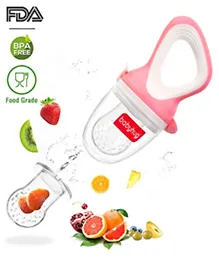
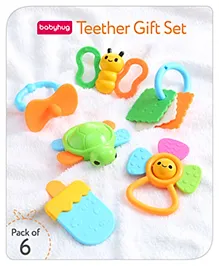
- If your baby shoves his fist into his mouth, you can entice him to remove his hand by giving him a toy (6). This will make him want to grab it, for which he must bring his hand out. There is a good chance he will stuff the toy instead, so opt for a soft toy or something clean and chewable. Some babies also keep sucking one hand and use the other hand to grab the toy.
- This might come as a surprise, but it is best to let your baby be himself is a good sign of his development and means that he is gradually getting independent. Do check whether his diaper is wet or if he’s facing any discomfort.
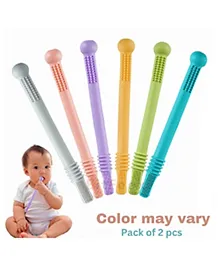
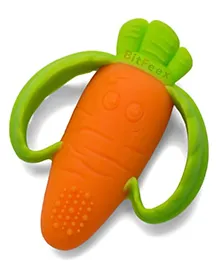
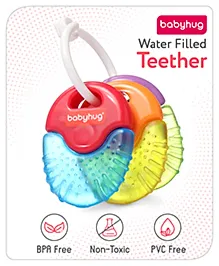
- Teething pain can get out of hand for your little one. A quick home remedy is to use a cold teething ring. The low temperature can alleviate much of the pain he can chew on the ring without any worries.
- Some babies want to suckle even after they’ve had their fill. In such cases, you can give him a pacifier after every feed to break this habit.
- Spend time with your little one. Talk to him, sing, or play with his favourite toy. With some stimulation, he can be distracted from sucking his fingers.
When Should I Be Worried?
Thumb and finger sucking isn’t a cause of concern till your baby’s teeth erupt. If your child’s teeth are in place and he still puts his hands inside his mouth, it can affect the positioning of the teeth. And this will increase the chances of dental problems. According to the American Academy of Paediatrics, only children above the age of 5 who have this habit need treatment (7).
Babies put their hands in their mouths for various reasons – from the most obvious to surprising ones. Be alert, and regularly opt for ways to stop your baby from doing that. Soon, he will either learn to distract himself or let go of the habit completely.
FAQs
1. Why is your baby aggressively eating their hands and crying?
Baby chewing on their hands and crying could be because they may be experiencing oral discomfort or under stress, according to Dr Wiener. Even though your baby seems to be eating enough, it might not get enough calories. In such situations, looking at their nutritional health can be necessary.
2. Should I allow my baby to put their hands in their mouth?
Many call babies putting their hands in their ‘baby eating hands’, which is pretty common as they generally do it to calm themselves. They might soon break the habit. Thus, there is nothing wrong with that. Yet, dangers present themselves when a newborn puts a dirty hand in their mouth. Hence, ensure the baby’s hands and the surrounding areas are clean. But if your infant displays other pain symptoms when placing their hands in their mouths, let your paediatrician know immediately.
3. Can newborn sucking on hands be linked to sensory development?
Yes, sometimes newborn sucking fingers or hands is part of early sensory exploration. Babies learn about their bodies through touch and mouth movements. When babies suck their thumbs or hands, they are discovering textures, movements, and coordination between their hands and mouth. This behaviour also helps stimulate oral muscles that later support feeding and speech development.
4. Can sucking on hands happen more in breastfed babies?
Both breastfed and formula-fed babies suck their hands, but breastfed infants may suck fingers slightly more often because they are already familiar with the soothing action of sucking. As a result, babies suck their thumbs or hands to recreate that comforting rhythm between feeds.
In most cases, newborn sucking on hands is a completely normal and harmless behaviour during early development. Babies often use this reflex to soothe themselves, explore their bodies, or signal mild hunger. As they grow and gain better coordination, this habit usually fades on its own. If you ever feel concerned about persistent or excessive sucking, a paediatrician can help rule out any underlying issues and offer guidance.
Also Read:
Sucking Reflex in Babies
Baby Sleeping on the Floor
Baby Puts Everything in Mouth
Was This Article Helpful?
Parenting is a huge responsibility, for you as a caregiver, but also for us as a parenting content platform. We understand that and take our responsibility of creating credible content seriously. FirstCry Parenting articles are written and published only after extensive research using factually sound references to deliver quality content that is accurate, validated by experts, and completely reliable. To understand how we go about creating content that is credible, read our editorial policy here.
- Author
 About the Author
Aliya Khan
Related Articles
-

CHARGE Syndrome in Babies - Causes, Symptoms, and Treatment
-

Dengue in Infants and Toddlers – Causes, Symptoms, and Treatment
-

11 Signs That Look Like Common Cold In Babies But Are Actually Much More Serious
-

Hypospadias in Babies
-

Hair Tourniquet - Causes, Signs & Home Remedies
-

Most Parents Overlook This Mistake That Makes Their Baby’s Teeth Black and Rotten!


.svg)