
Anaemia in Pregnancy – Causes, Symptoms, and Treatment




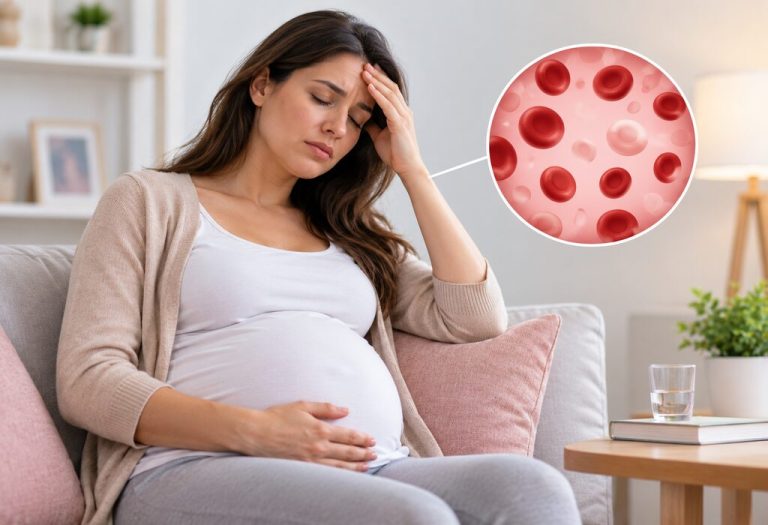
Anaemia and pregnancy is a very common condition because the pregnant mother’s body needs more blood and nutrients to support the growing baby. A research article published in the Medicine journal states that anaemia in pregnant women can be due to a deficiency of iron, folate, or vitamin B12, or because of certain health conditions (1). A mild condition of anaemia is no cause for anxiety and is easily treatable when detected at an early stage. However, if left untreated, it may prove dangerous for both the mother and baby, leading to complications, such as preterm birth and low birth weight. The good news is that anaemia in pregnancy is a treatable condition with timely treatment and preventive measures.
Join us as we discuss different types of anaemia in pregnancy and how to help pregnant women with low iron levels using various treatment methods!
What Is Anaemia?
According to the National Heart, Lung, and Blood Institute, anaemia is a medical condition in which the production of the total amount of red blood cells or haemoglobin decreases in the body (2). As a result, in pregnant women, the body doesn’t have enough red blood cells to carry the required oxygen to the tissues and the foetus.
Besides other nutrients, an expectant mother requires a diet rich in iron, folate and Vitamin B12 to produce more blood for the growth and nourishment of the baby. When this dietary requirement isn’t met, you may become anaemic.
Normally, an average woman carries about 5 litres of blood in her body. During pregnancy, to meet the needs of the growing foetus, this amount escalates to 7-8 litres of blood at the end of the third trimester.
Pregnant women are more susceptible to anaemia because the body produces more blood than usual. This requires extra iron, folate and Vitamin B12 to produce substantial amounts of healthy red blood cells and haemoglobin. If you don’t take care of your diet, you might end up with a deficiency (3).
Types of Anaemia in Pregnancy
Did you know that there are more than 400 types of anaemia? Some of these are prevalent during pregnancy. The most common types of anaemia found in pregnant women are:
1. Iron-Deficiency Anaemia
Haemoglobin is a protein in the red blood cells that carries oxygen from the lungs to the rest of the body. Iron-deficiency anaemia is the condition where the body doesn’t have enough iron to produce the required amounts of haemoglobin. Symptoms of iron deficiency in pregnancy are quite common among expectant mothers (4).
Due to the deficiency of iron, the blood does not carry the required amount of oxygen to the various parts of the body. This affects both the mother as well as the foetus.
2. Folate-Deficiency Anaemia
Folate is a type of Vitamin B that the body requires to produce new cells. It also helps in forming healthy red blood cells. During pregnancy, the daily requirement for folate increases. Folate deficiency causes a decline in the number of healthy red blood cells.
Folate-deficiency anaemia can lead to serious birth defects such as neural tube abnormalities (spina bifida) and low birth weight.
3. Vitamin B12 Deficiency Anaemia
Vitamin B12, or Cobalamin, is vital for the production of red blood cells. Women who do not include milk and other dairy products, eggs, poultry, and meat in their diet suffer from Vitamin-B12 deficiency anaemia. In this condition, the production of the required amount of red blood cells is impaired.
Sometimes, an expectant mother may be consuming the required Vitamin B12, but the body may be unable to process the vitamin. This may also lead to the mother-to-be developing anaemia.
Vitamin B12 deficiency is known to cause pre-term labour or severe birth defects such as neural tube abnormalities.
What Causes Anaemia During Pregnancy?
There are a number of factors that can cause anaemia in pregnant women. The risk is higher when:
- the woman is pregnant with more than one baby
- the pregnant woman vomits excessively due to morning sickness
- the woman has been anaemic even before conceiving
- the expectant mother doesn’t eat a diet rich in iron, folate and Vitamin B12
- there are two pregnancies close together
- a teenager becomes pregnant
Signs and Symptoms of Anaemia in Pregnancy
In case of mild anaemia in pregnancy, one may not show any symptoms. The WHO lists some commonly observed symptoms of anaemia (5):
- Fatigue and weakness
- Dizziness
- Shortness of breath
- Pale complexion
- Rapid or irregular heartbeat
- Chest pain
- Cold hands and feet
- Trouble concentrating or irritation

Initially, the symptoms of anaemia during pregnancy may be mild; however, there is a risk of ignoring them. With time, the symptoms may worsen and will have to be treated so as to not lead to complications later. You must immediately consult a doctor if you experience any of these symptoms.
These symptoms generally are controlled with dietary supplements like iron tablets, folic acid and Vitamin B12 supplements.
Remember, some amount of fatigue and weakness is unavoidable, and also normal due to the growing foetus in the body. Do not panic. The doctor will guide you best.
Risks and Complications of Anaemia in Pregnancy
Deficiency of iron, folate or Vitamin B12 may lead to complications of anaemia in pregnancy. It may have adverse effects on the baby and mother.
As per the National Heart, Lung, and Blood Institute, untreated anaemia or iron deficiency during pregnancy may cause (6):
- Preterm or low birth weight baby
- Post-partum depression
- Developmental delays in the child
- An anaemic baby
- Increased blood loss during childbirth
Undetected and untreated folate or Vitamin B12 deficiency may cause:
- A preterm or low birth-weight baby
- Neural tube defects or birth defects in the brain or spine
How to Diagnose Pregnancy Anaemia?
During the course of pregnancy, your doctor will periodically monitor you for chances of anaemia. Blood tests are conducted not only during the first trimester but also in the second and the third. This is done to rule out the possibility of anaemia in the later stages of pregnancy, too. The following blood tests are carried out to diagnose anaemia (7):
- Haemoglobin Test: This test is carried out to measure the amount of haemoglobin in the body.
- Hematocrit Test: The purpose of this test is to measure the percentage of red blood cells in the blood.
How Is Anaemia Treated in Pregnant Women?
Treatment for anaemia in pregnancy will vary depending on the cause. Your doctor may prescribe the following supplements to treat anaemia during pregnancy (7).
- Iron and Folic Acid Supplements: This is to ensure that the required amount of iron and folate is maintained in the body. You may be advised to increase the intake of iron- and folate-rich foods. The supplements can come in the form of tablets or capsules to be taken with water.
- Vitamin B12 Supplements: You may also be recommended Vitamin B12 supplements in addition to foods like meat, dairy products and eggs to help tackle Vitamin B12 deficiency.

Prevention of Anaemia in Pregnancy
Prevention of anaemia in pregnancy must be of utmost importance for all expectant mothers. You must eat healthily and ensure you include iron- and folate-rich foods such as (8):
- Dark green, leafy vegetables like spinach, kale and broccoli
- Beans, lentils, tofu
- Lean red meat, poultry
- Fish
- Nuts and seeds
- Eggs
- Cereals and grains
Remember that Vitamin C helps the body to absorb iron better. So, whenever you are looking to eat iron-rich food, also include foods like citrus fruits, tomatoes, kiwi, strawberries and bell peppers, which are rich in Vitamin C.
When to Call Your Doctor
All expectant mothers should consciously avoid any deficiency in the body during the course of the pregnancy. Moreover, anaemia during pregnancy third trimester should strictly not be ignored. Consult your doctor if the symptoms of anaemia persist for a long time. It must be treated immediately in order to avoid any complications.
FAQs
1. Is anaemia during pregnancy dangerous for the baby?
Untreated or severe anaemia can be dangerous for the growing baby as it can increase the risk of complications, such as preterm birth and low birth weight.
2. Can I treat pregnancy anaemia just by eating iron-rich foods?
While a nutritious diet rich in iron, folate and vitamin B12 can help with healthy red blood cell production, it alone may not be able to treat anaemia in pregnancy if there is any other cause behind. Your doctor may prescribe a proper course of action.
3. Does anaemia go away after pregnancy?
Anaemia can persist after delivery if the iron stores remain low or there has been significant blood loss. Finding the underlying cause is important.
4. Should I take iron tablets if I feel tired during pregnancy?
Taking iron tablets just because you are tired can be dangerous for you and your baby. Tiredness can have many causes apart from low iron levels in pregnancy. Thus, it is advised not to self-medicate without a proper consultation with your OB-GYN.
While untreated anaemia can prove to be harmful, deficiency of iron, folate and Vitamin B12 can be controlled with the right dietary intake and supplements. Treating such deficiency early on can save the mother and baby a great deal of trouble. The key is to regularly consult your doctor for periodic checkups.
Also Read:
CBC Test in Pregnancy
Sickle Cell and Pregnancy
High & Low Haemoglobin in Pregnancy
Was This Article Helpful?
Parenting is a huge responsibility, for you as a caregiver, but also for us as a parenting content platform. We understand that and take our responsibility of creating credible content seriously. FirstCry Parenting articles are written and published only after extensive research using factually sound references to deliver quality content that is accurate, validated by experts, and completely reliable. To understand how we go about creating content that is credible, read our editorial policy here.
1. Ovid – Complications of anemia in pregnancy: An updated overview for healthcare professionals
2. National Heart, Lung, and Blood Institute – What Is Anemia?
3. American Society of Hematology – Anemia and Pregnancy
4. National Heart, Lung, and Blood Institute – Iron-Deficiency Anemia
5. World Health Organization – Anaemia
6. National Heart, Lung, and Blood Institute – Anemia in Pregnancy
8. National Heart, Lung, and Blood Institute – ANEMIA Causes and Risk Factors
- Author


Related Articles
-

Greasy Hair in Pregnancy - Causes and Treatments
-
Using Oregano Oil During Pregnancy - Is It Safe?
-
Is Amino Acid Safe for Pregnant Women?
-
Pregnancy Hernia - Causes, Signs and Treatment
-
Influenza Vaccination: Why Is It Important for Pregnant Women?
-
Excessive Hair Growth During Pregnancy - Is It Normal?