

Vegan During Pregnancy: Benefits, Risks, and Nutrition Tips





Medically Reviewed By
Archana Shah
(Diabetologist/Nutritionist/Dietitian)

In this Article
- Is a Vegan Diet Safe During Pregnancy?
- Why Choose a Vegan Diet During Pregnancy?
- Risks of a Vegan Diet While Pregnant
- Nutrients That Need Special Attention in a Vegan Diet
- Healthy Vegan Pregnancy Meal Plan
- Guidelines for a Healthy Vegan Diet in Pregnancy
- FAQs
View More
This health content has been medically reviewed by qualified experts and follows the FirstCry Parenting editorial policy to ensure accuracy and reliability.
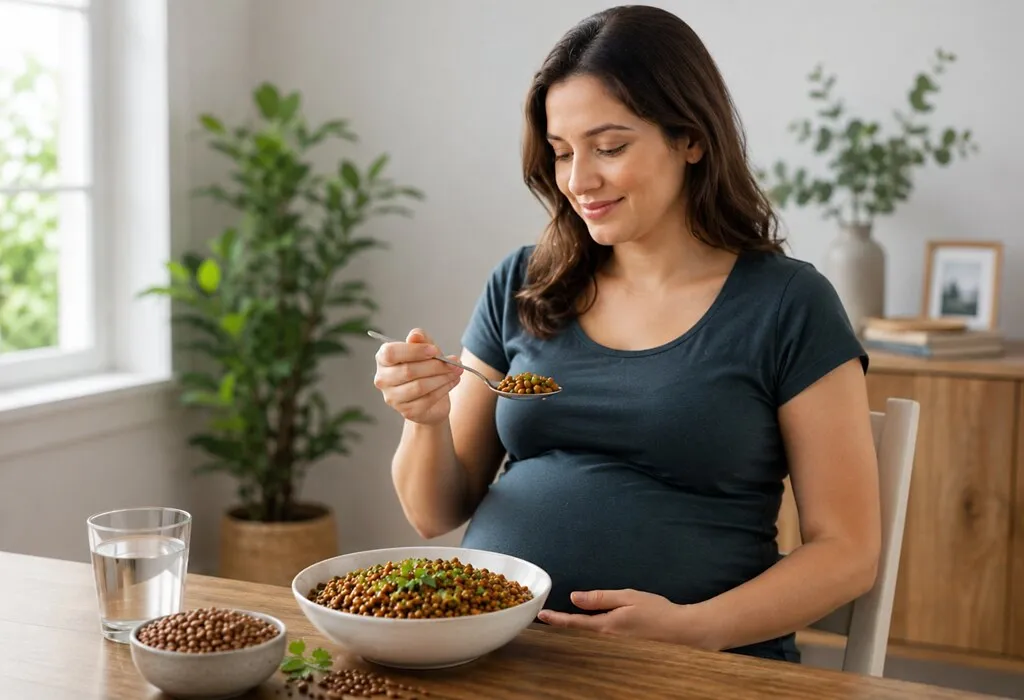
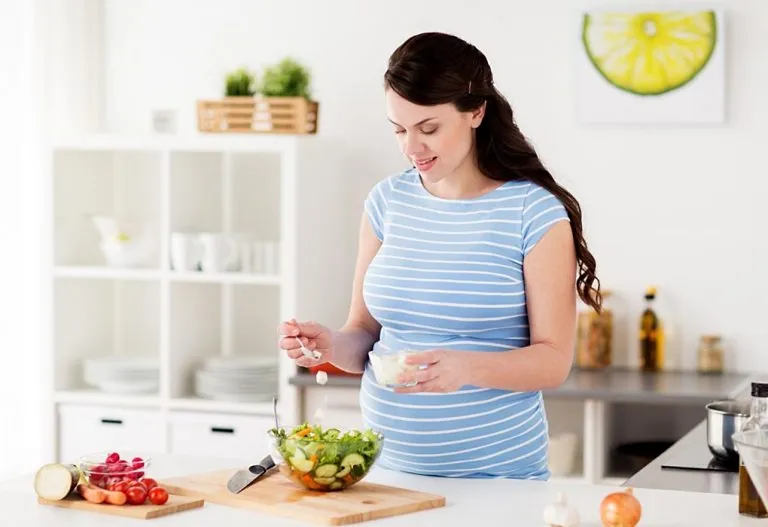
When a person is vegan, it means they do not eat animal products, such as meat, poultry, eggs, dairy, or fish. Today, more and more people are switching to this kind of lifestyle or shifting towards the vegan diet for various reasons (1). A vegan diet for a pregnant woman has always been a topic of debate due to the fear that mothers excluding non-vegan items like eggs and dairy could have nutritional deficiencies, which could impact the growth and development of the growing baby as well as the mother. Whether your core values align with veganism or you follow it for the trend, we suggest looking into the relationship between a vegan diet and pregnancy before becoming vegan when pregnant. Read this article on a vegan diet during pregnancy and share it with fellow pregnant women who are also exploring different diet styles.
Is a Vegan Diet Safe During Pregnancy?
Your body requires a wide variety of nutrients from food to sustain a healthy pregnancy. If your body is able to meet all the nutritional requirements from the vegan diet and the use of fortified foods or supplements, you can safely follow it during pregnancy. You need to create a diet plan in such a way that it contains all the nutrients that are required for your good health and also for the baby’s development (2) (3).
Why Choose a Vegan Diet During Pregnancy?
A planned vegan diet can bring numerous benefits to the mother and the baby. Here are some of them:
- Healthy pregnancy: A carefully planned vegan diet can provide adequate nutrition during pregnancy and may offer health benefits. However, meals need to be varied and intentionally planned to meet the increased nutritional needs of both mother and baby.
- Provide plenty of fibre: Vegan diets commonly include vegetables, fruits, whole grains, legumes, nuts and seeds. These foods can provide substantial amounts of dietary fibre and are generally lower in saturated fat than many diets containing animal products. A nutrient-rich eating pattern may also help support healthy pregnancy weight management as well as reduce the risk of preeclampsia (4) (5).
- Reduce the risk of excessive pregnancy weight gain: Research examining vegan diets during pregnancy has found that women following vegan eating patterns may be less likely to experience excessive gestational weight gain. However, the available evidence is still limited, and more high-quality research is needed before drawing firm conclusions.
- Developmental issues: Vegan diets are also known to reduce the risk of certain developmental issues in the baby by preventing DNA damage (3).
Risks of a Vegan Diet While Pregnant
A vegan diet, if followed with complete discretion during pregnancy, can meet all the nutritional requirements of a pregnant woman. However, there are risks of several nutritional deficiencies that may arise due to not eating eggs, meat, and dairy.
- Vitamin B12 is usually available in higher amounts in animal products, which is a very important nutrient required for a healthy pregnancy. Failure to meet the Vitamin B12 requirements during pregnancy could lead to neural birth defects, impaired cognitive development in babies, gestational diabetes, and miscarriage (6) (7) (8).
- Pregnant women who do not consume animal products are at an increased risk of developing iron deficiencies or anaemia. Anaemia may lead to developmental or cognitive delays, low birth weight babies, pre-term babies or other such pregnancy complications.
- According to a report, plant-based diets have a low content of essential micronutrients, fatty acids, calcium, and iodine, and omega-3 fatty acids (EPA and DHA). These two omega-3s are essential for the development of a baby’s brain, eyes, and nervous system (9).
- A majority of women fall short on vitamin D levels during pregnancy, and a vegan diet may further increase this deficiency if specific vegan foods containing vitamin D are not included in the diet. Vitamin D deficiency during pregnancy could lead to miscarriage, preeclampsia, and low birth weight (10) (11).
A vegan diet is not the villain; you can get sufficient amounts of nutrition from a vegan diet if carefully planned. Doctors may also suggest supplements to compensate for the nutrients lost when following a vegan diet during pregnancy.
Nutrients That Need Special Attention in a Vegan Diet
There have been no studies suggesting that a vegan or vegetarian diet may lead to pregnancy-related complications or an unhealthy pregnancy. However, here are some nutrients that need your special attention if you are following a vegan diet:
1. Calcium
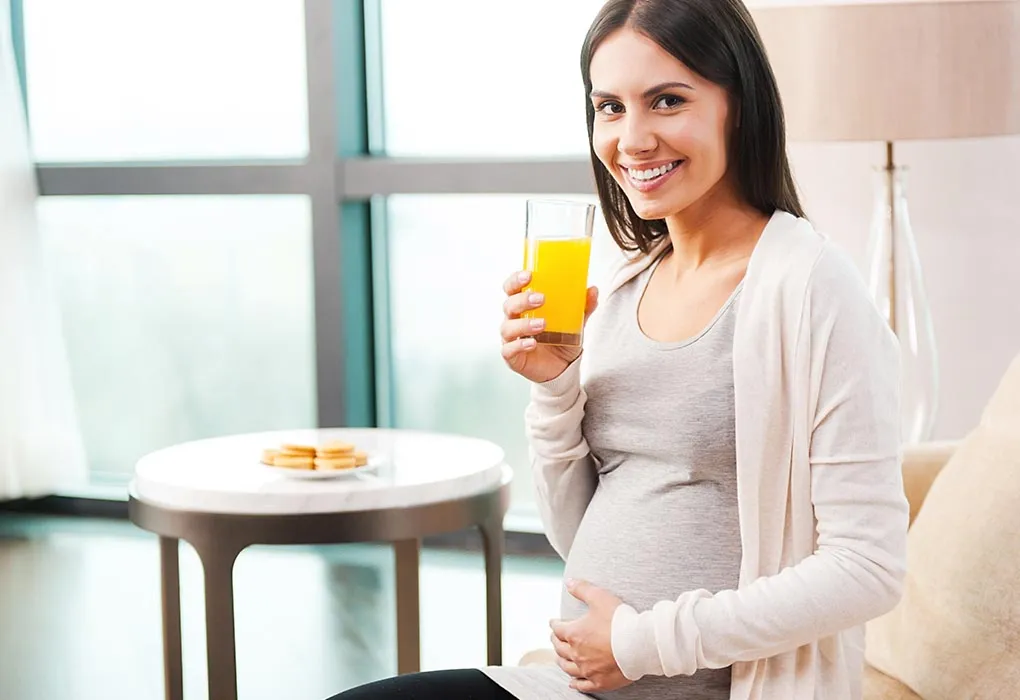
It is mostly obtained from milk, cheese, and other animal products. Here we have some vegan options that you may like to consider.
Why You Need It: Calcium is important for the development of foetal bones, heart, muscles and nerves.
How Much You Need: Approximately 1000 mg per day
Dietary Sources:
- Tofu
- Fortified orange juice
- Soy milk
- Green leafy vegetables
2. Protein
Eggs and dairy are some of the best sources of protein. Some vegan protein pregnancy options and why you need protein are mentioned below.
Why You Need It: Protein is essential for the hormone and cell development of your baby.
How Much You Need: Approximately 75 grams on a daily basis
Dietary Sources:
- Chickpeas
- Quinoa
- Split or green peas
- Pistachios, walnuts, cashew nuts
- Tofu
- Oatmeal
- Kidney, navy, black beans
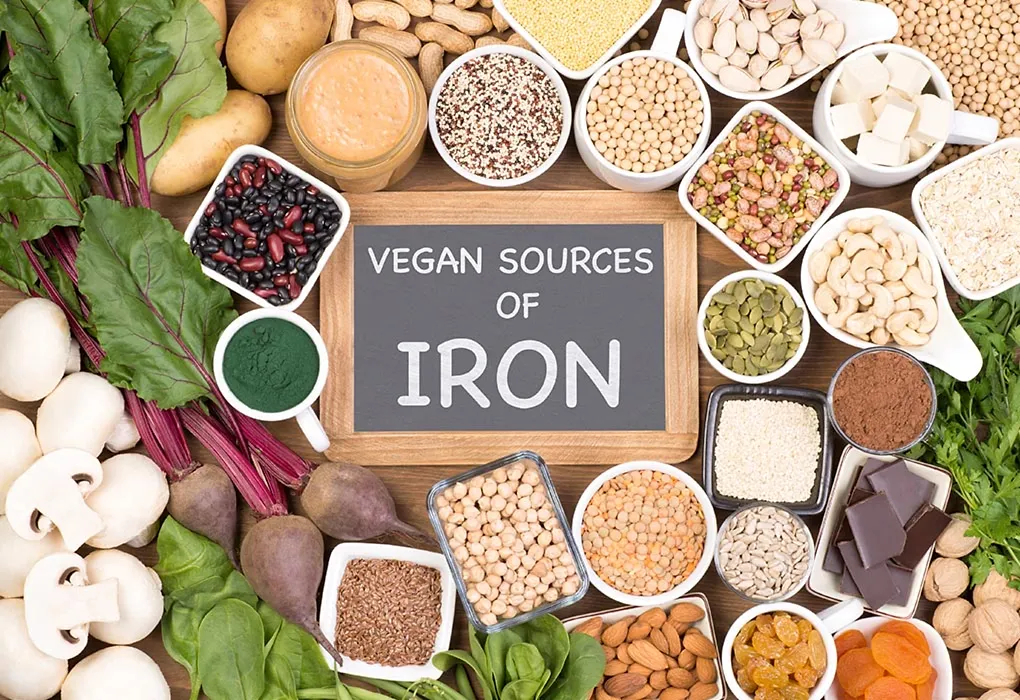
3. Iron
Iron is essential for a woman in order to have a healthy pregnancy.
Why You Need It: The need for red blood cells increases during pregnancy to support the growing baby and your pregnant body. Any kind of deficiency may lead to anaemia, which can further complicate your pregnancy or your unborn baby’s health.
How Much You Need: Approximately 26 mg on a daily basis.
Dietary Sources:
- Barley
- Quinoa
- Soy products
- Beans
- Dried fruits
- Pumpkin seeds
- Seaweed
- Spinach
4. Vitamin D
This vitamin plays a vital role in preventing preterm labour or birth infections.
Why You Need It: It helps in the formation or building of foetal bones and teeth.
How Much You Need: Approximately 4000 IU daily
Dietary Sources:
- Fortified cereals
- Fortified soy milk
- Fortified orange juice
- Vitamin D is something that you can get through sun exposure, too.
5. Vitamin B12
This vitamin is needed in very small amounts but plays an important role in foetal development.
Why You Need It: It aids in foetal brain development, building of the genetic material and the formation of foetal RBC or red blood cells.
How Much You Need: On average, you need 2.5 mcg per day.
Dietary Sources:
- Fortified cereals
- Fortified soy milk (which contains Vitamin B12)
- Nutritional yeast
6. Zinc
You should include several servings of this mineral to pep up your vegan pregnancy nutrition.
Why You Need It: It helps in the formation of your baby’s cells and DNA. It also aids in tissue growth and cell division.
How Much You Need: Your daily diet should include approximately 7 mg.
Dietary Sources:
- Wheat germ
- Nuts
- Seeds
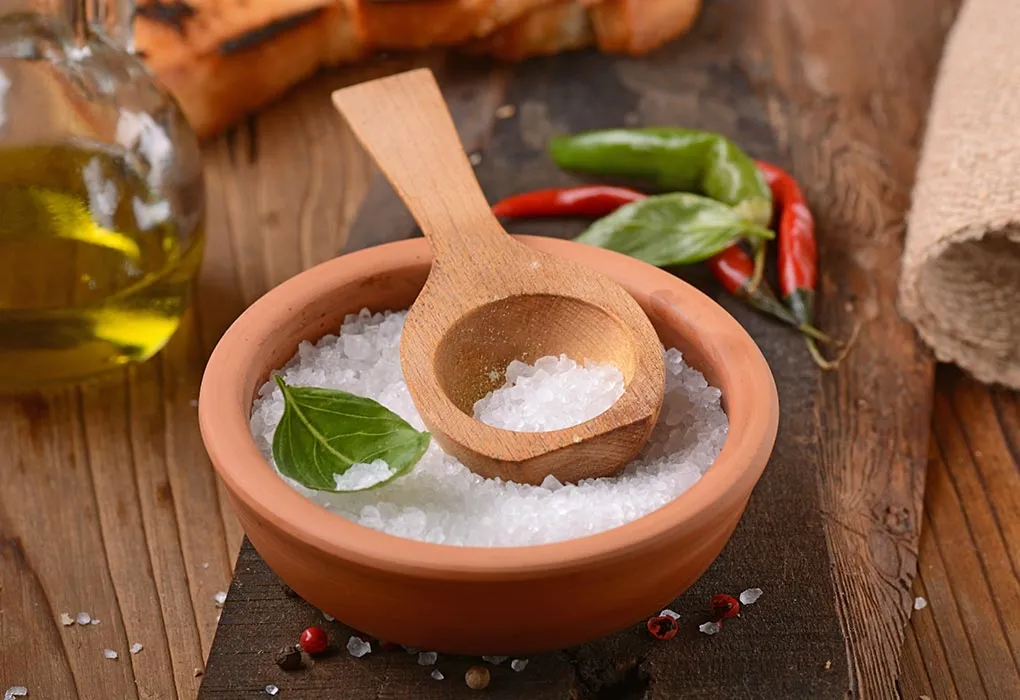
7. Iodine
Iodine is essential for you and your baby.
Why You Need It: It helps in the development of your baby’s nervous system and brain. It also helps in the regulation of your baby’s metabolism.
How Much You Need: Approximately 150 mcg daily.
Dietary Sources:
- Iodised salt
- Dried seaweed
8. DHA or Docosahexaenoic Acid
The main sources of this acid or omega-3 fatty acid are fish and fish oil.
Why You Need It: It is beneficial in the development of your baby’s brain and nervous system.
How Much You Need: On an average 300 mg per day.
Dietary Sources:
- Omega-3 fatty acid supplement that is derived from vegan algae.
Here we acquainted you with some important vegan pregnancy vitamins, minerals, and other essential nutrients that you should include in your daily pregnancy diet.
Healthy Vegan Pregnancy Meal Plan
Here’s a sample vegan meal plan for a week that includes nutritious meals that help with pregnancy:
| Weekday | Meal Plan | Meal Plan |
| Monday | Breakfast | Oats or chia pudding with soy milk, topped with nuts, fruits, and seeds |
| Lunch | Pan-fried quinoa with diced avocados, roasted peppers, black beans, and toasted sunflower seeds, topped with lemon-basil dressing | |
| Dinner | Whole-grain penne pasta with a seitan- or tofu-based tomato sauce with a side of kale | |
| Tuesday | Breakfast | Mango, spinach, and oat smoothie |
| Lunch | Whole-grain pita chips and lightly salted kale chips with a lightly spiced salsa and guacamole | |
| Dinner | Rice noodles and tempeh with stir-fried bok choy, peppers, sweet/baby corn, and vegan teriyaki sauce | |
| Wednesday | Breakfast | Overnight oats topped with seeds, nuts, and fruits |
| Lunch | white bean and pumpkin soup topped with toasted pumpkin seeds, puffed quinoa, and a drizzle of coconut milk | |
| Dinner | Lentil dahl with spinach and broccoli served over red or wild rice | |
| Thursday | Breakfast | Homemade granola with plant-based yoghurt served with nut butter, coconut flakes, fresh fruit, and flax seeds |
| Lunch | Tofu and udon noodle soup with colourful veggies | |
| Dinner | black bean and kale chilli served on top of cooked amaranth | |
| Friday |
Breakfast | Burrito made with a whole-wheat tortilla with filling of scrambled tofu, pesto, and roasted mushrooms; soy cappuccino |
| Lunch | Veg sushi rolls, miso soup, edamame, and wakame salad | |
| Dinner | Vegan lasagna with seitan, zucchini, vegan cheese or cashew basil spread, and eggplant, with a radish side salad | |
| Saturday | Breakfast | Vegan blueberry scones topped with nut butter, fresh fruit, plant-based yoghurt, and a glass of fortified fruit |
| Lunch | Tofu mushroom quiche served with sautéed kale and beet greens | |
| Dinner | Loaded veggie burger, baked fries, and carrot and red cabbage coleslaw | |
| Sunday | Breakfast | Pancakes topped with peanut butter served with maple syrup, plant-based yoghurt, and a side of fruit |
| Lunch | Vegan Spanish tortilla de patatas made with chickpea flour, English potatoes, onions, and black beans with a side of toasted diced peppers and greens | |
| Dinner | Baked sweet potatoes served with a creamy sauce of tomatoes, white beans, corn, avocado, and sautéed collard greens |
Guidelines for a Healthy Vegan Diet in Pregnancy
Follow these guidelines for a healthy vegan diet pregnancy:
- Ensure that you take your prenatal vitamins regularly.
- You should consume a diet that contains all the vitamins, minerals, and other nutrients in adequate amounts.
- Refrain from consuming alcohol and smoking.
- Do not consume caffeinated beverages or limit their intake.
- Visit your healthcare practitioner on a regular basis to ensure that there is no kind of nutritional deficiency.
FAQs
1. Can a vegan diet provide enough protein required during pregnancy?
Yes. Legumes, tofu, tempeh, soy foods, nuts, seeds and whole grains can contribute protein. Eating a variety of these foods throughout the day can help meet pregnancy protein needs.
2. Can vegan moms-to-be take supplements?
If you feel that you may not be able to fulfil your body’s nutritional needs with your vegan diet, you can take supplements. However, you should check with your practitioner before you take these supplements. Sometimes animal products may be used as binding agents in these supplements, so check for the same on the label. Do not take more than the required amounts of multivitamins or any other supplements, as overdosage may prove harmful for your unborn baby.
3. Can a vegan diet affect my baby’s growth?
Not necessarily, but nutritional adequacy matters. A 2024 systematic review found limited and heterogeneous evidence and reported lower birth weight in some studies of vegan pregnancies, highlighting the need for adequate nutrient and energy intake and further research.
It is important to let your OB-GYN know if you are following a vegan diet, as she can advise you to eat certain foods or take certain supplements accordingly. Take care of your nutritional requirements and enjoy your vegan pregnancy diet!
Also Read:
Super Foods Pregnant Women
Vegetarian Diet during Pregnancy
Foods to Eat & Avoid in First Trimester
Was This Article Helpful?
Parenting is a huge responsibility, for you as a caregiver, but also for us as a parenting content platform. We understand that and take our responsibility of creating credible content seriously. FirstCry Parenting articles are written and published only after extensive research using factually sound references to deliver quality content that is accurate, validated by experts, and completely reliable. To understand how we go about creating content that is credible, read our editorial policy here.
1. National Library of Medicine – Vegetarian nutrition: past, present, future
7. National Library of Medicine – How prevalent is vitamin B(12) deficiency among vegetarians?
8. National Library of Medicine – Vitamin B-12 and Perinatal Health1,2,3
11. National Library of Medicine – Maternal vitamin D deficiency increases the risk of preeclampsia
- Author
- Expert Reviewer

Related Articles
-
Raspberry Leaf Tea in Pregnancy - Benefits, Side Effects, and More
-
Eating Green Peas During Pregnancy - Benefits & Recipes
-

Healthy Snacks for Pregnancy: Nutritious Choices for Each Trimester
-
Healthy Indian Diet Plan in Pregnancy: What to Eat and What to Avoid
-
Saffron in Pregnancy: Benefits, Side Effects & more
-
Wheatgrass During Pregnancy - Benefits and Side Effects