

Sugar Bug Vein – Causes & How to Care for Your Baby
Learn what a sugar bug vein is, why it happens in baby, common symptoms, causes, and simple prevention tips for parents.




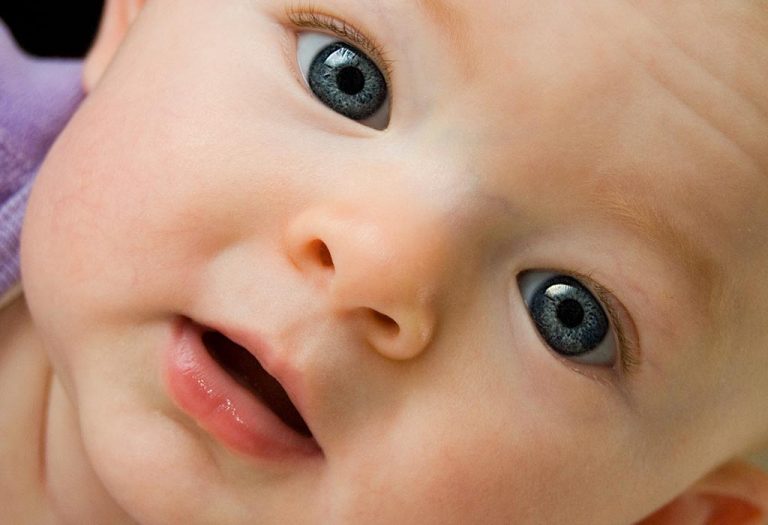
As a new parent, you’re probably already an expert at spotting every little detail on your little one’s body. But what happens when you spot something unexpected, like a mysterious blue line on the bridge of their nose? Don’t panic, it’s not a secret alien implant or some kind of magical birthmark. In fact, it’s a common condition known as the Sugar Bug Vein, and we’re here to tell you all about it.
While the name might sound a bit silly, the sugar bug vein in a newborn is actually a pretty serious-sounding condition. But fear not, it’s usually nothing to worry about. In this article, we’ll dive into what exactly the sugar bug vein is, why it happens, and what you should do if you notice it on your baby’s nose.
So sit back, relax, and let’s explore the mysterious world of the sugar bug vein. Who knows, you might just learn something new about your little one’s adorable little nose!
What Is a Sugar Bug Vein?
Babies’ skin is delicate and tender; any changes in their bodies or on the skin are visible. A sugar bug blue vein is a series of thin, hair-sized veins that run between your child’s eyes or eyebrows, on the bridge of his nose. It is usually easy to spot, as it appears as a thin blue line. In medical terms, the sugar bug is known as a prominent dorsal nasal vein.
How Does It Look?
A sugar bug vein on the nose looks like many razor-thin, blue lines running laterally between your child’s eyes. These veins can be anywhere between 1mm and 2mm in thickness. Since there are usually many of them, the sugar bug vein can be spotted easily.
Is It Normal to Have Sugar Bug Vein?
Having a sugar bug is not a cause for concern. As humans, we all have veins and arteries running through our bodies, and they expand and contract depending on many factors. As the baby is growing, different parts inside the baby are growing as well. This growth takes place with the right diet and nutrition and provides strength to essential parts of the body. Since our veins are stretchable, they expand temporarily after a spike in blood sugar. Since babies have such thin skin, it is easy to see this enlargement. The next time your baby seems stressed out or irritable, this vein can act as a barometer to tell you how he/she is feeling. You can support your baby’s immunity by minimizing stress and reducing congestion.
What Do They Indicate?
According to Traditional Chinese Medicine, this vein indicates that the baby is sensitive to sugar and will be sensitive in the future as well. It is also considered a warning sign for parents to proceed with caution to prevent physical and emotional behavioural issues as the baby ages. However, science explains that it is due to the spike in blood sugar, which means that the baby’s diet needs to be altered and more whole foods need to be included so that the baby can grow up to be healthy. As the name suggests, the baby is prone to being sensitive to sugar, and parents should avoid giving in to these demands. A nutrient-dense diet must be provided in order to alleviate this problem.
Causes of Sugar Bug Veins
Since all humans have so many veins running through their bodies, these veins have several other veins that branch out in order to reach smaller areas of the body. So, sugar bug veins or blue vein between baby eyes are just branches of the main circulatory system that is in any human’s face. In some babies, these veins are less noticeable than in others. Some of these sugar bug causes include:
1. Skin colour
Babies with lighter skin may have more prominent veins, including the sugar bug vein on their nose. This is because their skin is thinner, which allows the veins to show through more easily. So, if your baby’s skin is on the fairer side, don’t be surprised if you spot a little blue line on their nose.
2. Skin thickness
Another cause of sugar bug veins is skin thickness. Babies with thin skin may have veins that are more visible, including the blue vein on their nose. While it can be concerning to see it, it’s important to remember that it’s usually nothing to worry about.
3. Vein size
Sometimes, a sugar bug vein on a baby’s nose may be more noticeable due to the size of the vein. It’s important to remember that veins can vary in size, and just because one is visible doesn’t mean there’s anything wrong. So if you spot a blue line on your baby’s nose, take a deep breath and enjoy their adorable little face!
When Do Sugar Bugs Disappear?
Although doctors are not able to entirely understand why sugar veins usually go away as the baby ages. Many believe that because the face and head grow, the veins dissipate on their own, and also because the skin thickens and toughens naturally with time, the veins disappear as well. Usually, by the age of one, these veins should disappear. You can try home remedies, such as not giving your baby any inflammatory foods. Although the baby might only be consuming breast milk, the mother will have to change her diet in accordance with the baby’s requirements. It is always a good idea to keep a vigilant eye on your infant and the changes in their body so that you can catch them and treat them if required.
Foods to Include When Babies Have Sugar Bug Vein
If you’ve noticed a blue vein on the baby’s nose or between their eyes, don’t worry – it’s likely just the harmless Sugar Bug Vein. While this condition doesn’t require any specific treatment, you may be wondering what foods can help to support your baby’s overall health and well-being. We’ve got you covered with some easy and nutritious options to include in your little one’s diet (1).
1. Iron-rich foods
Iron is an important nutrient for babies and can help support healthy blood flow, including to those visible veins on their nose or between their eyes. Some great iron-rich foods to include in their diet are pureed meats like chicken and beef, lentils, and fortified cereals.
2. Vitamin C
Vitamin C can help support healthy blood vessels and improve circulation, which may be beneficial for babies with prominent veins. Fruits like oranges, kiwi, and berries are all great sources of vitamin C and can be pureed for young babies to enjoy.
3. Healthy Fats
Including healthy fats in your baby’s diet can help support their overall health and development, and may also help improve the appearance of their skin. Some great options include pureed avocados, nut butters, and pureed fish like salmon or tuna.
4. Bone Broth
Rich in collagen and gelatin, bone broth provides amino acids like glycine and proline that support the integrity of blood vessels and connective tissue, potentially strengthening the vein walls.
5. Leafy Green Purees (Spinach, Kale)
Beyond iron, these greens are packed with vitamin K, which is essential for proper blood clotting and vascular health, helping to maintain the strength of tiny capillaries.
6. Blueberries
These berries are high in anthocyanins and antioxidants (like rutin), which are known to strengthen capillaries and improve overall circulation, making them a powerful food for vein health.
7. Sweet Potatoes
Loaded with beta-carotene (which converts to Vitamin A) and Vitamin C, sweet potatoes support skin repair and the regeneration of collagen, helping to strengthen the skin around the vein area.
8. Chia Seeds
These tiny seeds are an excellent source of plant-based omega-3 fatty acids and fiber. When soaked, they form a gel that is easy for babies to digest and supports healthy cell membranes.
7. Beetroot Puree
Beets are a fantastic source of nitrates, which the body converts into nitric oxide. This helps to relax and dilate blood vessels, promoting better blood flow and reducing pressure on visible veins.
Foods to Avoid When Babies Have Sugar Bug Vein
If you’ve noticed a blue vein on your baby’s nose or between their eyes, you might be wondering if there are any foods that you should avoid to help support their health. While the Sugar Bug Vein is usually harmless, it’s still important to be mindful of what you’re feeding your little one. Here are some foods to avoid if your baby has prominent veins.
1. Processed Foods
Processed foods like chips, crackers, and cookies are often high in sodium and sugar, which can be harmful to babies in excess. These foods can also contribute to inflammation in the body, which may worsen the appearance of visible veins.
2. Cow’s Milk
While cow’s milk is a great source of calcium and other nutrients, it can also be difficult for babies to digest (2). In some cases, cow’s milk can contribute to inflammation and irritation in the body, which may exacerbate the appearance of infant blue vein between eyes.
3. Citrus Fruits
While vitamin C can be beneficial for babies with prominent veins, some citrus fruits may actually have the opposite effect. Oranges, grapefruits, and other acidic fruits can irritate the body and lead to inflammation, which can worsen the appearance of visible veins. Instead, opt for low-acid fruits like bananas, pears, and apples.
4. High-Sodium Purees or Broths
Excess sodium can lead to water retention and increased blood pressure, placing additional strain on tiny blood vessels and capillaries. Always check labels on store-bought purees or broths to ensure they are low in sodium and specifically formulated for babies.
5. Artificial Additives and Food Dyes
Artificially colored snacks, yogurts, or drinks can contain chemicals that may trigger sensitivities or low-grade inflammation in some babies (3). This inflammatory response can potentially affect circulation and the visibility of superficial veins.
6. Excessively Sugary Treats
High sugar intake can contribute to systemic inflammation and may weaken collagen over time. It is best to avoid offering cakes, candies, or sweetened desserts to babies, as these offer no nutritional value and can impact overall vascular health.
Can You Give Formula to a Baby With Sugar Bug Veins?
Now, let’s get down to the nitty-gritty – can you give formula to a baby with sugar bug veins? The short answer is yes, you absolutely can. Sugar bug veins are simply a harmless physical trait, and they have no impact on a baby’s ability to digest formula or breast milk. So, whether you choose to feed your little one with a bottle or from the breast, those cute blue veins on their nose and between their eyes won’t interfere with their mealtime.
Of course, it’s always a good idea to check in with your pediatrician if you have any concerns about your baby’s health. They can provide you with guidance and support as you navigate the ups and downs of parenthood, including those pesky sugar bug veins. But for now, rest easy knowing that your baby can enjoy their meals with gusto, vein or no vein.
How to Help a Baby With Sugar Bug Vein?
While these veins are nothing to worry about, you might be wondering if there’s anything you can do to help your little one feel more comfortable. Fear not, for we’ve got you covered with some simple tips and tricks to make life a little easier for your sweet baby and their sugar bug veins.
1. Keep the baby cool
Sugar bug veins are more noticeable when a baby is warm or agitated, so keeping them cool and calm can help. Dress your baby in breathable clothing and avoid over-bundling, and make sure their sleeping environment is at a comfortable temperature.
2. Use gentle skincare
While sugar bug veins don’t require any special treatment, using gentle skincare products can help keep your baby’s delicate skin healthy and moisturized. Look for fragrance-free options and avoid harsh chemicals or abrasive materials.
3. Remember to breathe
As a new parent, it’s easy to get caught up in every little detail and worry about things that don’t really matter. Remember that sugar bug veins are a harmless physical trait and don’t impact your baby’s health or well-being. Take a deep breath, enjoy those snuggles with your little one, and don’t sweat the small stuff.
When to Call a Doctor
Most sugar bug veins should go away on their own. In case it seems like the sugar bug symptoms are persisting or getting worse, make sure to bring your baby to the doctor. It is easy to brush off some symptoms at home because many parents live in denial about their baby being unwell. However, if your baby has any of the following symptoms, you must ensure that they are taken to a doctor and provided with the right treatment.
- If the skin looks swollen
- If the vein is pulsating and looking abnormal
- If there is discoloration around your baby’s nose
- If you happen to see an unusual lump
FAQs
1. Is there a connection between a sugar bug vein and late walking?
Some people believe there is a link between this vein and mild motor delays, like late crawling or walking. However, there is no scientific proof that a visible vein causes these delays.
2. Does this vein affect how a baby reacts to anesthesia?
There is no medical evidence that a sugar bug vein affects a baby’s reaction to anesthesia. Still, it is always a good idea to mention any visible markings on your child’s face to the doctor before any medical procedure.
A blue-ish hued swelling could indicate a hemangioma, a common non-cancerous birthmark caused by abnormal blood vessel growth (4). While babies can be born with it, it usually fades by age five to ten. However, any abnormality should always be checked by a doctor.
It is natural for parents to worry when they notice something like a blue vein on the nose or a blue vein between the eyes. Often referred to as a sugar bug vein, this specific marking may not be an immediate cause for concern, but it can indicate a need for dietary and lifestyle adjustments. A nutritious diet is the best foundation for their health. Keep an eye on any symptoms, and if they seem to worsen, contact your doctor for medical care.
Also Read:
Nose Bleeding in Kids
Nose Picking in Children
Home Remedies for Runny Nose in Infant
Was This Article Helpful?
Parenting is a huge responsibility, for you as a caregiver, but also for us as a parenting content platform. We understand that and take our responsibility of creating credible content seriously. FirstCry Parenting articles are written and published only after extensive research using factually sound references to deliver quality content that is accurate, validated by experts, and completely reliable. To understand how we go about creating content that is credible, read our editorial policy here.
- Author
 About the Author
Gauri Ratnam
Related Articles
-

Vomiting in Kids - Types, Causes & Treatment
-
Jojoba Oil for Babies and Kids - Benefits and Usage
-
Cod Liver Oil for Kids - Benefits, Side Effects and How to Give?
-
Recurrent Fever in Children - When Should You Worry?
-
Ingrown Toenail in Children - Causes, Symptoms & Remedies
-
Pink Eye (Conjunctivitis) in Babies and Kids - Signs and Treatments





.svg)