

Walking During Pregnancy – Benefits, Safety, and Risks
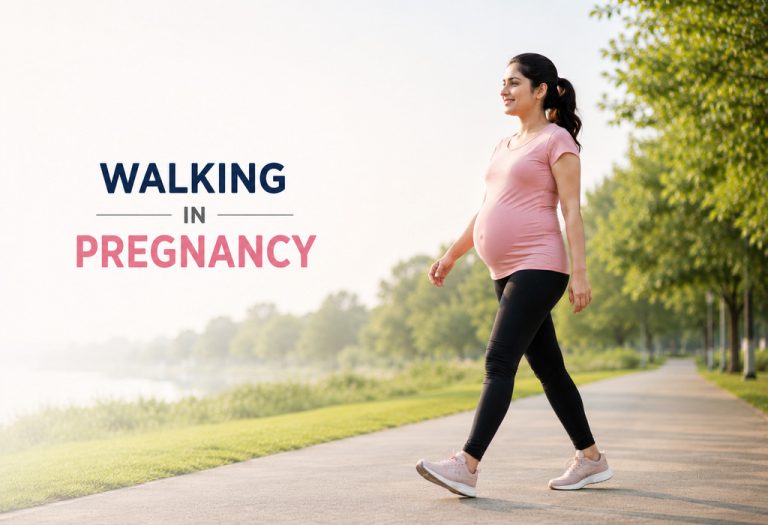
A simple daily walk during pregnancy can support your health, comfort, and overall well-being when approved by your doctor.





Medically Reviewed By
Dr. Sabiha Anjum
(Gynecologist/Obstetrician)

This health content has been medically reviewed by qualified experts and follows the FirstCry Parenting editorial policy to ensure accuracy and reliability.
Walking in pregnancy is one of the best exercises for pregnant women and is recommended by most health professionals. It is a low-impact exercise, considering its impact on the joints and heart, it helps the body fight against all sorts of chronic diseases (1). A 30-45 minute walk can help reduce weight, decrease the risk of cardiovascular disorders, improve blood circulation, strengthen bones and muscles, and boost the body’s immune system. Pregnancy and walking make a good duo, as walking has many benefits and helps the mother stay fit and healthy. Whether you are new to exercising or have had a regular routine before conceiving, knowing what is OK and what’s not concerning pregnant woman walking is important.
Is It Safe to Walk While Pregnant?
For most women with a healthy pregnancy, walking is considered one of the safest and easiest forms of exercise. It is low-impact, does not put too much pressure on the joints, and can be adjusted according to your comfort level and stage of pregnancy. Even women who were not active before pregnancy can usually start with short, gentle walks after speaking to their doctor.
Regular walking during pregnancy may help improve blood circulation, reduce swelling in the feet and ankles, support healthy weight gain, and lower the risk of constipation and back pain. It can also help improve mood and energy levels, which many women struggle with during pregnancy. According to the American College of Obstetricians and Gynecologists (ACOG), moderate physical activity during pregnancy may also reduce the risk of gestational diabetes and preeclampsia (2).
Walking is generally safe across all trimesters, but it is important to stay hydrated, avoid overheating, wear supportive footwear, and slow down when needed. Pregnant women should avoid uneven paths or slippery surfaces, especially during the later months when balance changes due to the growing belly.
Why Should You Walk During Pregnancy?
It is essential to remain active and also adjust to all the changes happening in your body during pregnancy. Walking is one of the best ways to do this. It is regarded as the best cardiovascular exercise for women during pregnancy.
The CDC recommends 150 minutes of exercise each week for pregnant women. This means five 30-minute sessions of moderate to intense moves, like brisk walking (3). Walking every day keeps the body fit and does not require any specialised equipment, fixed hours or extra cost. It is a safe exercise that the mother can do throughout the nine months of pregnancy after consulting with the doctor. Even if the mother did not exercise before pregnancy, it is entirely safe for her to walk during pregnancy.
In fact, according to a 2009 review, walking during pregnancy can improve your mood and significantly relieve you from back aches and leg pains (4).
When Should You Start Walking?
You can start walking right from the first day of pregnancy. Walking is an exercise that can be done throughout the pregnancy and has almost no health risks. During each trimester, certain tips and precautions should be kept in mind. Most importantly, discuss with your doctor and seek his advice before starting any exercise.
Benefits of Walking During Pregnancy
Walking is good for pregnancy and considered to be the best exercise for pregnant women (2) (5).
- Physical Fitness: Walking tones your muscles and keeps you active.
- Pain and Discomfort: Back pain, leg aches and discomfort due to a growing belly are eased by regular walks.
- Weight Gain: Although weight gain is natural during this phase, daily walks keep it at a healthy level.
- Gestational Diabetes: Women are prone to type-2 diabetes during pregnancy, and walking helps control blood sugar levels, thus reducing the risk.
- Blood Pressure: Walking maintains blood cholesterol levels, thereby controlling blood pressure.
- Pregnancy-Related Problems: Problems like morning sickness, cramps and constipation are commonly faced during pregnancy. Walking has been known to psychologically ease all these conditions, as it can make women feel calmer.
- Labour: The hip muscles get toned during walking, which helps in having a more relaxed labour.
- Emotions: Walking outdoors is a change of environment, which tends to uplift the mood and acts as a stress-buster. Having a walking group offers you the opportunity to meet new people and socialise.
- Health of the Baby: Walking keeps not only your weight in check, but also the baby’s weight. This further makes the process of delivery easier.
- Dedication: Walking is easy to do every day and does not require any extra equipment or cost.
How to Prepare for Walking
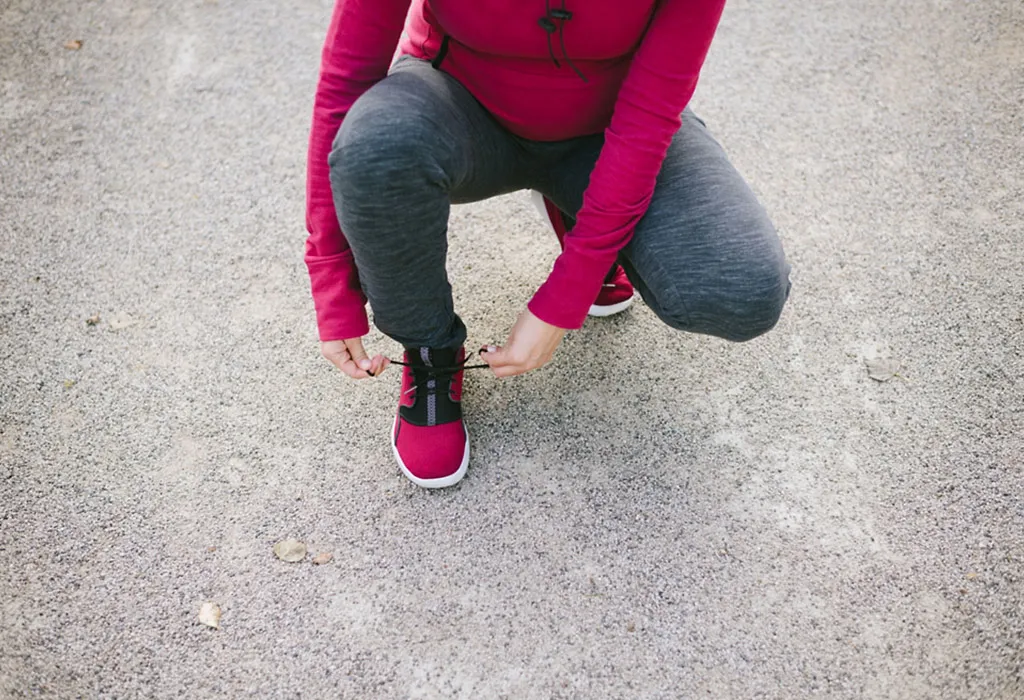
Keep a few pointers in mind before starting your routine. First, consult with your healthcare provider. They will be able to advise you on the best approach to how much exercise and intensity should be followed. Next, before starting off with walking, it is imperative to have the right shoes.
Walking shoes of the correct size are recommended. Also, keep a check on your shoe size, since your feet might swell up, requiring a larger size. Gel liners can be used for better shock absorbance. Use a good sunscreen or sunblock if you are walking during the daytime, and keep yourself well hydrated. Additionally, it is important to warm up before exercising and cool down afterwards before starting the walk (6).
How Long Should You Walk?
This depends on your exercise routine before pregnancy and also which trimester you are in. Overall, a 45-60 minute walk during the first two trimesters and 30-minute walk during the third trimester for five days a week is good enough during pregnancy. More than just staying active, it is also about how comfortable you are during pregnancy.
How You Can Incorporate Walking Throughout Your Pregnancy
Depending on the fitness level before pregnancy, you should accordingly incorporate walking during pregnancy.
First Trimester
In this trimester, depending on the fitness level prior to pregnancy, the mother should accordingly incorporate walking. That said, walking in early pregnancy is safe as long as you don’t overexert yourself. Mothers who weren’t exercising regularly should start with 10-20-minute walks three days a week, and by the end of the trimester, they can increase to 15-20 minutes at least five days a week. Women who have been exercising or working out can start with 20-30 minutes for four days a week and scale it up to 40-60 minutes for six days a week before the trimester ends.
Make sure you stay properly hydrated by drinking water before and after your workouts. According to the Institute of Medicine, it is advisable to drink 2.7 litres of water daily, which is roughly equivalent to about 11 (8-ounce) glasses (7).
Second Trimester
In the second trimester, morning sickness reduces significantly, and it is an excellent time to pick up the pace for walking. Beginners can scale up their walking to five to six days a week with 20-30 minutes per day. Those who were intermediate or regular should focus on increasing their pace and achieve 30-50 minutes of walking per day for six days a week. You can even include one day in a week with 60 minutes of walking.
Third Trimester
In the third trimester, the pace needs to be dropped. In this trimester, the mother should focus on feeling comfortable and also be active. Walk as per your mood and convenience. Maintaining the same timings as the second trimester, but reducing the pace is advised. Also, reduce the number of days of walking during the week. This trimester is all about relaxing and preparing for delivery.
Tips for Safe Pregnancy Walking
In addition to following all the tips, there are some general precautions the mother should take care of. Before including walking in your routine, consult your doctor about the routine and intensity. Always remember to warm up before going for a walk. This can involve some stretching and a fast-paced walk for two to three minutes. It is also okay to take breaks as and when you feel exhausted or even skip a day. It is important to keep listening to your body as you walk.
First Trimester
Morning sickness is common in this trimester, and the body undergoes a lot of changes. You should be walking as and when you are comfortable. Increase the duration of the walks gradually.
Second Trimester
Since this trimester is ideal for picking up the pace during walking sessions, one can also concentrate on maintaining good posture, with shoulders back and head up. Along with walking, swinging the arms can make the session more intense and also give the body better balance. Besides all this, the mother should not overexert herself.
Third Trimester
During the third trimester, it is essential to keep in mind-body posture. Wearing a belly support band or belt while walking supports the belly and lower back. This can be helpful for avoiding soreness in the lower back. Take breaks whenever required, while walking, and do not push yourself. Always carry your phone if you are walking alone or inform someone and stay connected.

Signs to Slow Down
Walking during pregnancy has a lot of benefits, but it is important that you don’t push yourself too much during this period. Walking till breathlessness or exhaustion is not good. During the walk, you should be able to talk without gasping for breath.
Always take breaks or slow down when you feel tired. Staying hydrated is also essential. Vaginal bleeding (especially during the 2nd and 3rd trimesters), joint pains, swelling in the calf or at joints, chest pains, and dizziness are some extreme signs to look out for, and you should consult with the doctor before continuing the exercise routine.
What Happens If You Don’t Walk While Pregnant?
Not walking during pregnancy does not automatically mean something will go wrong, but staying inactive for long periods may increase discomfort and affect overall health. A sedentary lifestyle during pregnancy may contribute to excessive weight gain, poor circulation, constipation, stiffness, lower energy levels, and back pain.
Lack of movement may also increase the risk of conditions such as gestational diabetes and high blood pressure in some women. Physical inactivity can affect stamina as well, which may make labour and postpartum recovery feel more exhausting.
Walking does not have to be intense to be helpful. Even a slow 15–30 minute walk most days of the week can support better physical and emotional well-being during pregnancy. The goal is regular movement rather than heavy exercise.
When to Consult a Doctor?
Pregnant women should stop walking and speak to their doctor immediately if they experience:
- Vaginal bleeding or leaking fluid
- Severe shortness of breath
- Dizziness or fainting
- Chest pain
- Persistent headache or blurred vision
- Painful contractions
- Severe pelvic pain
- Swelling or pain in one leg
- Reduced baby movements later in pregnancy
If you are diagnosed with any of the pregnancy complications like placenta previa, cervical insufficiency, severe anaemia, or have a history of preterm labour, it is wise to consult a doctor before starting or continuing exercise during pregnancy.
FAQs
1. Is it okay to walk in the first trimester?
Yes, walking is usually safe in the first trimester unless your doctor advises otherwise due to a medical condition or pregnancy complication.
2. Can walking during pregnancy induce labour?
Studies show that women who regularly walk during their pregnancy have a shorter and more comfortable labour. While walking, there is a rhythmic pressure on the uterus which leads to the production of the hormone oxytocin. This hormone is responsible for inducing labour. Also, due to walking, the baby tends to move down towards the cervix in the correct position for a natural delivery. Further, walking helps tone the body muscles, especially those in the hip, which can lead to a faster labour with less pain. Walking during pregnancy for a normal delivery has been reported in studies in which mothers included an early morning walking session.
3. Will I have a normal delivery if I walk during pregnancy?
Walking may help improve stamina, blood circulation, and muscle strength, which can support the body during labour. However, it does not guarantee a normal vaginal delivery.
4. Can too much walking during pregnancy cause any problems?
It is imperative to maintain a balance between extremes. According to surveys, it is suggested that during the 1st and 2nd trimester, a 45-minute walk per day is good. As you approach the 3rd trimester, the walking exercise can be toned down to 20-30 minutes per day. There will be signs if the body feels overexerted or exhausted from the workout. One primary concern is overheating of the body from too much walking. Although this usually doesn’t happen, walking on a hot day or working out without proper ventilation can result in this. Overheating of the body means overheating for the baby, which is not good.
5. Can too much walking harm the baby?
Excessive walking may cause dehydration, exhaustion, or dizziness that may not be safe. it’s best to listen your body and avoid overexertion.
Walking is a great exercise during pregnancy and has a lot of benefits. It is one exercise which is easy to follow and easy to adapt to. Keep a few things in mind while developing a daily routine, and you can enjoy a healthy and fit pregnancy.
Also Read:
Squats in Pregnancy
Zumba during Pregnancy
Fun Things To Do During Pregnancy
Can You Run During Pregnancy
Exercises You Should Avoid When Pregnant
Was This Article Helpful?
Parenting is a huge responsibility, for you as a caregiver, but also for us as a parenting content platform. We understand that and take our responsibility of creating credible content seriously. FirstCry Parenting articles are written and published only after extensive research using factually sound references to deliver quality content that is accurate, validated by experts, and completely reliable. To understand how we go about creating content that is credible, read our editorial policy here.
- Author
- Expert Reviewer