

Unwanted Pregnancy: Causes and Tips to Cope





Medically Reviewed By
Dr. Rima Sonpal
(Gynecologist/Obstetrician)


In this Article
- Key Takeaways
- What Are the Causes of Unwanted Pregnancy?
- What Are the Physical and Emotional Effects of an Unwanted Pregnancy?
- Risks Associated With Induced Abortion
- How to Terminate an Unwanted Pregnancy?
- What If You Decide to Continue the Unintentional Pregnancy?
- How to Avoid Unwanted Pregnancy?
- How to Cope With an Unwanted Pregnancy?
- FAQs
View More
This content has been reviewed by a qualified expert and follows the FirstCry Parenting editorial policy to ensure accuracy and reliability.
Key Takeaways
- An unplanned pregnancy can feel like a roller coaster, but with support and proper planning, you can make the right decision.
- Improper or irregular use of contraceptives or faulty contraception can cause an unexpected pregnancy.
- There are two ways to terminate an unplanned pregnancy: surgical abortion and medical abortion.
Finding out about an unexpected pregnancy can make you experience mixed emotions like surprise, confusion, sadness, and excitement—all at once. It could be a whirlwind of emotions. Whether you’re feeling scared, confused, or uncertain about what comes next, it’s completely normal to have these reactions. Dealing with an unplanned pregnancy needs a lot of emotional strength and support from the partner and the immediate family. The CDC reported a decline in unwanted pregnancy from 43.3% in 2010 to 41.6% in 2019 (1). This moment can bring up questions about your future, your relationships, your finances, and your personal goals that you might not have expected to face right now. Read on to learn what are the causes of an unwanted pregnancy and what to do for an unwanted pregnancy.
What Are the Causes of Unwanted Pregnancy?
In an unplanned pregnancy, the couple is not prepared for a baby, and such news can come as a shock to many people. An unwanted pregnancy can be the result of a “spur-of-the-moment” act, the wrong use of a contraceptive, and more. Let us explore a few of these causes of unintentional pregnancy in brief:
- Wrong Use of Contraceptives: If you and your partner use contraceptives but do not follow the instructions mentioned for a particular contraceptive, it can prove to be a costly mistake. If birth control pills are your preferred choice of contraception, and you miss the pill one day, it could result in an unwanted pregnancy. Taking the pills every day at the same time is essential as it will lower the chances of pregnancy to the minimum. Similarly, while using a cervical cap or a diaphragm, if the cervix is not covered entirely before intercourse, it could be a mistake you will regret. Condoms are though quite reliable as a contraceptive method, but they, too, need to be used properly (7).
- Wrong Calculation of Safe Days: An unplanned pregnancy can happen if the calculation of the fertile period is wrong. You will have to be sure about the safe period of the month to rely completely on this method.
- Irregular Use of Contraceptives: Contraceptive methods like diaphragms, condoms, and cervical caps should be used every time during sex. If a woman forgets to take the birth control pills or the morning-after pill once, it can result in pregnancy (8).
- Non-Availability of Emergency Contraceptive Pills: Emergency contraceptive pills are a popular method of contraception for women. However, the pills often may not be available off-the-counter, and at times, a prescription may be necessary. This could lead to a delay in taking them and could result in pregnancy.
- Lack of Knowledge: Women are often unaware of their bodies and do not know which sexual act will lead to pregnancy. If there is inadequate knowledge of sex and its consequences, this could be a major cause of pregnancies, especially in teens.
- Failure of Contraception: One of the primary causes of an unwanted pregnancy is contraceptive failure. Statistics have shown that around 53% of unwanted pregnancies happen in women who use contraceptives. This is a common cause for all ages, whether a teenage girl or an older woman (3).
What Are the Physical and Emotional Effects of an Unwanted Pregnancy?
A woman may have to deal with physical and emotional changes when the pregnancy is an unplanned one. There can be long-term adverse effects on a woman’s health. Most couples are unprepared for such an emergency and can face major upheavals in their orderly lives. Since most women are not mentally ready for such a surprise, it could lead to sleepless nights, arguments and emotional upsets. There can be feelings of regret, and there can be chances of severe complications like depression, too. In case of negative feelings about the pregnancy, it can lead to a feeling of detachment from the baby, and bonding can suffer in a major way (1).
Termination of an Unintended Pregnancy
If you and your partner decide not to proceed with the pregnancy, ensure this decision is mutual and not forced on either of you. Any doubt or indecision can blow this delicate subject out of proportion and impact your relationship. If you decide to terminate it, you will want to know how to get rid of an unwanted pregnancy. However, before that, you must be prepared for the physical and emotional changes you could undergo. Apart from physical uneasiness and anxiety, feelings of guilt and sadness are common, and many women are unable to cope with it. Share your deepest fears with your partner or a friend, and, if required, take the help of a counsellor.
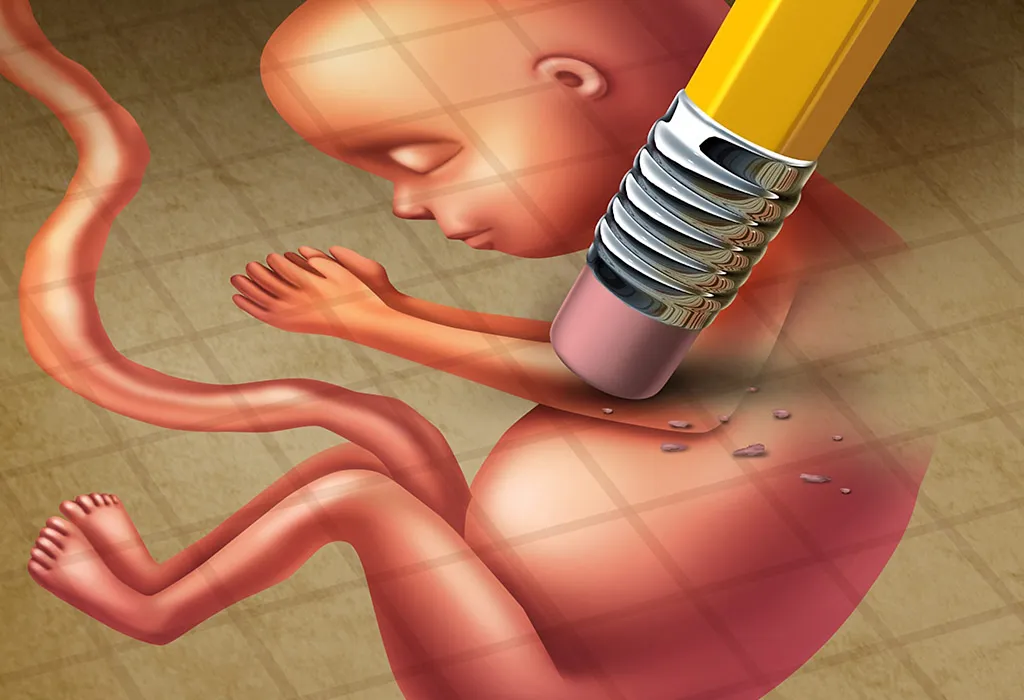
Induced Abortion
Abortions that are caused by medical or external interventions are known as induced abortions. If yours is an unplanned pregnancy, you will have to go through it. The foetus will be expelled from the uterine cavity through a saline digoxin or potassium chloride injection. The injection will be inserted into the amniotic sac that covers the foetus. Prostaglandins like misoprostol will be used to soften the cervix and induce uterine contractions. The medicine will be inserted vaginally. To induce contractions, Pitocin or oxytocin is injected intravenously. However, these methods of abortion are generally opted for in the second trimester of pregnancy (4).
Risks Associated With Induced Abortion
You should be aware of the potential risks associated with induced abortion when various medicines are injected into the amniotic sac (5):
- Excessive bleeding
- The uterus could be damaged due to the injection method.
- Infection of your internal organs
- Extreme pain and subsequent soreness
- Saline can enter the mother’s bloodstream, which can be dangerous.
How to Terminate an Unwanted Pregnancy?
The type of procedure used for aborting a child from an unwanted pregnancy will depend on how far a woman is into her pregnancy. There are two methods of abortion, namely, medical abortion and surgical abortion. Early medical abortion is carried out if a woman is nine weeks pregnant or less. But if a woman has crossed her seven-week pregnancy mark, a separate procedure will be followed for abortion.
Surgical abortion includes vacuum aspiration (for 8-12 weeks of pregnancy) and surgical dilation. After 15 weeks, it is a mid-trimester abortion. Abortion after 20 weeks is not common, and it is also not allowed in India (6).
What If You Decide to Continue the Unintentional Pregnancy?
If you have decided to go ahead with an unintentional pregnancy, there are many things to think about carefully. Giving birth to a baby and bringing a new life into the world can be a daunting feeling for most women. You will be nervous about the huge responsibility that will come upon you. Getting overly stressed and reacting to the situation negatively will not help. It could also hurt you and the baby. You will have much time to consider the future and plan parenthood as the pregnancy progresses. Meet a doctor and understand all that there is to your pregnancy. Discuss your fears and anxiety with your partner, who will play a critical role during this period. Plan your finances and check the impact this pregnancy will have on your immediate and future financial goals.
Antenatal Check-ups
A primary drawback of an unintentional pregnancy is that you will miss out on preconception health. The mom-to-be’s health before conception is checked and monitored during this period. Therefore, you will have to take additional care of yourself, as lack of care can have a direct impact on the pregnancy. Antenatal check-ups include monitoring areas like receiving balanced nutrition, taking multivitamins, maintaining a regular exercise schedule, and avoiding the intake of tobacco and alcohol, drugs. One should also be careful of contracting sexually transmitted diseases and should keep health conditions like diabetes, hypertension and obesity at bay (9).
How to Avoid Unwanted Pregnancy?
We all hate unpleasant surprises, especially those that can potentially disrupt our lives. Unwanted pregnancies find a mention pretty high on this list of nasty surprises. If you want to avoid unwanted pregnancies, take the following precautions:
- Avoid penetrative sex if you are still in your teens. Wait till the time you are capable of handling the responsibility with maturity.
- If you have plans to get sexually active, be prepared with all available options of contraception. Ask your partner to use a condom every time you have sex or use birth control pills (2).
- Use an emergency contraceptive if you are unsure of the birth-control methods used.
- The morning-after pills are to be used in case of emergencies only, so do not make a habit, or your health may be affected.
How to Cope With an Unwanted Pregnancy?
Overcoming an unwanted pregnancy can take time, as an unplanned pregnancy can throw your life into complete disarray. So, what to do for unwanted pregnancy? Here are a few pointers that can help you deal with an unexpected pregnancy:
- Don’t Panic: Remember, an unwanted pregnancy is not a life-threatening moment. Of course, it is an emergency, but it can worsen if you panic in the first instance.
- Think Rationally: The first emotion to hit a couple when they are faced with an unplanned pregnancy is guilt and shame. You may feel cheated by your partner if he does not take responsibility. The key is to think rationally and let go of the guilt.
- Seek Support: Reach out to trusted friends, family members, or support groups. Having a support system can provide emotional and practical assistance during this time.
- Gather Information: Educate yourself about your options, including parenting, adoption, and abortion. Understanding each option can help you make an informed decision that aligns with your values and circumstances.
- Learn From It: Once you have experienced this situation, you must ensure you do not have to repeat a similar situation. Use proper contraception every time you have sex, and be prepared for emergencies.
- Take Responsibility: Do not play the victim card when dealing with this surprise. By taking responsibility for your actions, you will feel in better control of the situation.
- Adoption: It means you can connect your baby with a family that needs one and can provide the right amount of care and love to your unborn child.
- Abortion: This option may not be a legal option for many couples based on their geographical locations, some countries and states do provide this option. Consult a legal expert.
Adoption allows you to connect your baby with a family that will provide care for your unborn child. The adoption process involves several legal processes, and working with a reputable agency can help guide you through it. You c
FAQs
1. What should I do first if I find out I’m unexpectedly pregnant?
The first step is to confirm the pregnancy with a healthcare professional. Once confirmed, process your emotions and consider reaching out to your partner, a trusted friend, family member, or counsellor for support.
2. Is it normal to not feel happy about an unexpected pregnancy?
It is completely normal to have mixed emotions, feel scared, confused, and excited all at once when faced with an unplanned pregnancy. Your emotional response is valid, and it doesn’t have to be like everyone else’s.
3. Is abortion legal in India?
Yes, abortion is legal in India under the Medical Termination of Pregnancy (MTP) Act. Legal termination of pregnancy is possible if your pregnancy is up to 20 weeks under most circumstances or your pregnancy is up to 24 weeks in certain cases, such as fetal abnormalities or risks to the mother’s health. It is advised to consult a certified medical practitioner to seek guidance and services.
4. Do I need a partner or parental consent to get an abortion in India?
If you are 18+ years of age, you do not require any parental or partner consent for abortion. It is solely your decision. However, if you are a minor, parental consent will be required.
5. Will anyone find out if I get an abortion?
No, getting an abortion if you are an adult is your decision and confidential. Doctors and healthcare institutions are legally required to protect your privacy. They cannot share the details of your abortion to anyone without your explicit consent, unless specified in specific legal situations.
6. How can I manage the emotional stress of an accidental pregnancy?
Managing emotional stress involves acknowledging your feelings, seeking support from loved ones or professionals, and practising self-care. Counselling or therapy can also be beneficial in helping you navigate your emotions and make decisions.
An unwanted pregnancy can be a trying time for both individuals involved. Though it is an emotionally draining experience for most, it can help you build a stronger relationship with your partner if handled maturely and sensibly.
Also Read:
How to Prevent Pregnancy?
Natural Home Remedies for Abortion
How to Terminate Pregnancy After 1 Month?
Abortion Procedures for Termination of Pregnancy
Was This Article Helpful?
Parenting is a huge responsibility, for you as a caregiver, but also for us as a parenting content platform. We understand that and take our responsibility of creating credible content seriously. FirstCry Parenting articles are written and published only after extensive research using factually sound references to deliver quality content that is accurate, validated by experts, and completely reliable. To understand how we go about creating content that is credible, read our editorial policy here.
- Author
- Expert Reviewer