Toddler Biting: What Causes It and How to Stop
Understanding toddler biting causes and learning how to stop it without stress or punishment.




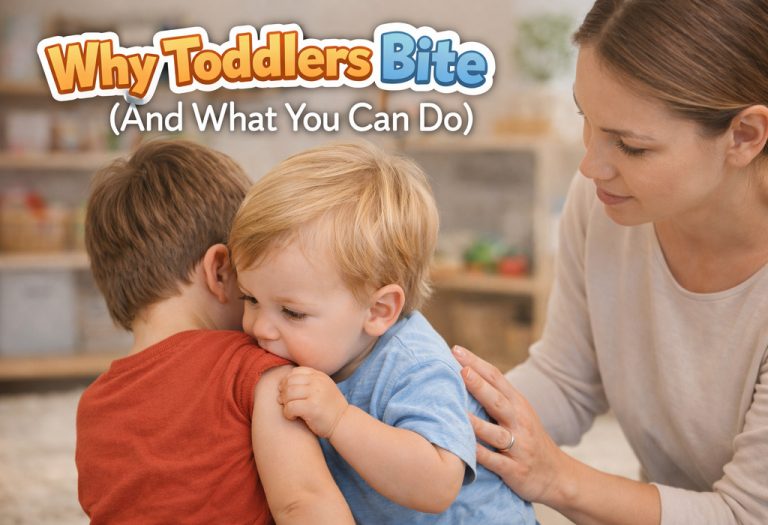
Image Credit : AI Generated Image
Let’s be honest, nothing prepares you for the moment your toddler bites. Not the parenting books, not the advice from relatives, not even your own patience. Parents are left asking why it happens and how to stop it without yelling, bribing, or questioning their life choices.
If this is sounding familiar, take a deep breath. Toddler biting is actually very common, especially in the early years. It does not mean your child is aggressive or doing something wrong. At this age, toddlers are still learning how to handle big emotions, express their needs, and communicate with the people around them. Sometimes, biting is simply the quickest way they know how to react. Thankfully, this phase doesn’t last forever, and there are effective ways to handle it.
In this article, we will talk about why toddlers bite and share easy-to-follow tips to help you stop toddlers from biting without yelling, shaming, or losing your calm.
What Causes Toddlers to Bite?
Most toddlers are not trying to hurt others on purpose. Biting is often their way of dealing with feelings they cannot yet explain. Below are some common reasons why do toddlers bite (1) (2) (3) (4).

Image Credit : AI Generated Image
- Teething Discomfort: Sore gums can make toddlers want to bite anything that brings relief. People nearby sometimes become the easiest target.
- Limited Language Skills: When toddlers cannot express anger, excitement, or frustration with words, they may use biting instead.
- Strong Emotions: Overexcitement, frustration, or feeling overwhelmed can trigger biting, especially during group play or busy settings.
- Seeking Attention: Some toddlers notice that biting brings a big reaction from adults. Even negative attention can feel rewarding.
- Curiosity and Cause-and-Effect Learning: Toddlers are natural explorers. They may bite simply to see what happens next.
- Fatigue or Hunger: A tired or hungry toddler has less patience and self-control, making impulsive behaviours more likely.
What to Do When Your Toddler Bites?
Your response in the moment matters more than you might think. Calm, clear reactions help toddlers learn boundaries without fear or shame. Here’s how you can respond in a way that teaches, not frightens (1).
1. Stay Calm and Respond Right Away
Your reaction sets the tone. Try to stay calm and firm, and let your toddler know that biting is not okay in clear, simple words like, “Biting hurts. We don’t bite.” Big reactions can sometimes make the behaviour more interesting to them, so steady and calm works best (3).
2. Figure Out the “Why” Behind the Bite
Most toddlers bite because they’re overwhelmed, frustrated, tired, or teething, not because they’re being “bad.” Pay attention to patterns: Does it happen when they’re hungry? Overstimulated? Around certain kids? Once you spot the trigger, you can step in earlier next time (2) (5).
3. Don’t Bite Back or Use Harsh Punishments
As tempting as it might be to “teach them a lesson,” biting back or using physical punishment only sends a confusing message (4). Toddlers don’t learn empathy from being hurt; they learn it from seeing it modelled. When we respond gently but firmly, we’re teaching them how to handle big feelings without using their teeth.
4. Give a Short, Calm Time-Out (When Needed)

Image Credit : AI Generated Image
Time-outs can be helpful if they’re used gently and consistently; think of them as a reset, not a punishment. Keep it short (about one minute per year of age), explain why it’s happening (“We take a break because biting hurts”), and reconnect with a hug or calm words afterwards.
5. Notice and Praise the Good Moments
It’s easy to focus on the biting, but don’t miss the moments when your toddler handles a tough situation without using teeth. Catch them being gentle and name it: “I love how you used your words!” Positive attention goes a long way in shaping behaviour (5).
How to Stop a Toddler From Biting?
Now, you might be wondering how to get toddler to stop biting. Although progress may be slow at first, consistent and calm responses help reduce biting over time. The tips below will help you get started (2).
1. Step in Immediately and Set the Boundary
When biting happens, don’t wait it out. Move in right away and clearly let your toddler know biting isn’t okay, using a firm but calm voice. Your tone and facial expression help them understand the seriousness of the moment, even before the words fully sink in (6).
2. Help Them Find Words for Frustration
Many toddlers bite because they don’t know how else to communicate. Teach short, simple phrases they can use when they’re upset, like “Stop,” “Mine,” or “Help me.” Over time, those words can replace the impulse to bite (3).
3. Acknowledge the Feelings Behind the Bite

Image Credit : AI Generated Image
Biting often comes from strong emotions, not bad intentions. Let your child know you see their feelings: “That was really upsetting when your toy was taken.” Feeling understood can calm them down faster than correction alone (5).
4. Notice Patterns and Head Off Triggers
If biting tends to happen around the same situations: certain toys, crowded playdates, or when your toddler is tired; that’s your clue. Adjusting the environment or stepping in earlier can prevent a lot of incidents before they start.
5. Don’t Let Biting ‘Work’ for Them
If your toddler bites to get a toy or space, make sure that tactic doesn’t pay off. Calmly remove them from the situation and return the toy to the other child. When biting doesn’t get results, it loses its power.
6. Focus on Comforting the Child Who Was Hurt
It’s natural to zero in on the biter, but putting your attention on the child who was bitten sends an important message. It shows your toddler that hurting others doesn’t earn extra attention (6).
7. Stay Close During High-Risk Moments
During playdates or busy group settings, keep a closer eye on your toddler. If you notice tension building, step in with a gentle distraction or change of activity. Being proactive beats dealing with tears afterwards (3).
8. Offer Something Safe to Chew
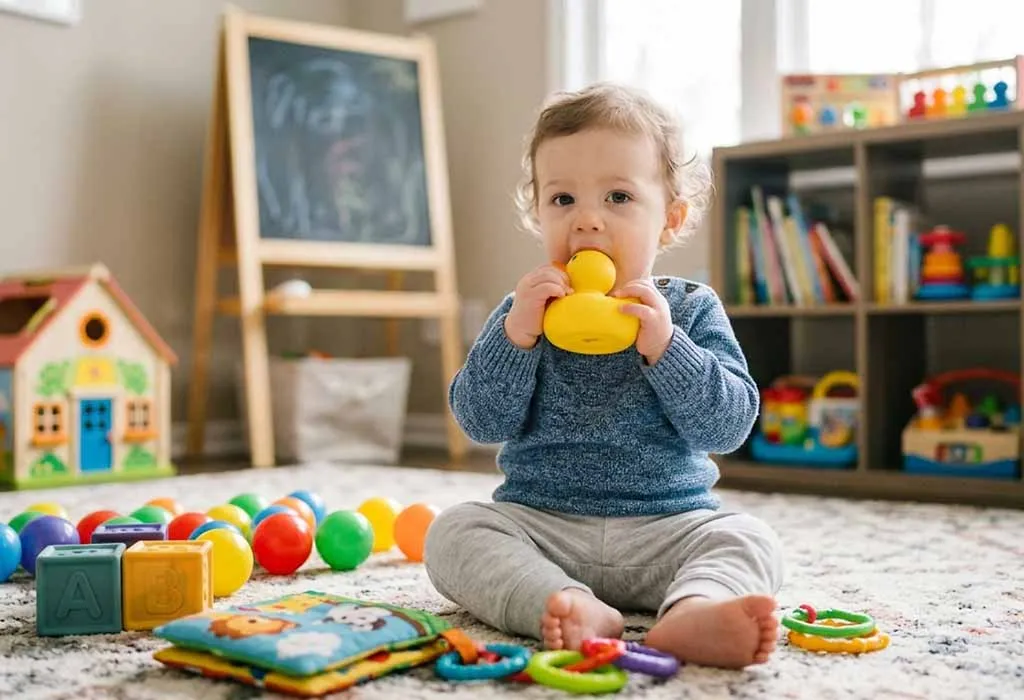
Image Credit : AI Generated Image
For some toddlers, biting is about sensory needs or teething. Having an appropriate item they’re allowed to chew on can meet that need without hurting anyone. Over time, they’ll learn what’s okay to bite and what’s not (5).
9. Give Extra Attention During Big Life Changes
Big transitions can make toddlers act out; new siblings, weaning, moving, or changes in routine can all stir up emotions. A little extra one-on-one time can go a long way in helping them feel secure and less likely to lash out.
10. Model Gentle Behaviour
Toddlers learn by imitation, including how people interact. If playful biting or rough play happens around them, they may copy it with other kids. Showing gentle behaviour in everyday moments gives them a better model to follow.
When to Visit a Doctor?
In most cases, biting in toddlers is a normal developmental phase. Consider speaking with a paediatrician if biting is frequent, severe, continues past age three, or is paired with delays in speech or social interaction (1) (6). A professional can rule out underlying issues and guide you toward extra support if needed.
FAQs
1. How long does the biting phase usually last?
It varies by child, but for most toddlers, biting fades as they learn to talk, share, and manage frustration better. Consistent responses from parents can shorten how long the phase sticks around.
2. Is it normal for toddlers to bite when angry?
Yes! The behaviour of a toddler biting when angry is very common. Most children outgrow it as they develop better communication and emotional regulation skills.
Parenting through a biting phase means showing up again and again, even when it feels uncomfortable or a little embarrassing. It takes patience, quiet strength, and the ability to remind yourself that growth rarely happens in a straight line.
Also Read:
Activities For 2 Year Olds
Helping Your Toddler Cope with Guilt
Tips to Deal with Destructive Behaviour in Toddlers
Common Toddler Behaviour Problems and Their Solutions
Was This Article Helpful?
- Author








.svg)