
Labetalol In Pregnancy – Safety, Dosage and Side Effects
Learn if labetalol in pregnancy is safe, how it treats high blood pressure, and its possible side effects in this expert reviewed guide.





Medically Reviewed By
Dr. Rima Sonpal
(Gynecologist/Obstetrician)


This health content has been medically reviewed by qualified experts and follows the FirstCry Parenting editorial policy to ensure accuracy and reliability.
Labetalol in pregnancy is generally considered safe when prescribed by a doctor and is one of the commonly recommended medications for managing high blood pressure during pregnancy. According to the World Health Organization (WHO), hypertensive disorders affect around 3-8% of pregnancies worldwide and are a leading cause of maternal and perinatal complications (1). If you have questions about labetalol and pregnancy, this article explains when doctors prescribe it, how it works, its safety, possible side effects, potential risks, and the precautions you should follow during pregnancy.
What Is Labetalol?
Labetalol is a drug used for treating high blood pressure (2). This medication is termed ‘beta-blocker’ – a group of drugs that can be given orally for long-term hypertension management and intravenously in severe hypertensive situations. Lowering blood pressure helps prevent heart attacks, strokes, and kidney problems. It relaxes the blood vessels and slows the heart rate, which results in improved blood flow, thus decreasing blood pressure.
Is It Safe to Take Labetalol During Pregnancy?
High blood pressure or hypertension is a serious concern for women during pregnancy. It can sometimes cause severe health complications for the mother and the developing baby.
Labetalol for high blood pressure during pregnancy is prescribed to women who have high blood pressure during pregnancy (pregnancy-induced hypertension or gestational hypertension) (2). High blood pressure can lead to damaged kidneys, brain, heart and blood vessels, if not treated promptly. If these organs are affected, it may lead to heart disease, heart failure, heart attack, kidney failure, loss of vision, or stroke.
Sometimes, women who are being treated for high blood pressure before pregnancy are made to switch to labetalol from their previous medicine. It also depends on how many weeks pregnant the patient is. It is, therefore, important to weigh how necessary labetalol is to your health against any possible risk that you or your baby might be in. Ultimately, the decision to start, stop, continue or change any medicine should be made in consultation with your healthcare provider (3).
How Does It Work?
Apart from its role in controlling pregnancy-related hypertension, Labetalol has demonstrated effectiveness in averting pre-eclampsia, a severe pregnancy complication marked by elevated blood pressure and potential organ damage. Research indicates that Labetalol notably decreases the likelihood of pre-eclampsia in high-risk women (4).
Why Is Labetalol Used During Pregnancy?
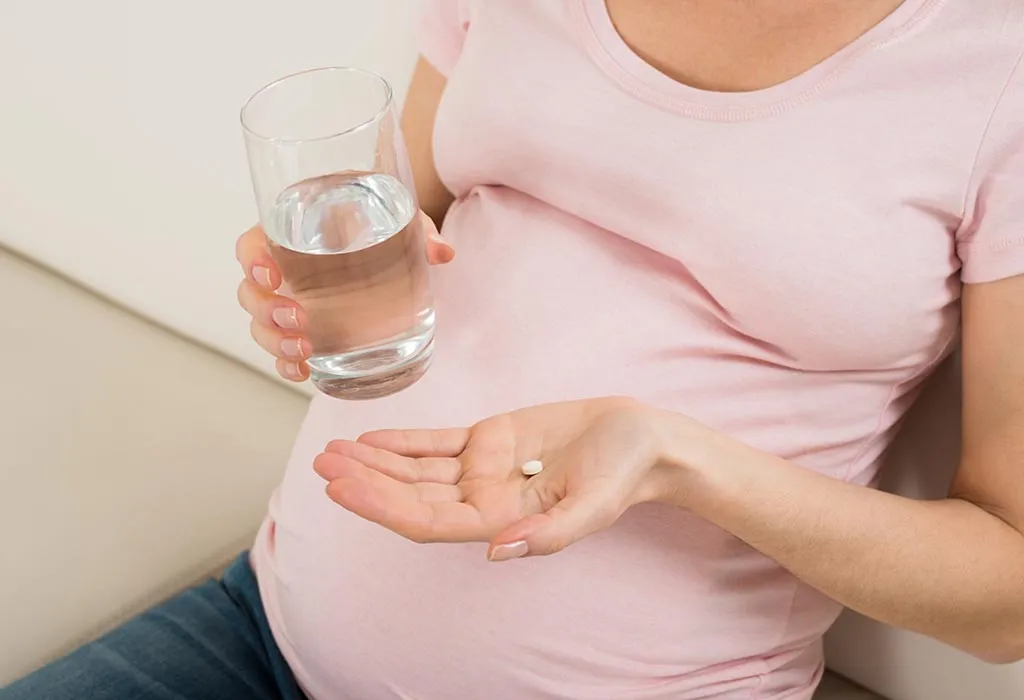
- To control high blood pressure for the health of the unborn baby and the mother.
- It can be used as an acceptable oral antihypertensive agent as it is safe for mothers with high blood pressure. It is a recommended drug and doesn’t affect the unborn child if taken during pregnancy (5).
- Labetalol for high blood pressure during pregnancy is instrumental in causing a smooth and sustained fall in blood pressure and is free of any grievous side-effects.
- Labetalol supersedes all other medicines as a first-line drug and can be safely taken in the first trimester of pregnancy.
What Is the Safe Dosage of Labetalol During Pregnancy?
There is no single safe dose of labetalol for pregnancy. The right dose varies from person to person based on your blood pressure, stage of pregnancy, and how well the medicine works for you. Your doctor will start with a low dose and increase it only if needed.
Oral labetalol (tablets) (6):
- The usual starting dose is 100-200 mg, taken 2-3 times a day.
- Most pregnant women need 600-800 mg per day to keep their blood pressure under control.
- The maximum oral dose is usually 1,200 mg per day.
IV labetalol (injection):
- IV labetalol is used only for severely high blood pressure in a hospital.
- Treatment usually starts with a 20 mg injection (7).
- More doses may be given if needed until the blood pressure comes down.
- The total IV dose usually does not go above 300 mg.
Side-effects and Risks of Taking Labetalol During Pregnancy
It has been generally observed that older adults are more sensitive to the side-effects of the drug. It is not necessary that a side-effect will definitely occur, but if it occurs, it may need medical attention. Though labetalol is often prescribed to expectant ladies, some common side-effects are as follows (3):
- Taking Labetalol max dose in pregnancy daily causes fatigue.
- A regular dosage of the medicine can, in some rare cases, cause an upset stomach.
- Some rare cases also experience a stuffy nose as a side-effect.
- Sometimes, it might cause tingling in the scalp or skin, especially in temporary doses.
- Some patients have also reported dizziness and drowsiness after consuming the medicine daily.
Some side-effects of the medication do not need any medical attention. As the body gradually gets accustomed to the medicine, the side-effects disappear. Even the healthcare provider gives useful guidance to prevent or reduce the side-effects of the medicine. If any side-effect happens to be bothersome, the health care provider must soon be consulted.
Things You Need to Be Careful About
Labetalol is safe as a medicine for hypertension. Nevertheless, one should be careful before taking the medicine and follow the instructions given by the doctor.
- Do not stop taking the medicine suddenly.
- If it is discontinued suddenly, it increases blood pressure.
- Avoid taking the medicine if you are allergic to it.
- Discontinue taking it if you have a second or third-degree heart block or very slow heartbeat.
- Do not take the medicine if you have any kidney or liver disease, diabetes or allergies.
Alternatives to Labetalol During Pregnancy
In addition to taking Labetalol while pregnant, other medications like Methyldopa, Nifedipine, and Hydralazine are employed to address pregnancy-related hypertension. Each of these drugs operates distinctively in reducing blood pressure. The selection of medication hinges on individual circumstances. Your healthcare provider will assess your health background and treatment response to determine the most appropriate option for you.
FAQs
1. What if I already consumed labetalol when pregnant?
Consult a doctor if you have taken any medicine when already pregnant. The doctor will then decide whether the medicine is still required or you should discontinue it. The doctor will also determine the lowest labetalol dose in pregnancy that will work so that it is safe for you as well as the unborn baby.
2. Can consuming labetalol cause the baby to be born with birth defects?
Since most of the baby’s internal organs develop within the first 3 months (12 weeks) of pregnancy, any risk of birth defects will be higher at this time. Only a few studies have been conducted to identify if conditions like hypospadias or heart defects are linked to consumption of labetalol during pregnancy. The studies do not show any such link between labetalol and these defects at present. In short, labetalol doesn’t cause any effects to the baby hence given safely
3. Can consuming labetalol when pregnant cause miscarriage?
One of the most common pregnancy-related issues is miscarriage. It is the spontaneous loss of the baby in the first 20 weeks of pregnancy. Miscarriage due to the use of a particular drug is very rare.
There are no assessments on miscarriage after consuming labetalol. Very little evidence of miscarriages proves that it is one’s personal health status which is equally responsible for any such unfortunate eventuality.
4. Does labetalol cause stillbirth?
Losing a baby is a terrible emotional blow. A baby who is born without any signs of life after 24 weeks of pregnancy is called a stillborn child. The mother ‘s health, age, lifestyle, and certain genetic factors are some of the reasons for it.
Labetalol does not cause stillbirth. There is a higher risk of stillbirth when the blood pressure of the pregnant mother is poorly controlled. Though there are cases where women taking labetalol experienced stillbirth, there are others who had a completely safe delivery. It is the high blood pressure that causes the risk of stillbirth and not labetalol, which actually alters the risk.
5. Does taking labetalol during pregnancy cause preterm birth (before 37 weeks)?
Labetalol and pregnancy are absolutely common. Preterm delivery is sometimes medically induced by the doctor due to concerns about the baby’s health in the womb or because of the severity of the expectant mother’s high blood pressure. Therefore, it cannot definitely be concluded that the medicines that are used to treat high blood pressure during pregnancy are actually responsible for preterm delivery. Some studies of preterm birth rate were conducted, in which it was found that taking labetalol during pregnancy is not linked to an increased risk of preterm birth.
6. Can consuming labetalol during pregnancy cause low birth weight?
Many of the studies that were conducted on expectant mothers found no evidence that taking labetalol during pregnancy increased the risk of low birth weight in the baby. It is high blood pressure that causes less birth weight and not labetalol.
7. Can taking labetalol cause other health problems in the newborn child?
It is absolutely uncertain whether a labetalol dose in pregnancy can affect the baby after birth. However, a number of studies have suggested that the likelihood of any complication with the baby after birth is not due to the exposure of the baby to labetalol in the mother’s womb.
8. Is there a need for extra monitoring for you and your baby during pregnancy or after delivery?
When women with high blood pressure deliver their baby, they are usually offered special care and are closely monitored to ensure that their blood pressure is in the correct range and their baby is developing and growing at a normal pace.
Labetalol and pregnancy are not at all uncommon. One must also know that every pregnancy is unique. It is suggested to all expectant mothers to keep a record of all the medication undertaken during pregnancy in a handheld maternity record so that the doctor can see the medical history of the patient at a glance.
Also Read:
Taking Loratadine in Pregnancy
Fast Heart Beat during Pregnancy
Taking Nifedipine when Pregnant
Should You Take Omeprazole while Pregnant
Was This Article Helpful?
Parenting is a huge responsibility, for you as a caregiver, but also for us as a parenting content platform. We understand that and take our responsibility of creating credible content seriously. FirstCry Parenting articles are written and published only after extensive research using factually sound references to deliver quality content that is accurate, validated by experts, and completely reliable. To understand how we go about creating content that is credible, read our editorial policy here.
- Author
- Expert Reviewer

Related Articles
-

Guess Who Mommy or Daddy Baby Shower Game With Questions
-
Placental Lakes - Do They Affect Pregnancy?
-
Breast and Nipple Care During Pregnancy
-
Meditation During Pregnancy: Benefits and Techniques
-
Leaking Amniotic Fluid - Signs, Causes, & Treatment
-
The Truth About Stretch Marks- 4 Signs You May Get Them While Pregnant