
Stress During Pregnancy: Managing Symptoms & Stress Relief Tips
Managing stress in pregnancy starts with recognizing the symptoms. Learn effective stress relief tips for a healthier pregnancy.





Medically Reviewed By
Dr. Sabiha Anjum
(Gynecologist/Obstetrician)

This health content has been medically reviewed by qualified experts and follows the FirstCry Parenting editorial policy to ensure accuracy and reliability.
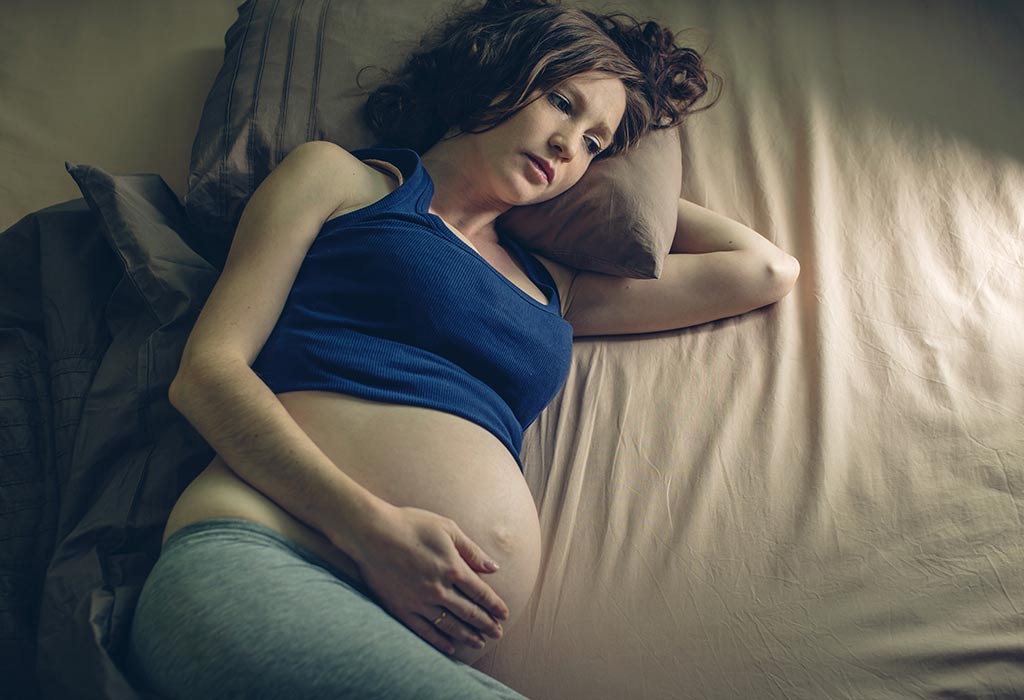
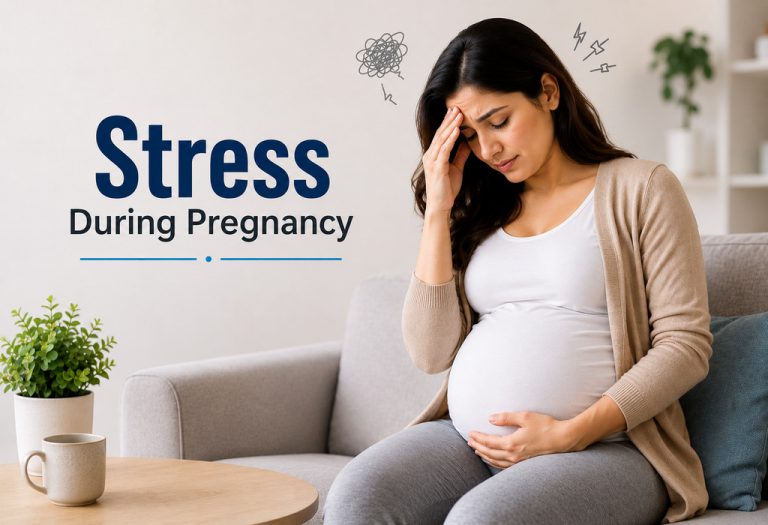
Anxiety and stress during pregnancy are nothing new. You are bringing a new life into the world and dealing with big physical, mental and emotional changes happening in your body. Who wouldn’t be stressed? But if you think you are going through extreme stress during pregnancy, it is worrisome. While stress affects the mother physically and mentally, its repercussions can reflect in the growing fetus as well. Yes, the hormones, backaches and morning sickness – all carry stress, which could turn everyday life into everyday stress and harm the growing baby. In this article, we’ll break down everything around stress, why it happens in pregnancy, its consequences, and ways of handling stress while pregnant.
Causes of Stress in Pregnancy
There can be many reasons for stress during pregnancy. This is primarily due to the discomfort that is felt by the body or the mind. Take a look at some common triggers of stress during pregnancy (1).

- Physical stress: This is due to physical issues that pregnant women have to deal with, such as lethargy and aches across the body.
- Hormones: Hormonal variations cause mood swings, which affect the mental constitution of a person. While this doesn’t directly cause stress, it makes a woman vulnerable to stress.
- Juggling between home and a career: Those who struggle with a job, home and pregnancy simultaneously can have it very hard. There may be situations where you will feel you are unable to cope and that it is affecting your personal as well as professional life. Many women begin to stress about not doing enough. For some, it becomes even worse as they fall into depression.
- Domestic Abuse: Domestic problems and other personal issues during pregnancy can lead to aggravation of stress. Such stress issues can lead to harmful consequences that will have an impact forever.
Stress Types That Can Cause Pregnancy Problems
Since stress is a common feature accompanying pregnancy, it is fine as long as it does not become aggravated and is managed well. But at the same time, there are several types of stress that can wreak havoc in your pregnancy and lead to several harmful effects. Some of them include
- Tragic occurrences: Tragedies in life, such as fatal diseases in the family or self, or even losing a loved one or a family member, can lead to severe stress, which may be hard to overcome for a long time.
- Calamities: Unfortunate events such as natural calamities like earthquakes, floods, hurricanes, etc., or man-made disasters such as accidents or terrorist attacks can leave a deep impact on the minds of pregnant women. The dreadful images of these incidents may be hard to erase from the mind and can cause mental stress.
- Acute stress: This is a condition that can occur during pregnancy, either due to personal problems such as financial difficulties, relationship problems, domestic turbulence, physical abuse or mental abuse. One of the worst effects of stress during pregnancy is depression, which can be long-lasting. Sometimes, this extends to periods even after pregnancy, leading to post-partum depression.
- Pregnancy worries: Many women suffer from stress resulting from pregnancy-related worries, such as anxiety about labour pain, fears about the health of the baby, miscarriage fears or even the anxieties of coping with parenthood. This is a maternal stress worry that can make them hyper, sleep-deprived and even depressed.
How Can Stress Affect Your Pregnancy?

Pregnancy isn’t the same for all; for some, it is a gentle breeze, and for others, it comes with its share of discomfort. Unfortunately, those having to face severe discomfort or aggravated physical problems may come under severe stress. In fact, stress and miscarriage are closely related. The effects of stress on a pregnant woman include headaches, insomnia, exhaustion, and so on. Loss of appetite, dysentery and mood swings are some other ways in which stress can make your pregnancy difficult.
There are many effects of stress during pregnancy. Long-term, severe and untreated stress can also lead to high blood pressure, gestational diabetes, and even bring about a heart attack. Studies have shown that long-term stress can also lead to severe depression (2).
Stress, unheeded and untreated, can make your pregnancy a difficult period and even affect your life post-delivery. The effects of stress during pregnancy on infant and child development can be in the form of altered brain development that can cause behavioural problems.
How Can Stress Affect Your Unborn Baby?
Stress can affect the unborn baby in many ways. Stress interferes with many body functions, and this can adversely affect the baby.
- Stress has negative effects on the immune system of the body, which can cause high blood pressure and other illnesses. This is not good in pregnancy because it can cause premature labour (3).
- When you experience stress due to emotions, the cortisol hormone is released into the system, and the level increases as per the stress severity. High levels of cortisol can cause depression and obesity. If the levels remain high for a long time, even heart diseases, muscle loss and osteoporosis can occur. It may also increase cortisol levels in the fetus and increase the risk of developmental issues in the baby (4).
- Several studies have proven that babies born to pregnant women with acute stress during the third trimester have high cortisol levels. It was also found that even 10 years later, the children still carried high levels of cortisol – a situation that can have adverse health implications.
- Preterm birth is another negative effect of stress. A baby born before full-term can suffer from many health issues, such as low immunity, respiratory disorders, digestive problems, and, in some extreme cases, death.
- Experts suggest that babies born to stressed mothers, even though they are full-term, can be underweight. This leads to the child being weak and having a poor immune system, leaving them vulnerable to many diseases. Low-birth-weight children can also suffer from hypoxia, which means they do not get an adequate supply of oxygen at birth. This can trigger long-term development issues in the baby (3).
- A study also indicated that stressed mothers gave birth to babies with high chances of Attention Deficit Hyperactivity Disorder (ADHD).
Effects of Post-Traumatic Stress Disorder on Pregnancy
Post-traumatic stress disorder (PTSD) is a condition in which someone experiences severe stress or emotional turmoil due to having been exposed to a traumatic incident. The effect of such happenings is that it continues to play on the mind of the victim, and they suffer anxiety, nightmares, fear, insomnia, and restlessness. This is often accompanied by the fast beating of the heart, sweating, palpitation, and so on. All these lead to severe stress, which can affect the unborn baby negatively.
Another harmful way in which stress manifests is that many pregnant women with PTSD may resort to unhealthy practices to combat the stress. These activities can put not just pregnancy at risk, but also the babies may be born with severe developmental issues. Miscarriage, too, can occur. Thus, it is important to detect the symptoms of PTSD early and seek effective treatment.
How to Treat and Manage Stress When Pregnant

Stress and pregnancy go together most of the time. However, stress experienced during pregnancy can be managed and treated, provided it is detected early and not neglected. If you feel stressed or if you feel worried about anything, you should talk about it to your family member and your doctor. Here are some easy and practical ways of managing stress in pregnancy (5):
- Talking about it can help in reducing the levels of stress considerably. Be less hard on yourself and try to get involved in activities that make you happy, and stay away from anything that causes negativity around you.
- Eat nutritious food.
- Stress and the first trimester, due to anticipation or hormonal changes, can be tiring. Devoting some time to exercise can help relieve it.
- Take up any simple hobby, like reading, knitting, or drawing. This will help keep your mind off the stress.
- Join a childbirth class where you can learn more about pregnancy, relaxation techniques, and pregnancy exercises.
- Join a support group for pregnant women to meet like-minded women.
- Try meditation exercises to help take your mind away from the stress and focus on the good things in life.
- One can always go to a good counsellor to share their feelings with a neutral person.
- Avoid stressful situations. If driving to work causes stress, avoid driving and ask a family member to take you to work.
- Chill out. A lot of stress can be relieved just by relaxing.
When to See a Doctor?
If you have tried almost all possible relaxation techniques or have tried communicating your feelings with your close ones, but still feel heavy and overwhelmed, it is advised to check in with your doctor or a mental health professional about it now. Here are some markers you may take help with:
- Having panic attacks
- Feeling anxious or depressed, or just low most of the time for more than two weeks (6)
- Having unpleasant thoughts on a regular basis that feel uncomfortable
- Being unable to cope with emotions
- Having anxiety symptoms like fast breathing, racing heartbeat, sweating profusely, feeling faint or sick, or having diarrhoea
- Become fearful of giving birth excessively
Stress is not a diagnosis but an indication that something is not going right. In fact, chronic stress can mean anxiety, depression, or other mental health problems. Check in with your doctor, regularly take your antenatal vitamins, and reach out when your gut feeling says something is not going right.
FAQs
1. How much stress is too much during pregnancy?
Stress is a normal thing to experience during pregnancy due to hormonal changes, anticipation of meeting the baby, and the safety of the baby. However, there are no “fixed” guidelines or levels to check how much stress is too much during pregnancy. Nonetheless, you should consult your doctor if you are constantly breathless, have panic attacks, sudden hot flashes, feel withdrawal from friends and family, feel overwhelmed, or are unable to cope.
2. What are the symptoms of stress during pregnancy?
Headaches, sleeping difficulties, fast or shallow breathing, increased heart rate, sudden anger, feeling of withdrawal, persistent worry or anxiety, obsessive thoughts, eating unhealthy foods out of worry, and difficulty unwinding or relaxing are some known symptoms of stress in pregnant women.
3. How do I manage my stress if I have PTSD?
Post-traumatic stress disorder (PTSD) happens to people who have lived through a traumatic experience in their lives, like a natural disaster, abuse, or sexual assault (7). If you have PTSD and are pregnant, you are not alone. Since PTSD during pregnancy elevates the risk of preterm labour or low birthweight, it is essential that you manage it well and in time. You can talk to your doctor and build a plan around your pregnancy routine and ways to manage PTSD.
Stress is something that all pregnant mothers experience to a certain degree. However, excessive levels of stress can not only affect the mother but also the unborn baby. The trick is to manage the stress in a healthy way so that it doesn’t cause any long-term damage.
Also Read:
Anxiety in Pregnancy
Migraines when Pregnant
Depression during Pregnancy
Crying while Pregnant
Was This Article Helpful?
1. Pregnancy Birth and Baby – Stress and pregnancy
2. March of Dimes – Stress and pregnancy
3. National Institutes of Health – Will stress during pregnancy affect my baby?
5. Tommy’s – Treatment and support for mental health conditions
6. Tommy’s – I’m stressed about everything. Will this affect my baby?
7. National Institute of Mental Health – Post-Traumatic Stress Disorder
- Author
- Expert Reviewer


Related Articles
-

Foetal Echocardiography
-
Hot Water Bag or Bottle in Pregnancy – Is It Safe to Use?
-
Amoxicillin While Pregnant - Is It Safe?
-
Pregnancy Glow: What It Is, Causes & When It Starts
-
Anomaly Scan (20 Week Ultrasound) – Purpose, Procedure & Result
-
Is it Safe to Get a COVID-19 Vaccine During Pregnancy or Breastfeeding?